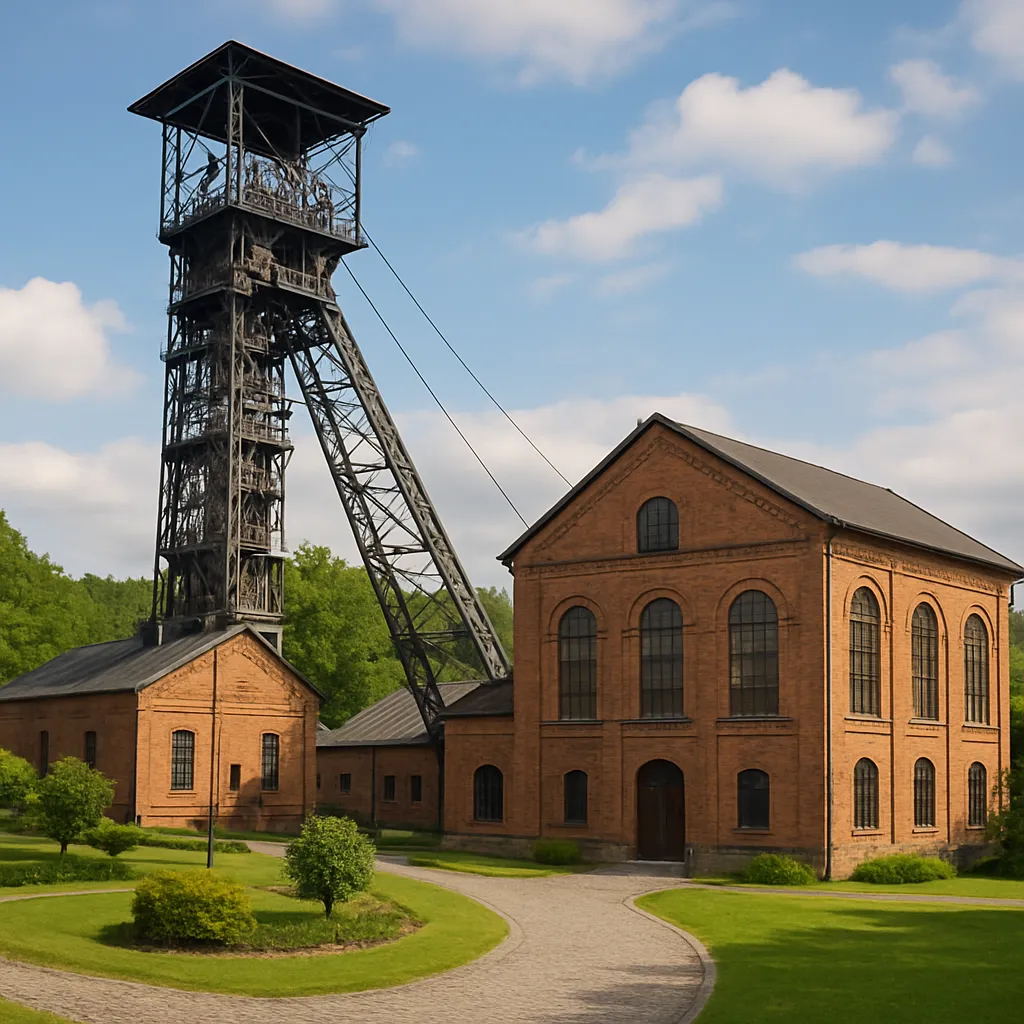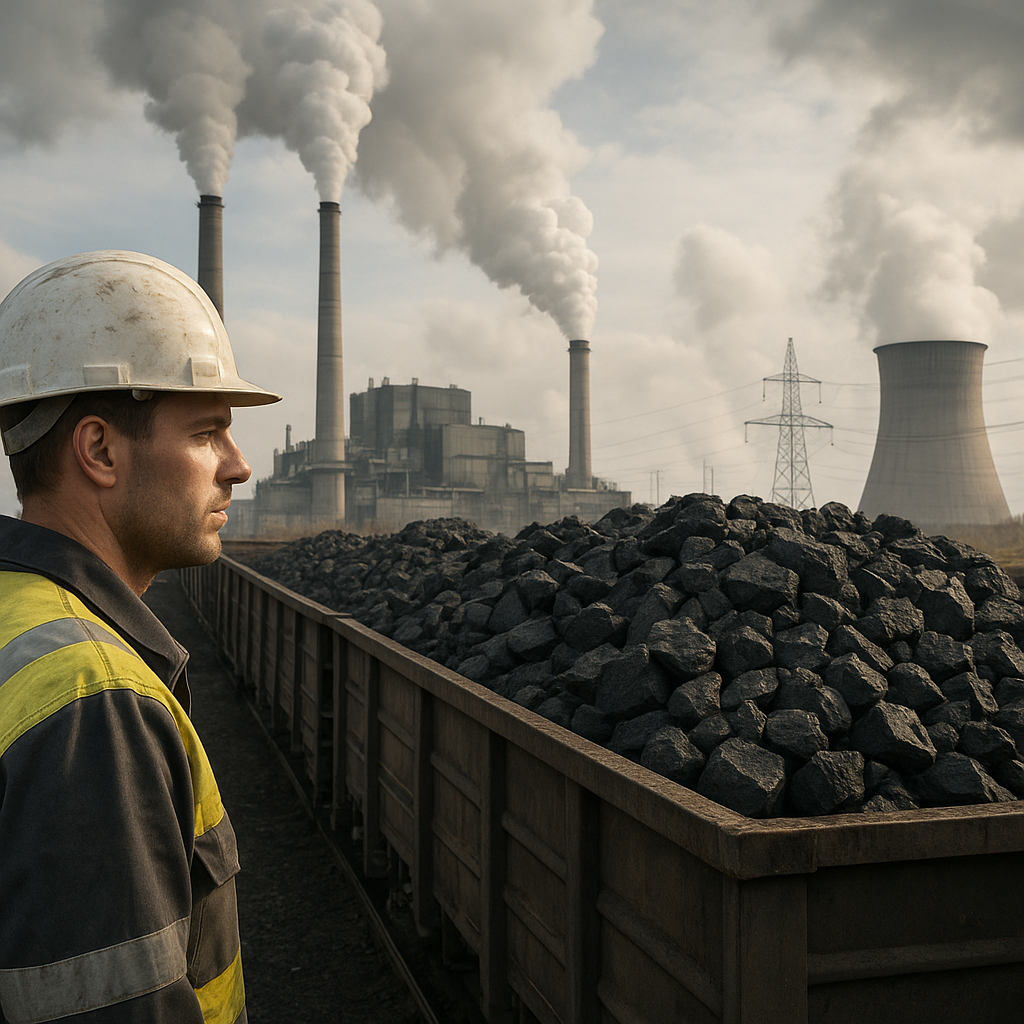
Coal continues to play a pivotal role in shaping the contours of global energy systems. This article explores the multifaceted aspects of coal and **coal stock**, examining their contributions to energy supply, market dynamics, **strategic reserves**, and the evolving **technological** and **environmental** landscape that surrounds them.
Understanding Coal and Its Types
Coal, a combustible sedimentary rock, has powered industrialization for more than two centuries. It exists in several forms, each defined by its **carbon** content, energy density, and chemical properties. The main categories include:
- Lignite: Often referred to as brown coal, lignite has the lowest **energy** content and the highest moisture level, making it less efficient but abundant in certain regions.
- Sub-bituminous Coal: This intermediate grade exhibits moderate calorific value and is widely used for electricity generation.
- Bituminous Coal: Known for its high energy density and widespread availability, this type fuels power plants and steel production.
- Anthracite: The hardest form of coal, anthracite boasts the highest **carbon** content and delivers exceptional heat output with minimal smoke.
These distinct varieties influence everything from mining techniques to environmental footprints. Regions rich in **bituminous** or **anthracite** deposits often enjoy a competitive advantage in energy-intensive industries, whereas areas with **lignite** reserves may rely on local power plants to minimize transportation costs.
Coal Stock and Supply Chain Dynamics
Maintaining robust **coal stockpiles** is crucial for ensuring uninterrupted power generation. Utilities, industrial consumers, and governments manage inventory levels to buffer against market volatility and logistical disruptions. Key factors affecting **stock** management include:
- Demand Forecasting: Predictive analytics and weather modeling help operators estimate required volumes, preventing both shortages and oversupply.
- Logistics and Transport: Rail, barge, and port infrastructure determine how swiftly and cost-effectively coal moves from mine to plant. Congested rail networks or port bottlenecks can create strategic vulnerabilities.
- Strategic Reserves: Some nations maintain government-controlled reserves, stockpiling coal to mitigate risks associated with trade disruptions or geopolitical tensions.
- Storage Technologies: Covered yards, domes, and advanced handling systems reduce moisture uptake and spontaneous combustion risks, thereby preserving fuel quality.
Challenges in Coal Stock Management
- Price Fluctuations: Rapid swings in international coal prices can strain budgets and force operators to adjust **stock** levels unexpectedly.
- Environmental Regulations: Stringent emissions limits and ash disposal rules require additional investment in cleaner coal handling and storage methods.
- Supply Chain Resilience: Extreme weather, labor strikes, or infrastructure failures can disrupt deliveries, highlighting the need for diversified sourcing strategies.
Coal’s Role in Global Energy Security and Policy Implications
Despite the global push towards **renewable** sources, coal remains a cornerstone of energy security in many countries. It provides reliable baseload power and helps diversify the energy mix. The interplay between coal and energy policy can be understood through the following lenses:
Energy Mix Diversification
Balancing **coal**, natural gas, nuclear, and renewables reduces dependence on any single fuel. In regions where wind or solar capacity is still developing, coal-fired plants can ramp output quickly, thus stabilizing the grid when renewable generation dips.
Geopolitical Considerations
Exporting and importing coal carries strategic weight. Major exporters secure foreign exchange earnings, while importers aim to maintain sufficient **strategic reserves**. Trade disputes, tariff adjustments, and shipping lane security all factor into national decision-making processes.
Environmental and Social Dimensions
Policy frameworks increasingly integrate carbon pricing, emissions caps, and just transition plans. Governments balancing the need for **affordable** energy with climate commitments offer incentives for carbon capture, utilization, and storage (**CCUS**) projects, and support communities affected by mine closures.
Technological Advances and Environmental Considerations
Modern innovations are reshaping how coal is mined, used, and managed. Key developments include:
- Clean Coal Technologies: These processes, such as flue gas desulfurization and low-NOx burners, reduce emissions of sulfur dioxide and nitrogen oxides.
- Carbon Capture and Storage: Post-combustion capture systems trap CO₂ before it enters the atmosphere, storing it underground in geological formations.
- Coal-to-Liquids (CTL): This conversion process produces synthetic fuels, enhancing energy security in sectors that require liquid hydrocarbons.
- Automation and Digitalization: Smart mines utilize drones, sensors, and predictive maintenance algorithms to optimize extraction while minimizing environmental impacts.
Environmental Trade-offs
While **clean** coal initiatives mitigate pollution, challenges persist:
- Water Usage: Coal washing and CCUS require significant water resources, potentially straining local supplies.
- Land Rehabilitation: Surface mining disturbs ecosystems, demanding comprehensive reclamation plans to restore habitats.
- Ash Disposal: Coal combustion residuals must be managed to prevent soil and water contamination.
Integrating these technologies often requires substantial **investment**, regulatory support, and public acceptance. As the global energy sector evolves, coal’s future will hinge on its ability to adapt to stricter environmental standards while maintaining its role in ensuring a resilient and affordable energy supply.