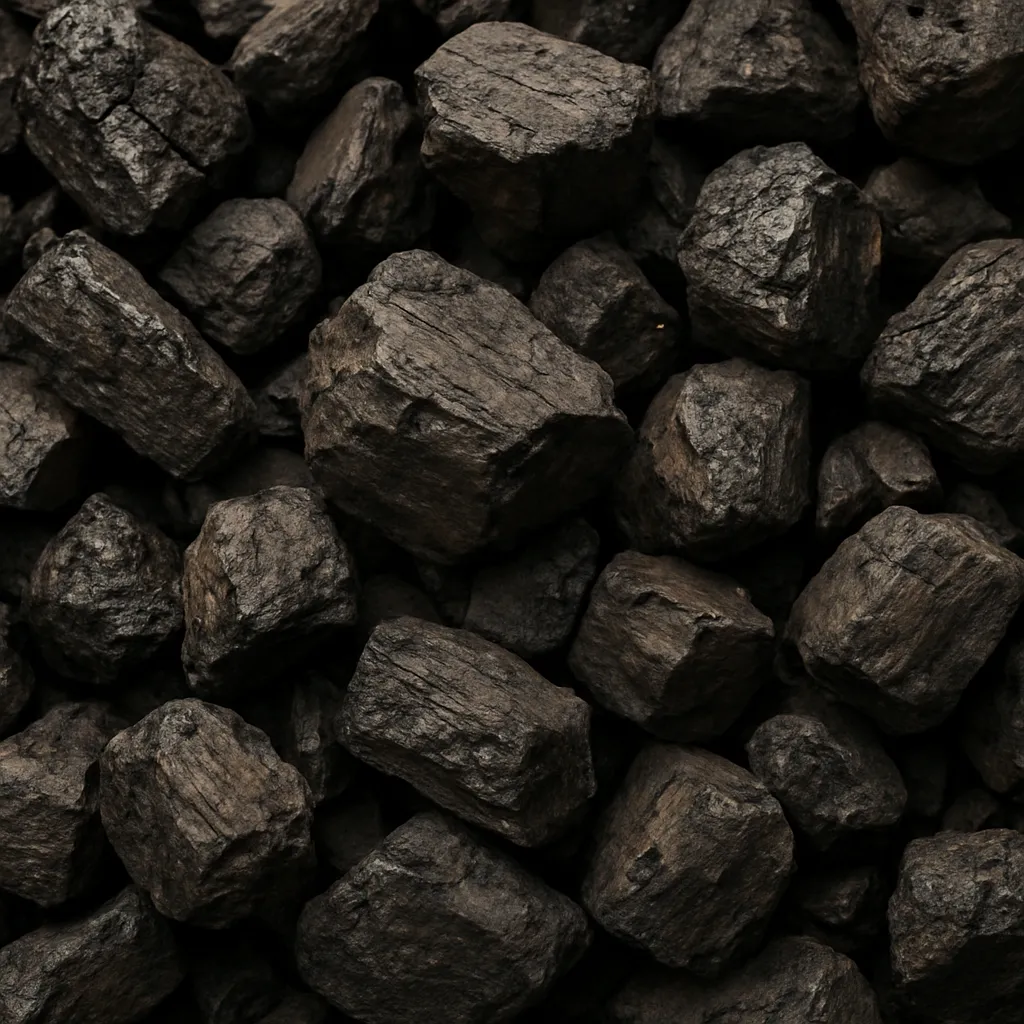
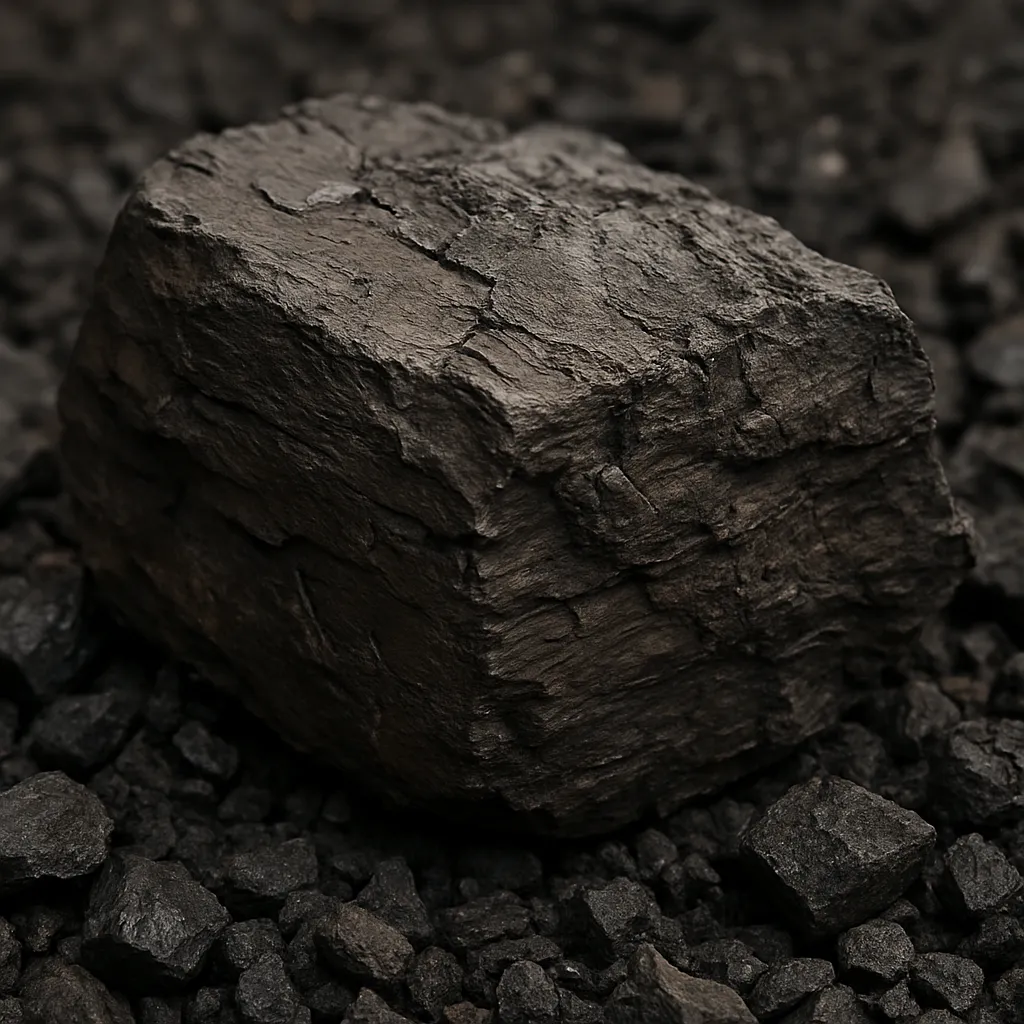
Sub-bituminous A coal occupies an important place in the global energy mix. Positioned between lignite and bituminous ranks, this coal type is commonly used for power generation and industrial heat. In this article you will find geological distribution, mining and processing methods, economic and statistical context, environmental considerations, and industry relevance. The discussion highlights technical characteristics that make sub-bituminous A attractive for specific uses as well as the challenges it presents to modern energy policy and decarbonization efforts.
Characteristics and Classification
Sub-bituminous A is part of the broader sub-bituminous category of coal, a mid-low rank coal that combines relatively low carbon content with higher volatile matter and moisture than higher-rank coals. In general terms, its defining properties include:
- Relatively high moisture content compared with bituminous coal, often in the range of 15–30% but variable by deposit and seam;
- Lower fixed carbon and higher volatile matter than bituminous coals;
- Moderate calorific value — typical heating values for sub-bituminous coals are often quoted in ranges that translate to roughly 8,000–11,500 Btu/lb (approximately 19–27 MJ/kg), with the A-grade at the higher end of the rank;
- Tendency to have low sulfur concentrations relative to many bituminous coals, making it a preferred feedstock where sulfur emissions are regulated;
- Variable ash content and mineral matter depending on deposit geology;
- Good grindability and suitability for certain combustion systems, though high moisture reduces energy density for shipping.
The designation “A” within sub-bituminous indicates the higher-quality end of the rank — higher heating value and lower moisture compared with sub-bituminous B or C. This makes Sub-bituminous A more attractive for long-distance transport and some power plant specifications.
Geographical Occurrence and Major Producing Regions
Sub-bituminous coals are typically formed in geological basins where peat was buried and partially coalified under moderate heat and pressure. These coals commonly occur in extensive, thick seams that are near the surface, which favors surface mining techniques.
Notable regions and basins
- Powder River Basin (United States) — One of the world’s largest deposits of low-sulfur, sub-bituminous coal. Wyoming and Montana mines in this basin have supplied a significant share of U.S. thermal coal for power plants.
- Australia — Large thermal coal basins in Queensland and New South Wales produce significant quantities of low-rank and thermal coals for export; Australian producers supply many Asian markets.
- Russia — Several Siberian and Far Eastern basins contain sub-bituminous and lower-rank coals used domestically for power and heat and exported regionally.
- Indonesia and parts of China — While much Indonesian coal is sub-bituminous to low-volatile bituminous used for export, China has extensive lower-rank coals used locally for electricity and heating.
- Other countries with meaningful sub-bituminous production include Kazakhstan, Colombia (in some deposits), and certain regions in Eastern Europe and South Africa.
Because sub-bituminous seams are often thick and close to surface, open-pit mining or strip mining is the dominant extraction method. This results in relatively low per-ton extraction cost compared with deep underground mining, but also larger surface disturbance footprints.
Mining, Processing and Transport
Mining and handling characteristics of sub-bituminous A reflect its physical properties. Key operational notes include:
- Surface mining techniques — High seam thickness and shallow depth enable large-scale open-cast operations with draglines, trucks and shovels. These operations benefit from economies of scale and lower production costs per ton.
- Processing is usually limited to screening and crushing, with some washing to reduce ash where economically justified. Drying is sometimes used to improve calorific value before combustion.
- High moisture content reduces energy density for long-distance transport. Where export is intended, producers may blend or dry coal, or rely on higher-grade sub-bituminous A material to remain competitive.
- Logistics often rely on rail and port infrastructure. In the U.S., long unit trains move Powder River Basin coal to power plants across the country; in Australia and Indonesia, coastal shipping handles exports to Asian markets.
Handling and storage also require attention to spontaneous heating and oxidation: low-rank coals can self-heat under certain conditions, so stockpile management and monitoring are important to limit losses and fire risk.
Economic and Statistical Context
Coal continues to play a major role in the global energy system despite the recent growth of renewables. Some useful economic and statistical perspectives related to sub-bituminous A include:
- Global coal production in recent years has been on the order of several billion tonnes annually, with thermal (steam) coal accounting for a substantial share of that output. Sub-bituminous coal makes up a significant proportion of thermal coal production in regions with large low-rank deposits.
- In the United States, the Powder River Basin has historically contributed a large fraction of domestic thermal coal; production from this basin runs into the hundreds of millions of short tons per year, making it a critical source for U.S. coal-fired electricity.
- Price dynamics: sub-bituminous A competes primarily in the thermal coal market. Prices are influenced by transport costs, calorific value comparisons, sulfur and ash content, and regional demand for low-sulfur fuel. When natural gas prices are low, coal-fired generation and thus coal demand can decline; conversely, strong industrial growth in Asia has supported thermal coal prices and exports.
- Employment and local economies: large open-pit operations create direct and indirect jobs, catalyzing local economies in mining regions. However, mechanized operations also mean fewer jobs per ton produced compared with deep mining.
Because coal markets are regionalized by transport costs and trade flows, the economic relevance of sub-bituminous A differs by geography: in coal-rich basins it may be the backbone of local energy systems and industry, while in other regions it is an import commodity balanced against alternatives.
Industrial Uses and Importance
Sub-bituminous A is predominantly a thermal coal, meaning its main application is in generating electricity and providing heat for industrial processes. Specific uses include:
- Large-scale coal-fired power plants — utilities using pulverized coal boilers and fluidized-bed combustors often utilize sub-bituminous coal for base-load generation.
- Industrial boilers — cement, paper, chemical and other industries use thermal coal for process heat.
- Blending — sub-bituminous A is frequently blended with higher-rank coals to achieve desired combustion properties, emissions profiles, and fuel handling characteristics.
- Research and niche applications — low-sulfur coal is sometimes preferred where emissions regulations are strict but alternatives are limited.
Because it typically has lower sulfur content, sub-bituminous A can reduce the need for flue gas desulfurization investments or reduce operating costs for sulfur management, though its higher moisture increases fuel handling volumes and can raise transportation costs per unit of energy.
Environmental Considerations and Emissions
Using sub-bituminous A coal raises several environmental questions that factor into regulatory, investment and operational decisions.
Emissions intensity
Per unit of energy, low-rank coals such as sub-bituminous produce significant carbon dioxide emissions during combustion. High moisture content means more fuel must be burned to deliver a given heat output compared with higher-rank coals, potentially increasing CO2 emissions per delivered MWh when measured on a mass-basis. However, relatively low sulfur content can lead to lower SO2 emissions if unmitigated.
Air quality and control technologies
- Power plants burning sub-bituminous A typically employ particulate controls (electrostatic precipitators or baghouses) and may have selective catalytic reduction (SCR) or selective non-catalytic reduction (SNCR) for NOx control.
- Lower sulfur reduces the baseline SO2 emissions, but where sulfur remains an issue, flue gas desulfurization (FGD) systems are used.
- Innovations such as integrated gasification combined cycle (IGCC) or co-firing with biomass can reduce carbon intensity but often require capital investment and operational adjustments.
Land and water impacts
Surface mining disturbs large land areas. Reclamation and proper water management are essential to mitigate ecological impacts. Large-scale strip mines in basins like the Powder River Basin have extensive reclamation programs, yet landform change and long-term hydrological impacts remain policy challenges.
Technological Trends and Future Prospects
Future prospects for sub-bituminous A are shaped by energy transition dynamics, technology development, and regional energy demand trends.
- Decarbonization pressure — as countries aim to reduce greenhouse gas emissions, the role of coal is being reevaluated. Some markets are retiring coal plants, while others—facing energy security or cost drivers—retain or even expand coal use temporarily.
- Coal plant retrofits — improvements in plant efficiency (supercritical and ultra-supercritical technologies) and carbon capture, utilization and storage (CCUS) could allow lower effective emissions from coal plants, potentially extending the operational life of facilities burning sub-bituminous coals if economically viable.
- Drying and upgrading — technologies to reduce moisture and upgrade low-rank coals can increase calorific value and reduce transport cost per energy unit, improving competitiveness for export and utility use.
- Blending and hybrid systems — co-firing with biomass, integrating energy storage, or pairing coal units with flexible gas turbines can help utilities reduce emissions intensity while maintaining reliability.
Market Dynamics and Policy Influences
Policy and market drivers strongly influence sub-bituminous coal economics. Important considerations include:
- Environmental regulation — emissions limits, carbon pricing, and clean air standards influence the relative demand for low-sulfur coals like sub-bituminous A.
- Energy policy — incentives for renewables and natural gas, as well as commitments to phase out coal in some jurisdictions, shift investment away from coal-fired generation.
- Infrastructure investment — rail and port capacity determine the reach of sub-bituminous coal to distant markets. Bottlenecks can constrain production growth even where geology is favorable.
- Global commodity cycles — demand from large consumers (e.g., power sectors in Asia) affects export prices and investment decisions in producer countries.
Interesting Facts and Comparative Notes
- Low sulfur advantage: Sub-bituminous A is often chosen where compliance with SO2 limits is a priority, enabling older plants to operate without expensive desulfurization retrofits.
- Transportation economics: Because energy per mass is lower than higher-rank coals, sub-bituminous economics favor short-haul or large-volume rail systems; this is why major basins with rail infrastructure can dominate national supplies.
- Reclamation models: Some mining regions have become case studies in reclamation and land reuse, with former mines repurposed for grazing, wetlands, or recreation after engineered restoration.
- Role in energy security: For coal-rich nations, sub-bituminous resources contribute to energy independence and are part of strategic fuel portfolios, particularly where alternatives are limited.
Conclusions
Sub-bituminous A coal remains an important thermal fuel in many regions due to a mixture of geological abundance, favorable sulfur content, and cost-effective mining methods. Its relatively low calorific value and high moisture pose logistical and emissions challenges that influence how and where it is used. In the near to medium term, sub-bituminous A will continue to supply power and industrial heat in many markets, but its long-term trajectory depends on technology adoption (efficiency improvements and carbon capture), energy policy, and the pace of the transition toward lower-carbon alternatives.
Key takeaways: sub-bituminous A is a widely available, low-sulfur thermal coal with moderate heating value, ideally suited to large-scale surface mining regions; it plays a substantial role in electricity generation and regional economies but faces increasing pressure from decarbonization trends and the need for emissions controls.