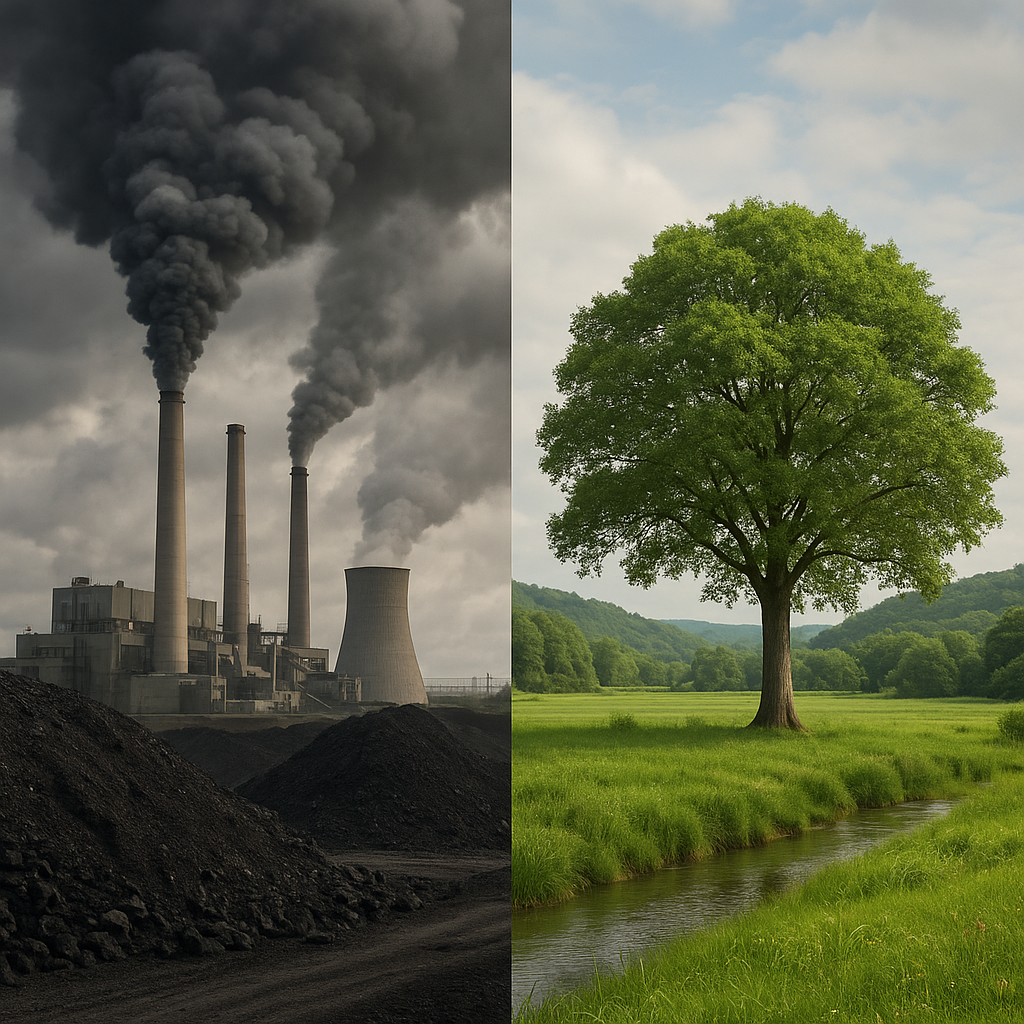
The ongoing discussion about coal revolves around its environmental footprint, economic viability and future role in a world striving for cleaner energy. This article delves into the nature of coal, its global stockpiles, the true environmental toll of its use and separates widespread myths from established facts. By examining key impacts and emerging technologies, readers will gain a deeper understanding of coal’s place in the energy mix and pathways toward more sustainable solutions.
Understanding Coal and Coal Stock
Coal is a combustible rock formed over millions of years from the accumulation and compression of ancient plant matter. It remains one of the world’s primary sources of electricity generation, especially in regions with abundant reserves. The notion of “coal stock” refers to both the proven reserves available for extraction and the inventory maintained by utilities and nations to ensure energy security.
Origin and Types of Coal
- Lignite: Low-grade, high-moisture variety used in local power plants.
- Sub-bituminous: Medium-grade with higher energy content than lignite.
- Bituminous: Widely used in electricity generation and industrial processes.
- Antracite: Hardest form, with highest carbon concentration and heating value.
Global Coal Reserves and Stocks
Major coal producers include China, the United States, India and Australia. Proven reserves indicate how much coal can be extracted economically with current technology. Strategic stockpiling by utilities helps manage price volatility, supply disruptions and seasonal demand. Maintaining adequate coal stock levels is vital for grid stability in regions still heavily reliant on thermal power plants.
Environmental Impacts of Coal Usage
Burning coal for electricity or industrial heat releases a range of pollutants that affect air, water and land. Understanding these impacts is crucial for crafting effective mitigation strategies and transitioning toward cleaner alternatives.
Air Pollution and Greenhouse Emissions
- Carbon dioxide (CO₂): The primary greenhouse gas driving climate change.
- Sulfur dioxide (SO₂): Causes acid rain, harming ecosystems and architecture.
- Nitrogen oxides (NOₓ): Contribute to smog, respiratory problems and ozone formation.
- Particulate matter (PM): Fine particles that penetrate lungs and cardiovascular systems.
Water Pollution and Resource Use
Coal mining and processing consume significant water volumes and often result in:
- Acid mine drainage: Lowers pH of streams, mobilizes heavy metals.
- Effluent discharge: Introduces toxins such as mercury, arsenic and selenium.
- Thermal pollution: Heated discharge water alters aquatic ecosystems.
Land Degradation and Biodiversity Loss
Surface and mountaintop removal mining leave vast scars on the landscape, removing soil layers and disrupting habitats. Reclamation efforts vary in success, but full ecosystem rehabilitation often requires decades. Habitat fragmentation reduces biodiversity and limits wildlife corridors.
Facts vs. Myths About Coal
A series of misconceptions about coal persist among policymakers, industry advocates and the public. This section addresses several common myths and contrasts them with established facts.
Myth: Coal Is the Cheapest Energy Source
While the direct cost of coal fuel per kilowatt-hour may appear low, it excludes environmental externalities. Proper accounting of health impacts, pollution control and carbon pricing reveals a higher true cost.
Fact: Full-Cost Accounting Raises Coal’s Price
Incorporating costs of emissions control technologies, healthcare expenses and environmental damage demonstrates that coal often loses its competitive edge compared to natural gas and renewables.
Myth: Modern Power Plants Are Emission-Free
Advanced coal plants employ scrubbers and filters to reduce pollutants, but emissions of CO₂ and trace toxins cannot be entirely eliminated without additional measures.
Fact: Carbon Capture Is Costly and Limited in Scale
Carbon Capture and Storage (CCS) technology can reduce CO₂ output significantly, but high capital costs, energy penalties and uncertain long-term storage capacity have hindered widespread deployment.
Myth: Coal Stockpiles Guarantee Indefinite Energy Security
Large reserves alone do not ensure stable supply. Transportation bottlenecks, labor disputes and regulatory changes can disrupt access to coal stockpiles, causing price spikes and reliability issues.
Fact: Diversified Energy Mix Enhances Security
Integrating renewables, storage and flexible gas turbines alongside coal reduces dependence on a single fuel, improving resilience and reducing overall system risk.
Emerging Technologies and Transition Strategies
Addressing coal’s challenges requires a blend of cleaner fossil solutions and a robust push toward renewable generation. Policymakers and industry leaders are exploring multiple avenues.
High-Efficiency Low-Emission (HELE) Plants
- Ultra-supercritical boilers operate at higher temperatures and pressures, boosting efficiency and lowering CO₂ per megawatt-hour.
- Integrated gasification combined cycle (IGCC) converts coal into syngas for cleaner combustion and easier CO₂ capture.
Carbon Capture, Utilization and Storage (CCUS)
CCUS projects aim to capture CO₂ from flue gas and either inject it underground or convert it into commercial products. Challenges include high costs, energy requirements and monitoring of stored carbon.
Co-firing and Biomass Blends
Mixing biomass with coal can reduce net CO₂ emissions by displacing a portion of fossil carbon. Sustainable sourcing of biomass feedstock is critical to ensure genuine sustainable gains.
Renewable Integration and Grid Flexibility
- Energy storage systems help balance variable solar and wind output.
- Demand response programs optimize load profiles, reducing reliance on coal peaking plants.
- Smart grid technologies enhance real-time monitoring and control of generation assets.
Strategies for Mitigating Coal’s Footprint
Even as coal usage declines in many regions, ongoing operations require best practices to minimize harm. Effective measures include:
- Implementing stringent emissions standards and continuous emissions monitoring systems (CEMS).
- Rehabilitating mined land with native vegetation and restoring water courses.
- Investing in research on breakthrough capture materials and novel conversion methods.
- Collaborating with stakeholders to phase out the most carbon-intensive plants on a predictable timeline.
Policy Instruments and Economic Incentives
Carbon pricing, tradable permits and targeted subsidies for clean technologies drive market signals away from unabated coal. Regulatory frameworks, such as emission performance standards, accelerate coal’s gradual retirement.
Community and Workforce Considerations
Transitioning from coal must address socioeconomic impacts on workers and communities dependent on mining and power generation. Retraining programs, infrastructure investment and economic diversification plans ensure a just and equitable shift.