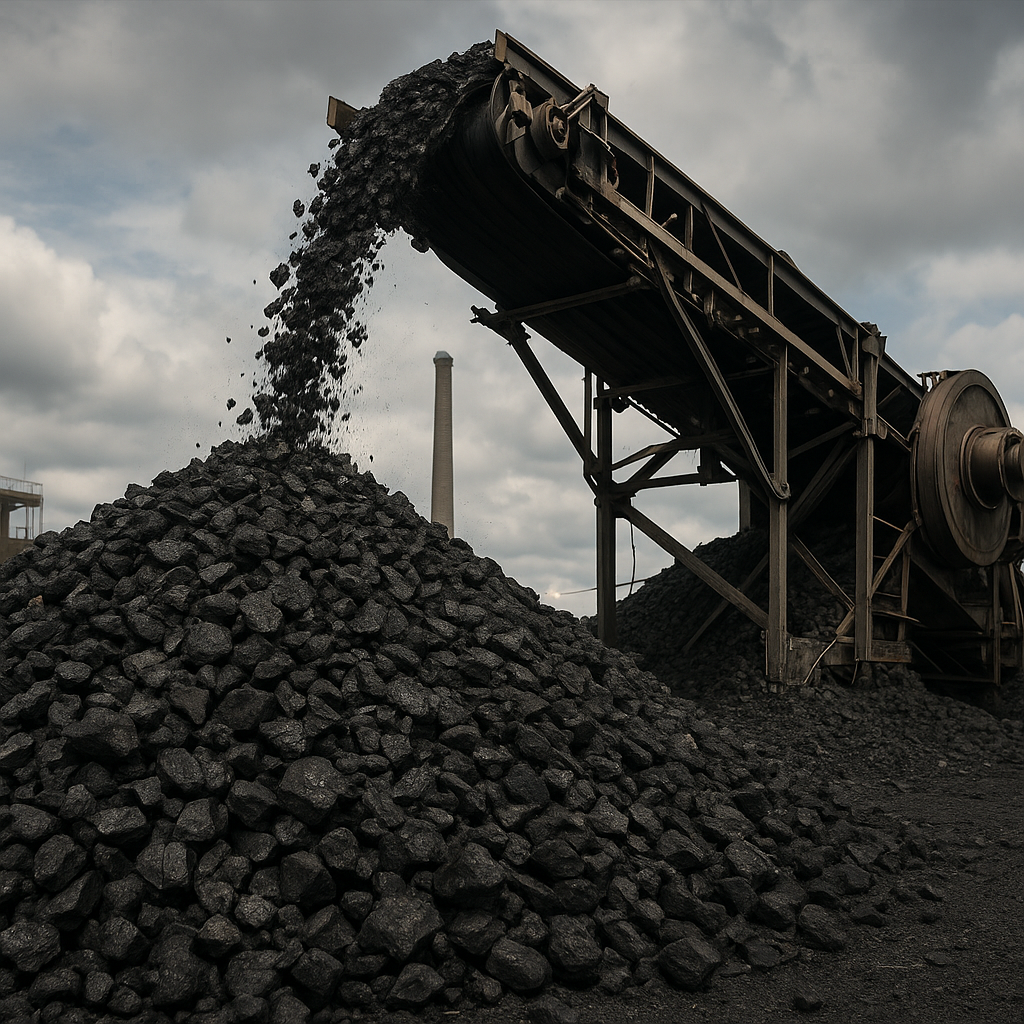
The landscape of the global energy sector has witnessed significant shifts over the past decade, and the role of coal has been at the center of both criticism and cautious optimism. Investors evaluating the prospects of coal-related equities must navigate a labyrinth of market forces, regulatory pressures, and evolving technologies. This article delves into the key factors shaping the future of coal stocks, highlighting opportunities and risks, and offering insights to guide strategic decision-making.
Global Coal Market Dynamics
The trajectory of the coal industry is influenced by a complex interplay of supply and demand fundamentals. While several developed economies are downsizing coal-fired generation in favor of cleaner alternatives, emerging markets—particularly in Asia—continue to rely on coal for baseload power. China and India together consume more than half of the world’s coal, driven by rapid urbanization, industrial growth, and the need for affordable energy. Despite mounting concerns over emissions, coal remains attractive due to its abundance, established infrastructure, and price competitiveness.
On the supply side, major exporting nations such as Australia, Indonesia, and the United States benefit from vast reserves and well-developed logistics networks. However, logistical bottlenecks, shifting export taxes, and environmental regulations can lead to price fluctuations. In recent years, spot prices for thermal coal have experienced heightened volatility, reflecting both geopolitical tensions and seasonal demand swings. Investors must monitor key benchmarks—such as API 2, API 4, and the Newcastle index—to gauge short-term market sentiment and anticipate potential profit opportunities or losses.
Additionally, the coal sector’s capital expenditures have been under scrutiny. Financing for new coal-fired plants and expansion projects has become more challenging as lenders and investors increasingly factor in the risks associated with the energy transition. Companies with diversified portfolios that include metallurgical coal (used in steelmaking) often fare better, as this segment exhibits stronger pricing power and less exposure to renewable energy competition.
Investment Opportunities and Risks
Identifying attractive coal stocks requires a balanced assessment of company fundamentals, market positioning, and external pressures. Key metrics to consider include production costs per ton, debt-to-equity ratios, dividend yields, and free cash flow generation. Below are some crucial investment angles:
- Cost Leadership: Firms with the lowest operational costs—often due to proximity to mines, efficient technologies, or favorable labor agreements—can sustain profitability even when prices dip.
- Geographic Diversification: Exposure to multiple regions can mitigate the impact of localized regulatory clampdowns or infrastructure disruptions.
- Product Mix: A balanced portfolio of thermal and metallurgical coal helps cushion against demand slumps in either segment.
- Balance Sheet Strength: Companies with manageable debt and robust liquidity are better positioned to weather market downturns and capitalize on acquisitions.
Nevertheless, prospective investors must navigate an array of risks:
- Regulatory Headwinds: Stricter emissions targets, carbon pricing schemes, and potential bans on new coal projects can erode long-term viability.
- Reputational Risks: ESG-conscious asset managers may avoid or divest coal holdings, leading to share price underperformance and reduced liquidity.
- Market Cyclicality: Coal prices are often correlated with industrial output and seasonal weather patterns, which can introduce unexpected volatility.
- Technological Disruption: Accelerated adoption of renewables, battery storage, and nuclear power may displace coal from the energy mix more rapidly than anticipated.
Technological Innovations and Environmental Considerations
In response to environmental concerns, the coal industry has explored various advanced technologies aimed at reducing its carbon footprint. Carbon capture, utilization, and storage (CCUS) projects have garnered significant attention, with pilot initiatives demonstrating the potential to sequester large volumes of CO₂ from flue gases. While CCUS remains capital-intensive, successful integration could extend the operational lifespan of existing coal plants and even open avenues for carbon credit revenues.
Other innovations include high-efficiency, low-emission (HELE) boilers, which optimize combustion processes to achieve higher thermal efficiency while curbing pollutant output. Retrofitting aging power stations with HELE technologies can be more cost-effective than erecting new units. Moreover, advancements in co-firing biomass with coal present an interim solution for reducing net greenhouse gas impact, although supply chain constraints and feedstock costs pose implementation challenges.
From an environmental compliance perspective, investors should evaluate each company’s track record on sustainability initiatives and adherence to local and international standards. Transparency in reporting, third-party audits, and alignment with frameworks such as the Task Force on Climate-related Financial Disclosures (TCFD) can serve as indicators of robust corporate governance and risk management.
Future Outlook and Strategies for Investors
Forecasting the future of coal stocks requires scenario-based analysis. Under a moderate decarbonization pathway—where renewables and gas ramp up steadily while coal declines gradually—well-capitalized coal miners and integrated utilities could continue generating attractive returns through dividends and buyback programs. Conversely, a rapid transition scenario driven by aggressive policy measures and technological breakthroughs may leave coal assets stranded and erode shareholder value.
To navigate these divergent trajectories, investors might consider the following strategic approaches:
- Diversification Across Energy Sectors: Balancing coal holdings with positions in renewables, natural gas, and emerging clean energy technologies can reduce portfolio risk.
- Selective Timing: Utilizing derivative instruments (futures, options) to hedge against adverse price swings or capitalize on short-term supply disruptions.
- Engagement and Advocacy: Partnering with management teams to encourage sustainable practices and transparent reporting, thereby enhancing long-term resilience.
- Valuation Arbitrage: Exploiting mispricings during market overreactions, such as selling when coal prices spike and buying during panic-induced sell-offs.
Ultimately, the path forward for coal investors will hinge on their ability to integrate macroeconomic insights, technological developments, and regulatory trends into a coherent investment thesis. While the profitability potential remains, it comes with the caveat of elevated uncertainty and heightened scrutiny from stakeholders. A well-informed, flexible strategy that accounts for multiple outcomes will be essential for navigating this evolving sector.