The following discussion delves into the multifaceted world of coal—from production trends and stockpile management to the evolving challenges of emissions control and the shift toward renewables. Readers will gain insights into market dynamics, logistical hurdles, environmental impacts, and innovative strategies that are reshaping one of the oldest energy industries on the planet.
Global Coal Market Dynamics
Production of coal continues to power economies across Asia, Africa, and parts of Europe, even as demand plateaus in some markets. Key exporters such as Australia, Indonesia, and Russia supply thermal and metallurgical grades to heavy industrial nations. Major consumers—China, India, and the United States—rely on this abundant resource to meet baseload electricity needs and support steel manufacturing. Yet, fluctuating commodity prices and geopolitical tensions introduce market volatility that can disrupt long‐term contracts and national energy security plans.
Production and Consumption Trends
- Asia-Pacific accounts for over 60% of global demand.
- Coal output in the United States has shifted toward premium metallurgical coal.
- South Africa faces challenges in balancing export revenues with domestic supply obligations.
Trade Flows and Price Drivers
International trade routes rely on extensive port and rail logistics, while seasonal factors, such as peak winter heating seasons in Europe, cause spot prices to spike. National inventories and stockpile levels act as buffers, but maintenance costs and weather exposure can lead to spontaneous combustion incidents within outdoor piles. Currency fluctuations, shipping bottlenecks, and regulatory tariffs all interplay to determine the final delivered cost of coal at major power plants.
Coal Stock: Storage, Management, and Risks
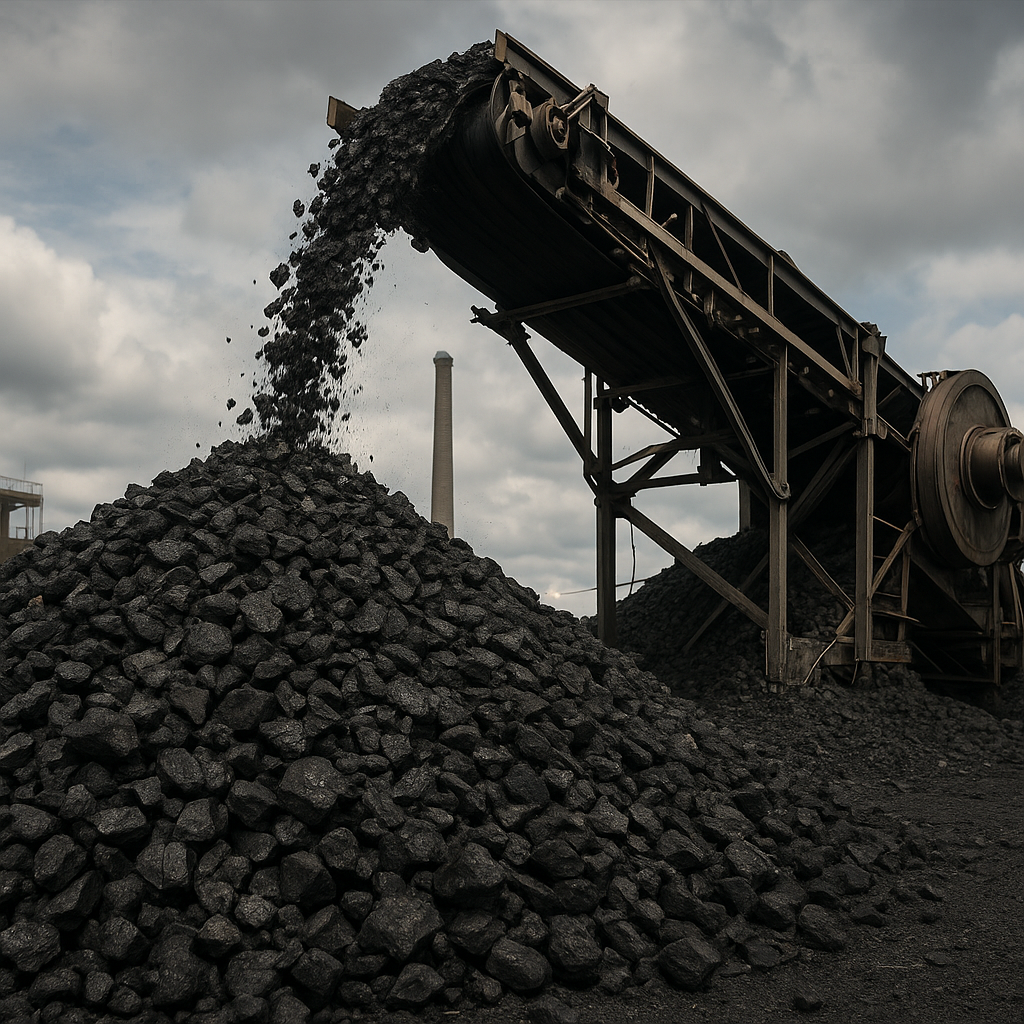
Maintaining a robust inventory of coal is essential for utilities and steelmakers to hedge against supply disruptions. Stockyards—whether at mines, ports, or power plant sites—must be meticulously monitored to prevent safety hazards and quality degradation. Over time, coal can oxidize, lose calorific value, or even self-heat and ignite under certain conditions.
Stockpile Engineering and Safety Protocols
- Conical stacking vs. windrow stacking: different methods impact air flow and moisture retention.
- Temperature probes and gas sensors track early signs of spontaneous combustion.
- Covering techniques, from plastic tarps to bio-based insulation, mitigate moisture ingress.
Environmental and Operational Challenges
Dust control measures, such as water sprays and chemical binders, prevent particulate release into surrounding communities. Runoff management is crucial: coal fines and heavy metals can infiltrate waterways if proper drainage systems aren’t in place. Additionally, the sheer scale of some stockpiles presents a logistics puzzle—coordinating rail deliveries, conveyor belts, and port berths to maintain a healthy turnover rate without overstocking.
Economic and Environmental Implications
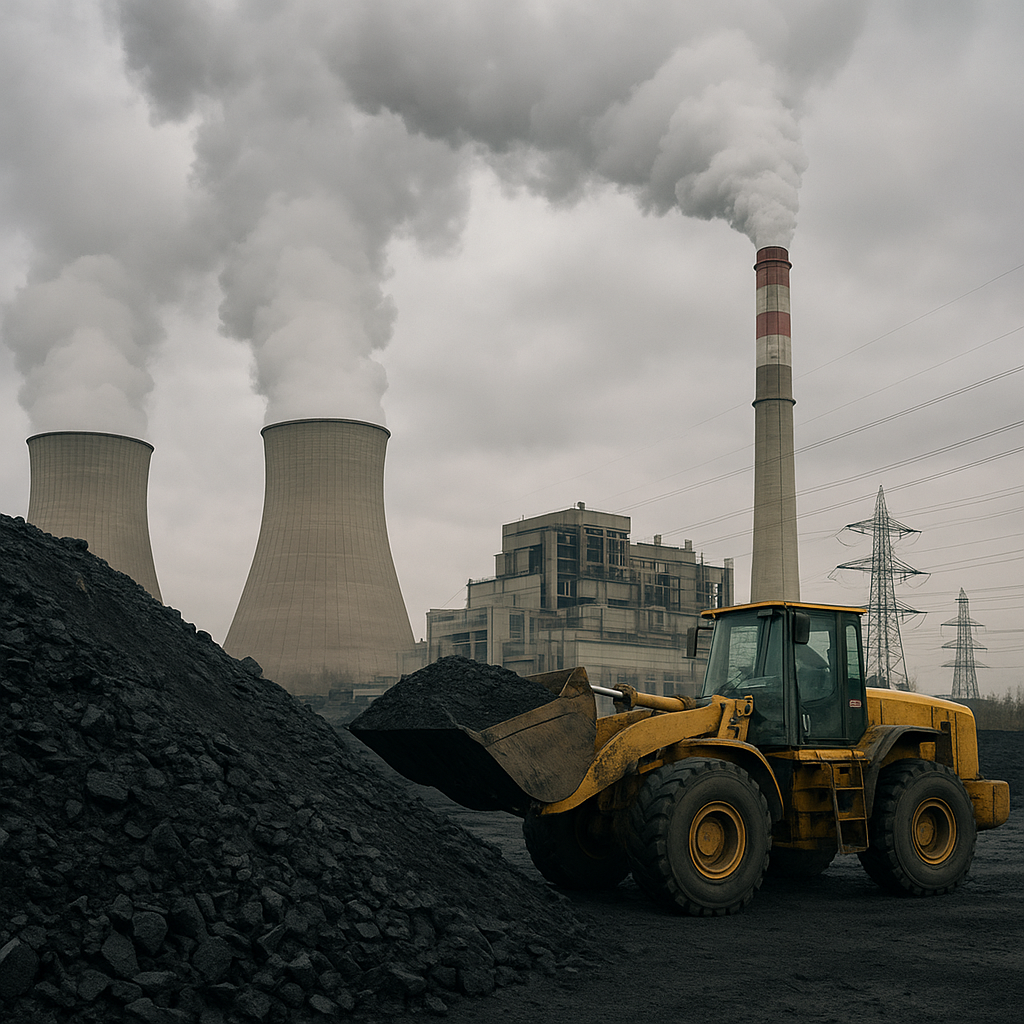
Coal’s affordability has long underpinned affordable electricity in developing regions. Nonetheless, rising concerns about air pollution and emissions are driving stricter regulations. Power plants equipped with electrostatic precipitators and flue-gas desulfurization units can reduce particulate matter and sulfur dioxide, but these add to operational costs. Meanwhile, carbon pricing schemes aim to internalize the externalities associated with carbon dioxide, encouraging investment in cleaner alternatives.
Socioeconomic Impact
- Coal mining supports millions of jobs in rural regions, from mine laborers to transportation workers.
- Tax revenues from coal companies fund local infrastructure projects, education, and healthcare.
- Community concerns over land subsidence and water contamination have sparked social unrest in certain mining regions.
Regulatory Landscape
In many jurisdictions, stricter emission limits for NOx, SOx, and mercury force aging plants to retrofit or retire. Carbon capture and storage incentives, tax credits, and renewable portfolio standards all reshape the competitive environment. As governments pursue net-zero targets, the role of coal becomes increasingly transient, viewed as a stepping stone rather than a long-term solution.
Transition Strategies and Emerging Technologies
Innovations in carbon capture are at the forefront of efforts to decarbonize existing coal fleets. Post-combustion capture, pre-combustion gasification, and oxy-fuel techniques offer varied pathways for separating CO₂ for underground storage or utilization in enhanced oil recovery. Meanwhile, coal-to-liquids and coal-to-chemicals technologies seek to diversify revenue streams for coal producers.
Coal-to-Gas and Hybrid Systems
- Integrated Gasification Combined Cycle (IGCC) plants convert coal to syngas, lowering emissions of particulates and SO₂.
- Waste heat recovery and combined heat-and-power (CHP) systems boost overall energy efficiency.
- Blending biomass with coal feedstocks reduces net carbon intensity.
Renewable Integration and Storage
Pairing existing coal plants with solar PV or wind installations allows grid operators to cycle down coal generation during peak renewables output. Large-scale battery systems can smooth intermittency, reducing reliance on coal peaker units. This transitional hybrid model extends plant lifespans while aligning with broader sustainability goals.
Case Studies: Country Perspectives
Examining how different nations manage coal portfolios reveals varied policy approaches and strategic priorities.
China
As the world’s largest coal consumer, China maintains extensive strategic coal reserves to stabilize domestic prices. Simultaneously, it invests heavily in ultra-supercritical coal plants, which achieve higher thermal efficiencies and lower emissions per megawatt-hour. Ambitious solar and wind targets aim to taper coal’s share of the power mix from over 60% toward 50% by the end of the decade.
India
Rapid urbanization and industrial growth have fueled a surge in coal demand. India’s government supports new mine development while retrofitting older plants with flue-gas treatment units. At the same time, aggressive expansion of solar parks and grid modernization efforts aim to curb coal reliance in urban centers.
European Union
Member states have largely shifted away from coal, with countries like Spain and the United Kingdom achieving near-zero coal generation. Germany’s phase-out plan will decommission its last coal-fired stations by 2038. Stringent Emissions Trading System (ETS) prices and generous subsidies for renewables drive this rapid decline.
United States
Market forces, particularly low-cost natural gas and renewables, have outcompeted many coal plants. However, certain regions still depend on coal for baseload reliability. Pilot projects exploring carbon capture, utilization, and storage (CCUS) aim to demonstrate the viability of cleaner coal power and protect jobs in traditional mining communities.
As the global energy landscape evolves, coal’s role is recalibrated from a primary driver of growth to a transitional resource. Managing existing stockpile assets, navigating market volatility, and investing in decarbonization technologies will determine whether coal can coexist with a de-carbonized future or fade entirely from the world’s energy matrix.