The Role of Coal in Africa’s Growing Energy Market is a multifaceted topic encompassing geological resources, economic challenges, social dynamics, and environmental responsibilities. As the continent pursues rapid development, policymakers and industry leaders must balance the immediate need for reliable power with long-term goals of decarbonization and sustainability. This article explores the historical context, current trends, economic opportunities, environmental impacts, and strategic pathways that define coal’s continued relevance across Africa’s energy landscape.
Historical Context and Resource Distribution
Since colonial times, numerous African regions have been recognized for their abundant coal reserves. Countries such as South Africa, Mozambique, and Zimbabwe possess significant coal basins that were initially developed to power railways, mines, and colonial settlements. Over the decades, these reserves have become a backbone of industrial growth and electrification efforts.
- South Africa: The world’s fifth-largest coal producer, with extensive basins in Mpumalanga and the Highveld.
- Mozambique: Emerging player in coal exports, driven by vast deposits in the Tete Province.
- Zambia and Zimbabwe: Smaller operations supporting local power stations and steel plants.
- Morocco and Nigeria: Developing coal-to-power projects to supplement natural gas and hydropower.
These resource hubs laid the groundwork for large-scale infrastructure projects. Early railway lines, ports, and processing facilities established logistical corridors that continue to support both domestic consumption and export markets. Moreover, access to reliable coal supplies fostered the growth of heavy industries such as cement manufacturing, steel production, and alumina refining.
Coal in the Current Energy Mix
Africa’s electricity mix remains heavily skewed toward fossil fuels, with coal constituting nearly 30% of total generation capacity. The reliance on coal-fired power plants stems from several factors:
- Affordability of coal compared to oil and imported natural gas.
- Stability of baseload generation, critical for mining operations and urban centers.
- Existing plant fleets and extensive conversion infrastructure.
Recent regional statistics highlight the following patterns:
- In South Africa, over 80% of grid capacity is coal-based, underpinning major industrial clusters.
- Kenya and Ethiopia integrate coal alongside expanding geothermal and hydro assets, diversifying their energy portfolios.
- North African nations explore fluidized-bed coal technology for improved efficiency and lower emissions.
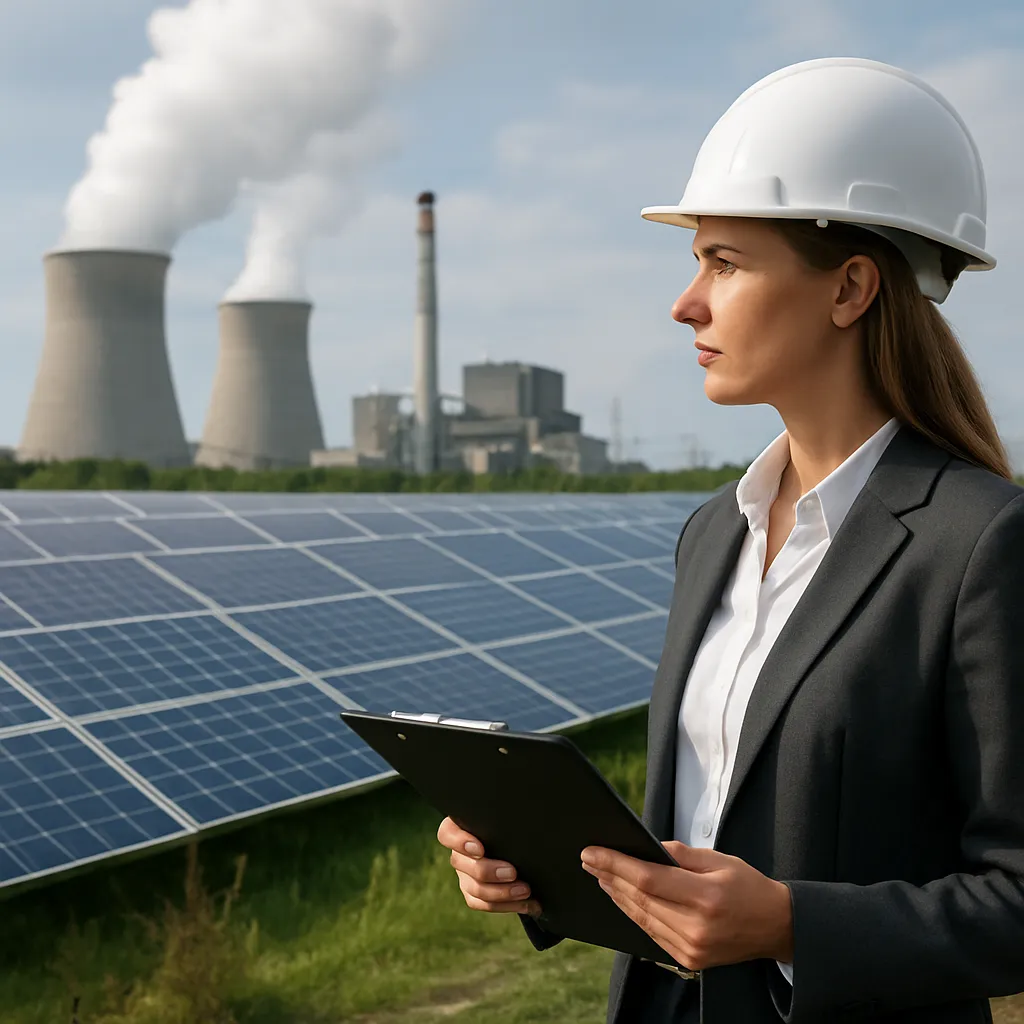
However, the penetration of renewables is rapidly changing the landscape. Solar and wind projects now account for significant additions to new capacity, creating a dynamic interplay between traditional coal plants and variable renewable sources. Grid operators increasingly focus on flexible dispatch, reserve margins, and mutual support mechanisms between coal and renewable generation.
Economic and Environmental Implications
As coal remains central to electricity supply, its economic and environmental ramifications draw intense scrutiny. Understanding these dual aspects is essential for crafting balanced strategies.
Economic Opportunities
Coal offers several economic benefits:
- Job creation in mining, transportation, and plant operations—often in remote regions where alternative employment is scarce.
- Stimulation of ancillary industries, including equipment manufacturing, maintenance services, and local supply chains.
- Export revenue for countries with large surpluses, boosting foreign exchange reserves.
- Investment potential for international firms seeking stable returns in power generation.
Environmental Challenges
While economic gains accrue, coal’s environmental footprint raises concerns:
- Greenhouse gas emissions from combustion, contributing to global warming.
- Local air pollution—particulate matter, sulfur dioxide, and nitrogen oxides—impacting public health.
- Water consumption and contamination during mining and power generation cycles.
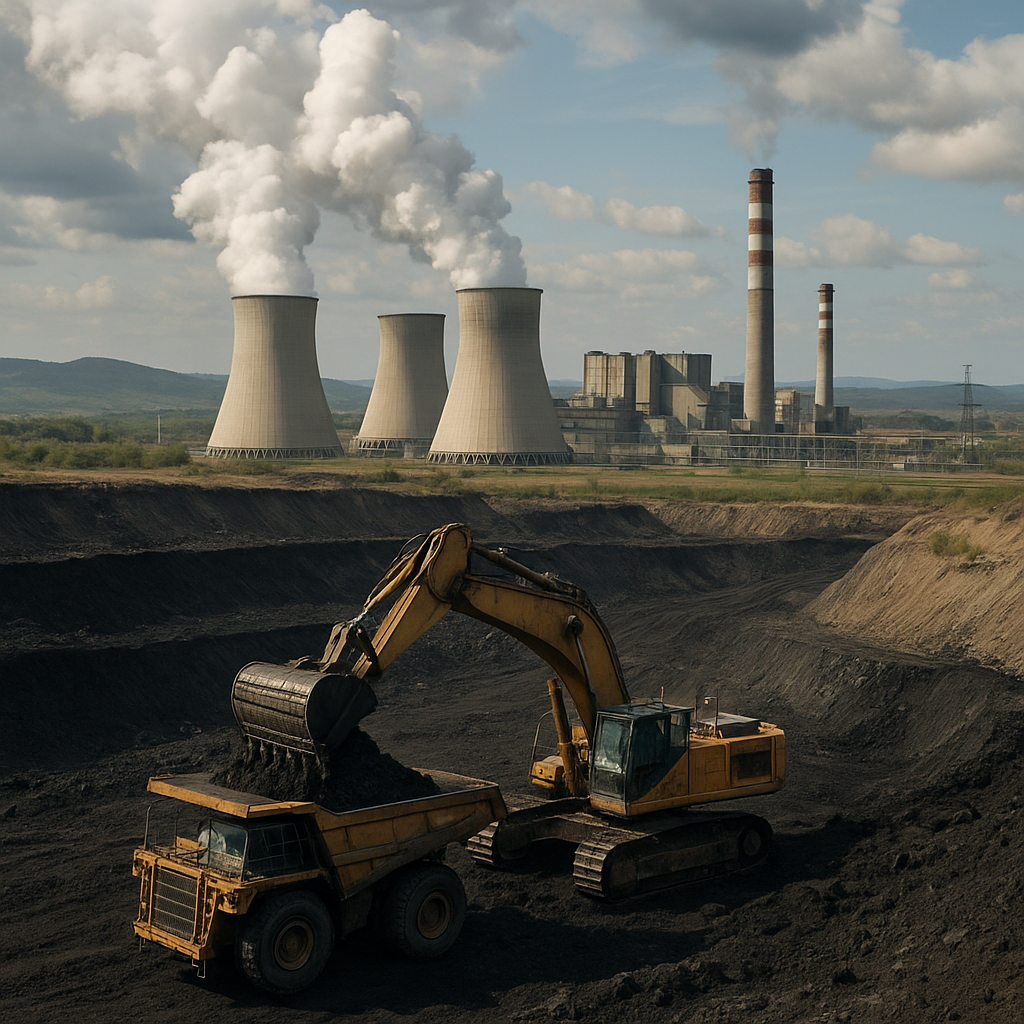
- Land degradation from open-cast mining, altering ecosystems and displacing communities.
To address these issues, policymakers and operators implement mitigation measures, such as flue-gas desulfurization, electrostatic precipitators, and water recycling systems. International finance institutions and development banks increasingly condition funding on adherence to stringent environmental policy and social safeguards.
Future Outlook and Strategic Investments
Transitioning toward a low-carbon footprint while maintaining energy security requires smart, phased approaches. Several pathways are emerging:
Clean Coal Technologies
- Supercritical and ultra-supercritical boilers that raise thermal efficiency and lower specific CO₂ outputs.
- Integrated Gasification Combined Cycle (IGCC) systems, enabling higher efficiency and capture of pollutants.
- Carbon Capture, Utilization, and Storage (CCUS) pilot projects in collaboration with global technology partners.
Investment in Grid Modernization and Storage
Strengthening transmission networks and integrating battery energy storage can facilitate smoother operation of coal plants alongside renewables. Strategic actions include:
- Digitalization of grid control systems for real-time monitoring and demand response.
- Deployment of modular energy storage to manage peak loads and reduce plant cycling.
- Cross-border interconnectors, pooling resources and balancing supply volatility.
Policy Frameworks and International Collaboration
Effective policy design is vital to guide investments and ensure equitable outcomes. Key elements involve:
- Carbon pricing or emissions trading schemes to reflect environmental costs.
- Subsidies for early retirement of outdated, high-emission units in exchange for capacity relief or financial support.
- Public-private partnership models to share risks and align development objectives.
- Technical assistance programs from global agencies to build local expertise in clean coal and renewable integration.
By pursuing a balanced mix of investment in advanced coal technologies, renewables, and grid resilience, African nations can secure reliable power for economic growth while progressively reducing their carbon footprints. Collaboration among governments, industry stakeholders, communities, and international entities will shape the trajectory of coal’s role in the continent’s diverse and evolving energy market.