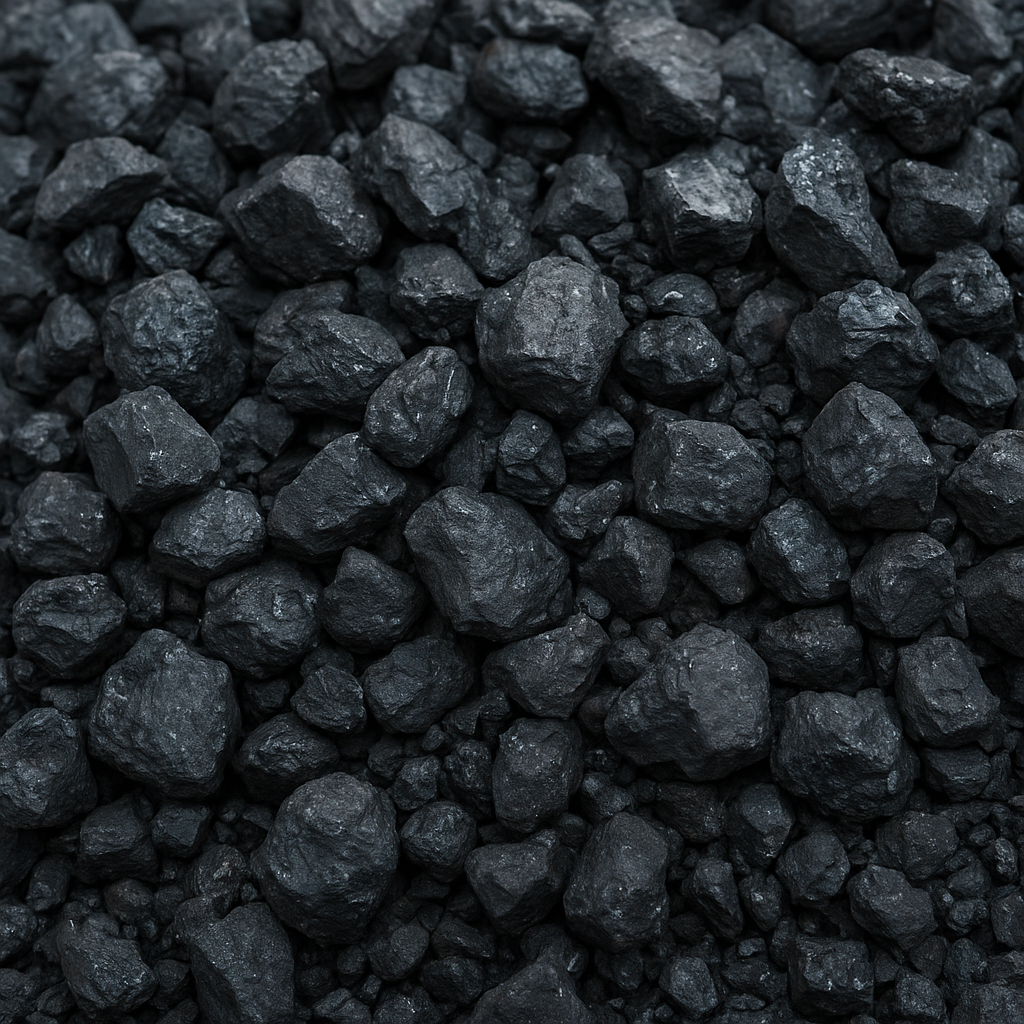
Low-BTU coal
This article examines the characteristics, occurrences, extraction, economic roles and industrial importance of low-calorific-value coal—commonly referred to as low-BTU coal. It presents geological and geographical contexts, outlines the technological and…

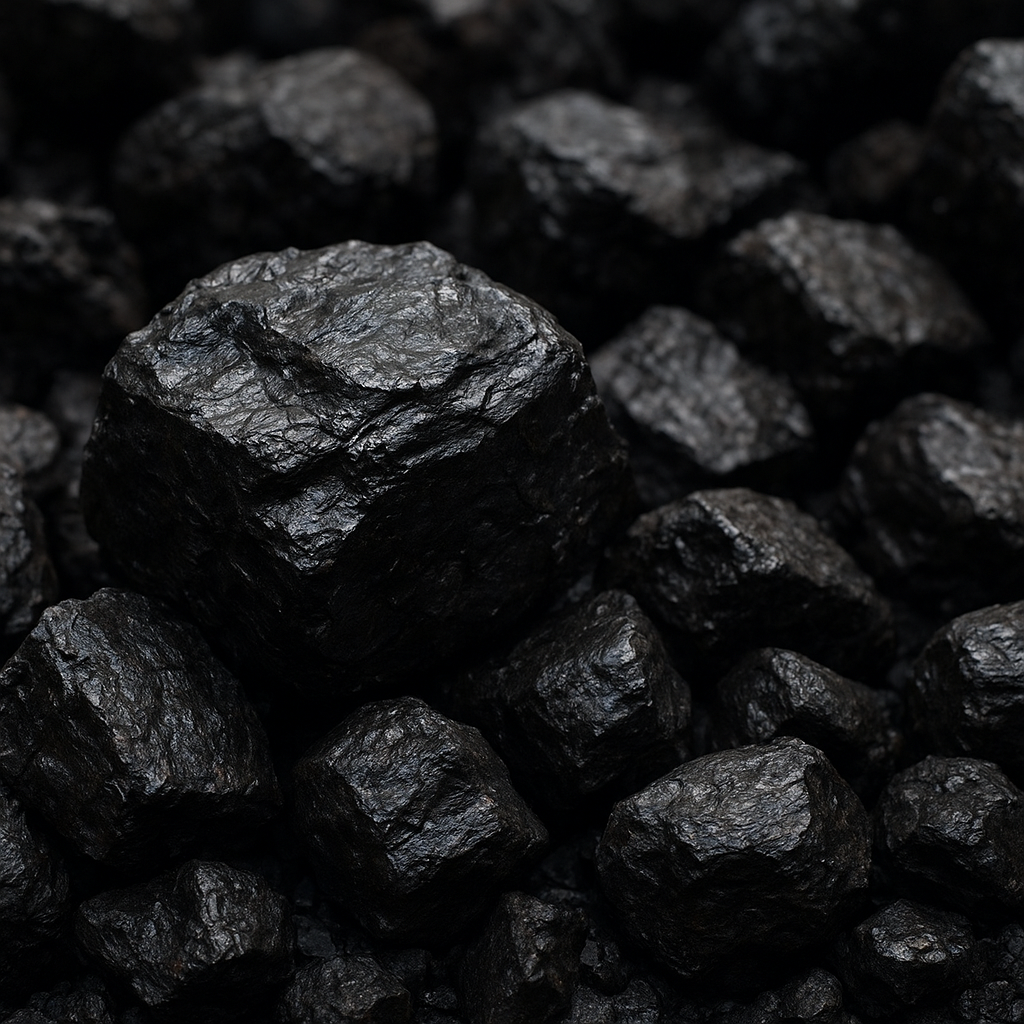
High-rank coal
High-rank coal occupies a distinctive place among fossil fuels. Often associated with superior energy density, lower volatile content and a higher fixed carbon fraction, this class of coal plays specific…


F-grade coal
This article explores the characteristics, occurrence, production, economic role and industrial significance of what is commonly referred to as F-grade coal — a practical label used in some markets and…


E-grade coal
This article explores E-grade coal — a commercial classification commonly used to describe lower-rank thermal coals with specific physical and chemical characteristics. It covers where such coals are found and…


High-moisture coal
High-moisture coal is a broad category of low-rank coals that contain a significantly higher share of water in their natural state than medium- and high-rank coals. These coals play an…
