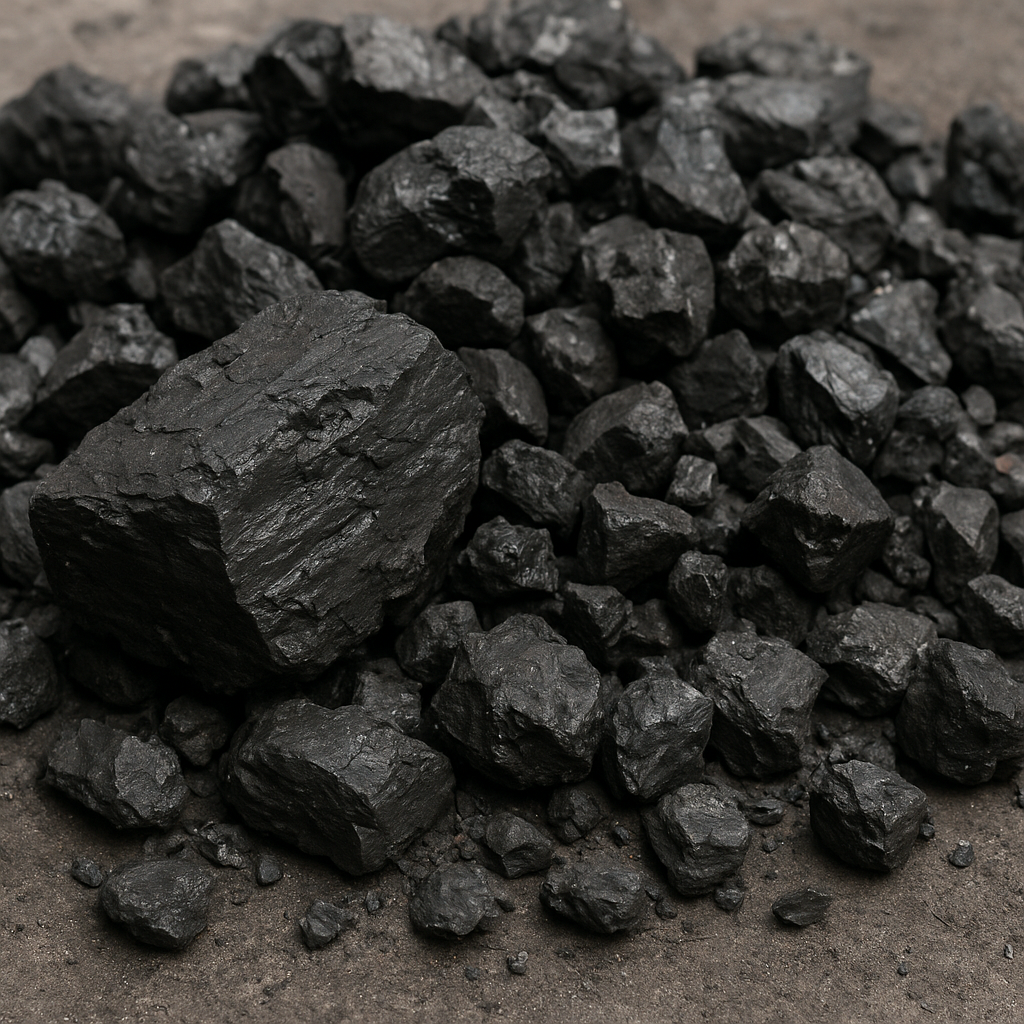
Low-rank coal
Low-rank coals — commonly referred to as lignite and sub-bituminous coals — occupy an important but often misunderstood position in the global energy mix. Characterized by high moisture content, relatively…


Carbon coal
The following article examines the geological nature, global distribution, economic importance, and environmental implications of coal — a sedimentary rock that has powered industry and societies for centuries. It covers…


Non-coking coal
Non-coking coal, often referred to as thermal or steam coal, is one of the most widely used fossil fuels in the world. Unlike coking coal, which is suitable for metallurgical…


High-sulfur coal
High-sulfur coal is a distinctive and consequential category of fossil fuel whose chemical makeup, geographic distribution and economic implications have shaped energy systems, industrial processes and environmental policy for more…


Sub-bituminous B
Sub-bituminous B coal is a low- to medium-rank thermal coal that plays an important role in contemporary energy systems, particularly for power generation. It sits between lignite and bituminous coal…


High-volatile bituminous coal
High-volatile bituminous coal occupies an important place among the ranks of coal used around the world. This article summarizes its geological characteristics, where it occurs and is mined, economic and…


Bituminous coal
Bituminous coal is one of the most important and widely used ranks of coal worldwide. It occupies an intermediate position in the coalification scale between sub-bituminous coal and anthracite, combining…
