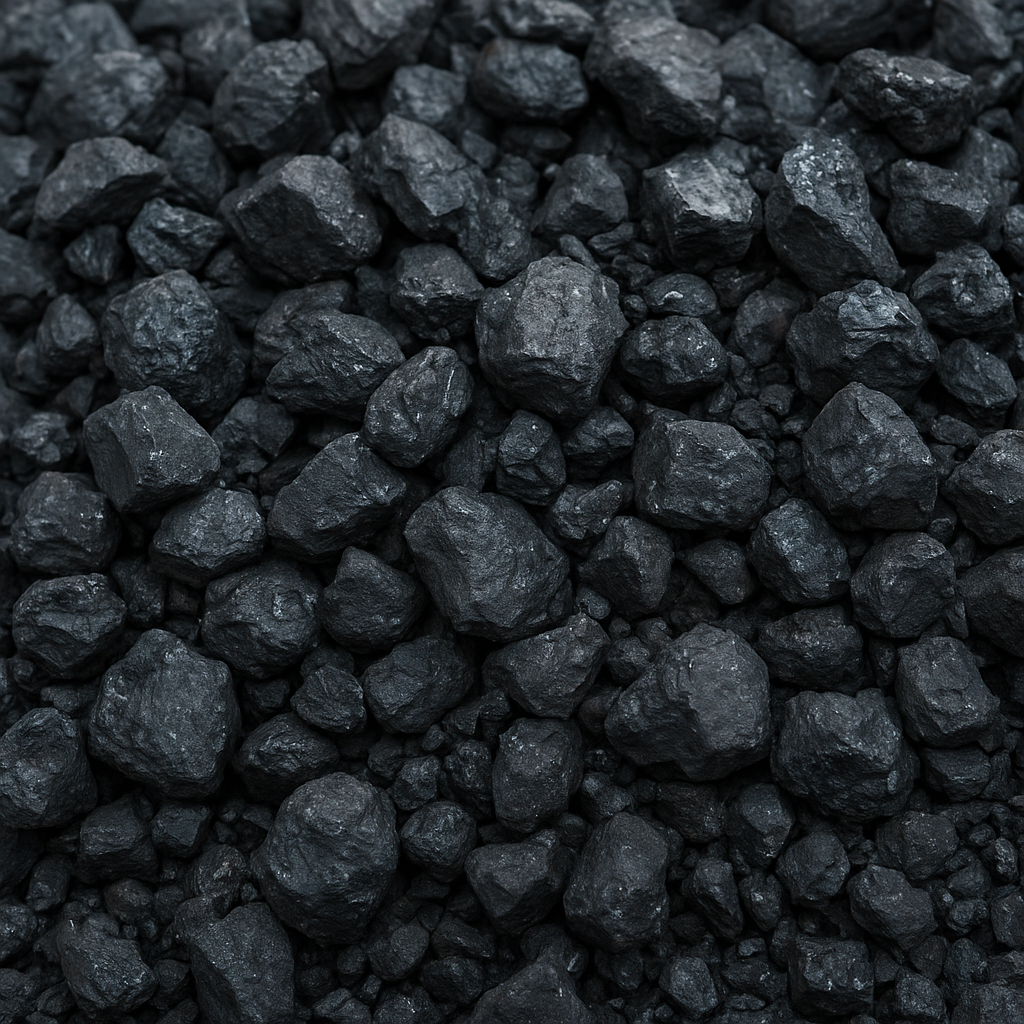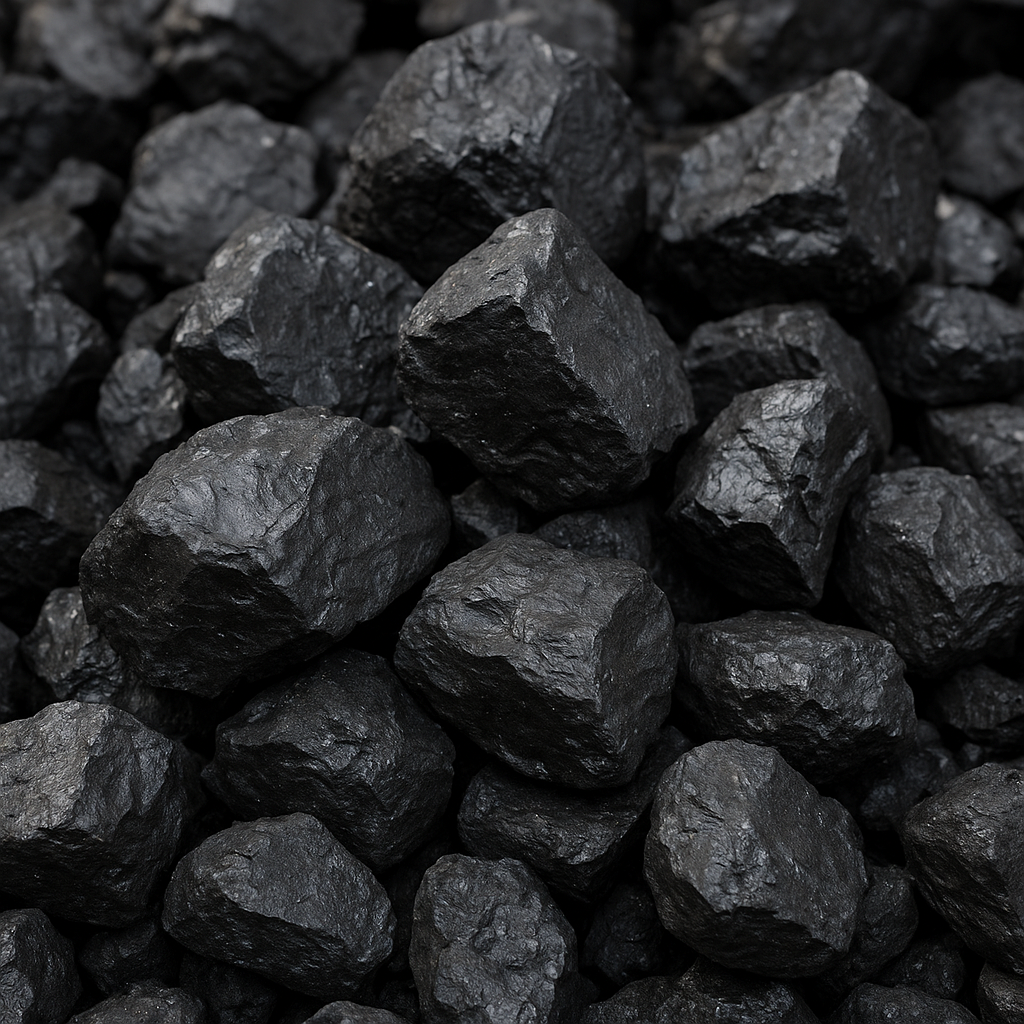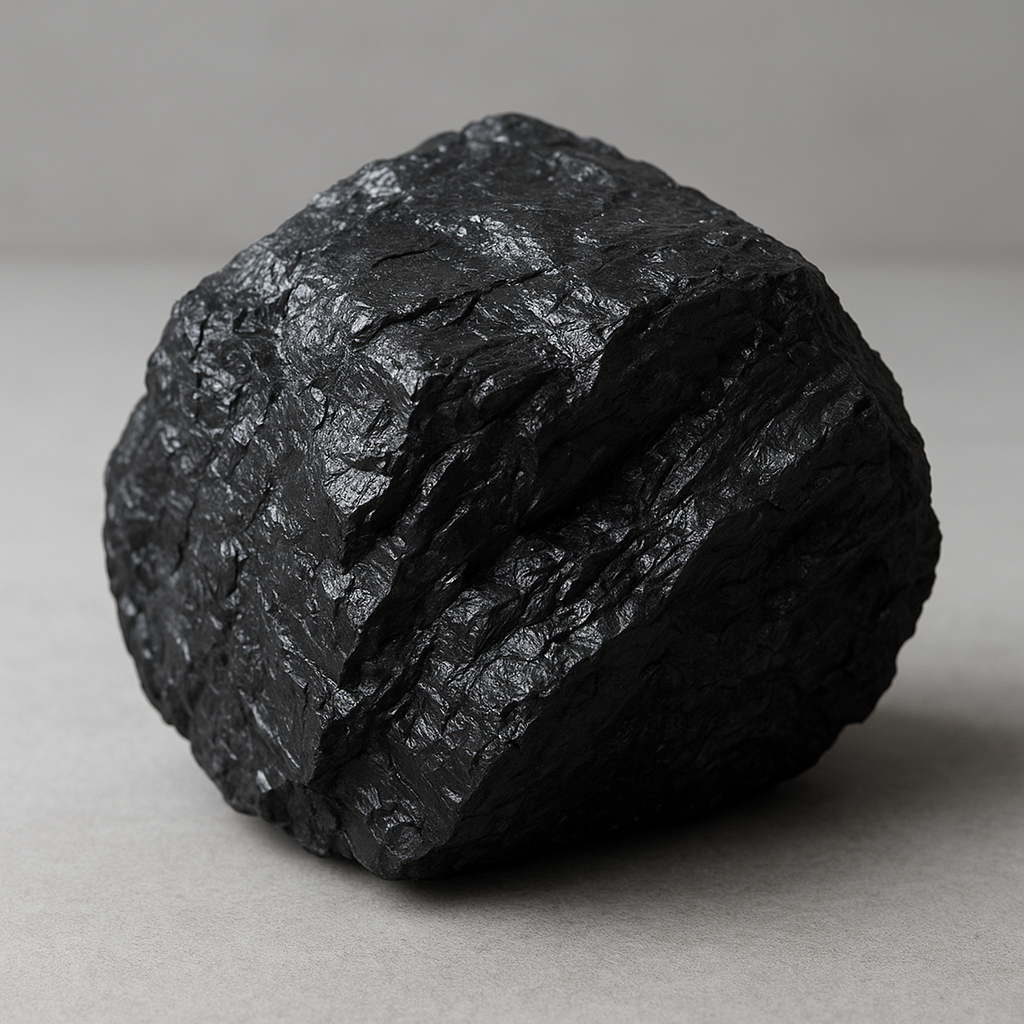
Super-clean coal refers to coal that has been processed and treated to have very low levels of impurities and emissions-related constituents, or to naturally occurring high-grade coal that inherently contains fewer contaminants. This concept encompasses a range of physical grades (for example, washed, low-ash anthracite), chemical upgrades (solvent extraction, hydrothermal treatment), and technological pairings (gasification combined with carbon-capture). The following article describes where such coals occur and are mined, the processing and technologies used to produce them, economic and statistical perspectives, industrial importance, and the environmental and policy context that shapes their role in modern energy systems.
Geology, Types and Natural Occurrence of High-Quality Coal
Coal is a sedimentary rock formed from plant material subjected to pressure and heat over geological time. Natural variations in rank, composition and impurity content produce a spectrum from low-rank lignite to high-rank anthracite. The term super-clean coal can apply to:
- High-rank coals such as anthracite and some bituminous grades that naturally have lower moisture, lower volatile matter and lower sulfur and ash contents.
- Washed and beneficiated coals where physical separation (density, flotation, magnetic separation) reduces ash and mineral matter.
- Chemically or thermally upgraded coals — e.g., solvent-refined coal, hydrotreated coal products — that remove or convert sulfur, nitrogen and other problematic constituents.
- Coal-derived fuels from gasification or liquefaction where most mineral matter is separated prior to combustion, and gaseous or liquid products can be treated for CO2 removal.
Major geologic provinces that host high-quality coals include the Appalachian and Interior basins in the United States (anthracite in Pennsylvania; high-quality bituminous in Appalachia), the Permian and Bowen basins in Australia (noted for high-quality thermal and metallurgical coals), South Africa’s Karoo basins (some high-carbon coals), significant basins in China (Shanxi, Shaanxi provinces) and Colombia (noted for low-ash export thermal coals). Coal quality is heterogeneous even within a basin, and local geology, mineralogy and depositional environment control sulfur and ash contents.
Where Super-clean Coal Is Mined and Processed
Super-clean coal can be either mined directly (naturally cleaner seams) or produced by processing raw coal. Key global regions and activities include:
- China — the world’s largest coal producer. China has large resource volumes that include high-rank coals, and an extensive coal-washing and beneficiation industry oriented both toward domestic quality improvement and environmental compliance. Washed coals and lower-sulfur blends are increasingly prioritized for urban power plants.
- Australia — major exporter of high-quality thermal and metallurgical coals. Many Australian coals are naturally low in ash and sulfur, creating a premium export product often marketed as cleaner relative to global averages.
- United States — anthracite and high-BTU bituminous coals from the Appalachian region and low-sulfur Powder River Basin (PRB) coals from Wyoming and Montana. The PRB coals are widely used because of their inherently low sulfur content, making them a de facto “cleaner” choice for power generation without heavy flue-gas treatment.
- Indonesia and Colombia — significant exporters of thermal coal, with some grades being relatively low in ash and sulfur; Indonesian coal is extensively blended and washed for export markets.
- Russia, South Africa, Poland, India — major producers with varied coal qualities; beneficiation and washing plants are used where feasible to produce lower-ash, lower-sulfur products, though in some regions the focus is more on meeting energy access and industrial needs than on producing premium-clean coal.
Processing hubs — coal-washing plants, flotation facilities, drying and briquetting units — are found close to major mining districts or ports. Emerging investment is seen in coal-upgrading plants that pair with gasification complexes or coal-to-chemicals facilities, where the economics of producing a higher-value, lower-impurity product make sense.
Technologies and Methods to Produce Super-clean Coal
Producing super-clean coal involves physical, chemical and thermal methods. Technologies can be categorized by goal: removal of mineral matter (ash), removal of sulfur and nitrogen precursors, reduction of moisture, or conversion to gaseous/liquid energy carriers enabling downstream purification.
Physical beneficiation
– Gravity separation and dense-media separation reduce ash and mineral matter by exploiting density contrasts between coal and rock.
– Flotation is used for fine particles where surface chemistry differences are exploited to separate coal from mineral impurities.
– Dry beneficiation and air-dense media separation reduce water use and are applied where water is scarce.
Chemical and thermal upgrading
– Solvent extraction and hydrogenation (solvent-refined coal approaches) remove or alter macerals and contaminants and can increase fixed carbon content.
– Hydrothermal dewatering and torrefaction reduce moisture and result in higher-energy, more stable “upgraded” coal that is often marketed as cleaner because of improved combustion profiles.
– Pyrolysis and low-temperature carbonization produce chars and liquids where mineral matter can be left in the solid residue and gaseous products are easier to clean.
Gasification, liquefaction and integration with CO2 capture
– Integrated Gasification Combined Cycle (IGCC) converts coal to syngas (CO + H2), enabling removal of sulfur (as H2S), particulates and mercury before combustion in gas turbines. IGCC offers a pathway to lower stack emissions and more efficient combustion.
– Coal-to-liquids (CTL) and coal-to-chemicals processes often require thorough pre-cleaning to protect catalysts and to produce higher-purity end products.
– Pairing gasification with carbon-capture technologies can yield power with significantly reduced CO2 emissions, often promoted as part of “super-clean coal” systems when life-cycle emissions are considered.
Economic and Statistical Overview
Global coal markets are large and complex. While the share of coal in some advanced economies’ electricity mixes has declined, coal remains critical in many countries for power, industry and metallurgy. The economics of super-clean coal depends on production costs, beneficiation and treatment costs, export premiums for low-ash/low-sulfur coals, and regulatory regimes that impose costs on emissions.
- Global production: Recent years have seen annual global coal production on the order of roughly 7–8 billion tonnes (hard coal and lignite combined). China accounts for roughly half of world production; other large producers include India, the United States, Australia, Indonesia and Russia.
- Export markets: Australia, Indonesia, Russia and Colombia are among the largest exporters of thermal and metallurgical coals. Premiums for low-ash, low-sulfur coals — and for high-quality coking coals used in steelmaking — can be substantial, often adding tens of US dollars per tonne to the base price.
- Price drivers: Freight and logistics, quality attributes (sulfur, ash, calorific value), regulatory drivers (emissions standards, carbon taxes), and the alternative fuel competition (natural gas, renewables) shape pricing.
- Costs of upgrading: Beneficiation and washing plants have capital and operating costs; marginal cost per tonne for washing varies widely depending on feed quality and plant scale but can range from a few dollars to several tens of dollars per tonne. Advanced chemical upgrading and gasification increase capital intensity significantly, often requiring policy support or long-term offtake contracts.
- Employment and regional economies: Coal washing and upgrading plants create jobs and value capture in mining regions. Conversely, capital-intensive clean-coal technologies may centralize value and reduce employment per unit of energy produced compared with labor-intensive mining and raw coal combustion.
To illustrate market scale with indicative numbers (estimates, varying by source and year):
- China: ~3.5–4.0 billion tonnes/year of coal production; domestic washing capacity is substantial and increasingly prioritized to meet urban air quality regulations.
- India: ~700–900 million tonnes/year; coal quality varies, and beneficiation investments are increasing to supply cleaner thermal power plants.
- United States: ~500–700 million tonnes/year of coal; Powder River Basin coals have low sulfur and are widely used for power generation.
- Australia: ~400–500 million tonnes/year, large portion exported; high-quality thermal and metallurgical coals are globally important for steel and power.
Note: exact figures fluctuate year to year due to demand cycles, policy shifts and economic drivers; the above ranges are intended as broad indicators rather than precise census numbers.
Significance in Industry and Applications
Super-clean coal has different industry roles depending on whether the focus is on improved environmental performance for power generation, or on feedstock quality for metallurgical and chemical industries.
Power generation
– Low-sulfur, low-ash coals reduce the burden on flue-gas-desulfurization and particulate control systems, reducing operating costs and improving plant availability.
– Super-clean coal as a feed for IGCC provides a route to higher thermal efficiency and lower emitted pollutants before CO2 capture; this is attractive where carbon constraints are present.
– Blending lower-quality coal with super-clean coal is a common strategy to meet emissions targets while controlling fuel costs.
Steel and metallurgy
– Metallurgical (coking) coal requires low ash and sulfur to produce high-quality coke; premiums for such coals are substantial because coke properties drive steel furnace performance.
– Super-clean metallurgical coals reduce downstream coke-battery emissions and improve throughput in blast furnaces and in direct reduced iron (DRI) processes that might use coal-derived syngas.
Chemicals, carbon materials and advanced uses
– Coal-derived activated carbon, carbon fiber precursors, and specialty carbons require feedstocks with minimal mineral impurities.
– Gasification of cleaned coal to produce hydrogen, methanol, ammonia, or liquid fuels demands a low-ash feed to protect catalysts and increase process reliability.
Environmental, Regulatory and Policy Context
The phrase “super-clean coal” is often used in policy and marketing contexts to indicate coal systems with lower emissions of particulates, sulfur dioxide, nitrogen oxides and sometimes CO2. However, real environmental performance depends on full system boundaries and life-cycle analysis.
- Air pollutants: Washing and desulfurization reduce SO2 and particulates, addressing local air quality targets. Many countries require flue-gas treatment (FGD, SCR) in new plants, raising the effective cleanliness of coal-fired power generation.
- Climate policy: Coal’s high carbon intensity relative to natural gas and renewables is the primary constraint on claims of cleanliness. Carbon capture and storage (CCS) is technically mature in pilot and limited commercial projects but remains expensive and limited in scale. Without CCS, even “super-clean” coal systems still produce significant CO2 per MWh.
- Regulation and markets: Emissions trading systems, carbon taxes and strict national air quality standards incentivize investment in cleaner coal products and upgraded plants. Export markets also impose quality standards and contractual specifications that drive beneficiation.
- Water and waste: Washing and gasification can reduce stack emissions but often increase water use and generate concentrated solid residues (cleaning rejects, ash, slag) that require management.
Statistical Trends and Future Prospects
Several trends shape the future of super-clean coal:
- In many advanced economies coal-fired capacity is declining; remaining plants are either upgraded with emissions control or retired. This reduces demand for raw lower-quality coal in those markets, potentially increasing demand for higher-quality, cleaner coals and for coal that is compatible with CCS or IGCC.
- In developing economies, coal remains an on-ramp for electrification and industry. There is growing emphasis on cleaner coal technologies because of urban air quality concerns. Investments in washing and emission controls are likely to continue, particularly in Asia.
- Investment in coal gasification and coal-to-chemicals can create market niches for super-clean feedstocks, but capital intensity and competition from shale gas, renewables and green hydrogen are strong headwinds.
- CCS deployment at scale remains the major technical and economic inflection point — if costs fall and storage becomes widespread, “clean” coal systems with captured CO2 could extend coal’s role in a decarbonizing world; without CCS, coal is likely to face accelerating decline in markets committed to deep decarbonization.
From a practical standpoint, the economics of producing and using super-clean coal are dictated by local fuel prices, the cost of pollution controls and carbon compliance, and logistics. In export markets, the price differential for washed, low-ash coal versus raw feed can justify investment in beneficiation. In domestic markets where air quality and public health are priorities, governments often subsidize or mandate upgrades that effectively increase demand for cleaner coal products.
Interesting Technical and Economic Notes
– Upgrading low-rank coals (e.g., lignite) through torrefaction and hydrothermal carbonization can produce coal-like fuels with increased energy density and lower transport costs, potentially transforming local fuels into higher-value products for regional markets.
– Coal-bed methane (CBM) extraction is often coupled to coal mining and represents an additional resource and emissions mitigation opportunity; extracting gas prior to mining reduces methane emissions and provides a natural-gas substitute.
– The market for ultra-low-ash coking coals is tight: small shifts in supply (mine closures, floods, export controls) can cause sharp price movements because steelmakers have strict quality requirements.
– Life-cycle assessments show that while washing reduces SO2 and particulate emissions at the plant level, net global benefits depend on transport distances, disposal of cleaning rejects, and whether coal leads to higher or lower CO2 per useful unit of energy when substituted for other fuels.
Concluding Observations
Super-clean coal represents a mix of geology, engineering and policy: naturally cleaner coals, extensive beneficiation, and advanced conversion technologies can reduce many of the local pollutants historically associated with coal use. Economically, markets reward low-ash and low-sulfur coals with price premiums and enable niche applications in metallurgy and chemical feedstocks. From an environmental and climate perspective, however, the core challenge remains carbon intensity: without widespread deployment of carbon-capture and significant shifts in the global energy mix, coal — even when “super-clean” in local-emissions terms — continues to pose significant climate risks. The future of super-clean coal will therefore be shaped as much by advances in CCS, gasification economics and policy frameworks as by mining and beneficiation improvements.