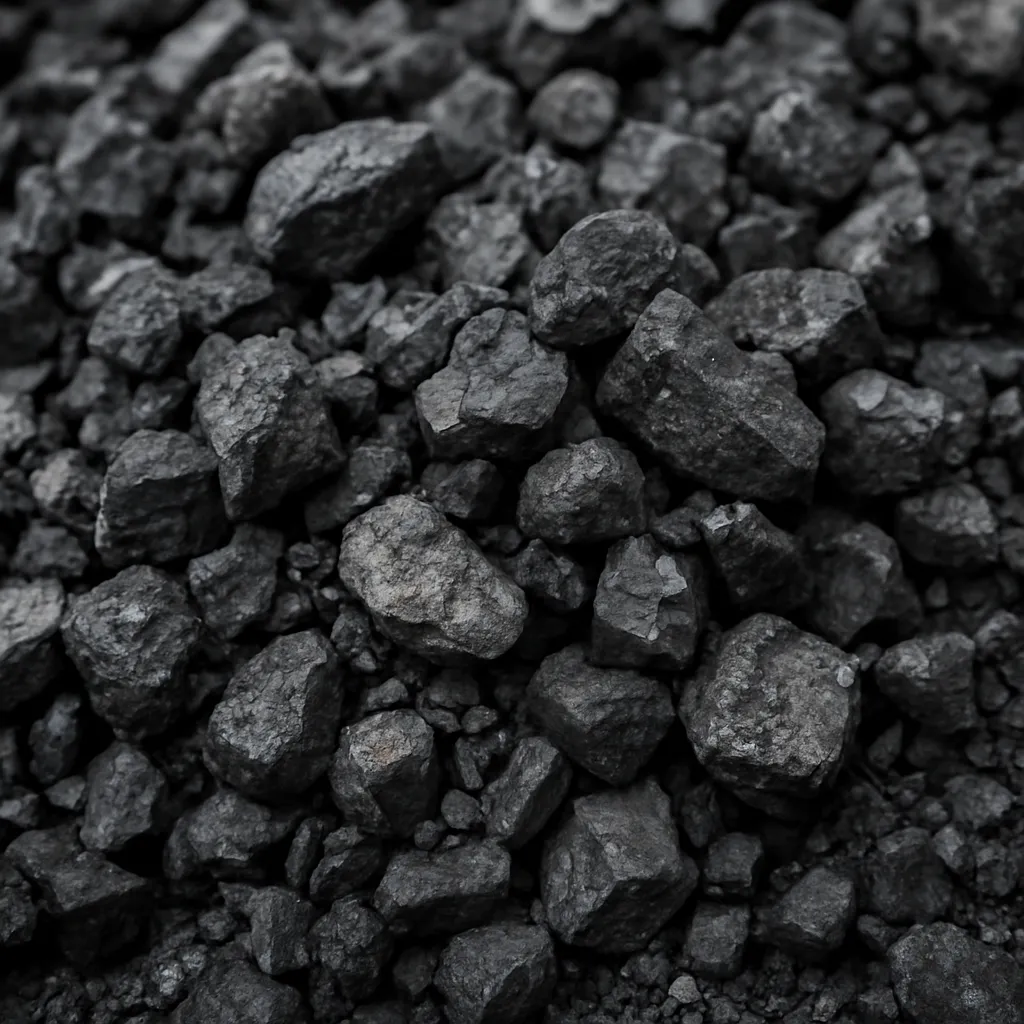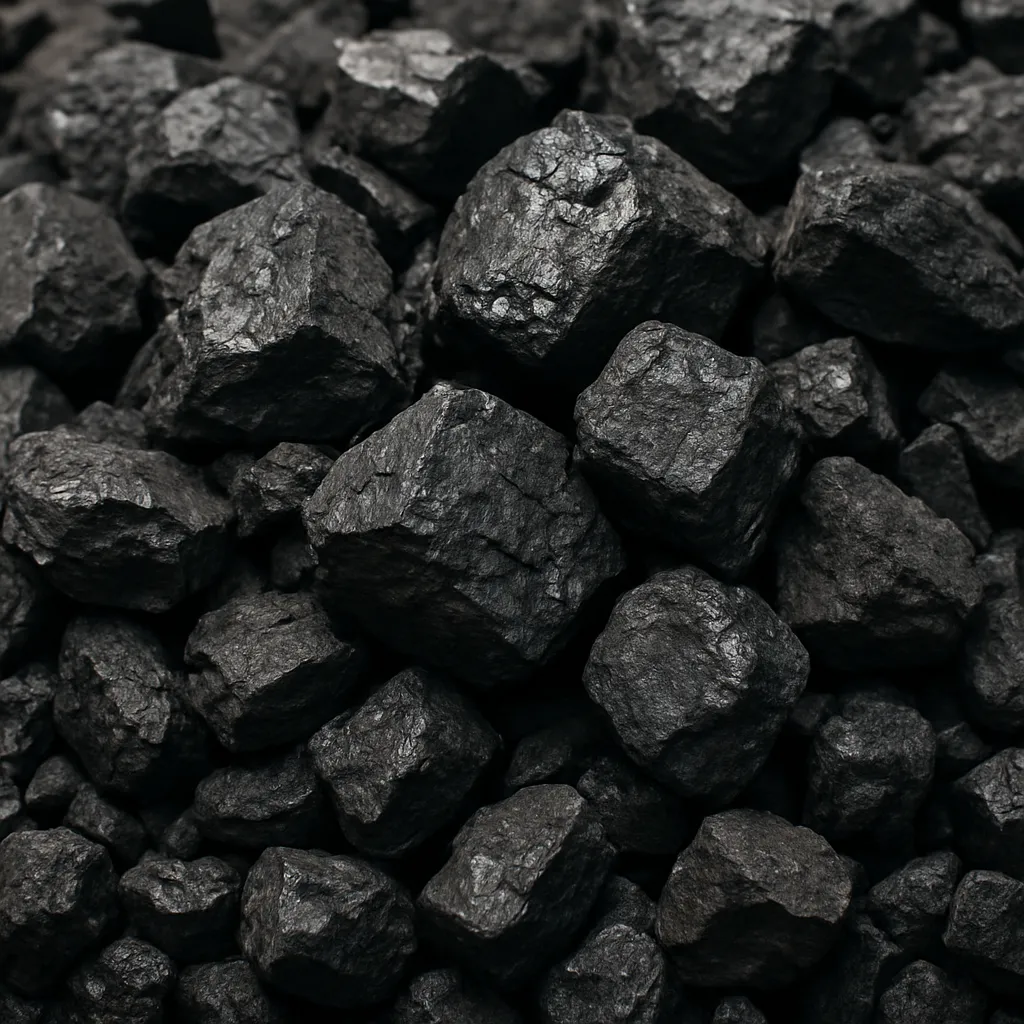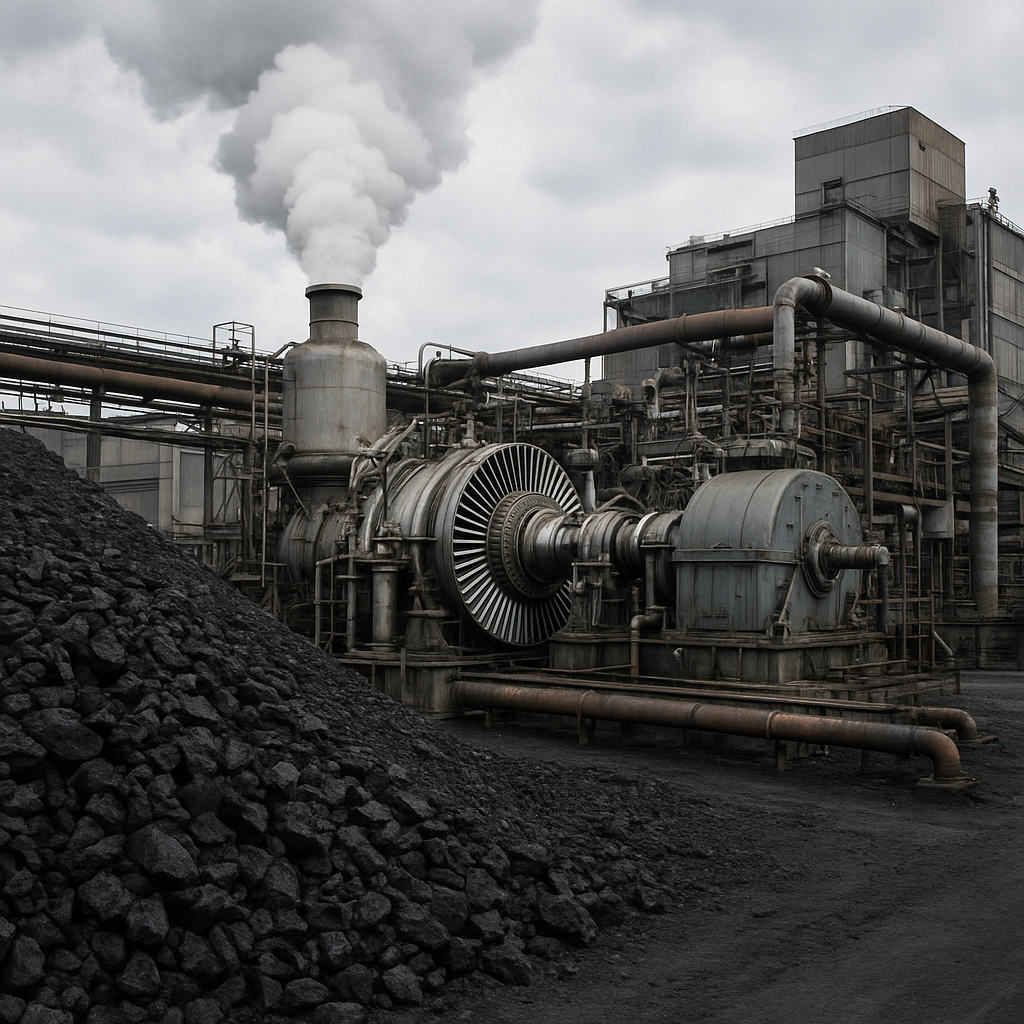
This article examines steam (thermal) coal — the grade of coal primarily used to produce steam for electricity generation in steam turbines. It covers what this coal is, where it is found and mined, economic and statistical information, its role in industry, environmental considerations, and likely future developments. The aim is to provide a comprehensive, factual overview useful for energy professionals, students, policy makers and general readers interested in the global coal landscape.
What is steam (thermal) coal and how is it classified?
Steam coal (also called thermal coal) is a category of coal whose main use is to generate electricity and heat by producing steam that drives turbines. It differs from metallurgical (coking) coal, which is used in steelmaking. Steam coal spans a range of coal ranks — from sub-bituminous through bituminous, and sometimes lower-quality anthracite consignments — characterized by differing calorific values, moisture content, and volatile matter.
Key physical and chemical parameters that determine the suitability of coal for steam turbines include: gross calorific value (higher heating value), ash content, moisture, sulfur content and volatile matter. Typical steam coal calorific values range roughly from 15 to 30 MJ/kg (approximately 3,600–7,200 kcal/kg); higher values give more energy per ton, while low moisture and ash improve combustion efficiency and reduce transportation of inert material.
Steam-coal quality descriptors:
- Calorific value — energy content per unit mass, influencing fuel cost per MWh.
- Ash content — determines residue and handling requirements.
- Sulfur and trace elements — affect flue-gas emissions and need for emission-control equipment.
- Moisture — lowers heating value and increases transport cost per unit of energy.
Where steam coal occurs and where it is mined
Coal formed from ancient plant matter in sedimentary basins is distributed across all continents except Antarctica. Steam coal deposits are most commonly found in large sedimentary basins associated with continental interiors and rift basins. Mining takes place both in open-pit (surface) mines and underground mines; the dominant method depends on the depth and geometry of the deposit.
Major producing countries and basins
Production and reserves are geographically concentrated. The largest producers and consumers of steam coal are typically the same countries, because coal is bulky and costly to transport relative to its energy value. The most important regions and countries include:
- China — home to the largest production and consumption; major basins include Shanxi, Inner Mongolia and Shaanxi.
- India — significant domestic production from Jharkhand, Odisha, Chhattisgarh and West Bengal; large and growing thermal fleet.
- United States — Powder River Basin (Wyoming, Montana) is a massive source of low-sulfur sub-bituminous steam coal; Appalachian basins produce higher-rank steam coal.
- Indonesia — major exporter of thermal coal, especially from Kalimantan and Sumatra; many mines are open-pit.
- Australia — large export-oriented mines in Queensland and New South Wales (Hunter Valley); exports serve East Asian markets.
- Russia — Kuzbass and other Siberian basins; significant domestic use and exports.
- South Africa — Mpumalanga region supplies domestic power sector and regional exports.
Typical site characteristics:
- Surface mining dominates where seams are shallow: lower extraction cost per ton and large-scale truck-and-shovel or dragline operations.
- Underground mining (longwall, room-and-pillar) is used for deeper seams and produces higher-rank coals in some basins.
- Wash plants and coal preparation are common to improve product quality (reduce ash and impurities) for power-station specifications.
Economic and statistical overview
Steam coal has been a cornerstone of electricity systems worldwide for more than a century. It is a globally traded commodity with domestic markets strongly influenced by national energy policy, access to alternative fuels, and the relative cost of transport. Below are broad statistical and economic observations (figures are indicative and reflect general patterns observed in the 2010s–early 2020s).
Production and consumption trends:
- Production concentration — A small set of countries produces and consumes the bulk of world coal. China alone accounts for around half of global production and consumption; India is the second-largest consumer, with rapid growth in the 2000s and 2010s driven by power demand.
- Global annual coal production has ranged in the ballpark of several billion tonnes per year; production increased in the early 21st century, plateaued at times, and showed renewed demand during periods of low gas supply or high gas prices.
- Trade patterns — Australasia (Australia and Indonesia) are the largest exporters of thermal coal; East Asia (China, Japan, South Korea, Taiwan) and South/Southeast Asia (India, Bangladesh, Vietnam) are major importers.
Prices and markets:
- Steam coal prices are volatile and tied to global energy markets, freight rates, and substitution with natural gas. Price indices often quoted include API4 (Newcastle, Australia) for thermal coal exports and regional spot prices for inland markets.
- In times of tight gas supply or high gas prices, demand for steam coal can surge (coal competes as an alternative fuel for power generation), causing price spikes and increased volatility.
Employment and economic significance:
- Coal mining and coal-fired power generation are major employers in mining regions, providing direct jobs in extraction and processing and indirect employment through the supply chain (transport, ports, equipment).
- In many coal-producing regions the fuel represents a large fraction of local GDP and state revenues, making transitions away from coal a complex socio-economic challenge.
Role in power generation and industrial uses
Steam coal’s primary role is to provide steam for turbines in thermal power plants. Design and operation of plants are optimized around the coal’s properties and desired efficiency.
Coal-fired power plant technologies
Steam plants vary by steam conditions and cycle efficiency:
- Subcritical plants — operate at lower steam pressure and temperature; thermal efficiencies typically 33–37% (net electrical conversion).
- Supercritical plants — higher temperature and pressure, with efficiencies about 37–40%.
- Ultra-supercritical (USC) and advanced ultra-supercritical — operate at very high steam temperatures/pressures and can reach efficiency levels of 42–46% or more; increasing efficiency reduces coal consumption and CO2 per MWh.
Higher-efficiency units and better coal handling and combustion controls reduce fuel consumption, emissions per unit of electricity, and operating costs. Combined heat-and-power (CHP) plants use steam coal for both electricity and useful heat in industrial or district-heating applications, improving overall fuel utilization.
Other industrial uses
While metallurgical coal is central to steelmaking, some steam coal finds use in cement kilns and certain industrial furnaces where reliable heat is required. However, many industrial users seek alternatives (natural gas, biomass, electrification) as cleaner options become more economical or mandated by regulation.
Environmental impacts and mitigation measures
Coal combustion produces greenhouse gases and a suite of local air pollutants. Steam coal is responsible for a significant share of global CO2 emissions from the energy sector because of its large role in power generation worldwide.
Key environmental impacts:
- CO2 emissions — Coal has the highest CO2 emissions per unit of energy among major fossil fuels; this makes coal central to climate mitigation debates.
- Air pollutants — SO2, NOx, particulate matter (PM), and trace metals (mercury) are emitted from coal combustion unless controlled with scrubbers, selective catalytic reduction (SCR), electrostatic precipitators or baghouses.
- Solid waste — Fly ash, bottom ash, and gypsum from flue-gas desulfurization require disposal or beneficial reuse (e.g., cement) and can pose environmental risks if not managed properly.
- Mining impacts — land disturbance, water usage, acid mine drainage, and biodiversity loss are associated with both surface and underground mining.
Mitigation and cleaner technologies:
- End-of-pipe controls (FGD, SCR, PM removal) substantially reduce local air emissions, improving public health outcomes.
- High-efficiency plant technology (supercritical/USC) reduces CO2 per MWh by improving fuel-to-electricity conversion.
- CCS (carbon capture and storage) and CCUS (carbon capture, utilization and storage) are technically capable of reducing CO2 from coal plants, but they involve high capital and operating costs and require suitable storage or utilization pathways.
- Co-firing biomass or hydrogen blending is being piloted in some plants to lower lifecycle emissions.
Trade flows, logistics and quality specifications
Because steam coal is bulky, transport logistics are crucial. Global trade flows are shaped by port infrastructure, rail networks, barge systems, and the distance between mines and power plants. Export-oriented producers invest heavily in rail and port capacity; importing utilities require consistent delivery schedules and quality specifications to run large thermal units.
Quality specifications in contracts typically include:
- Gross calorific value (on an as-received or dry basis)
- Ash and moisture content
- Sulfur and trace element limits
- Size distribution and foreign-matter limits
Major export hubs:
- Newcastle (Australia) — major benchmark point for thermal coal exports.
- Indonesian ports (Banjarmasin, Taboneo, etc.) — gateway for seaborne thermal coal to Asia.
- Richmond/Gladstone ports in Queensland — serve large Queensland mines.
Statistics and noteworthy figures (indicative)
A number of persistent statistical patterns are useful to know:
- Production concentration: China produces and consumes the largest share of the world’s coal; its domestic production often exceeds combined outputs of several other large producers.
- Exports: Indonesia and Australia compete as the world’s largest exporters of thermal coal, with Indonesia typically serving lower-cost, lower-calorific coal markets in Asia while Australia supplies a wide range of qualities to higher-value markets.
- Electricity share: Historically, coal-fired generation provided roughly a third to 40% of global electricity; the exact share changes by year and region as renewables and gas grow and as policies evolve.
Because markets shift and official databases are updated annually, readers should consult the latest IEA, World Coal Association, or national statistical agencies for up-to-date tonnages, trade balances and reserve estimates. These organizations publish detailed year-by-year breakdowns for production, consumption, trade and installed coal-fired capacity.
Future outlook, trends and interesting developments
The future of steam coal is shaped by a mix of economic, technological and policy drivers:
Trends affecting demand:
- In advanced economies, coal-fired generation is generally declining as older plants are retired and renewable energy plus gas and storage expand.
- In many emerging economies, coal demand can remain robust where grid expansion, industrialization and affordability favor coal over alternatives in the short to medium term.
- Volatility in gas markets and geopolitical events can temporarily increase coal demand as power systems switch to available fuel sources.
Technological and policy responses:
- Improvements in thermal efficiency (USC and beyond) reduce CO2 intensity per MWh and will be selectively adopted where investment and fuel economics justify it.
- CCS technologies could enable continued operation of some coal plants with lower emissions, but deployment remains limited by cost and infrastructure needs.
- Policies such as carbon pricing, stricter emissions limits, and finance restrictions on coal projects are reducing new coal investments in many jurisdictions.
Interesting facts:
- Steam coal is one of the few major energy commodities where the producing countries and consuming countries overlap extensively — China produces much of what it consumes, which insulates its market from international price moves to some degree.
- The quality and rank of coal from neighboring mines can vary enough that modern power plants often rely on coal blending strategies to meet combustion and emissions targets.
- Some of the world’s largest man-made landscapes (spoil heaps, open cuts) and infrastructure projects (dedicated heavy-haul railways and bulk port terminals) have been created primarily to support the thermal coal industry.
Concluding observations
Steam (thermal) coal remains a major global energy source because of its widespread availability, established logistics and low upfront capital cost for thermal plants relative to some alternatives. However, its future trajectory is uncertain and regionally differentiated: in some regions, coal use is shrinking rapidly under climate policies and competitive alternatives; in others, coal continues to support grid reliability and economic development. Advances in plant efficiency, emissions controls and carbon management technologies can reduce per-MWh impacts, but broader climate goals and evolving markets will strongly influence how large the role of coal in power systems will be over the coming decades.