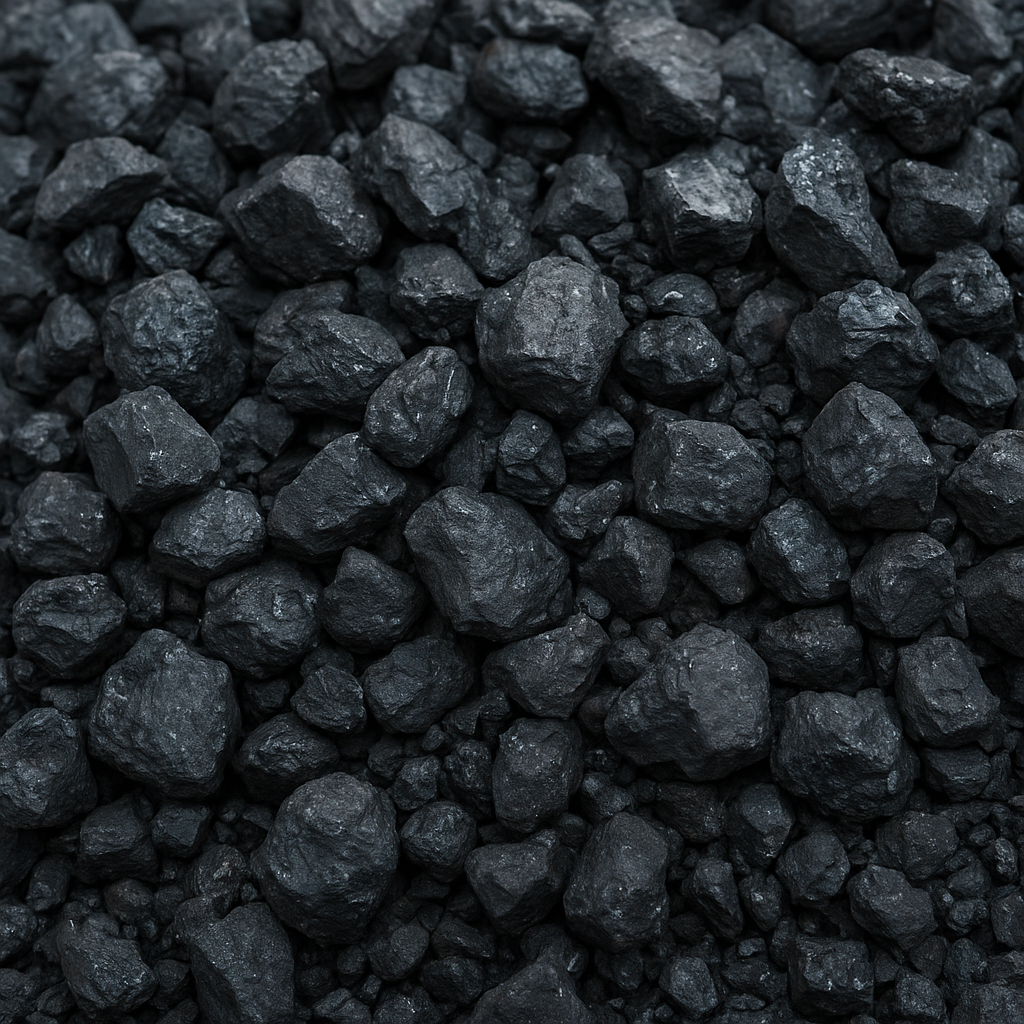
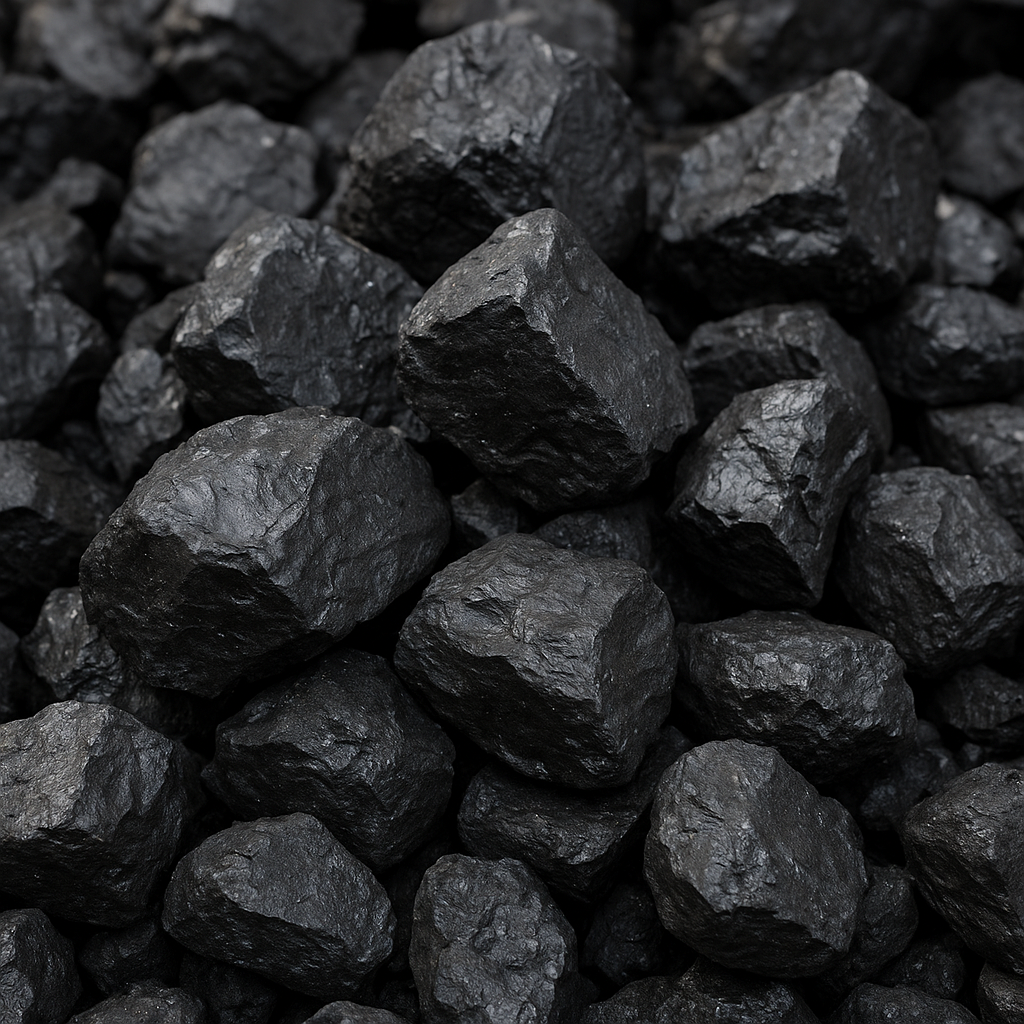
Steam-raising coal, often referred to as steam coal or thermal coal, is the class of coal primarily used to generate steam for electricity production and industrial heat. This article examines its geological characteristics, global distribution, mining and processing methods, economic importance, trade patterns, environmental consequences, and likely future. The goal is to provide a comprehensive, up-to-date overview useful to policymakers, industry professionals, students and the general public.
Geology, types and technical characteristics
Coal formed from ancient plant material buried and compacted over millions of years. Different coal ranks—peat, lignite, sub-bituminous, bituminous and anthracite—reflect varying degrees of carbon concentration and energy content. Thermal coal typically includes sub-bituminous and bituminous coals and, in some contexts, lower-rank lignite when used locally in power stations. It is distinguished from metallurgical (coking) coal by its lower fixed carbon content and by being burned to produce steam rather than coke for steelmaking.
Key technical properties that determine the value of steam-raising coal are calorific value (energy per unit mass), moisture, ash content, sulfur content and the presence of impurities such as chlorine and mercury. High calorific value and low ash and sulfur are preferred because they increase boiler efficiency and reduce operational costs and emissions. Coal is often blended and washed to meet power plant specifications and market benchmarks.
Where steam coal is found and how it is mined
Coal basins occur in many regions worldwide where Carboniferous, Permian and younger sedimentary rocks are present. Deposits are found in China, the United States, India, Australia, Russia, South Africa, Colombia, Poland and Indonesia among others. The geological setting determines deposit depth and mining method:
- Open-pit (surface) mining is used where seams are near the surface; it is the dominant method for large low-cost operations and accounts for a large share of global production in countries like Australia, Indonesia and parts of the US.
- Underground mining (longwall and room-and-pillar) is used where seams are deeper; it is common in China, Russia, Poland and parts of the USA.
- Small-scale and artisanal mining occurs in many developing countries and can be significant locally but often lacks safety and environmental controls.
After extraction, steam coal may be beneficiated (washed) to remove ash and impurities, crushed and blended to produce consistent fuel that matches the requirements of power plants and shipping trade specifications.
Global production, consumption and trade patterns
Coal remains one of the world’s largest energy commodities. Global coal production has varied year to year but generally sits in the range of approximately 7–8.5 billion tonnes per year in the early 2020s. A substantial portion of that is used as steam coal for electricity generation and heat. While figures differ by source and year, the following patterns are consistent:
- China is the largest producer and consumer of coal worldwide, producing several billion tonnes per year and using coal for the majority of its electricity generation.
- India is another major consumer and producer, with domestic production supplemented by imports to meet quality or supply gaps.
- Major exporters of thermal coal include Indonesia, Australia, Russia (until 2022–2023 trade disruptions), Colombia and South Africa. Indonesia is often the largest exporter of thermal coal by volume due to large surface-mined deposits and proximity to major Asian buyers.
Trade flows are driven by price differentials, quality, freight costs and regional demand. Asia (China, India, Japan, South Korea, Taiwan and Southeast Asia) accounts for the majority of global thermal coal imports and demand growth through the 2010s and into the early 2020s.
Benchmarks and pricing
Steam coal prices are tracked by regional benchmarks. Important indices include the Newcastle spot price (Australia), the API2 (Aarhus) and API4 (Richards Bay) indices. Prices are sensitive to global economic conditions, power demand, natural gas prices (which compete with coal in electricity generation), shipping costs and geopolitical events. The 2021–2022 energy crisis and disruptions following the Russia–Ukraine war produced historic price spikes in many coal markets; spot thermal coal prices moved from historically low levels in 2020 to very high volatility in 2021–2022, then moderated in 2023 as supply adjusted.
Economic roles and importance in industry
Steam-raising coal plays several central economic and industrial roles:
- Electricity generation: Coal-fired power plants remain a backbone of electricity systems in many countries, providing baseload and dispatchable power. In regions with abundant domestic coal, it also supports energy security and lower generation costs than imported fuels.
- Industrial heat: Many industries—cement, paper, chemicals, textiles and some manufacturing sectors—use coal-fired boilers for process heat.
- Employment and regional development: Coal mining and coal-fired power plants create jobs directly in mining, transport and power generation and indirectly through supply chains, especially in regions with few alternative industries.
- Government revenues: Mining royalties, corporate taxes and export earnings can be substantial for some producing countries.
On the macroeconomic level, thermal coal affects trade balances. Countries that export steam coal earn foreign exchange and support port, rail and shipping sectors. Conversely, importing countries manage energy security risks and the fiscal impacts of volatile global prices.
Statistical snapshot (approximate and indicative figures)
Below are indicative numbers reflecting the global role of coal in the early 2020s. Because production and trade change annually and sources differ, treat these as order-of-magnitude figures rather than precise measurements:
- Global coal production: ~7–8.5 billion tonnes per year (early 2020s).
- Share used as thermal (steam) coal: roughly 55–70% of total coal consumption, depending on the year and definitions used.
- Top producing countries (approximate annual production): China (several billion tonnes), India (700–900 million tonnes), United States (400–700 million tonnes), Australia (400–500 million tonnes), Indonesia (producing volume smaller but with very high export share).
- Major thermal coal exporters (annual exports, approximate): Indonesia (~350–650 million tonnes depending on year), Australia (~200–300 million tonnes), Russia (~150–200 million tonnes pre-2022), Colombia (~80–100 million tonnes).
- Coal in electricity generation: coal supplies about 35–40% of global electricity in many datasets in early 2020s, with large regional variation.
- CO2 emissions associated with coal: coal combustion is a leading single source of energy-related CO2; coal-based emissions are on the order of ~13–15 GtCO2 annually in recent years (as an approximate magnitude within global energy-related emissions).
Regional case studies and trends
China
China dominates thermal coal consumption and production. Its power system historically relied heavily on coal-fired plants for economic growth and industrialization. China’s domestic production and strategic stocks reduce import dependence, but it still imports coal to meet quality needs and to supply coastal power plants. Policy efforts aim to balance energy security, local air pollution control and climate commitments, influencing both domestic mining and imports.
India
India’s rapidly growing electricity demand makes thermal coal central to its energy mix. Domestic reserves are significant but mineral quality limitations and logistical bottlenecks create a role for imports. India faces strong pressures to balance energy access and economic development with pollution control and international climate commitments.
Indonesia and Australia
Indonesia is the world’s largest thermal coal exporter by volume in many recent years. Its low-cost, high-moisture thermal coal is competitive in Asian markets. Australia exports both thermal and metallurgical coal and benefits from well-developed mining, port and shipping infrastructure. These exporters are sensitive to demand from Asia and to geopolitical and logistical factors (port capacity, shipping rates, weather, labor availability).
Environmental and social impacts
Steam coal is at the center of many environmental and social debates because of its impacts:
- Greenhouse gases: Combustion of coal is a major source of CO2 and contributes substantially to global warming. Reducing coal consumption is therefore a key target in climate policy.
- Air pollution: Coal combustion emits sulfur dioxide (SO2), nitrogen oxides (NOx), particulates (PM) and mercury, causing health and environmental damage. Technologies such as flue gas desulfurization, selective catalytic reduction and particulate filters reduce emissions but increase costs.
- Local environmental impacts: Mining can cause land disturbance, water pollution, subsidence (underground mining) and impacts on biodiversity. Rehabilitation and regulatory enforcement vary by country and company.
- Social challenges: Communities reliant on coal face employment and socio-economic risks when mines or power plants close. Fair transition policies are essential to mitigate social impacts.
Technological responses include higher-efficiency, lower-emission coal plants (supercritical and ultra-supercritical technologies), carbon capture and storage (CCS), co-firing with biomass and improvements in emissions control. However, CCS remains costly and has limited commercial deployment for power-scale thermal coal plants as of the early 2020s.
Markets, contracts and risk management
Steam coal is traded on spot markets and under long-term contracts. Buyers include utilities, independent power producers (IPPs), industrial users and traders. Contract structures influence how price volatility affects buyers and sellers. Hedging through futures and options is common in regions with developed marketplaces. Logistic considerations—rail capacity, port throughput, shipping freight rates and bunkering—are often as critical as mine production capacity for delivering coal to power plants on time.
Future outlook and scenarios
Projections for steam coal diverge greatly depending on policy choices and technological progress:
- In a business-as-usual or “stated policies” scenario where many existing plans continue, coal demand can remain stable or decline slowly in developed markets while staying robust in parts of Asia and Africa for decades due to affordability and energy access needs.
- Under accelerated decarbonization scenarios aligned with the Paris Agreement or a net-zero by mid-century pathway, coal demand declines sharply as renewables, storage, gas (in the short term) and nuclear displace coal, and as CCS deployment increases only where economics and policy support it.
- Short- to medium-term volatility is likely due to economic cycles, fuel switching (gas vs coal), weather-driven variations in renewables output, and geopolitical events affecting supply chains.
Key uncertainties include the pace of renewable energy build-out, electricity storage costs and scale, policy measures such as carbon pricing, the economics and deployment rate of CCS, and socio-political choices around just transitions for coal-dependent regions.
Technological and policy developments
Several technological and policy avenues are relevant to steam coal:
- Efficiency improvements: Replacing older plants with supercritical and ultra-supercritical units reduces fuel use per MWh and emissions intensity.
- Carbon capture: Power-sector CCS could, in principle, decarbonize some coal generation, but cost, energy penalties and limited large-scale commercial projects constrain near-term deployment.
- Fuel switching and co-firing: Utilities may switch to gas where available or implement biomass co-firing to lower net emissions.
- Market and policy instruments: Carbon pricing, stricter emissions standards, and subsidies for low-carbon alternatives change the competitiveness of steam coal.
Implications for stakeholders
Governments, companies and communities must balance multiple objectives: ensuring reliable and affordable energy, protecting public health and the environment, promoting economic development and meeting climate commitments. Typical stakeholder actions include:
- Producers investing in mine safety, efficiency and rehabilitation funds.
- Utilities diversifying generation portfolios, investing in flexibility and emissions controls, and planning retirements or retrofits for coal plants.
- Policymakers designing social safety nets, retraining programs and economic diversification for coal-dependent regions.
Interesting and lesser-known facts
- “Steam-raising” as a term historically comes from the coal’s primary use in steam boilers for locomotives, ships and stationary power plants; the phrase persists in technical and legal contexts in some countries.
- Coal quality varies not just by rank but by basin; two coals with similar calorific values can behave differently in a boiler because of ash fusion temperatures and trace element contents.
- Large coal stockpiles at ports and power plants have strategic value in reducing short-term supply risk but can pose environmental and dust-control challenges.
- In some countries, “merchant” coal markets are thin and bilateral long-term contracts still dominate major supply relationships between mines and utilities.
Conclusions
Steam-raising coal continues to be a major global commodity with powerful economic, social and environmental effects. While long-term decline in many regions is probable as decarbonization advances, thermal coal remains a critical fuel for electricity generation and industry in many countries today. The pace of technological change, market responses and policy implementation will determine how quickly coal’s role diminishes and how societies manage the transition for regions and workers dependent on coal.
Understanding the complex interplay of geology, markets, technology and policy is essential for informed decision-making about the future of steam coal and the energy systems it supports.