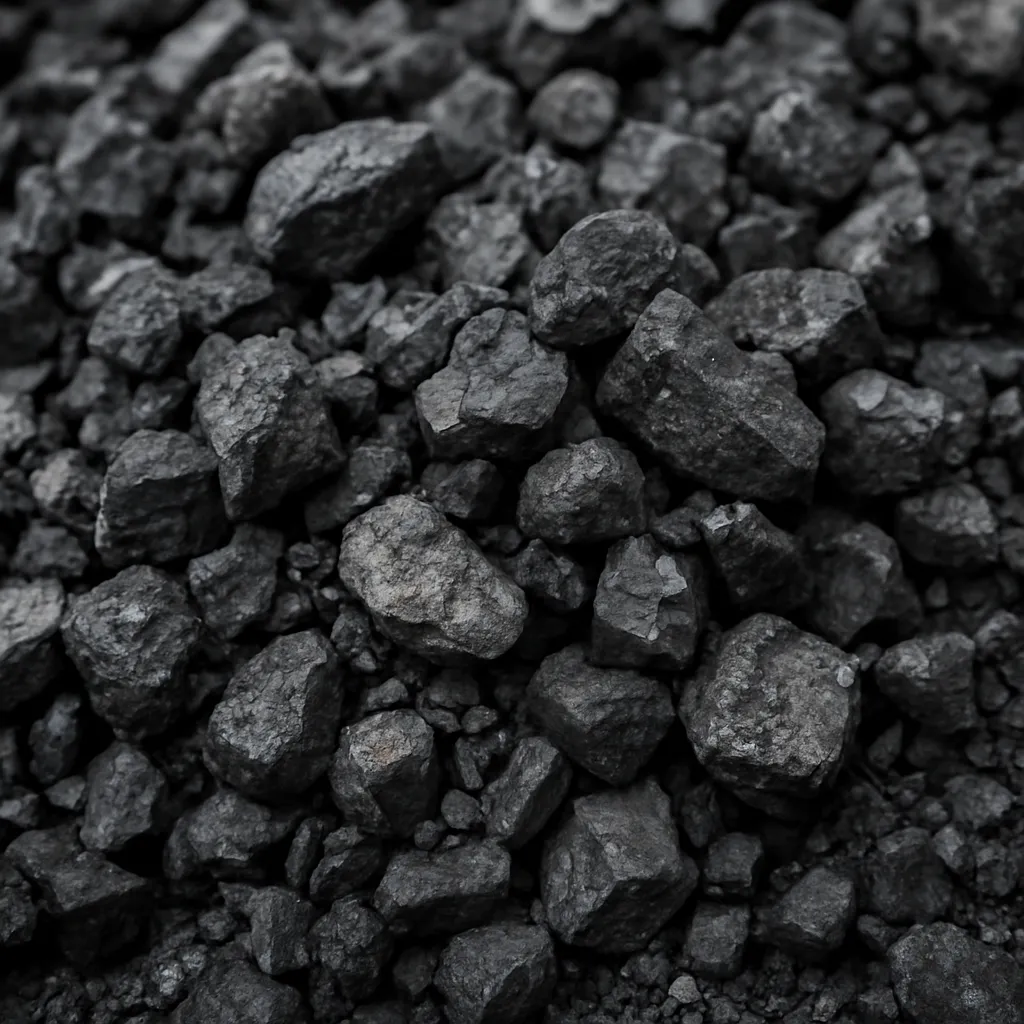
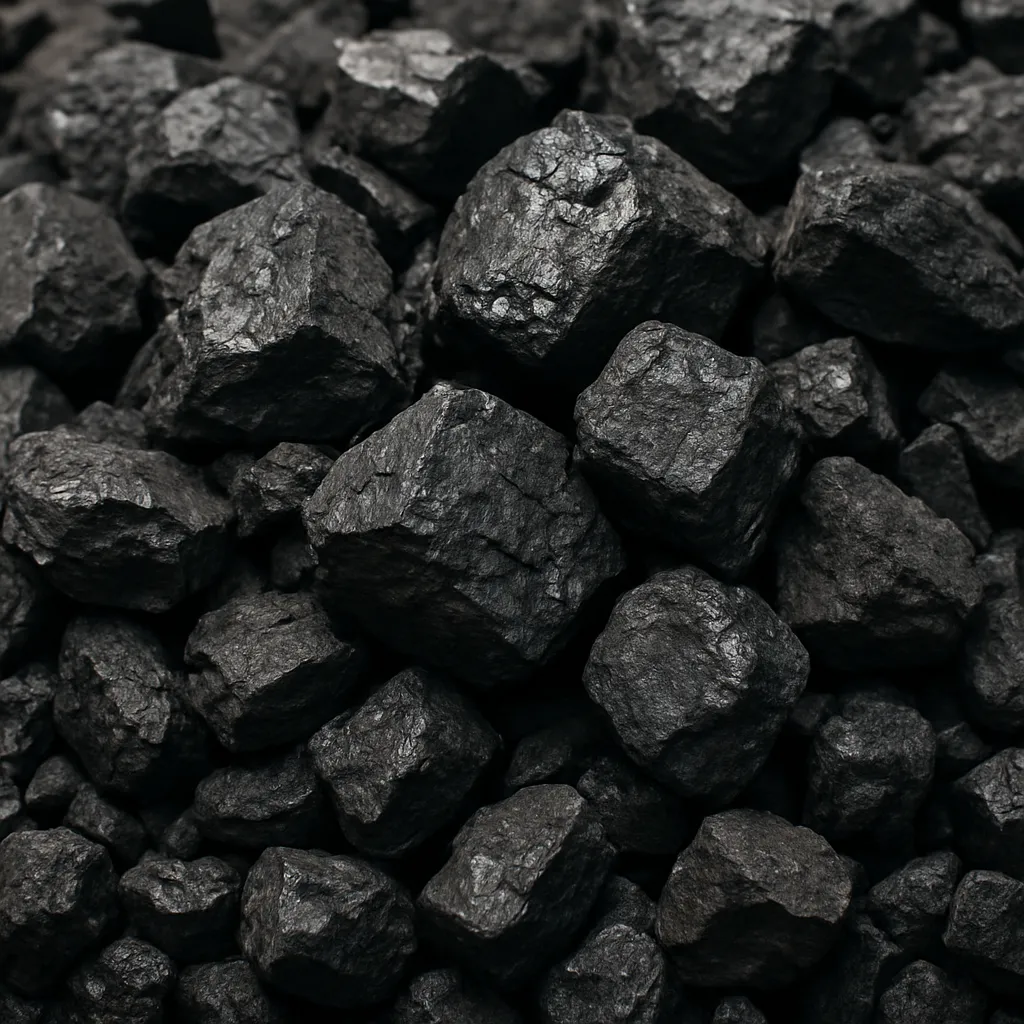
Short-flame coal is a distinct category within the broad family of coals, recognized in some regions and markets for its specific combustion behavior and material properties. This article explores what characterizes this type of coal, where it is found and mined, its economic and industrial importance, and the broader market and environmental context in which it exists. The aim is to provide a comprehensive overview useful for industry professionals, policymakers and interested readers.
Characteristics and classification: what is short-flame coal?
Short-flame coal is commonly identified by the way it burns: it produces a relatively short, intense flame rather than a long, luminous one. This combustion behavior is a surface manifestation of underlying petrographic and chemical traits. In technical terms, short-flame coal typically exhibits lower volatile matter content and higher proportions of fixed carbon, though there is variation within the category depending on rank and geological history. As a result, short-flame coal often has a higher calorific value per unit mass than long-flame or low-rank coals, but it can be harder to ignite and may require different furnace or stove designs for efficient use.
- Physical traits: higher density, harder texture, often darker and more lustrous than low-rank coals.
- Chemical traits: reduced volatile hydrocarbons, elevated carbon content, variable mineral matter (ash).
- Combustion behavior: short intensive flame, slower devolatilization, and sometimes a tendency to produce hot embers rather than sustained open flame.
- Usability: suitable for applications that favor concentrated heat output and stable bed combustion (e.g., certain industrial furnaces and some domestic appliances designed for hard coals).
It is important to note that terminology and classification systems differ by country. In some national markets (notably in Central and Eastern Europe), the terms “short-flame” and “long-flame” are used in retail and regulatory contexts to describe household heating coals. Internationally, coal is more commonly categorized by rank (lignite, sub-bituminous, bituminous, anthracite) and by technical indices (calorific value, volatile matter, ash, sulfur), so “short-flame” is sometimes an overlay on those classifications rather than a separate scientific rank.
Geological occurrence and major producing regions
The geological conditions that create coals with short-flame behavior are linked to the original plant material, the depth and temperature of burial, and subsequent metamorphism. Higher rank coals—high-volatile bituminous through anthracite—tend to have lower volatile matter and consequently a tendency toward shorter, more intense flames when combusted. Because of this, many mining districts known for harder coals will include seams that qualify as short-flame.
- Central and Eastern Europe: Many deposits in Poland, the Czech Republic and parts of Germany historically produced hard bituminous coals used for industrial fuel and domestic heating. In Polish market slang, short-flame grades are commonly traded for household stoves and small boilers.
- Russia and Ukraine: Large basins such as the Kuznetsk Basin (Kuzbass) in Russia and Donbas in Ukraine contain a wide range of coal ranks, including seams that can produce short-flame behavior. These coals have been important for power generation and industrial fuel for decades.
- United States: Certain segments of the Appalachian and Illinois Basin coals include higher-rank bituminous seams. While “short-flame” is not a dominant market label in U.S. trading, material with similar properties is present.
- Australia: The major export coals are typically lower in rank for metallurgical uses or thermal exports, but some higher-rank Australian coals display short-flame characteristics and are marketed for specific industrial applications.
- China and India: Both countries have diverse coal basins. Pockets of higher-rank coals with short-flame traits can be found, though the dominant domestic coals used for power in these countries tend to be lower rank thermal coals.
Occurrence is therefore widespread but ubiquitous labeling as “short-flame coal” is regional. Geological surveys and mine reports typically describe the proximate and ultimate analysis (carbon, hydrogen, oxygen, nitrogen, sulfur, ash) and petrographic content; these data allow engineers to predict flame behavior more reliably than a single market label.
Mining, production and economic context
Production volumes specifically classified as short-flame coal are not consistently separated in international reporting. Global statistics usually aggregate production by rank and by destination (thermal vs. metallurgical). Nevertheless, the economic role of short-flame coal can be understood by looking at the segments in which it participates: domestic heating markets, certain industrial processes, and niche industrial fuel markets that require concentrated heat output or specific combustion behavior.
Global coal production in the early 2020s remained in the range of several billion tonnes annually. Major producing countries included China (the world’s largest consumer and producer), India, the United States, Indonesia, Australia and Russia. For perspective, China’s coal consumption often exceeds 3.5–4.0 billion tonnes per year, while India consumes close to 1 billion tonnes. Australia is one of the largest exporters with export volumes commonly in the hundreds of millions of tonnes per year. These aggregated figures place the market for specialty coals like short-flame within a very large global industry.
- Domestic markets: In countries with longstanding coal traditions, small-scale retail sales of hard coals for household heating can be a meaningful market. Price sensitivity, logistics and seasonal demand cycles strongly influence these sales.
- Industrial buyers: Brickworks, lime kilns, small metallurgical plants and certain types of boilers may procure short-flame coal specifically for its combustion profile and heat density.
- Pricing: Prices vary widely by grade, location, and transport costs. Higher-rank coals often command premiums over low-rank thermal coals. In local markets, short-flame household coal can be priced based on size fractions, ash content and moisture.
In regions such as Poland, where domestic coal mining historically played a major role, short-flame grades formed part of the retail mix sold to households. Poland’s hard coal production declined from peaks of more than 100 million tonnes several decades ago to around 30–40 million tonnes in recent years as mines closed and imports changed market dynamics. Similarly, Russia’s large basins produce a range of coals where short-flame types are part of broader output measured in the hundreds of millions of tonnes annually.
For businesses, the economic calculus of short-flame coal depends on consistent quality, local transport costs, and regulatory constraints (emission limits, particulate controls). Small retail markets are particularly sensitive to seasonal price swings and policy measures encouraging fuel switching.
Industrial significance and applications
Short-flame coal serves a collection of niche but important roles in industry and residential heating. Its relatively concentrated heat output and stable ember bed are useful in several contexts.
- Domestic heating: In households equipped with stoves or boilers designed for hard coal, short-flame coal can provide high heat output and long burn times when combusted properly. Proper grate design and air control are critical for efficient combustion.
- Industrial heat processes: Industries that require high-temperature point heat (e.g., certain ceramic kilns, lime production, small-scale metallurgy) may favor short-flame coal grades for predictable thermal behavior.
- Blending: Short-flame coal can be blended with other coals to achieve desired combustion profiles in power plants or to meet specific metallurgical feedstock criteria. Blending strategies aim to optimize calorific value, reduce emissions, and manage slagging or fouling tendencies.
- Backup fuel: In regions with uncertain natural gas supplies, coal with short-flame properties can be used as a backup industrial fuel for boilers and district heating in specially designed installations.
While some higher-rank short-flame coals can be suitable for partial use in coking blends, most high-quality metallurgical coke production demands specific caking properties and plasticity that are not universally present in short-flame coals. Consequently, metallurgical applications require detailed laboratory evaluation before a given seam can be considered coking-quality.
Environmental, health and regulatory aspects
Coal combustion, regardless of flame characteristics, raises environmental and public health concerns that influence how short-flame coal is produced and used. The main issues are airborne pollutants (particulate matter, sulfur oxides, nitrogen oxides), carbon dioxide emissions, and ash residues. Some important considerations:
- Emissions: Because short-flame coal often has higher fixed carbon and lower volatiles, combustion may produce different proportions of particulate and gaseous pollutants compared with long-flame, high-volatile coals. However, any coal combustion without adequate emission controls contributes to PM2.5 and greenhouse gas emissions.
- Domestic burning: Household use of coal—especially in older stoves or inefficient boilers—can be a major local source of air pollution. Cities and regions that historically relied on retail coal have introduced regulations, subsidies for stove replacement, or fuel-switching incentives to reduce urban smog and health impacts.
- Ash and waste: The mineral content of short-flame coal affects the quantity and quality of ash. High-ash coals increase handling costs and can influence disposal or reuse options (e.g., in construction materials).
- Regulation and transition: Many countries are implementing stricter emissions standards and incentivizing electrification or gas conversion for heating. These policies reduce future domestic markets for all solid fuels, including short-flame coal, but there remain transitional niches where coal use persists.
From a climate perspective, all coal types are carbon-intensive relative to low-carbon alternatives. Policy measures—carbon pricing, emission trading systems, and direct regulations—change the economics of coal use. Industrial operators using coal are increasingly required to adopt flue gas cleaning technologies or consider fuel switching to less carbon-intensive fuels.
Market trends, technological developments and future outlook
The future of short-flame coal is shaped by several intersecting forces: global energy transition policies, local heating habits, industrial demand, and logistics. Key trends include:
- Declining residential use in many countries: Urban air quality policies and subsidy programs favoring gas or electric heating have markedly reduced household coal consumption in parts of Europe and North America.
- Niche industrial demand: As broader coal demand for power generation fluctuates, industrial niches that rely on solid fuels may sustain local markets for short-flame grades for longer than residential markets.
- Quality-driven pricing: Buyers place a premium on consistent calorific value, low ash and low sulfur. Mines that can offer stable specifications retain market advantage.
- Technological adaptation: Improved stove and boiler designs can enable more efficient and cleaner combustion of short-flame coal, mitigating some environmental impacts in legacy-use scenarios.
- Supply chain influences: Transport costs, export infrastructure and geopolitical factors (sanctions, trade agreements) can shift which producers serve particular markets.
Given the strong policy pressure to decarbonize, the overall long-term trajectory for coal is downwards in many jurisdictions. However, regional differences remain wide: where coal resources are abundant and alternative fuels are expensive, coal (including short-flame grades) can persist as a cost-effective option for industrial heat and rural heating. In addition, technologies such as carbon capture and storage (CCS) could—if commercialized at scale—alter the calculus for coal use in certain industrial sectors, although CCS deployment has mostly focused on large point sources rather than dispersed domestic usage.
Statistical snapshots and practical considerations
While comprehensive, globally comparable statistics for “short-flame coal” specifically are limited, useful proxy information exists:
- Global annual coal production in the early 2020s was on the order of 7–8 billion tonnes, with China, India, the United States, Indonesia and Australia among the top producers.
- Regional production numbers illustrate the scale: China’s annual consumption and production measured in multiple billions of tonnes; India near 1 billion tonnes; large exporters such as Australia dispatch several hundred million tonnes per year on global markets.
- National retail markets for household coal (where short-flame grades are prominent) have been shrinking in Europe and North America but remain significant in parts of Eastern Europe and in some rural regions elsewhere.
For companies and local authorities considering continued or new use of short-flame coal, practical considerations include:
- Testing and specification: perform proximate and ultimate analyses and combustion trials to ensure consistent performance and emissions within regulatory limits.
- Appliance compatibility: confirm stoves, boilers and furnaces are designed or adjusted for the coal’s combustion profile.
- Supply security and logistics: examine seasonal demand patterns, storage needs (moisture control) and transport costs to end-users.
- Compliance planning: anticipate stricter emission standards, particulate controls and potential carbon pricing impacts on economics.
Concluding remarks
Short-flame coal occupies a distinct, if regionally variable, place in the coal spectrum: prized in certain applications for concentrated heat and predictable ember behavior, but increasingly constrained by environmental policy and market shifts away from solid fossil fuels. Its future will be shaped by the balance between local economic realities—fuel availability, appliance stock, and industrial demand—and broader decarbonization objectives. For anyone working with or regulating short-flame coal, careful material characterization, attention to combustion technology and proactive planning for emissions and fuel transition are essential to navigate the coming decade.