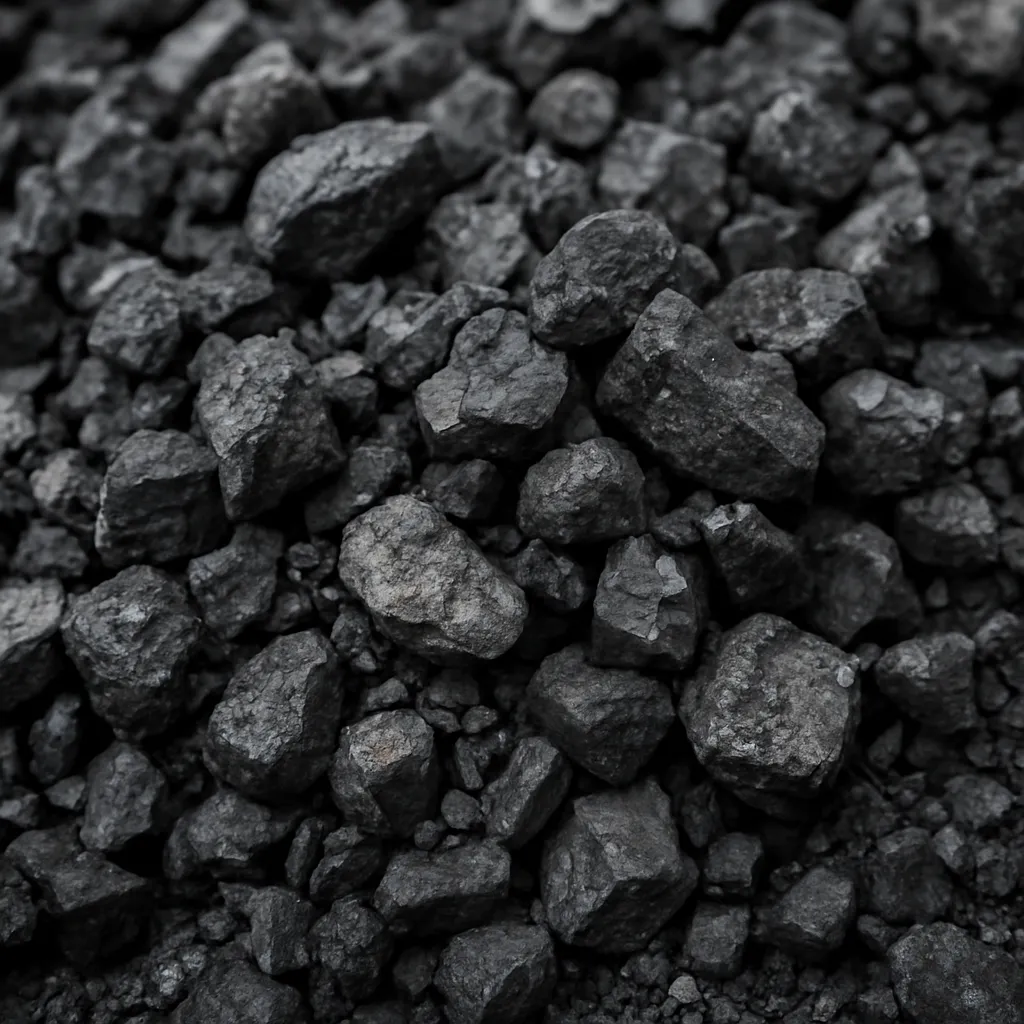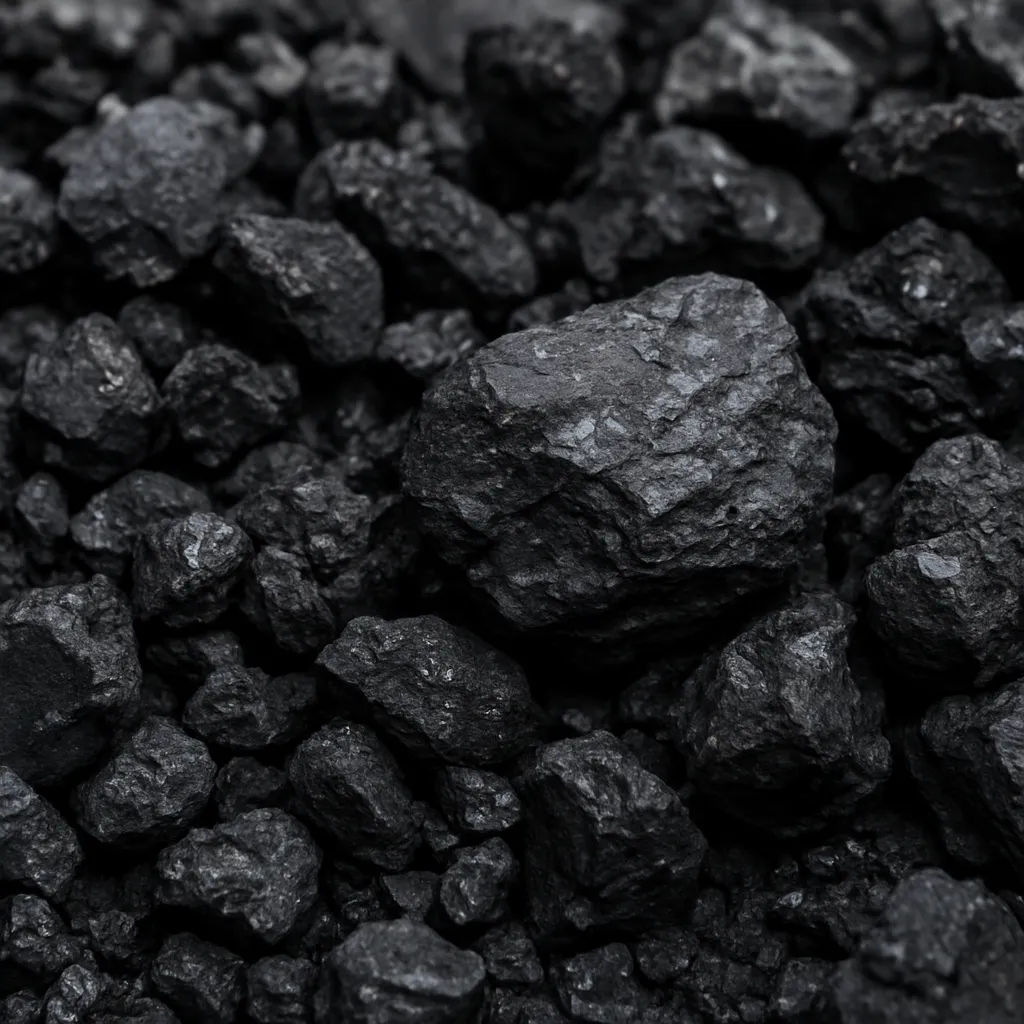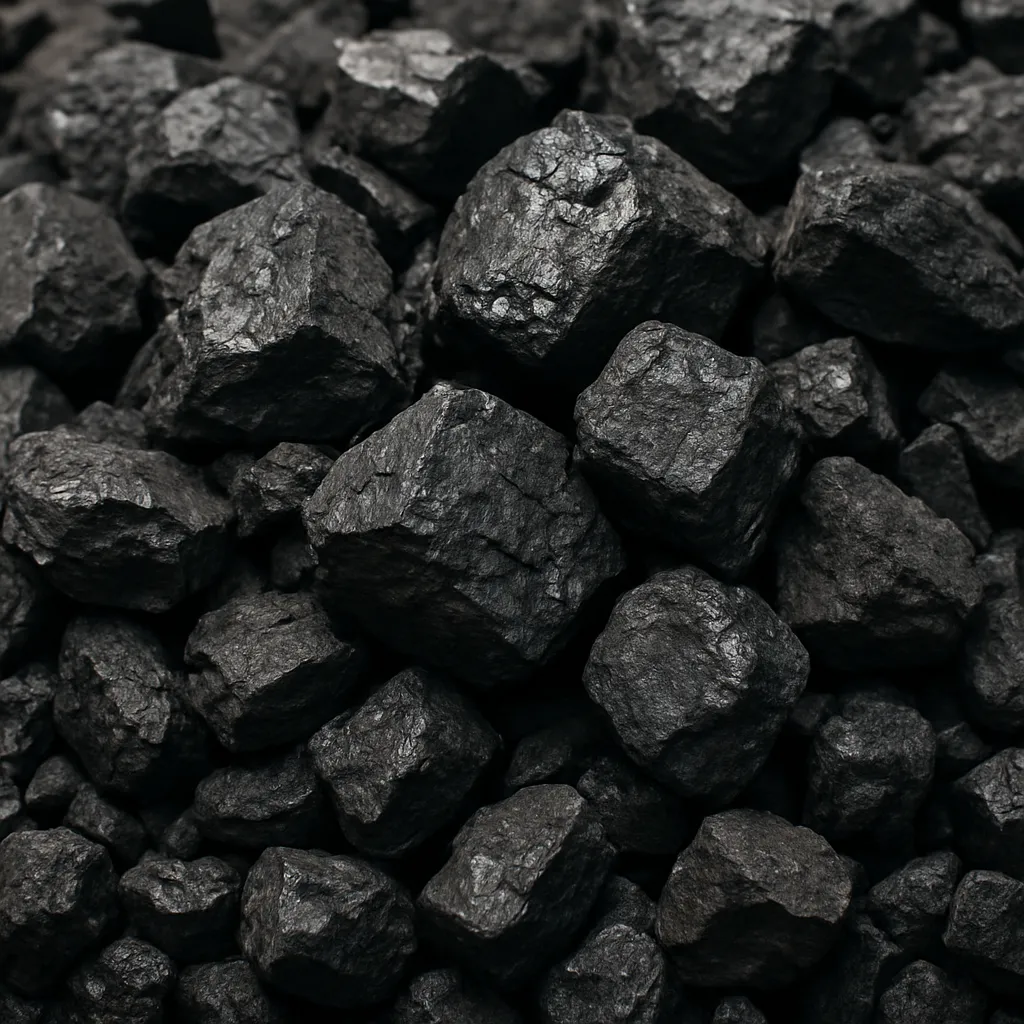
Premium thermal blend coal is a specially selected and mixed grade of coal designed to meet the operational and economic needs of modern power plants and large industrial boilers. It combines coal lots from different mines or seams to achieve target values for calorific content, ash, moisture, sulfur and other properties. This article explores where premium thermal blends are sourced, how they are produced and traded, their economic and industrial significance, environmental considerations, and other notable facts and statistics relevant to their role in the global energy system.
What is premium thermal blend coal and why it matters
Premium thermal blend coal is not a single geological product but rather a commercial specification. The goal of blending is to deliver a fuel that optimizes combustion, minimizes operational problems, and meets contractual and regulatory limits. Typical blending objectives include increasing the net calorific value, reducing ash and moisture, controlling sulfur and trace element levels, and improving grindability and combustion stability. For many large utilities, a consistent fuel specification reduces maintenance costs, improves boiler efficiency and reduces emissions per unit of electricity generated.
Key technical parameters of a premium thermal blend
- Calorific value (net or gross) — often targeted within a specific band, e.g., roughly 5,800–7,000 kcal/kg (approx. 24–29 MJ/kg) depending on plant design.
- Ash content — reduced to limit slagging, fouling and disposal costs.
- Moisture — lower moisture raises effective heating value and improves transport economics.
- Sulfur — controlled to meet emissions limits and reduce flue gas desulfurization load.
- Ash fusion temperature and trace elements — important for operational reliability and environmental compliance.
In short, premium blends are engineered to increase plant efficiency, reliability and predictability, while often lowering lifecycle fuel costs and environmental footprints per megawatt-hour produced.
Geology and occurrence: where the coal used for blends comes from
Coal formations suitable for premium thermal blends occur in numerous geological basins worldwide. The specific basins that supply premium thermal coal depend on the calorific, ash, moisture and sulfur profile required by buyers. Coal types most often used in thermal blends include low- to medium-volatile bituminous coal and higher-grade sub-bituminous coals.
- Asia: Major basins in China (e.g., Shanxi, Inner Mongolia), Indonesia (Sumatra, Kalimantan), and India (Jharkhand, Odisha) produce large volumes of thermal coal. Indonesian coals, especially medium- to low-ash sub-bituminous grades, are commonly blended for the Asian market.
- Oceania: Australia (Queensland basins, Bowen, Surat; New South Wales) is a major source of higher calorific, low-sulfur thermal coals used in premium blends shipped to Asia and beyond.
- Americas: The United States (Appalachian, Powder River Basin), Colombia and Canada supply various grades; Powder River Basin (PRB) coal is lower in sulfur and often mixed to control emissions.
- Africa and Russia: South Africa (Highveld) and Russia (Kuzbass and Far East basins) add to global supplies, with particular regional blends reflecting local demand and transport economics.
Blends are often created at the supply chain nodes (mines, coal terminals, port stockyards or bonded warehouses) where different coal lots are combined to meet shipping contract specifications.
Mining, logistics and blending practices
Two main mining methods provide coal for premium blends: open-pit (surface) mining and underground mining. Surface mining dominates in large basins such as Indonesia and Australia, where vast, continuous seams can be exploited at lower cost per tonne. Underground mining persists in regions with deeper seams or where surface disturbance is restricted.
Blending and quality control
- Mine-level blending: combining seams or stockpiles before washing and loading.
- Washed coal: many premium blends incorporate beneficiated coal that has been deashed and desulfurized in preparation plants.
- Port and vessel blending: coal from several suppliers can be mixed in port stockpiles or on vessel to achieve contract specs.
- Sampling and laboratory testing: rigorous sampling protocols and laboratory analyses are essential to ensure contractual compliance and to avoid penalties.
Modern supply chains increasingly use real-time monitoring, automated sampling systems and improved traceability (blockchain pilots in a few projects) to guarantee blend integrity and reduce disputes between sellers and buyers.
Economic and trade dimensions
Premium thermal blend coal sits at the intersection of geology, logistics and markets. Its value is determined by calorific content, ash and moisture levels, sulfur, and the cost to deliver to a specified port or plant. Several benchmarks and market drivers shape the pricing and trade flows.
Major producing and exporting countries
- China — the world’s largest producer and consumer, but also a net importer of higher-quality thermal coal and coking coals for certain industrial uses.
- Indonesia — a dominant exporter of seaborne thermal coal, known for its medium- to low-grade coals that are readily blended.
- Australia — supplies higher-grade thermal coal and metallurgical coal to Asian markets and is a key source for premium blends.
- Other important exporters include Russia, Colombia, the United States and South Africa, each serving regional needs.
Seaborne trade and benchmarks
Seaborne thermal coal trade is central to premium blend markets because large power plants in Asia and elsewhere rely on imports to manage quality and supply. The main market benchmarks historically include
- Newcastle (Australia) — a benchmark for Asia-Pacific thermal coal pricing.
- API2 / ARA — an index representing coal trades in northwest Europe.
- Richards Bay (South Africa) — a key export hub serving African and some Asian markets.
Seaborne thermal coal volumes have typically been in the order of about one to one and a half billion tonnes per year in recent pre-2024 years, with considerable year-to-year variation driven by policy, prices and weather. Indonesia and Australia together account for a very large share (often above 50%) of trade by volume, especially for the grades used in blends.
Price dynamics and recent volatility
Thermal coal prices are strongly cyclical. Between 2020 and 2023 markets experienced pronounced volatility. After a dip during the early pandemic period, prices surged in 2021–2022 as demand recovered, energy crises raised gas prices and some markets reverted to coal. Spot benchmarks briefly reached several-hundred dollars per tonne at peak stress moments; thereafter they moderated but remained sensitive to supply disruptions, freight cost changes and regulatory shifts. Utilities frequently use long-term contracts and spot purchases to manage price risk.
Statistical perspective and role in the global energy mix
Globally, coal remains a major fuel for electricity and heat production, though its share varies widely by region. Coal-fired generation historically accounted for roughly one-third or more of global electricity supply in the early 2020s. In many emerging economies, coal remains essential for grid stability and industrial heat.
- Electricity generation: coal has been responsible for a significant portion of global electricity — commonly described as around 30–40% depending on the year and data source.
- Trade volumes: seaborne coal trade figures typically fall near 1.0–1.3 billion tonnes annually, although precise numbers vary with market conditions and the classification used (thermal vs metallurgical).
- Employment and GDP: coal mining and associated logistics create substantial local employment and export revenues in producing regions. In some countries coal exports form a significant share of foreign exchange earnings.
These numbers underscore why premium thermal blends matter: they are a unit of trade that matches supply characteristics to buyer needs, enabling efficient dispatch of coal-fired generation while smoothing variability in mine-level quality.
Industry importance and applications
The primary use for premium thermal blend coal is utility-scale power generation. Other applications include industrial boilers for cement, chemical processes and district heating. Premium blends are particularly valued by:
- Large baseload coal-fired power plants that require steady, predictable fuel specifications.
- Combined-cycle or co-fired plants where burn characteristics must be tightly controlled.
- Industrial users where high calorific value and low ash minimize handling, storage and maintenance costs.
For utilities, premium blends can enable higher plant availability, fewer unscheduled outages, lower ash disposal costs and improved thermal efficiency — all translating to better economic performance and lower emissions intensity.
Environmental and regulatory considerations
Coal use is the subject of intense environmental and policy scrutiny because of its carbon dioxide emissions and other pollutants. Premium blends can modestly reduce emissions intensity by offering higher calorific value and lower ash or sulfur content, but they do not eliminate the fundamental CO2 challenge associated with burning carbon-intensive fuels.
Key environmental issues
- Carbon dioxide (CO2) emissions: even premium thermal coal emits significant CO2 per MWh compared with most renewables and many gas-fired combined-cycle plants.
- Air pollutants: sulfur dioxide (SO2), nitrogen oxides (NOx) and particulate matter depend on coal quality and plant flue gas controls. Lower sulfur blends reduce SO2 control costs.
- Mining impacts: land disturbance, water use, and local air quality are important considerations in major mining regions.
- Methane: coal mines are a non-negligible source of methane emissions, a potent greenhouse gas.
Policy trends that affect premium thermal blends include tightening emissions standards, carbon pricing, financing restrictions by international lenders and insurers, and commitments to reduce or phase down coal-fired generation. These factors change long-term demand expectations and can influence investment in blending capability and quality assurance.
Technology, innovation and the future of blends
Technological developments both in coal processing and in power plant design influence the role of premium thermal blends:
- Advanced coal washing and beneficiation can upgrade lower-grade coals into acceptable blend components, improving resource utilization.
- High-efficiency low-emissions (HELE) coal plants — ultra-supercritical and advanced supercritical technologies — gain efficiency benefits when fed with consistent, high-quality blends.
- Emission control technologies (FGD, SCRs, baghouse filters) reduce local air pollutant impacts, and premium blends reduce the burden on these systems.
- Carbon capture, utilization and storage (CCUS) is technically compatible with coal-fired plants; pairing CCUS with premium blends can lower lifecycle emissions but adds substantial capital and operating cost.
Given global decarbonization goals, the long-term market for premium thermal blends depends on the pace of power sector transition, deployment of CCUS, and the relative economics of renewable energy plus storage versus reliable coal capacity.
Regional case studies and notable trade dynamics
Asia-Pacific
Asia-Pacific markets are the largest consumers of seaborne thermal coal. Rapid urbanization and industrial growth in countries such as India, Vietnam, Bangladesh and parts of Southeast Asia sustain demand for coal — especially at baseload plants. Utilities in these regions frequently rely on imported premium blends to ensure year-round plant performance and to reduce ash-slagging problems associated with lower-grade domestic coals.
Europe
European demand for thermal coal has declined in many countries due to a shift to gas and renewables plus stringent emissions regulation. However, premium blends and blended cargos occasionally serve niche or backup capacity needs. European import hubs continue to define price indices (API2) used in global contract negotiation.
Americas
In North America, coal use for power has fallen in many places because of cheap gas and renewables, but premium blends remain valuable in specific industrial and utility contexts. Colombia and the United States remain important suppliers to particular markets via long-term trade links.
Market risks, opportunities and strategic considerations
Several risk and opportunity themes are relevant for stakeholders in the premium thermal blend market:
- Price risk: benchmark volatility makes fixed-price supply contracts and hedging essential for many buyers and sellers.
- Regulatory risk: stricter emissions rules and coal phase-out policies can reduce long-term demand and raise stranded-asset risk.
- Quality and reputational risk: suppliers must maintain strict sampling, testing and traceability to avoid disputes and financial penalties.
- Investment opportunity: beneficiation, blending infrastructure and logistics modernization can unlock value by converting lower-grade resources into marketable premium blends.
For miners and traders, value is often captured by improving mine-mouth quality, expanding washing capacity, and investing in port blending and storage that permit flexible, contract-driven cargo assembly.
Interesting facts and practical considerations
- Blending dates back to early industrial boilers where operators mixed coals to manage furnace behavior; modern premium blends are a sophisticated evolution of that practice.
- Coal quality can vary widely even within a single seam; careful stockpile management is essential to avoid segregation and ensure consistent blend delivery.
- Premium blends can reduce ash disposal volumes and associated costs — a major consideration in densely populated or environmentally constrained regions.
- Logistics — such as vessel size (Panamax, Capesize), port draft limitations, and railway capacity — often determine whether relatively cheap mine-mouth coal can economically reach the premium blend market.
Summary perspective
Premium thermal blend coal plays a practical role in the current energy landscape by aligning variable mine-level coal qualities with the exacting needs of large-scale boilers and power plants. It is a market-driven solution that improves operational performance, reduces certain environmental impacts per unit of energy produced, and stabilizes supply chains. The future of premium blends will be shaped by broader energy transitions: demand will hinge on how quickly renewables, storage and gas dispatchable generation scale, whether CCUS becomes cost-competitive, and how tightly governments regulate coal combustion. For the near to medium term, premium thermal blends are likely to remain an important commodity in regions where coal continues to provide reliable and affordable baseload energy.