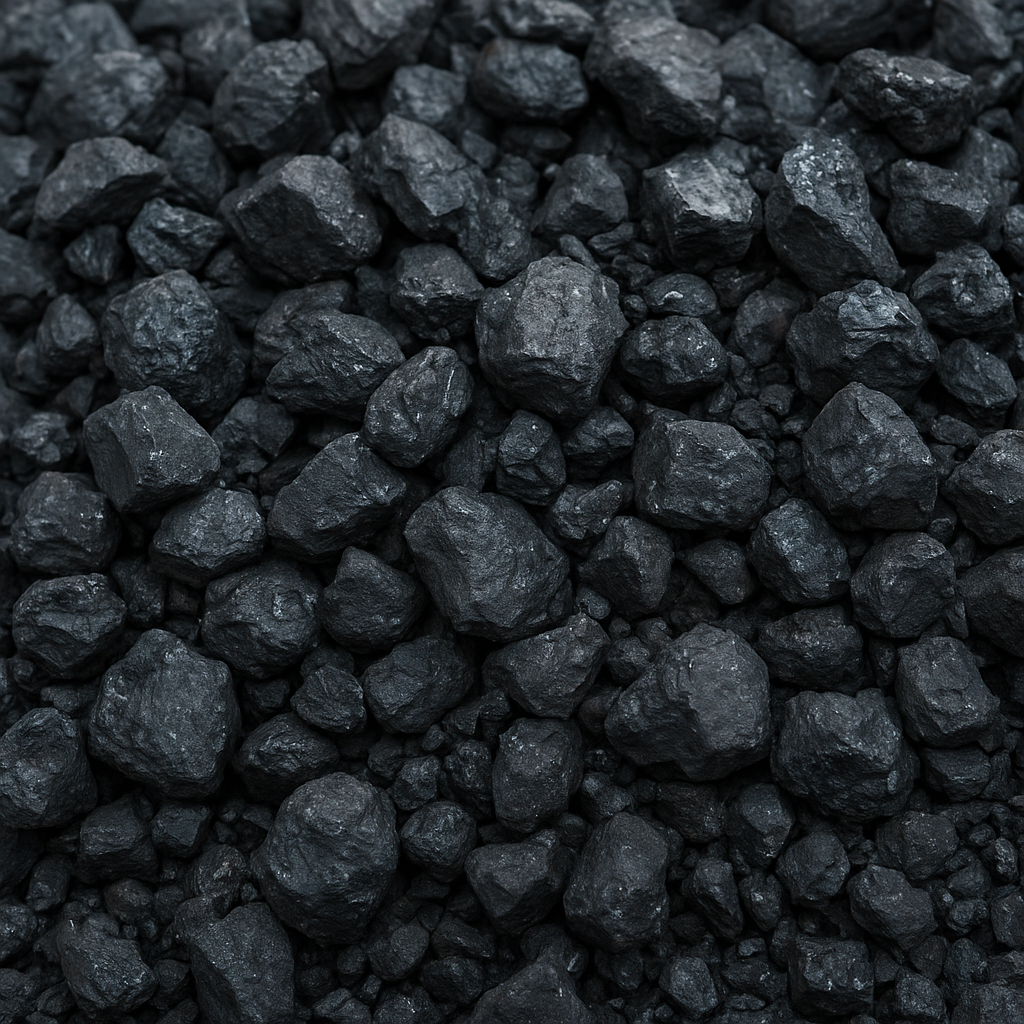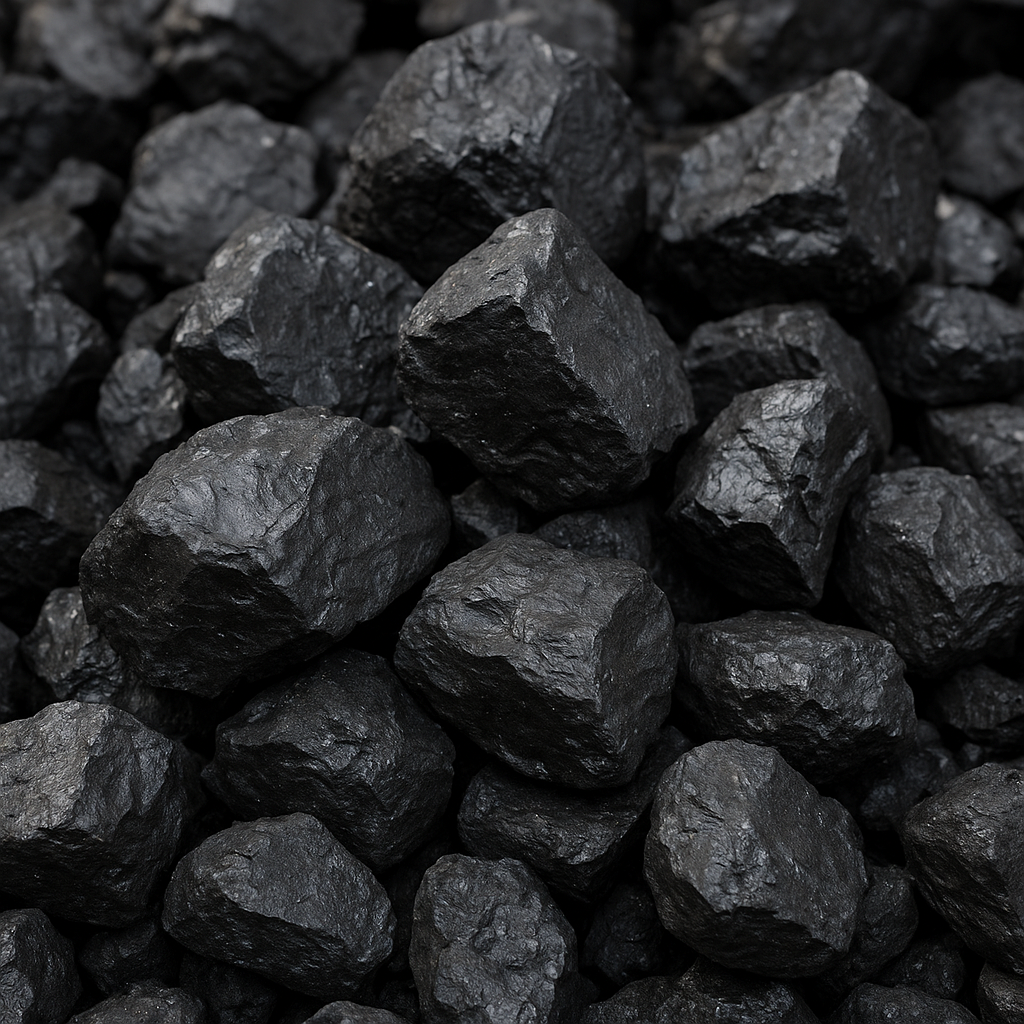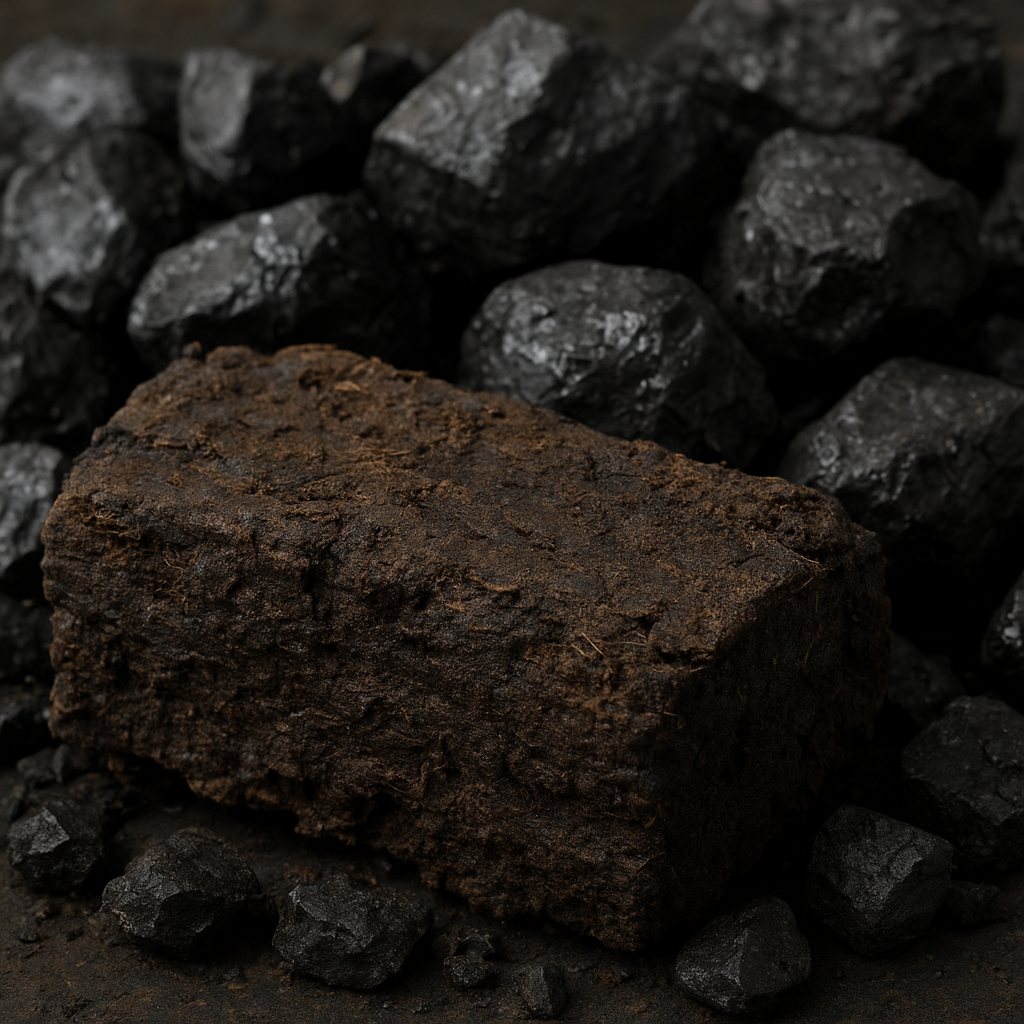
Peat, often called peat coal in some regional contexts, occupies a unique place between organic soil and true coal both geologically and economically. Formed over thousands of years from partially decomposed vegetation in waterlogged environments, peatlands act as significant carbon reservoirs and support specialized ecosystems. This article examines the formation, occurrence, extraction, economic importance, industrial uses, environmental consequences, and future outlook for peat as a fuel and resource.
Formation, Properties and Classification
Peat is an accumulation of partially decayed plant material that forms under anaerobic, water-saturated conditions. Its formation is a result of slow decomposition where the water table limits oxygen availability, arresting microbial breakdown. Peat stages represent the earliest ranks of coalification and are categorized by degree of decomposition and botanical origin. Typical types include sphagnum (bog) peat, reed-sedge peat, and woody peat. The degree of humification yields categories such as fibric (least decomposed), hemic (intermediate) and sapric (most decomposed) peat.
Key physical and chemical properties that distinguish peat from higher-rank coals include high moisture content, high volatile matter, relatively low fixed carbon, and a variable ash content depending on mineral input. Typical energy content for air-dried peat generally falls in the range of about 8–20 MJ/kg, with many common air-dried samples near ~15 MJ/kg. Because of its high water content and low bulk calorific value relative to mineral coals, peat is less energy-dense and more expensive to transport per unit of energy unless dried or processed into briquettes.
Peat undergoes changes over geological time to form lignite, sub-bituminous and ultimately bituminous coal under heat and pressure. In many regions, peat is therefore considered a low-rank precursor to true coal, and its economic and environmental management differs markedly from that of higher-rank fossil fuels.
Distribution and Major Producing Regions
Peatlands occupy a disproportionate role in the global carbon cycle. They cover roughly 3% of the world’s land surface, which translates to around 3–4 million square kilometers (300–400 million hectares) in widely cited estimates. Despite their relatively small areal extent, peatlands store an estimated ~550 billion tonnes of carbon (about 2,000 billion tonnes CO2 equivalent), which is roughly equivalent to several centuries of fossil fuel emissions at current rates. For this reason peatlands are often described as one of the world’s largest terrestrial carbon stores.
Major peatland regions and peat-producing countries include:
- Northern Europe: Finland, Ireland, Estonia, Latvia, Sweden and Russia’s European part have extensive peatlands and a long history of peat use for fuel and horticulture.
- Russia: vast peatlands in the taiga and subarctic zones, particularly in western Russia and western Siberia.
- Southeast Asia: Indonesia and Malaysia hold large tropical peat swamps; Indonesian peatlands are among the most carbon-rich in the tropics and have been a focal point of global emissions due to conversion and fires.
- North America: Canada and parts of the northern United States contain substantial peatland areas, used locally for horticulture and, in some cases, fuel.
- United Kingdom and Ireland: historically significant peat extraction for domestic fuel and power; Ireland’s industrial-scale peat extraction has been a distinctive feature.
Countries like Finland and Ireland historically used peat widely for domestic heating and power generation. In Southeast Asia, peat plays a different role: tropical peatlands are important carbon sinks but are also subject to drainage and conversion for agriculture, plantation forestry (e.g., oil palm) and other land uses, which has provoked major environmental concerns.
Extraction Methods and Technologies
Peat extraction methods vary by scale, intended use, and local environment. Major methods include
- Block-cutting (hand-cut) and small-scale mechanical cutting, common in traditional and domestic peat use.
- Milling or surface milling, where peat is mechanically scraped and left to dry in the field before collection; this is common in places like Finland and parts of Ireland.
- Drainage and large-scale mechanical excavation are used where peatlands have been converted to industrial extraction sites.
- Briquetting and pelletization are post-extraction processes that compress peat into denser, drier fuels for easier transport and more stable combustion.
Modern peatlands management increasingly integrates mechanized drying, conveyors, and water-management infrastructure to increase yields; however, such intensification usually comes at an environmental cost (lowered water tables, habitat loss, increased CO2 emissions). Technologies aimed at minimizing impacts include controlled water-table management, phased harvesting, and reclamation techniques such as rewetting and revegetation.
Economic Significance and Markets
Peat’s economic importance is highly regional. In certain northern and boreal countries, the peat industry historically provided inexpensive local energy and supported rural employment and ancillary industries. Peat is also a globally important raw material for horticulture: horticulture and professional growing media rely heavily on sphagnum peat and peat-based composts because of peat’s water retention, porosity, and low nutrient but stable structure.
Key economic roles of peat include:
- Energy production: in regions without abundant mineral coal reserves, peat served as a local fuel for households and electricity generation (historically more common in the 20th century).
- Horticulture and agriculture: peat-based potting mixes, soil conditioners and substrates represent a significant market, with horticulture often being the largest consumer of commercially excavated peat in many countries.
- Industrial products: peat is used in some cases for briquette manufacturing, wastewater treatment substrate, and even niche products like peat extracts for horticultural additives.
- Employment and regional development: peat harvesting and associated industries can employ thousands locally, though mechanization and policy changes have reduced labor intensity over time.
Economically, peat faces competition from alternative energy sources (natural gas, renewables, biomass pellets) and from alternative horticultural substrates (coir, composted bark, engineered substrates). Regulatory pressures and environmental costs increasingly influence market viability. In many EU countries, peat for energy has declined substantially due to climate policy and subsidies for renewables, while horticultural peat is under pressure from sustainability certification and substitution efforts.
Environmental Impacts and Climate Considerations
Peat extraction and drainage have outsized environmental consequences relative to their extent because peatlands store large amounts of carbon and support unique biodiversity. The primary environmental issues are:
- Greenhouse gas emissions: drained and extracted peat oxidizes, releasing carbon dioxide (CO2); in tropical regions, drained peatlands and fires can release massive amounts of CO2 and particulate pollution. Rewetting is crucial to stop oxidation and reduce emissions.
- Biodiversity loss: intact peatlands are habitats for specialized flora and fauna; extraction and drainage degrade these habitats and can cause species loss.
- Water quality and hydrology: drainage alters catchment hydrology, increases runoff, affects downstream water quality, and can exacerbate peatland fires in dry seasons.
- Air pollution from combustion and smoldering fires: peat fires are difficult to extinguish, produce smoke with fine particulates and hazardous gases, and have health and economic impacts, as seen during major haze events in Southeast Asia.
From a climate perspective, intact peatlands function as net carbon sinks. Disturbing them switches the balance to becoming long-term sources of emissions. Given the large global carbon stock contained in peatlands (estimated at ~550 GtC), their management is central to climate-change mitigation strategies. Conserving and restoring peatlands can yield substantial climate benefits.
Statistical Perspectives and Notable Figures
While national production figures vary year-to-year, several robust, widely cited statistical points are:
- Global peatland extent is roughly 3% of land area, often cited as around 3–4 million km2 (300–400 million hectares).
- Global peat carbon storage is estimated at about 550 billion tonnes of carbon (~2,000 billion tonnes CO2 equivalent). This makes peatlands one of the most important terrestrial carbon stores.
- In some countries, peat historically supplied a significant share of domestic energy—e.g., parts of Ireland and Finland—though these shares have declined with energy transitions.
Specific extraction and production volumes are country-dependent and influenced by policy. For example, several northern European countries have seen a reduction in energy peat extraction since the late 20th century. Conversely, peat use for horticulture remains economically important: estimates have suggested that horticultural use accounts for a large fraction of commercial peat extraction in Europe and North America. Tropical peatlands, particularly in Indonesia and Malaysia, have drawn international attention because land-use change there contributed substantially to regional and global emissions during severe fire years (e.g., 1997–1998 and 2015).
Uses in Industry and Unique Applications
Although less important globally as a fuel than coal, oil or gas, peat has a range of industrial and cultural uses:
- Energy: local heating, small-scale power generation, often in combination with drying and briquetting.
- Horticulture: potting mixes, seed substrates, and greenhouse media due to peat’s excellent water retention and aeration properties.
- Whisky and culinary traditions: in places like Scotland, peat smoke is used to dry malted barley, imparting characteristic flavors to some whiskies.
- Archaeology and conservation: peat bogs are exceptional natural archives that preserve organic material, pollen sequences, and even human remains (bog bodies) with remarkable preservation due to acidic, anoxic conditions.
- Water treatment and filtration: historic and experimental uses of peat in filtration and adsorption processes.
Industry trends show a shift away from energy peat to renewables in many developed economies, while horticultural demand remains a driver for peat extraction, spurring research into peat alternatives and certification schemes to promote more sustainable sourcing.
Policy, Regulation and Restoration Efforts
Policy responses to peat use differ across the globe but increasingly emphasize conservation and restoration. Key policy directions include:
- Phasing out peat for energy: many countries in Europe have committed to reduce or end peat combustion for power and heat in favor of renewables.
- Sustainable sourcing and certification: initiatives exist to certify peat used in horticulture as coming from responsibly managed sites, though critics argue that true sustainability requires substitution or restoration.
- Rewetting and restoration: restoring the hydrology of drained peatlands by rewetting can halt carbon losses and facilitate recovery of peatland vegetation and biodiversity. Large-scale restoration projects in northern Europe and parts of North America have shown measurable decreases in CO2 emissions after rewetting.
- Fire prevention and land-use controls: in tropical peatland regions, stricter land-use planning and peat protection are priorities to reduce catastrophic fires and haze events.
Economic instruments—such as carbon pricing, subsidies for restoration, or penalties for land conversion—can shape peatland outcomes. Where carbon markets and climate policy place a value on avoided emissions, protecting peatlands becomes an economically rational mitigation strategy.
Challenges and Future Outlook
The future of peat as a resource is shaped by several interacting trends:
- Decarbonization policies and renewable energy expansion are decreasing the attractiveness of peat for energy in many regions.
- Horticultural demand remains a key driver and poses a conservation challenge; successful substitution (e.g., coir, composts, engineered media) and certification are central to reducing extraction.
- Restoration science is advancing: improved techniques for rewetting, revegetation (including Sphagnum farming), and long-term carbon accounting support peatland recovery as a climate mitigation tool.
- In tropical regions, peatland protection is critical for preventing major carbon releases and conserving biodiversity; balancing development and conservation remains a complex socio-economic issue.
Research areas likely to shape peat’s role include rapid detection and monitoring of peatland condition via remote sensing, life-cycle analyses of peat products, improvement in alternative growing media, and modeling the climate outcomes of large-scale peatland restoration. In some regions, innovative approaches such as paludiculture (wet agriculture on rewetted peatlands) aim to reconcile economic use with conservation by cultivating wetland-adapted biomass rather than draining peat for conventional agriculture.
Interesting Facts and Cultural Notes
Peat influences culture and science in several intriguing ways:
- Bog bodies and preserved artifacts: peat bogs’ anaerobic and acidic conditions have preserved human remains, leather, and wooden tools for millennia, providing unique archaeological insights.
- Whisky and craft traditions: the smoky flavor from peat-smoked malt remains an iconic taste profile for certain whiskies and traditional smoked foods.
- Peat as an ecological indicator: peat cores provide long-term records of vegetation, climate change and human impacts through preserved pollen and macrofossils, valuable to paleoecologists.
- Novel cultivation: initiatives that cultivate Sphagnum moss for horticulture (so-called Sphagnum farming) aim to produce substrate while restoring peatlands and sequestering carbon.
Restoration projects increasingly feature community involvement and diversified funding (public, private, and carbon finance) to reconcile economic needs with long-term environmental stewardship. The concept of peatland as a natural climate solution has moved from niche science to mainstream policy conversation.
Concluding Remarks
Peat occupies an intermediate status between soil and coal—valued historically as a regional fuel and prized in modern horticulture, yet simultaneously recognized as a globally significant carbon store whose disturbance has serious climate consequences. The balance between economic uses and environmental protection is dynamic: in many temperate countries peat’s role as an energy source is shrinking, while its horticultural and cultural uses remain important. The overarching scientific and policy message is clear: conserving and restoring peatlands delivers outsized benefits for climate mitigation, biodiversity and water regulation, and where use continues, it must be governed by stringent sustainability measures. The coming decades will likely see increased attention to peatland preservation, development of viable peat alternatives for industry, and expanded efforts to measure and monetize the climate services that intact peatlands provide.