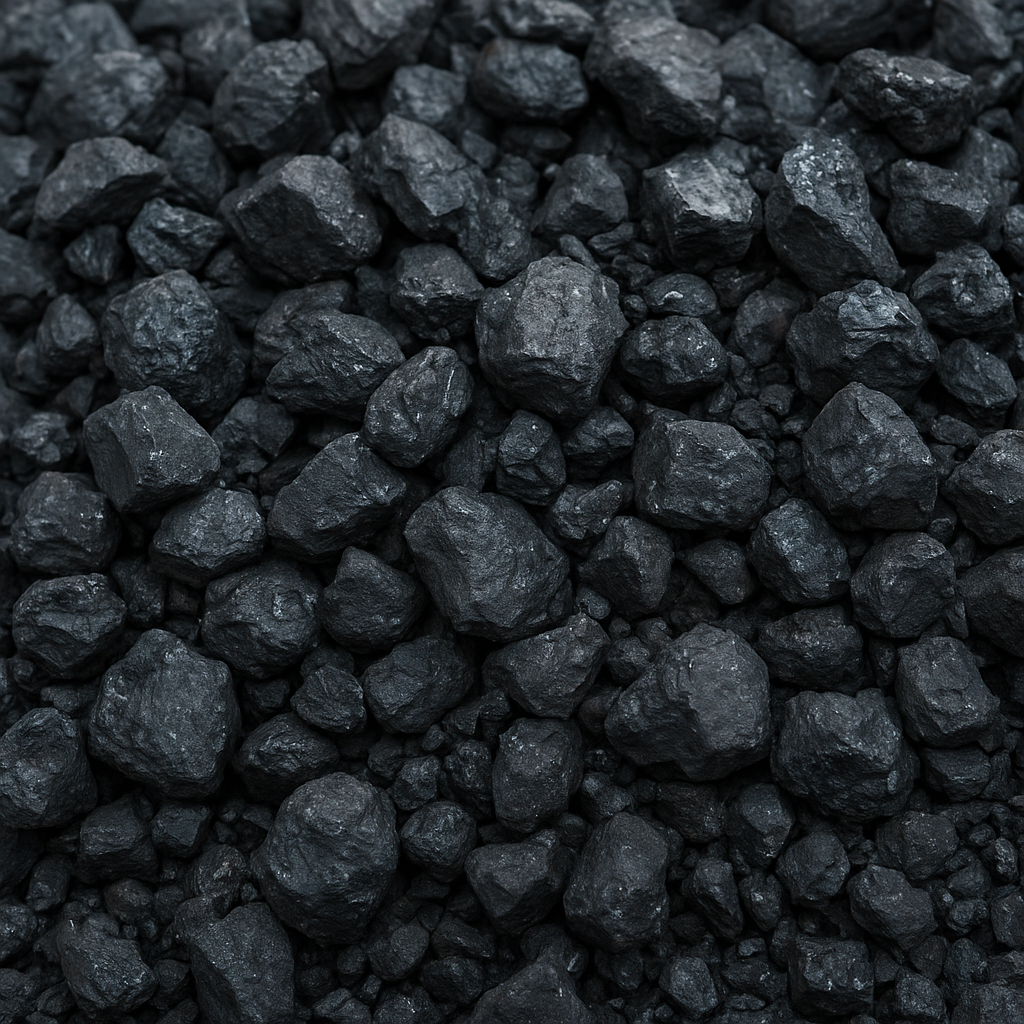
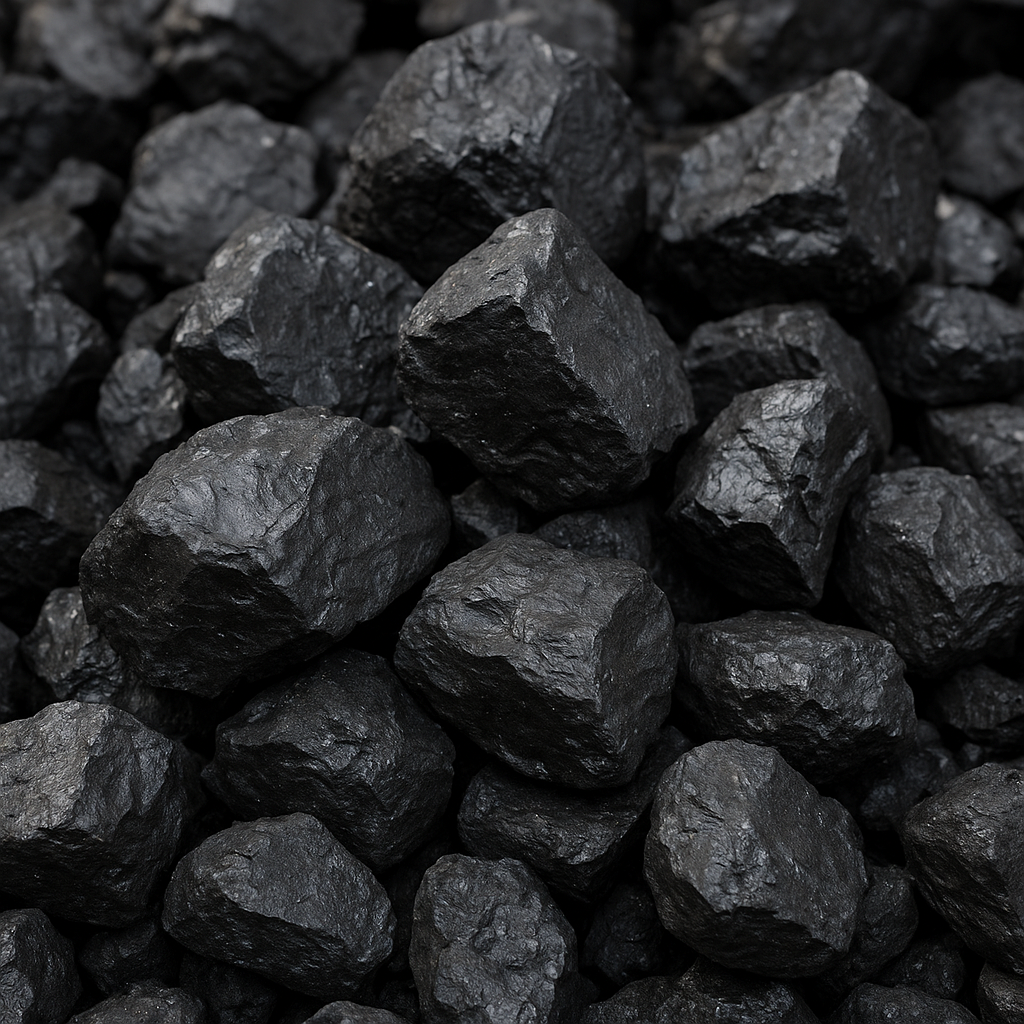
Low-volatile bituminous coal is a high-rank coal grade prized for its elevated carbon content, strong coking properties and relatively low volatile matter. This article examines its geological characteristics, global distribution, mining and processing techniques, economic and statistical aspects, industrial uses and the environmental and policy challenges tied to its production and consumption. The goal is to provide a comprehensive, factual overview that highlights why this specific type of coal remains strategically important for certain industries despite global decarbonization pressures.
Geological characteristics and classification
Low-volatile bituminous coal occupies a high position on the coalification continuum, between medium/high-volatile bituminous coal and anthracite. In terms of composition it is characterized by a high proportion of fixed carbon, relatively low volatile matter, and a high calorific value. These properties give the coal strength during carbonization and favor the production of dense, strong coke, making it especially valuable for metallurgical applications.
Rank and classification systems vary by country and laboratory standard. Under many classification schemes, low-volatile bituminous coal has lower volatile matter and higher carbon content than other bituminous types. Typical proximate analysis values for low-volatile bituminous coal (air-dried basis) often show volatile matter markedly lower than higher-volatile bituminous coals, and fixed carbon percentages that are comparatively high. Gross calorific values generally fall in the higher end of the bituminous category—commonly within a range of about 25–33 MJ/kg on a as-received or dry basis, depending on moisture and ash content.
Chemical and petrographic features include a high proportion of vitrinite and inertinite macerals with relatively low liptinite content. The low volatile fraction affects how the coal behaves under heating: it yields less tar and gaseous by-products and produces a stronger, denser coke suitable for blast furnaces and other metallurgical processes.
Occurrence and major deposits
Low-volatile bituminous coal is found in many of the world’s major coal-bearing basins where long-term burial and elevated temperatures promoted advanced coalification. Principal occurrences are typically associated with older Carboniferous and Permian coal measures, although rank depends on local metamorphic and tectonic histories as well as burial depth.
- United States: Appalachian basins (e.g., Central and Southern Appalachians) historically yielded significant low-volatile bituminous coal seams that powered the steel industry. Illinois Basin and parts of the Rocky Mountain basins contain higher-rank seams as well.
- Russia: Large reserves of high-rank coals are present in the Kuznetsk Basin (Kuzbass) and the Pechora Basin. Kuzbass contains substantial quantities of bituminous coals suitable for metallurgical use.
- Australia: The Bowen and Surat basins in Queensland and the Hunter Valley in New South Wales contain extensive deposits of high-quality metallurgical coals, often exported as hard coking coal and low-volatile bituminous variants.
- China: Several provinces (Shanxi, Shaanxi, Inner Mongolia) produce higher-rank bituminous coals; however, coal composition is variable across regions and not all high-rank coals are low-volatile.
- Canada: Alberta and British Columbia host deposits of bituminous coal, including some seams mined for metallurgical purposes.
- Other significant occurrences: Mongolia, Kazakhstan, South Africa, and parts of Central and Eastern Europe (including sections of Poland, Czech Republic and Ukraine) have coal seams of higher rank that can include low-volatile bituminous types.
Because low-volatile bituminous coal forms under relatively specific conditions of burial and thermal maturation, it is not uniformly distributed and tends to be concentrated in older, more tectonically complex basins where heat-flow and burial history favored higher ranks.
Mining methods and processing
Mining techniques for low-volatile bituminous coal are similar to those used for other hard coals and depend on geologic conditions, seam thickness and depth, and local regulatory and economic factors. Both underground and surface (open-cut) methods are employed.
- Underground mining: In regions with deep seams, longwall and room-and-pillar methods remain common. Longwall mining provides high productivity for thick, continuous seams and is often used where coal is destined for coking and metallurgical use.
- Surface mining: Where seams are shallow, open-pit or strip mining methods are applied. These can be economical for large, contiguous deposits but may require significant overburden removal.
- Processing: Raw run-of-mine coal is commonly washed in preparation plants to reduce ash and sulfur content and to upgrade the coal’s quality for metallurgical markets. Washing improves the coke strength, enhances combustion characteristics, and reduces impurities that impact steelmaking.
- Coking and carbonization: Low-volatile bituminous coals are often blended with other coals in coke ovens to optimize coke properties—such as CSR (coke strength after reaction) and CRI (coke reactivity index)—which are critical parameters for blast furnace performance.
Advanced preparation technologies, including dense medium separation, froth flotation and fine coal dewatering, are used to maximize yield and quality. Some modern operations integrate mine-mouth preparation facilities to deliver tailored blends to customers.
Economic and statistical overview
Global coal markets remain sizable despite long-term decarbonization trends. Total global coal production in recent years has typically been on the order of several billion tonnes per year. Within this total, a distinct fraction is classified as metallurgical coal (used for steelmaking), and a further subset is higher-rank coals, including low-volatile bituminous types that fetch premiums on seaborne markets.
Key economic features:
- Price dynamics: The price of low-volatile bituminous coal is driven by demand from the steel sector, supply constraints in major producing regions, shipping costs, and the accessibility of substitutes (such as pulverized coal injection or alternative reducing agents). Periods of tight supply or strong steel production can push coking coal prices sharply higher.
- Trade and exports: Australia is a dominant exporter of seaborne metallurgical coal, often accounting for a large share of high-quality coking coal exports. Russia, the United States, Canada and Mongolia are also significant players in metallurgical coal trade.
- Employment and regional economies: Mines producing low-volatile bituminous coal often provide substantial local employment and can be a foundation for regional economic activity, including processing plants and logistics chains.
Statistical perspective (approximate and indicative):
- Global coal production: several billion tonnes annually (order of magnitude: 5–8 billion tonnes in the late 2010s and early 2020s, varying by year and source).
- Share of metallurgical coal: metallurgical coal typically represents a minority share of total coal production but accounts for a disproportionately high share of coal export revenues due to premium pricing (rough estimate: on the order of 10–15% of production or more in particular exporting countries; global values vary).
- Seaborne coking coal trade: a substantial portion of coking coal is traded internationally; Australia supplies a large fraction of seaborne volumes—often more than half of traded metallurgical coal in many years.
Because markets for metallurgical coal and thermal coal are partly decoupled, low-volatile bituminous coal sensitivity to global thermal demand is less direct; instead, it is strongly coupled to steel production cycles, blast furnace capacity and substitution possibilities. Economic value is therefore influenced by long-term trends in steel manufacturing, electrification, and changing metallurgical processes.
Industrial uses and significance
The single most important industrial use for low-volatile bituminous coal is in the production of coke for the steel industry. Coke serves as both a fuel and a reducing agent in blast furnaces; its mechanical strength and low reactivity under furnace conditions are critical. Low-volatile coals tend to produce coke with desirable strength characteristics because their low volatile content yields denser, more coherent coke structures.
Key industrial roles:
- Blast furnace steelmaking: Low-volatile bituminous coal is a primary feedstock for company-owned coke ovens and merchant coke producers serving integrated steel mills.
- Foundries and ferroalloys: High-quality coke produced from these coals is also used in foundry cupolas and some ferroalloy processes.
- Coal blending: Because individual seams vary in behavior during coking, low-volatile bituminous coals are often blended with coals of different volatility to achieve target coke properties. Blending strategies are central to coke-making economics.
- Specialty carbon materials: Some higher-rank bituminous coals may be processed into metallurgical-grade carbon products, electrodes and other carbon materials after further treatment.
Beyond metallurgical uses, high-rank coals can be used for power generation in specialized contexts, but their premium as metallurgical feedstock usually renders that economically suboptimal where both markets are accessible.
Environmental, regulatory and social considerations
Production and use of low-volatile bituminous coal raise environmental and social issues similar to those of other fossil fuels, but with some specifics tied to metallurgy and coke production.
- Air emissions: Coke ovens and blast furnaces emit particulates, sulfur compounds and volatile organic compounds if not properly controlled. Modern cokemaking facilities incorporate emission control technologies to capture and treat by-products.
- Greenhouse gases: Steelmaking based on traditional coke-based blast furnaces is CO2-intensive. As a result, demand-side policies and decarbonization strategies in steelmaking (electrification, hydrogen-based direct reduced iron, carbon capture) directly affect long-term demand for metallurgical coals.
- Land and water impacts: Mining operations, especially open-cut mines, can have substantial local impacts on landforms, water tables and ecosystems. Rehabilitation and community consultation remain important regulatory and social issues.
- Worker safety and health: Underground mining for hard coals carries risks of dust exposure (pneumoconiosis), gas hazards and mechanical accidents, requiring rigorous safety standards and monitoring.
Policy drivers—both national and international—are shaping the long-term outlook. Industrial decarbonization of steelmaking could reduce demand for coking coal over decades, while near-term infrastructure and retrofit cycles can maintain demand. Some countries are pursuing carbon capture on steel plants, which could preserve coke-based routes while reducing emissions; others are investing in alternative pathways such as hydrogen-based reduction that would lower demand for metallurgical coal.
Market dynamics, substitutes and technological trends
Market dynamics for low-volatile bituminous coal hinge on supply concentration, seaborne trade flows, steel demand and the pace of technological adoption in steelmaking. Several trends are worth noting:
- Substitution and efficiency: Partial substitution of metallurgical coal via pulverized coal injection (PCI) can reduce coke demand per tonne of hot metal. Improvements in coke oven and blast furnace efficiency also reduce coal intensity in steelmaking.
- Hydrogen and direct reduction: Growing interest in hydrogen-based direct reduced iron (DRI) and electric arc furnace (EAF) routes—particularly in regions with abundant low-carbon electricity—presents a structural challenge to coke demand. However, scaling these technologies globally is capital-intensive and time-consuming, giving a multi-decade transition horizon.
- Carbon capture and utilization: Application of carbon capture to integrated steel plants could permit continued coke use with much lower net CO2 emissions. Adoption will depend on economics, policy incentives and infrastructure.
- Quality-driven markets: Metallurgical coal markets remain quality-driven; coals with superior coking properties command price premiums. Producers invest in quality control, washing and logistics to meet exacting customer specifications.
Regional case studies and strategic importance
Australia
Australia’s export-oriented mining industry supplies a major share of high-quality coking coals to Asia, particularly to China, Japan, South Korea and India. Large open-cut and some underground operations produce hard coking and low-volatile bituminous coals that enter global markets via port infrastructure. The sector is strategically important for export revenues and regional employment.
Russia and Central Asia
Russia’s Kuzbass and other basins supply both domestic and export markets. Russian coal producers have targeted export growth via rail and port investments. In Central Asia and Mongolia, high-grade coking coals have supported export-oriented development and attracted investment for rail and port logistics to reach Asian buyers.
United States
Historically, Appalachian low-volatile bituminous coals were integral to U.S. steelmaking. While domestic consumption patterns have shifted and some mines closed, U.S. metallurgical coal remains important for domestic and certain export markets. Infrastructure constraints and regulatory frameworks shape the competitiveness of U.S. producers.
Research, innovation and future outlook
Research into coal quality optimization, emissions mitigation, and alternative steelmaking technologies will influence the future role of low-volatile bituminous coal. Key areas of innovation include:
- Improved beneficiation and blending algorithms to maximize yields of saleable metallurgical coal while meeting stricter quality and emissions criteria.
- Advanced cokemaking processes that reduce emissions, improve by-product recovery, and increase energy efficiency.
- Development of alternative reducing agents (hydrogen, bio-based reductants) and carbon capture that could permit continued use of existing blast furnace assets with lower CO2 intensity.
- Digitalization of mine operations and traceability systems to provide buyers with verifiable quality and sustainability credentials.
The pace at which these innovations are commercialized, and the policy environments in consuming countries, will determine whether demand for low-volatile bituminous coal falls rapidly, gradually, or stabilizes in niche markets where coke-based metallurgy remains economically preferred.
Concluding perspective
Low-volatile bituminous coal is a distinctive and economically valuable class of coal whose high carbon content and coking properties make it strategically important to traditional steel production. While the coal faces long-term demand pressure from decarbonization and substitution technologies, its role in current metallurgy and the concentration of quality supply in a handful of producing regions sustain robust markets and significant economic value. Environmental and social considerations are reshaping production practices and market access, and the evolution of steelmaking technologies will ultimately determine the scale and timing of changes in demand.
Understanding the geological, technical and economic specifics of low-volatile bituminous coal is essential for policymakers, industry stakeholders and communities navigating the transition toward lower-carbon industrial systems while managing economic resilience in mining regions.