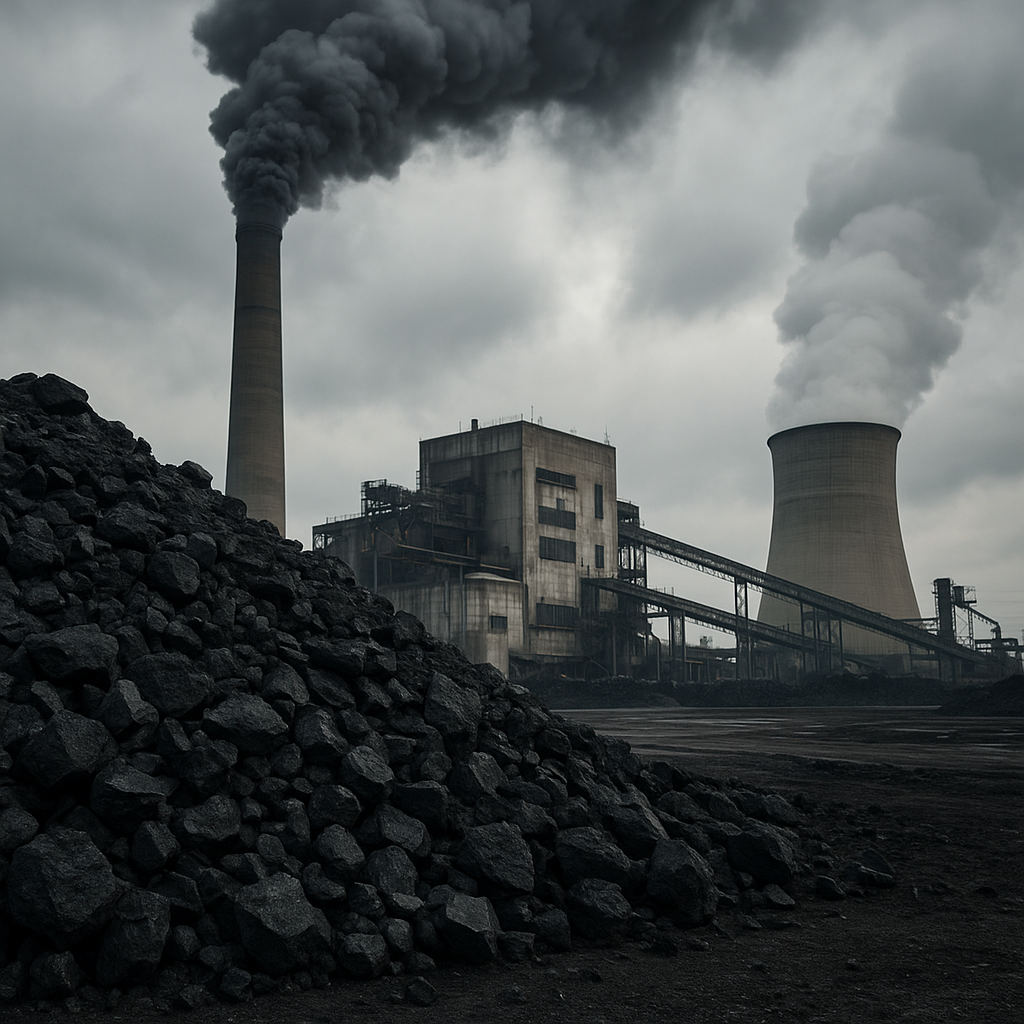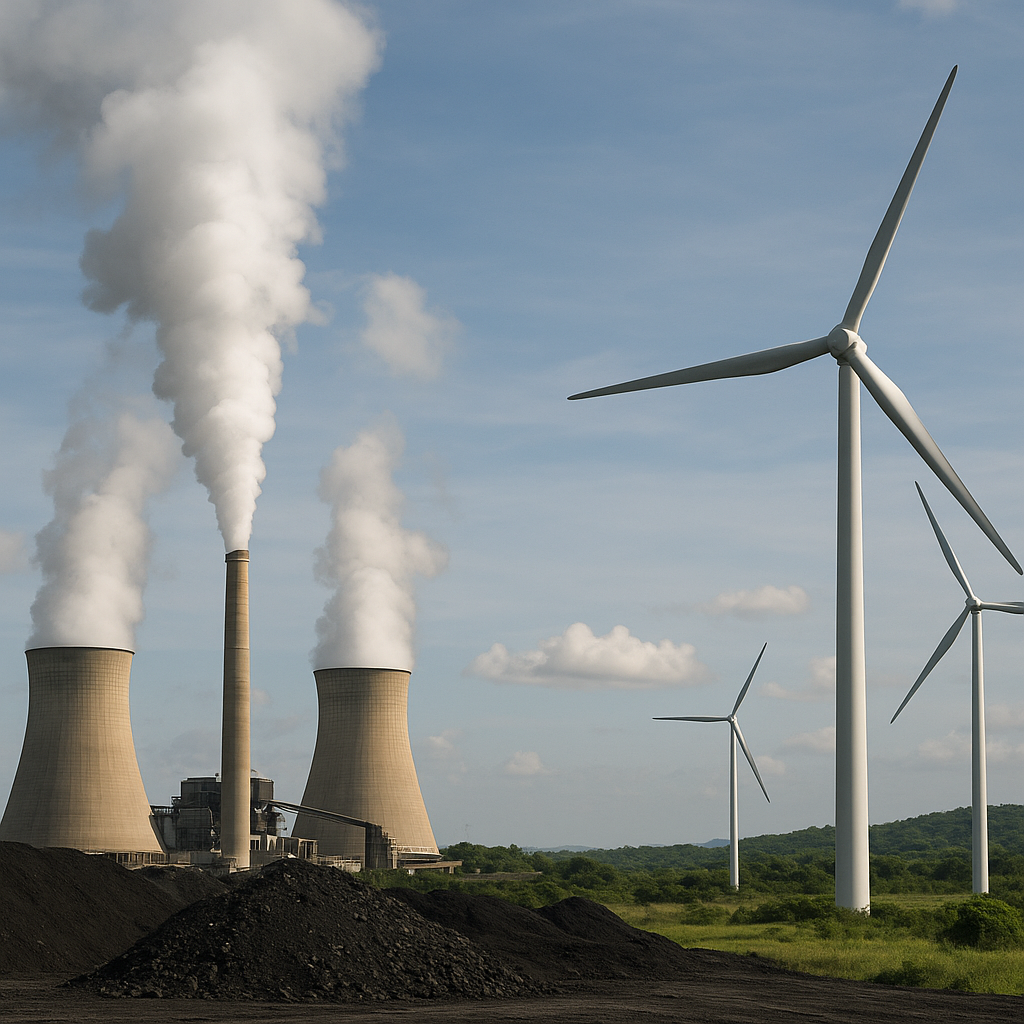
The Philippines has navigated a complex energy landscape where abundant natural resources meet growing electricity demand. Coal-fired power plants have long served as the backbone of the country’s generating capacity, offering reliable baseload output and relative cost advantages. Yet mounting concerns over carbon footprints and air quality have spurred interest in renewables such as solar, wind and geothermal sources. Balancing the roles of coal and green energy remains an urgent task for policymakers, utilities and investors who aim to secure affordable, clean and resilient electricity supplies.
Coal’s Role in the Philippine Energy Mix
Historical Evolution
Since the 1970s, the nation’s reliance on domestic hydropower and imported oil gave way to increased coal use. Discovery of large coal reserves in regions like Zambales and Semirara Island prompted a rapid build-out of coal-fired plants. Over four decades, coal capacity expanded from under 1 gigawatt (GW) to more than 12 GW today, reflecting its perceived advantages in energy security and cost stability. Government incentives and private sector partnerships fueled investments, while regulatory frameworks prioritized capacity additions to meet surging demand.
Current Capacity and Performance
Coal-generated electricity now contributes roughly 45 percent of total power output. Modern supercritical and ultra-supercritical units in areas like Batangas and Bataan boast higher thermal efficiencies—up to 45 percent—reducing specific emissions per kilowatt-hour. Nonetheless, older subcritical plants persist in several grids, often reporting lower performances and higher fuel consumption rates. Grid operators continue to dispatch the most efficient units first, but system reserves must accommodate outages, creating a dynamic interplay between dispatch cost and reliability.
Coal Stock and Market Dynamics
Pricing Trends and Supply Chains
Global coal benchmarks and long-term supply contracts heavily influence the prices faced by Philippine utilities. The Newcastle Thermal Coal price, a global reference, has fluctuated between USD 70 and USD 150 per metric ton in recent years. Domestic producers, constrained by mine capacity and logistics, sometimes sell at premiums due to shipping bottlenecks. To hedge risk, several utilities maintain a diversification strategy—mixing spot market purchases with indexed and fixed-price agreements that protect consumer tariffs against sudden spikes.
Investor Sentiment and Financial Instruments
As environmental concerns intensify, traditional investors and financiers reassess exposure to coal assets. Green bonds and sustainability-linked instruments have grown more popular, encouraging energy firms to incorporate decarbonization targets. Nevertheless, coal projects continue to attract funding, particularly when backed by government guarantees or stable off-take agreements. Analysts track key metrics such as debt service coverage ratio (DSCR) and fuel cost pass-through mechanisms to evaluate project bankability.
Environmental Impact and Regulatory Landscape
Coal combustion remains a significant source of emissions—including sulfur dioxide (SO₂), nitrogen oxides (NOₓ) and particulate matter—which pose public health risks. In response, the Department of Energy (DOE) and the Department of Environment and Natural Resources (DENR) have enacted tighter emissions standards and mandatory installation of flue-gas desulfurization (FGD) units. Ongoing initiatives promote carbon capture utilization and storage (CCUS) pilot programs, though high capital costs and technical hurdles limit widespread adoption.
Additionally, the implementation of a national carbon pricing mechanism is under study, aiming to internalize environmental externalities and incentivize efficiency improvements. Utilities could face additional levies for exceeding emission thresholds, nudging them to replace or retrofit older coal plants with advanced technologies or retire them entirely.
Balancing Act: Coal versus Renewables
Integrating a growing share of intermittent renewables requires enhanced grid flexibility and grid stability measures. Coal plants, known for their ramping capabilities, can complement solar and wind output variability. Strategic scheduling allows coal units to operate in load-following mode, adjusting output based on real-time renewable generation and demand.
- Ancillary Services: Coal units can provide spinning reserves, voltage support and frequency regulation, crucial for system reliability.
- Capacity Remuneration: Capacity payments to coal plants ensure they remain available during peak demand and renewable lulls.
- Hybridization: Some developers explore co-firing biomass or hydrogen with coal to lower carbon intensity while reusing existing infrastructure.
Despite these synergies, social license issues and community opposition have halted several proposed coal expansions. Civil society and local governments increasingly demand greater transparency in environmental impact assessments and consultation processes.
Future Outlook and Technological Innovations
Looking ahead, the Philippine power sector aims for a 35 percent share of renewable installed capacity by 2030. Ambitious goals include:
- Deployment of advanced ultra-supercritical coal plants achieving efficiencies above 45 percent.
- Scaling sustainability initiatives such as bio-coal, green hydrogen co-firing and afforestation offsets.
- Strengthening transmission infrastructure to integrate remote wind and solar farms with urban load centers.
Breakthroughs in energy storage, such as grid-scale batteries and pumped hydro, will also reshape the dispatch merit order. Over time, coal’s share may recede, but in the near to medium term, it will remain a vital component for ensuring reliable and cost-effective power. The success of this energy transition hinges on clear policy signals, robust investment frameworks and continuous innovation to reconcile economic growth with environmental stewardship.