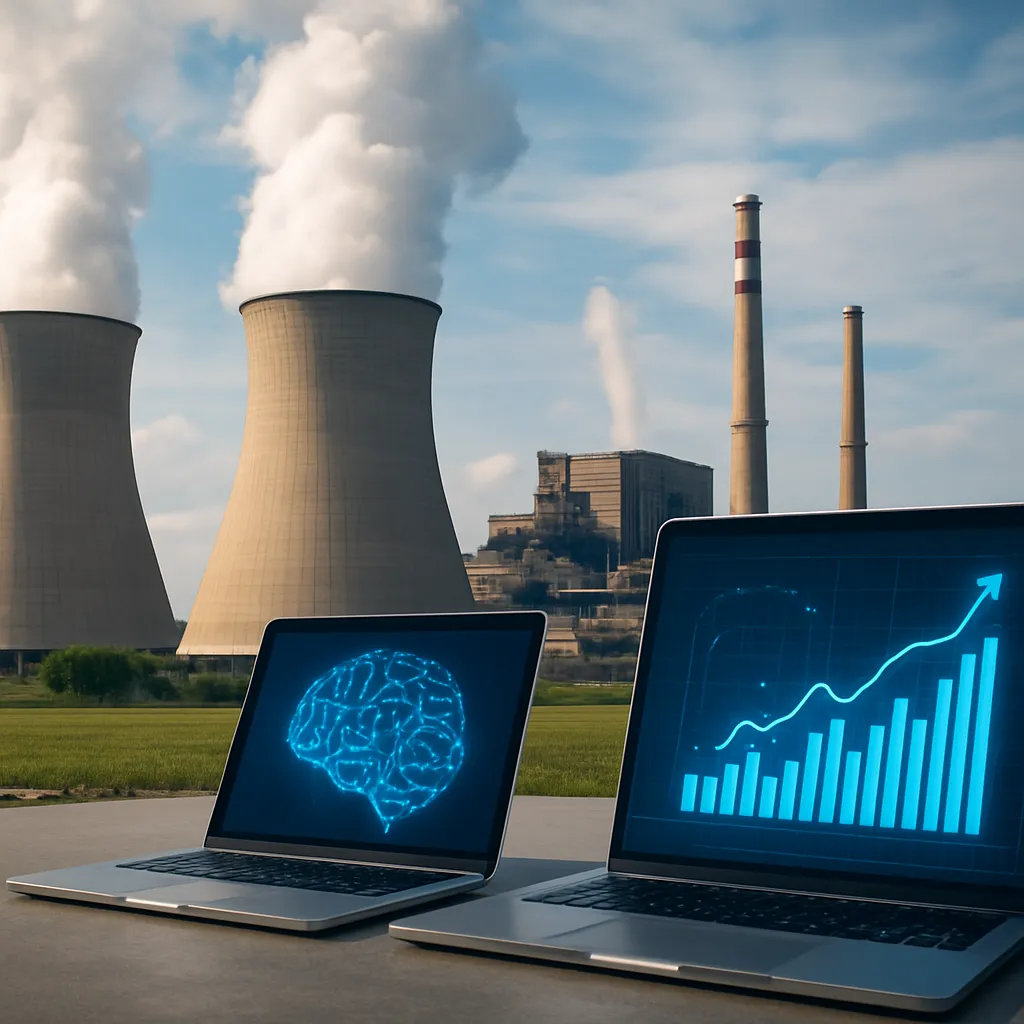
From the legacy of deep shafts to modern trading floors, the story of coal weaves through industrial progress, financial markets, and environmental debates. As global energy demand evolves, understanding the dynamics of coal reserves and the behavior of coal stock becomes vital for investors, policymakers, and communities alike. This article explores key facets of the brown-black fuel that powered centuries of growth, examines how its market presence shapes investment trends, and highlights innovative ways to repurpose aging infrastructure for a cleaner future.
Coal Industry and Market Dynamics
Origins and Geological Reserves
Formed over millions of years from decomposed plant matter, coal appears in various ranks—lignite, bituminous, and anthracite—each defined by carbon content and energy density. Major reserve holders include the United States, Russia, China, and India, where vast deposits underpin regional economies. Beyond raw tonnage, factors like seam depth, extraction cost, and accessibility determine the real value of a mine.
Production Methods and Environmental Footprint
- Surface mining (strip and open-pit) offers low cost but high land disturbance.
- Underground mining accesses deeper seams with greater safety challenges.
- Emissions: Coal combustion accounts for a significant share of global CO₂, SO₂, and particulate release.
While carbon capture technologies aim to mitigate greenhouse gases, the legacy of acid rain and air pollution still shapes public opinion. Regulatory regimes—emission standards, carbon taxes, and cap-and-trade systems—play a crucial role in redefining the cost structure of coal-fired power.
Global Demand and Price Fluctuations
Coal prices often correlate with steel production cycles and power generation demand. During economic booms, higher industrial output pushes demand upward, tightening supply and driving up market rates. Conversely, the rise of renewable energy sources and environmental policies can trigger rapid price retrenchments. Shipping costs, geopolitical tensions, and currency shifts further compound volatility, making coal an asset class subject to multifaceted influences.
Coal Stock Valuation and Investment Trends
Key Metrics for Investors
- Production volume and reserve replacement ratio.
- Cost per metric ton mined, washed, and delivered.
- Debt levels and free cash flow generation.
- Environmental liabilities and remediation provisions.
Analysts rely on these parameters to gauge the health of mining companies and power generators. High-cost producers struggle when spot prices slump below break-even, whereas low-cost benchmarks can weather downturns more effectively.
Equity vs. Commodity Markets
Investing directly in coal involves two primary routes:
- Equity stakes in mining firms and public utilities, where share prices reflect future cash flows, management efficiency, and balance sheet strength.
- Futures and spot contracts for thermal or metallurgical coal, traded on exchanges such as ICE and CME, offering traders direct exposure to price swings.
Hedging strategies often combine these instruments, enabling producers to lock in prices for upcoming quarters and reduce exposure to sudden volatility. Meanwhile, speculators and commodity funds can drive short-term price momentum, amplifying fluctuations.
ESG Considerations and Divestment Movements
Environmental, Social, and Governance (ESG) criteria increasingly influence capital flows. Large institutional investors and pension funds face pressure to divest from high-carbon assets. Consequently, some coal companies pivot by investing in carbon capture projects, co-firing biomass, or exploring mining opportunities for critical minerals used in batteries and renewables. These strategies aim to balance shareholder returns with societal expectations.
Repurposing Coal Infrastructure for Renewable Energy
Pumped Hydro and Underground Storage
Decommissioned mines and caverns provide ready-made reservoirs for hydropower storage projects. By flooding abandoned tunnels or voids, operators create lower and upper reservoirs that enable energy to be pumped uphill during periods of surplus and released through turbines when needed. This symbiosis leverages existing mine shafts, reducing excavation costs and environmental impacts.
Solar PV and Wind Installations
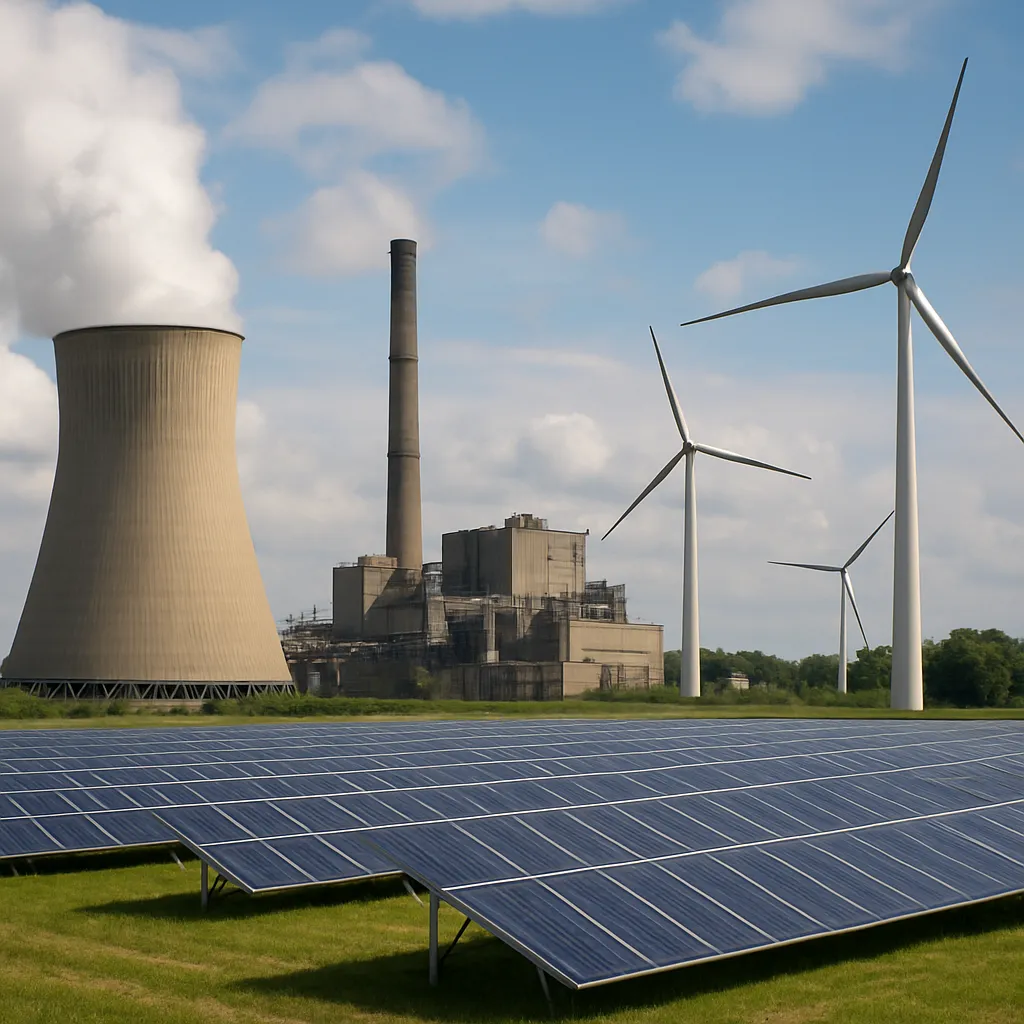
Vast tracts of leveled land around former coal plants have become prime sites for large-scale solar farms and wind turbines. The existing grid connection points, high-voltage substations, and transmission lines expedite project development. Some utilities bundle repowered solar-wind hybrids with battery energy storage to deliver stable output akin to the retired coal units.
Innovations in Biomass Co-firing
Blending biomass pellets with coal in older boilers offers a transitional path toward lower emissions. By replacing a fraction of coal feedstock with agricultural residues or wood byproducts, facilities can cut net CO₂ output and extend asset life. While true zero-carbon operation demands full coal phase-out, co-firing demonstrates how traditional plants can adopt cleaner fuel mixes with minimal retrofits.
Geothermal and District Heating Opportunities
Deep coal mine waters often retain geothermal heat, which can be harnessed for district heating networks or low-temperature power cycles. Projects in Europe and North America have tapped these reservoirs, supplying local communities with sustainable warmth while addressing the legacy of mine drainage management.
Stakeholder Collaboration and Policy Support
- Public-private partnerships mobilize funding for repowering initiatives.
- Grants and tax incentives accelerate conversion of coal sites to renewable hubs.
- Community engagement ensures job retraining programs align with new industry needs.
By aligning regional development funds with energy transition goals, coal regions can transform economic liabilities into hubs of sustainability and innovation.