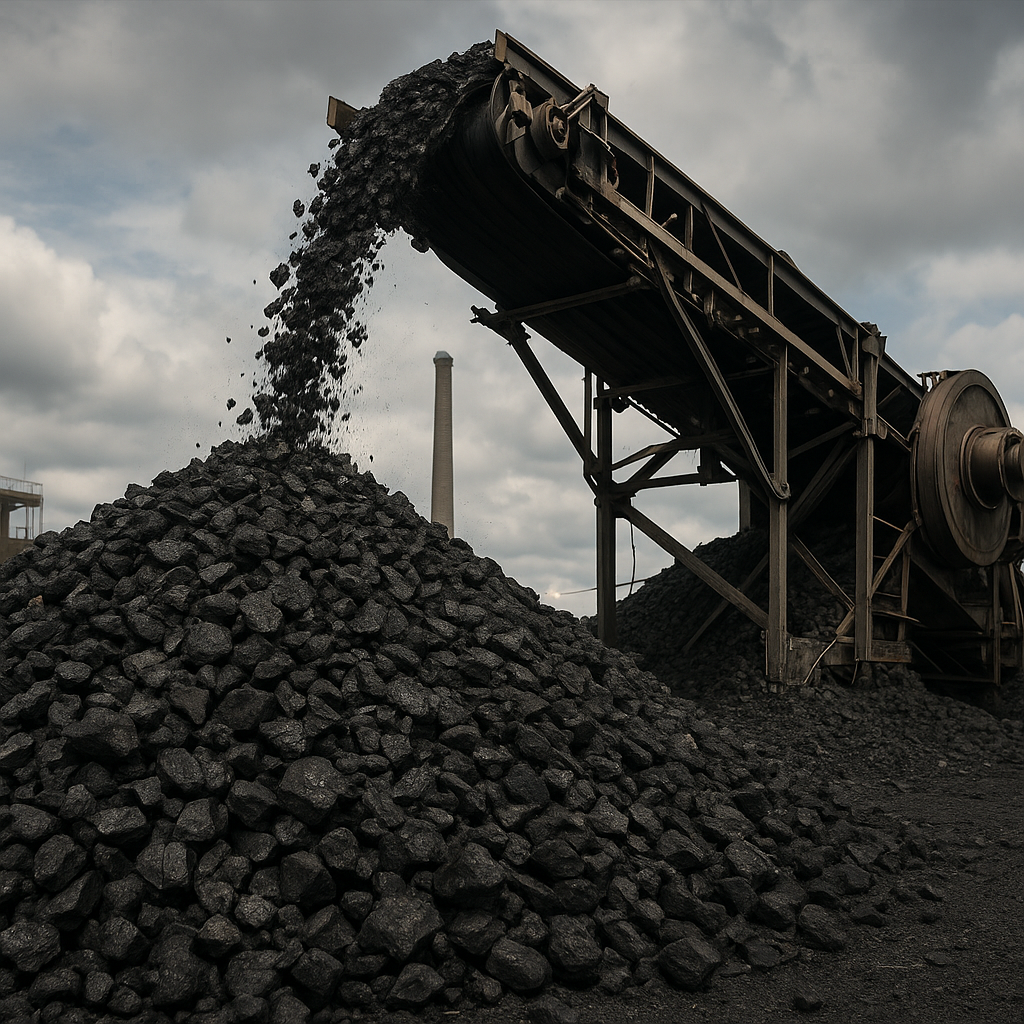
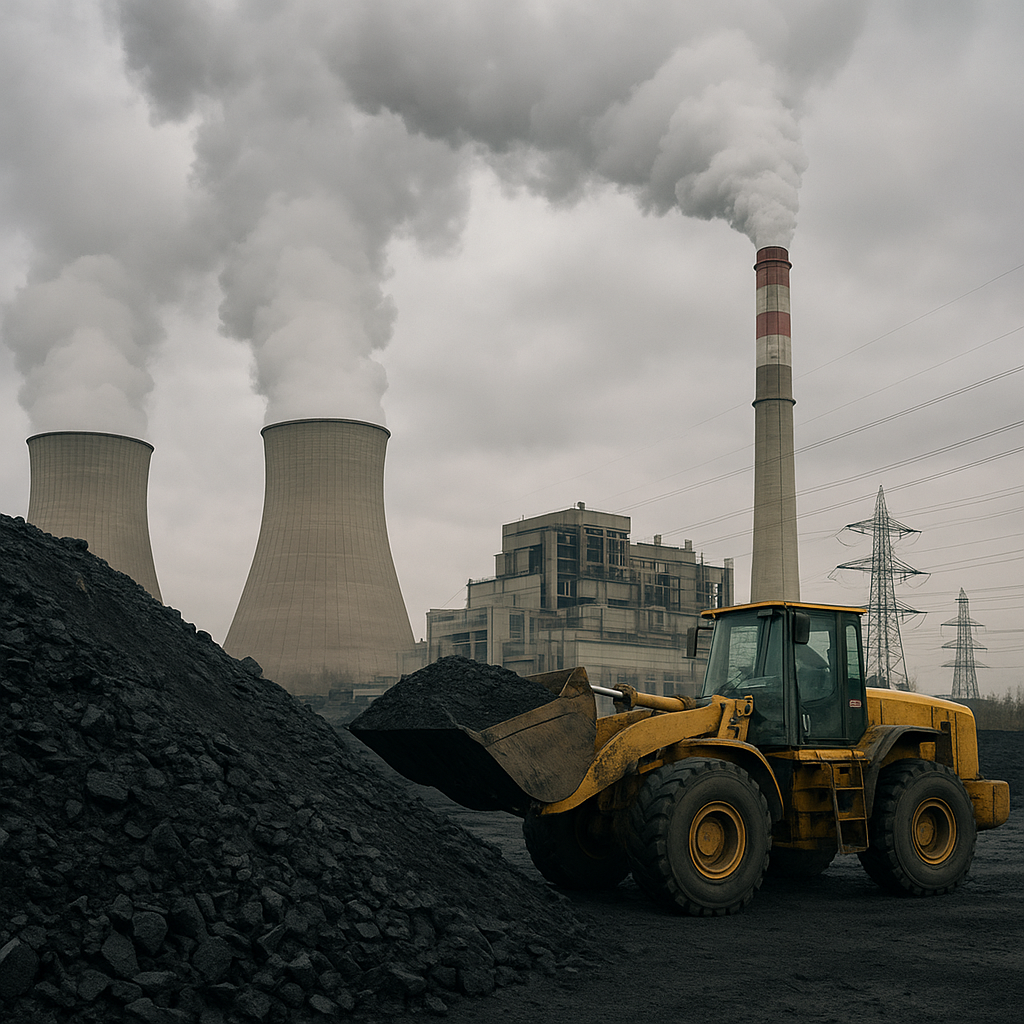
The transition of the global energy landscape has placed the coal sector at a critical crossroads. In this article, you will explore the underlying dynamics of coal extraction, the performance of coal stocks, and the multifaceted relationship between traditional energy sources and emerging alternatives. Through a detailed examination of market trends, regulatory pressures, and technological advancements, we uncover how the coal industry continues to adapt in a transforming energy economy.
Coal Fundamentals and Geological Origins
Deep within Earth’s crust, organic material from ancient forests and peat bogs underwent a process known as coalification. Over millions of years, heat and pressure compressed these remains into layers of lignite, bituminous coal, and ultimately anthracite. Each rank of coal is defined by its carbon content and energy density:
- Lignite: Often called “brown coal,” with high moisture and lower calorific value.
- Bituminous coal: Widely used in power generation and steel production.
- Anthracite: The highest rank, noted for its superior energy output and low impurities.
Coal remains a cornerstone for electricity generation in many regions, especially in rapidly industrializing nations. Its prevalence is tied to vast reserves, established mining infrastructure, and relatively low extraction costs. However, the environmental toll — primarily due to greenhouse gas emissions — poses significant challenges.
Market Dynamics of Coal Stocks
Investing in coal companies requires a nuanced approach. Market capitalization, trading volume, and global demand each play pivotal roles in stock valuation. Key drivers include:
- Regulatory Environment: Emissions standards and carbon pricing can alter profitability.
- Commodity Prices: Fluctuations in coal prices directly affect revenue streams.
- Supply and Demand: Domestic production levels versus export opportunities.
For instance, large-cap coal producers often benefit from economies of scale, while smaller firms may experience greater volatility. Equity analysts monitor indicators such as the thermal coal spot prices, the balance sheets of mining corporations, and anticipated government subsidies or penalties. In some markets, infrastructure constraints — rail capacity, port availability — can become bottlenecks, causing price divergence across regions.
Key Metrics for Evaluation
- Price-to-Earnings (P/E) Ratio: Gauges market expectations relative to earnings.
- Debt-to-Equity: Assesses financial leverage and risk exposure.
- Free Cash Flow: Indicates capacity to fund dividends or reinvest in operations.
Investors also consider the strategic positioning of coal companies. Those with diversified portfolios — including metallurgical coal for steelmaking — may better withstand shifts in energy demand.
Regulatory Pressures and Environmental Concerns
As global awareness around climate change intensifies, coal faces mounting scrutiny. Governments and regulatory bodies have introduced measures such as carbon taxes, emission trading systems, and mandated renewable energy quotas. These interventions can significantly increase the operational costs for coal-fired power plants.
- Carbon Taxation: Direct levy on each tonne of CO2 emitted.
- Emissions Trading Schemes (ETS): Cap-and-trade systems allocating emission allowances.
- Clean Air Standards: Limits on sulfur dioxide and nitrogen oxide discharges.
In many jurisdictions, outdated plants struggle to install costly pollution-control equipment, further undermining their competitiveness. Meanwhile, developing economies often balance energy security against environmental obligations, leading to a patchwork of policies.
Technological Innovation and Coal’s Evolving Role
Despite challenges, the coal industry is not standing still. Advances in technology aim to mitigate environmental impact and extend the usability of coal resources:
- Carbon Capture and Storage (CCS): Capturing CO2 emissions for underground sequestration.
- Gasification Technologies: Transforming coal into syngas for cleaner combustion.
- Efficiency Upgrades: Retrofitting plants with supercritical and ultra-supercritical boilers.
These innovations promise to reduce carbon intensity, though high capital costs and uncertain policy incentives remain obstacles. Some mining operators also invest in digitalization — employing AI and IoT sensors for predictive maintenance and improved safety.
Impact of Renewable Energy on Coal Demand
The rise of solar, wind, and other renewables exerts downward pressure on coal consumption. Key influences include:
- Levelized Cost of Energy (LCOE): Renewables often achieve lower LCOE, making them economically attractive.
- Grid Integration: Advances in battery storage enhance the reliability of intermittent sources.
- Corporate Procurement: Large companies signing power purchase agreements (PPAs) for green energy.
Seasonal and hourly demand patterns shift as grids incorporate more variable generation. Coal plants, traditionally used for baseload power, must now operate flexibly or face idling during peak renewable output.
Investor Strategies in a Changing Landscape
Long-term success in coal investments hinges on strategic foresight. Opportunities and risks include:
- Geographic Diversification: Exposure to markets with different regulatory regimes.
- Downstream Integration: Ownership of power plants or shipping assets to capture margins.
- ESG Considerations: Environmental, Social, and Governance metrics increasingly sway institutional investors.
Some portfolio managers pursue a “tilt” toward companies with credible decarbonization roadmaps, while others hedge through commodities derivatives. Activist investors may push for accelerated coal phase-out or redeployment of capital into cleaner ventures.
Future Outlook and Emerging Trends
As the energy transition accelerates, the coal industry faces both headwinds and adaptation pathways. Regions rich in coal reserves may repurpose mining communities for alternative industries, such as manufacturing or green hydrogen production. Meanwhile, technological advances in clean coal solutions could prolong the lifespan of existing assets.
Understanding the interplay between policy, market forces, and innovation is crucial. For stakeholders—be they corporate executives, investors, or policymakers—the coal narrative provides valuable lessons on managing legacy industries amid disruptive change.