Over the past decade, the global energy landscape has undergone seismic shifts driven by technological breakthroughs, geopolitical tensions, and evolving consumer preferences. As the world grapples with the twin imperatives of economic growth and environmental stewardship, coal continues to occupy a paradoxical position—simultaneously indispensable for certain industrial processes and a target for reduction due to its carbon intensity. The year 2025 marks a pivotal moment in understanding how various factors converge to reshape demand for coal, influence stock performance, and guide strategic choices for corporations, governments, and investors.
Market Dynamics and Global Demand Shifts
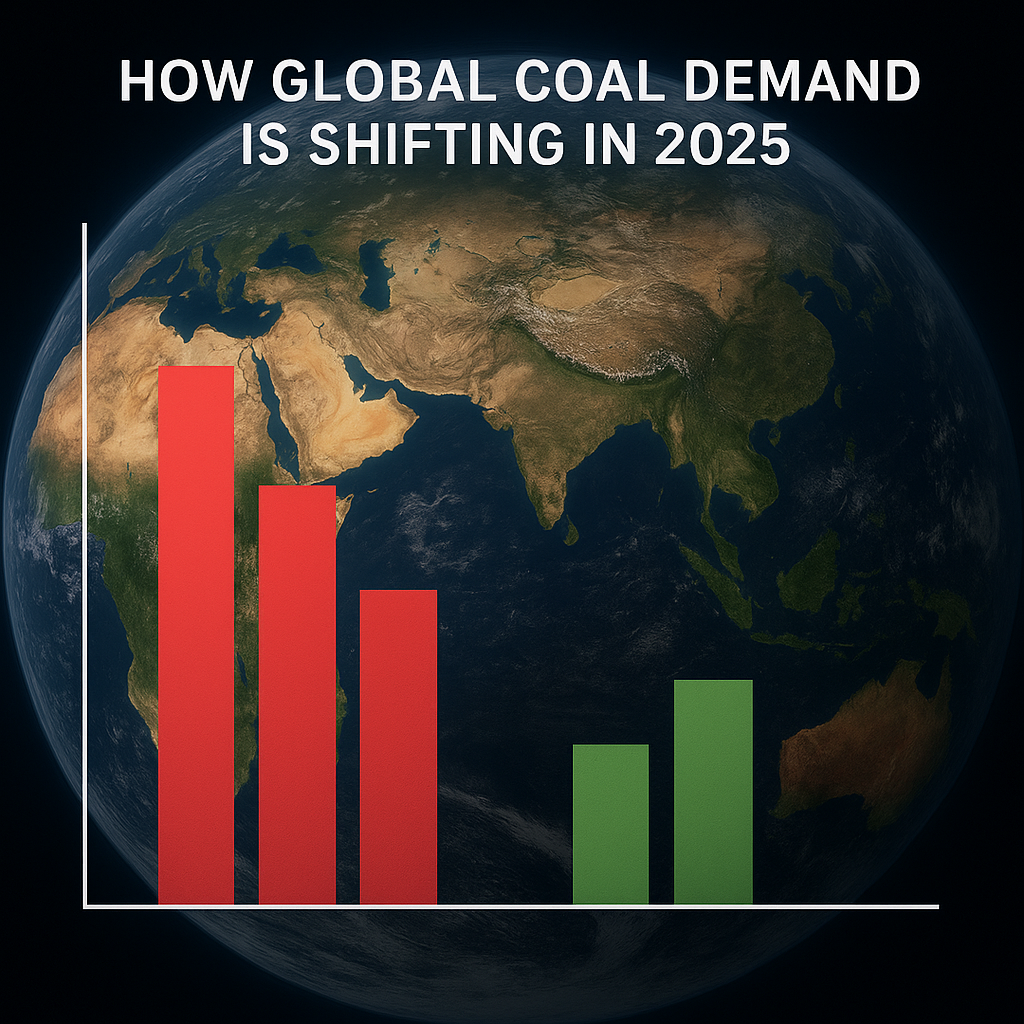
In 2025, the trajectory of coal consumption is no longer monolithic. While some regions move swiftly toward renewable sources and natural gas, others rely on plentiful domestic reserves to fuel industrial growth. The interplay between supply constraints and regulatory frameworks has given rise to a complex tapestry of demand patterns:
- Asia Pacific Resurgence: Despite aggressive renewable targets, several nations in South and Southeast Asia continue to ramp up coal-fired capacity to address persistent supply shortages and mounting electricity needs.
- European Stabilization: Tightened emissions standards and carbon pricing mechanisms have caused a gradual decline in coal-based generation. However, emergency reserve coal plants remain on standby to meet peak demand during cold snaps.
- North American Transition: The United States and Canada exhibit divergent trends—some states scale back coal in favor of shale gas, while others preserve coal jobs in the face of political pressure to maintain domestic energy security.
- African Infrastructure Growth: Emerging economies invest in coal-fired power to spur industrialization, often backed by external financing from large economies seeking to secure long-term resource partnerships.
Factors Driving Regional Variations
- Policy Incentives: Subsidies for coal or carbon taxes can dramatically reshape competitive dynamics between coal and alternative sources.
- Resource Endowment: Countries with vast coal reserves tend to leverage them for both energy and export revenues.
- Technological Adoption: Advances in carbon capture and storage (CCS) may extend coal’s viability in jurisdictions prioritizing sustainability.
- Global Supply Chains: Disruptions in shipping lanes or mining logistics can tighten global coal markets, influencing spot prices and long-term contracts.
Evaluating Coal Stock Performance and Investment Strategies
Investors eyeing the coal sector in 2025 must navigate a landscape marked by volatility, regulatory scrutiny, and evolving corporate governance norms. Analyzing stock performance demands a multifaceted approach:
Financial Metrics and Valuation
- Price-to-earnings (P/E) ratios in coal companies face downward pressure from low growth projections and higher risk premiums.
- Cash flow stability becomes paramount as many firms reinvest in emissions reduction technologies and diversification into cleaner energy.
- Dividend policies reflect management confidence—shrinking payouts may signal financial strain, while steady or rising dividends could attract yield-seeking investors.
Risk Assessment and Due Diligence
Key risks for coal investors include policy reversal, litigation over environmental damages, and technological obsolescence. Conducting thorough due diligence involves:
- Assessing a company’s transition plans toward lower-carbon operations, including investment in CCS or co-firing with biomass.
- Examining exposure to carbon markets and potential liabilities from unpriced future emissions.
- Evaluating management’s track record in navigating commodity price cycles and maintaining robust supply chains.
Diversification and Long-Term Outlook
Prudent portfolios now allocate a fraction of capital to coal-related equities, balancing them with stakes in renewable and natural gas ventures. A forward-looking strategy considers:
- Exposure to emerging markets where coal remains indispensable for near-term growth.
- Investment in companies that demonstrate credible pathways to decarbonization.
- Potential for consolidation in the coal industry, creating value through economies of scale.
Environmental and Policy Landscape
Regulatory measures and public sentiment in 2025 play a decisive role in steering the future of coal. Governments worldwide must reconcile the need for affordable energy with commitments to reduce greenhouse gas emissions.
International Agreements and Domestic Legislation
- The post-Paris framework intensifies pressure on high-emitting sectors, including coal. Carbon border adjustments and green tariffs become common.
- National policies vary—from outright coal phase-out timelines to extended lifespans for critical industrial plants.
- Sub-national entities (states, provinces) often pioneer ambitious targets, creating a patchwork of regulations that companies must navigate.
Corporate Social Responsibility and ESG Integration
Environmental, Social, and Governance (ESG) criteria now influence access to capital more strongly than ever. Coal producers adopt practices such as:
- Transparent reporting on emissions, water usage, and land rehabilitation efforts.
- Community engagement programs to address health impacts and socio-economic development.
- Partnerships with research institutions to trial low-carbon coal technologies.
Technology and Innovation
Breakthroughs in clean coal technologies offer a lifeline to the industry:
- Advanced capture methods that reduce CO₂ emissions by up to 90% in pilot projects.
- Small modular reactors (SMRs) complement coal baseload plants, creating hybrid systems with improved flexibility.
- Digital monitoring and AI-driven mining operations enhance efficiency and worker safety.
Future Outlook: Balancing Growth with Responsibility
As global stakeholders deliberate the role of coal in 2025 and beyond, several themes emerge:
- Energy Security vs. Emissions Targets: Nations with limited alternatives may lean on coal to safeguard their grids, even as they pledge emissions cuts.
- Investor Activism: Shareholders demand clearer transition plans or risk divesting from companies that fall short of global climate benchmarks.
- Regional Cooperation: Cross-border energy trade and financing models could facilitate sustainable modernization of coal fleets in developing economies.
- Innovation Drive: Continuous R&D investment in hybrid systems, next-gen capture, and alternate feedstocks will determine coal’s long-term viability.
In this ever-shifting environment, decision makers—from government officials to portfolio managers—must weigh economic imperatives against environmental responsibilities. Only through strategic collaboration, rigorous risk management, and a willingness to embrace innovation can the industry navigate the challenging path toward a balanced energy future. The global coal narrative in 2025 is neither a simple decline nor an unbridled surge; it is a nuanced evolution shaped by policy, investment trends, and the relentless pursuit of sustainability.