The journey of coal from its geological birth to its modern-day applications is a narrative marked by both industrial triumphs and environmental challenges. As nations worldwide seek cleaner energy solutions and innovative uses for traditional resources, the concept of repurposing coal waste for green construction emerges as a promising frontier. This article explores the multifaceted world of coal, coal stock dynamics, environmental implications, and cutting-edge strategies to transform byproducts into sustainable building materials.
Coal Origins and Fundamental Properties
Coal formation spans millions of years, originating from ancient plant matter subjected to intense heat and pressure beneath the Earth’s surface. The result is a dense, carbon-rich rock categorized into four main types: lignite, sub-bituminous, bituminous, and anthracite. Each variety exhibits distinct energy content and chemical composition.
- Lignite: Often referred to as brown coal, it has the lowest energy density and highest moisture content.
- Sub-bituminous: Intermediate rank, widely used for electricity generation in power plants.
- Bituminous: The most abundant variety, prized for its higher heating value and suitability for steel production.
- Anthracite: The highest rank, featuring the greatest carbon concentration and least impurities.
Key properties of coal include calorific value, volatile matter, ash content, and sulfur concentration. The combustion of coal releases heat through the oxidation of carbon, but also generates various emissions and solid residues.
Environmental Impact and Waste Challenges
While coal has historically powered industrial revolutions, its extraction and combustion leave a significant ecological footprint. Open-pit mines disrupt landscapes and habitats, while underground mining can cause subsidence and groundwater contamination. Upon burning, coal produces emissions such as carbon dioxide (CO₂), sulfur dioxide (SO₂), nitrogen oxides (NOₓ), and particulate matter.
One of the most pressing issues is the management of coal combustion byproducts, including:
- Fly ash: Fine particles captured from flue gases.
- Bottom ash: Coarser residues collected beneath boilers.
- Flue gas desulfurization sludge: Containing lime and gypsum byproducts.
Traditional disposal methods involve stockpiling these wastes in tailings ponds, posing risks of leachate release and catastrophic dam failures. As environmental regulations tighten, innovative waste valorization pathways gain traction, aiming to reduce environmental hazards and extract economic value from industrial leftovers.
Green Construction: Repurposing Coal Waste
The drive toward sustainability has spurred research into using coal waste as raw materials for the construction sector. By converting byproducts into building components, industries can lower carbon footprints and decrease reliance on virgin resources.
Fly Ash in Concrete Formulations
Fly ash serves as a supplementary cementitious material (SCM), replacing a portion of Portland cement in concrete mixes. Benefits include:
- Improved workability and water retention.
- Enhanced long-term strength and durability.
- Reduced heat of hydration, minimizing thermal cracking.
Incorporation rates of up to 30% fly ash can yield high-performance concrete, cutting CO₂ emissions associated with cement production and mitigating fly ash stockpile accumulation.
Bottom Ash as Aggregates
Crushed bottom ash granules can replace natural sand and gravel in various applications, including:
- Road base and subbase layers.
- Lightweight concrete blocks.
- Landscaping materials and drainage systems.
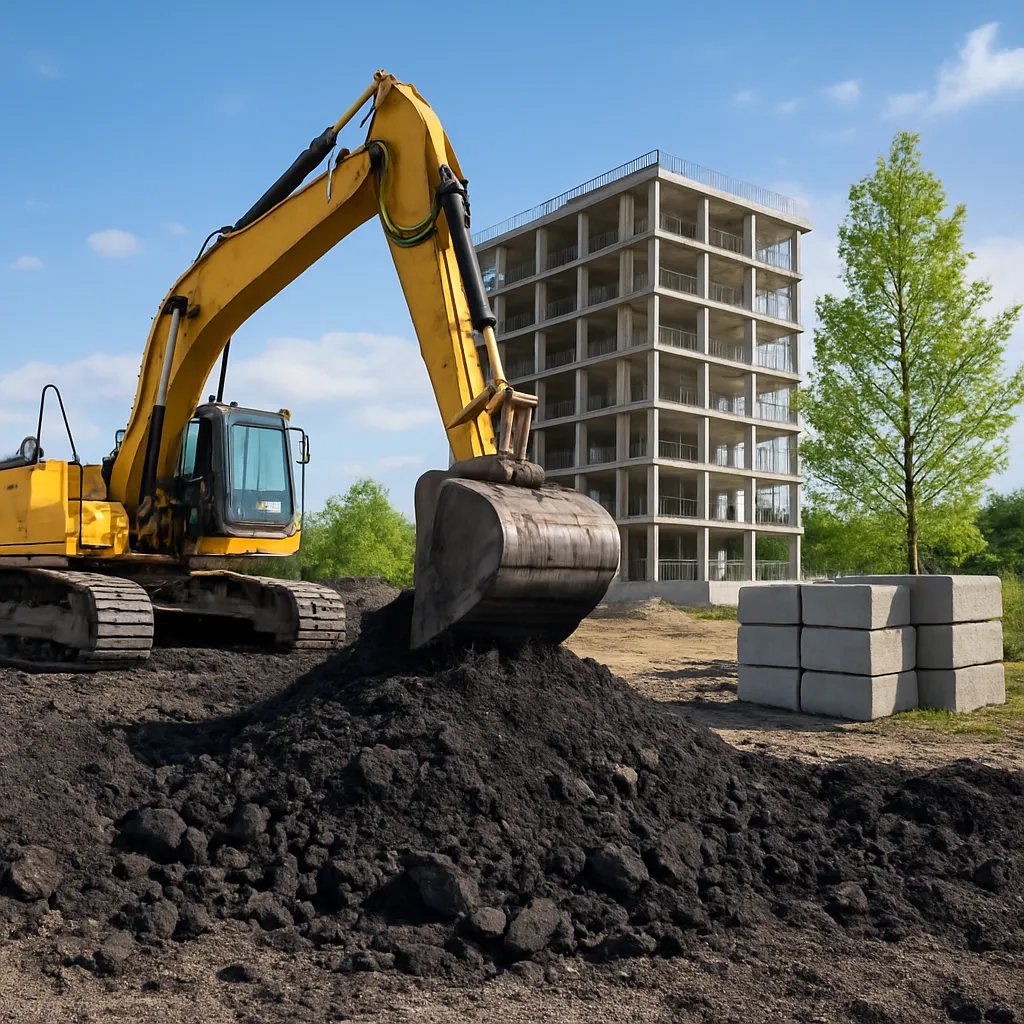
This repurposing reduces quarrying impacts and offers a practical solution for managing ash residues.
Gypsum from Flue Gas Desulfurization
Flue gas desulfurization (FGD) processes generate synthetic gypsum suitable for gypsum board production, plaster, and soil amendment. Utilization rates can exceed 90%, turning a hazardous waste stream into a valuable commodity.
Coal Stock Markets and Investment Trends
Global coal trade and investment are influenced by energy demands, regulatory frameworks, and technological advancements. Key factors shaping the stockpile and pricing of coal include:
- Seasonal demand spikes for heating during winter months.
- Shifts in government policies promoting renewable energy over fossil fuels.
- Logistical constraints in rail, port, and shipping infrastructure.
Investors track coal futures and spot prices on commodity exchanges, assessing supply disruptions, geopolitical tensions, and innovation in carbon capture and storage (CCS). While some regions phase out coal-fired power plants, others expand mining activities to meet industrial growth, creating a complex global mosaic of coal investment opportunities.
Innovations and Future Prospects
As the world confronts climate change, industries are exploring advanced technologies to transform coal waste into high-value products. Notable innovations encompass:
- Carbon Capture and Utilization (CCU): Converting captured CO₂ into chemicals, fuels, and construction materials.
- Magnetite recovery: Extracting iron-rich particles from fly ash for steelmaking.
- Geopolymer synthesis: Creating binders from aluminosilicate-rich coal residues for eco-friendly concrete.
These technologies not only address environmental concerns but also offer economic incentives by unlocking new revenue streams. Collaboration between academia, industry, and regulatory bodies is critical to scaling these solutions and integrating them into mainstream construction and manufacturing practices.
Building Sustainable Infrastructure with Coal Byproducts
Repurposing coal waste aligns with circular economy principles, turning liabilities into assets and fostering resilient infrastructure. Projects worldwide demonstrate the viability of ash-based pavements, geopolymer bricks, and synthetic gypsum panels. By embracing these approaches, stakeholders can achieve multiple goals:
- Reducing landfill pressures and ecological risks.
- Lowering greenhouse gas footprints of construction projects.
- Supporting local economies through innovative material supply chains.
Ultimately, the transition from waste disposal to resource valorization marks a pivotal step toward a greener construction paradigm. Through continued research and strategic partnerships, the latent potential of coal byproducts can be harnessed, forging pathways to more sustainable and resilient built environments.