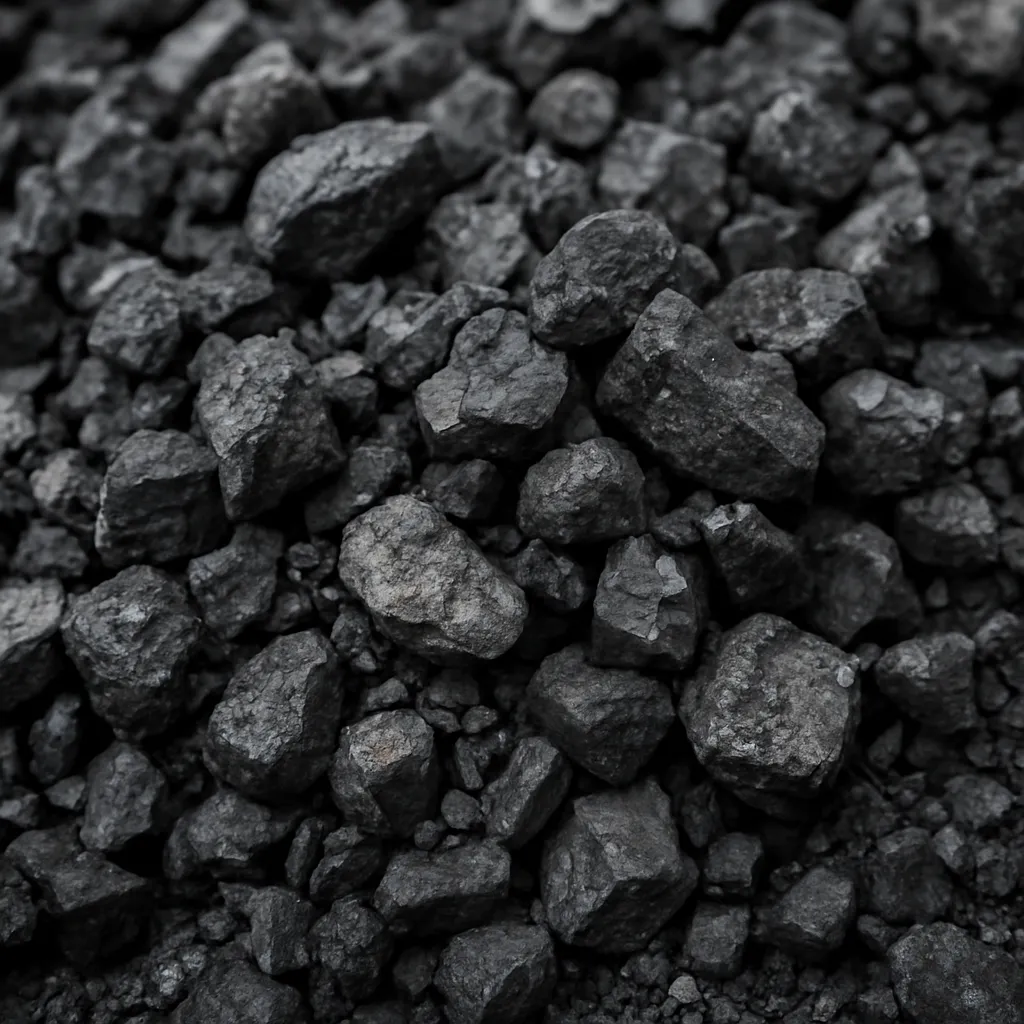
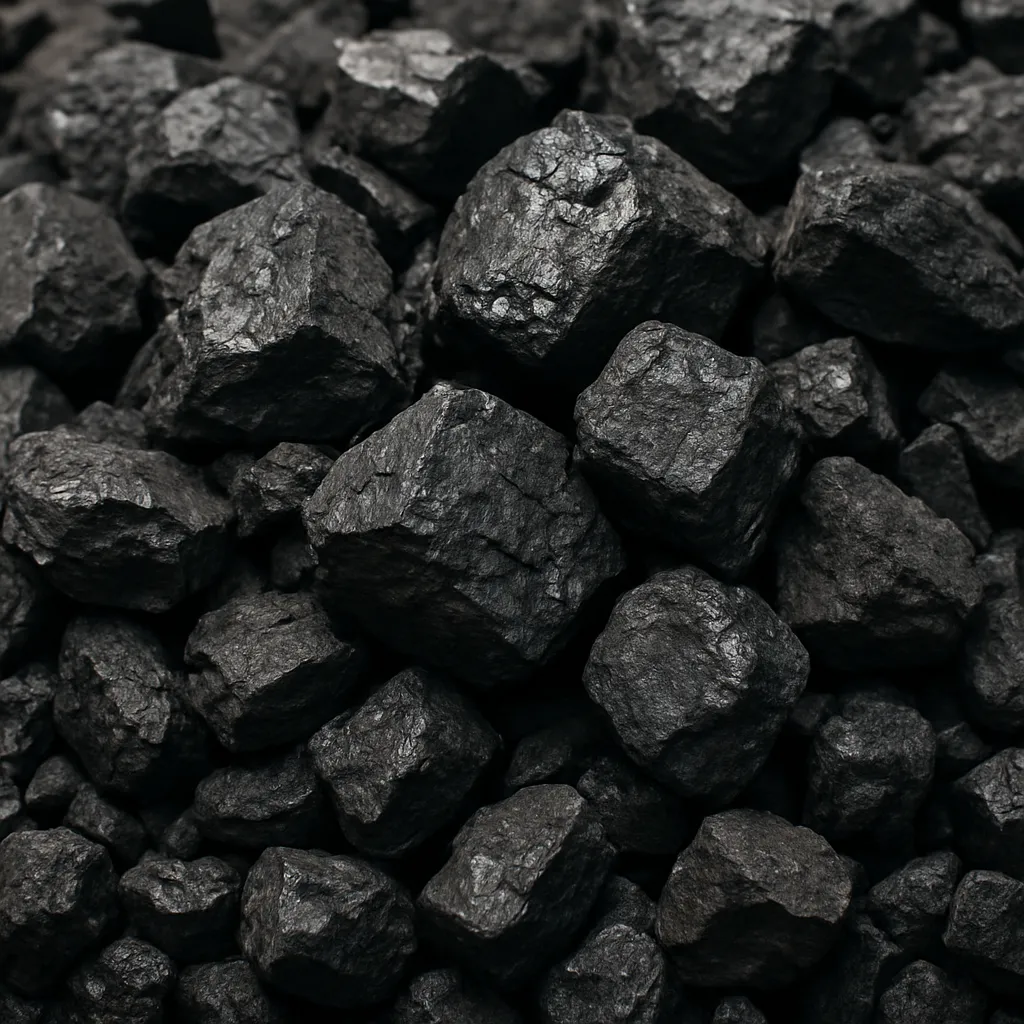
Forge coal occupies a unique niche within the wider family of fossil coals: a traditional fuel valued by smiths, foundries and small metallurgical operations for its workability and heat characteristics. While the global conversation about coal often centers on thermal power generation and the environmental challenges it poses, forge coal — and the closely related coking or metallurgical coals — remain crucial to metalworking, steelmaking and heritage crafts. This article examines what forge coal is, where it occurs and is mined, its economic and statistical footprint, industrial significance, and broader historical and environmental context.
What is forge coal? Types, properties and how it differs from other coals
Forge coal is a colloquial term generally used to describe coals suitable for producing a hot, steady bed of embers for blacksmithing and forging. It overlaps with, but is not identical to, the technical categories of coking coal and high-quality bituminous coal. The performance of any coal in a forge depends on its rank, volatile matter, ash content and how it reacts under a forced air supply (such as a bellows or blower).
Coal ranks and relevance to forging
- Lignite and sub-bituminous coals: lower carbon content and lower heating value; generally unsuitable for traditional forging because they burn quickly and produce more smoke and clinkers.
- Bituminous coal: often preferred for forging and smithing because it forms a dense, long-lasting bed of coals and produces the necessary heat and a workable flame for welding. Some varieties are prized for their ability to hold a hot coal bed.
- Anthracite: a hard coal with high carbon content, burns hotter and cleaner but can be harder to get to a welding heat in an open forge; sometimes used with additions or as fuel in specialized forges.
- Coking coal: technically a subset of bituminous coal suitable for conversion to coke in ovens; coke is essential for blast furnace ironmaking and also used in some forge or foundry applications where a cleaner, hotter carbon source is required.
Chemical properties commonly considered include fixed carbon (higher is better for sustaining embers), volatile matter (affects flame and ignition), moisture and ash content. Typical gross calorific values range widely: anthracite about 30–33 MJ/kg, bituminous varieties 24–35 MJ/kg, and lignite much lower. For smithing, a balance is sought between fuel that lights and sustains heat easily and one that does not produce excess clinker (fused ash).
Occurrence and mining: where forge coal is found and who produces it
Coal forms in sedimentary basins from the compaction of plant material over geological time; economically valuable seams are found on every continent except Antarctica. Specific deposits that have supplied forge and coking coals are historically associated with certain regions and their geology.
Major producing regions and deposits
- China: the largest overall coal producer and consumer in the world. Chinese reserves include significant bituminous resources used domestically for both thermal and metallurgical purposes.
- Australia: a leading exporter of coking coal and metallurgical grade coals. Large basins such as the Bowen and Surat provide coals for export markets, especially to East Asia.
- United States: extensive coal basins (Appalachian, Illinois Basin, Powder River Basin) produce bituminous and sub-bituminous coals. Appalachian coals historically supplied smiths and metalworking industries in the eastern U.S.
- Russia: large coal reserves including metallurgical grades, with major export infrastructure across the Arctic and Pacific corridors.
- India: large domestic coal production with growing interest in higher-quality metallurgical coals for expanding steel production.
- South Africa and Poland: regional producers supplying domestic industries and export markets; specific basins in both countries have historically produced bituminous coals used in smithing and coking.
At a smaller scale, many traditional forge coals were prized regionally — for example, Welsh coals in Britain were historically preferred by blacksmiths for their workability. Modern demand for smithing-grade coal is much smaller than that for steam or power coals, but specialist producers and merchants still supply small lots to artisanal blacksmiths and heritage workshops worldwide.
Economic and statistical overview
The global coal market is dominated by thermal use for electricity generation, but the subset of coals used in metallurgy — including those suitable for conversion to coke or direct forge use — has outsized importance due to steel production. Economic indicators for forge-grade and metallurgical coals must be viewed within that broader market context.
Global production and trade patterns
Worldwide coal production in recent years has been on the order of several billion tonnes annually. The largest producing country is China, responsible for a substantial share of global output. Among exporters, Australia is the dominant supplier of seaborne metallurgical coal, followed by producers in countries like the United States, Canada and Russia.
Metallurgical coal (coking coal) constitutes a minority of total coal production by mass but is economically crucial because it is a key input for steelmaking. Depending on global steel demand, coking coal consumption and prices can be volatile: in periods of rising construction and manufacturing activity demand increases, while supply disruptions or trade restrictions can lead to sharp price spikes.
Price dynamics and market drivers
- Steel demand: primary driver of metallurgical coal consumption. Construction booms and infrastructure programs push up demand for both steel and coking coal.
- Supply constraints: mining disruptions, exports limits, or logistical bottlenecks can quickly tighten markets because seaborne coking coal trade is concentrated among a few exporters.
- Substitution and efficiency: technological advances in steelmaking (increased recycling of scrap steel in electric arc furnaces) can reduce dependence on metallurgical coal, while some processes require high-quality coke and are difficult to substitute.
Exact figures for production, trade and prices fluctuate annually. Broadly, coking coal and coke markets are smaller in volume than thermal coal but command higher per-tonne values due to their specific properties and importance to metallurgy. Smaller niche markets for traditional forge coal exist in many countries, often supplied by local mines, reclaimed coal, or specialty distributors.
Significance in industry: forging, steelmaking and beyond
Forge coal supports several important industrial and craft activities, from small-scale blacksmithing to large-scale steel production (via the coke route). Understanding its role requires distinguishing between uses:
Blacksmithing, artisan metalwork and heritage uses
- Traditional blacksmiths prize certain coals for their ability to produce a long-lasting, manageable fire suitable for shaping, welding and heat-treating iron and steel. The coal bed’s behavior impacts how easily a smith can reach and maintain welding temperatures.
- Heritage sites, living museums and reenactment communities often source authentic forge coal or substitutes to recreate historical metalworking conditions.
- Specialty markets: bladesmiths, farriers and toolmakers sometimes prefer coal for particular aesthetic or metallurgical reasons or for authenticity in recreating historic techniques.
Metallurgy and steelmaking
In industrial terms, the most important coal-related product is coke, produced by heating selected coals in the absence of air in coke ovens. Coke acts as both a fuel and a reducing agent in blast furnaces, enabling the conversion of iron ore to pig iron and then steel. The quality of coke (strength, porosity, volatile content) directly affects blast furnace performance and the quality of steel produced.
- Integrated steel mills rely on metallurgical coal to produce coke; the availability and price of suitable coal affect steel production costs.
- Electric arc furnace (EAF) steelmaking, which can use scrap steel and electricity, reduces some dependence on coking coal, but globally many regions still rely heavily on blast furnaces.
Other industrial uses
Beyond smithing and ironmaking, certain industrial processes use coke or metallurgical coals for high-temperature heating, carbon content in chemical processes, and as feedstock in metallurgical industries. Small-scale foundries may use coke as a cleaner-burning fuel compared with raw coal.
Historical notes and cultural aspects
Coal has been central to industrial development since the 18th century. Before coke became widespread in blast furnaces, charcoal was the principal fuel for smelting iron; the switch to coke enabled much larger-scale iron production and was a cornerstone of the Industrial Revolution. The adaptation of coal in village forges and workshops shaped regional crafts and economies.
- In Britain, the discovery that certain bituminous coals could be converted to coke and used in blast furnaces (pioneered in the early 18th century) revolutionized ironmaking.
- Local forge coal traditions: in many countries, particular seams were famed for their quality for smithing, influencing local metalworking practices and craft specializations.
Environmental, regulatory and future outlook
Coal, including forge and coking coal, faces environmental scrutiny because of greenhouse gas emissions and local pollution from mining and combustion. However, the need for metallurgical carbon in steelmaking presents unique challenges for decarbonization.
Environmental concerns
- CO2 emissions: combustion of coal and coke releases significant CO2; blast furnaces themselves are major industrial sources of greenhouse gases.
- Local impacts: mining can lead to landscape change, water and soil contamination, and air pollution; combustion emits particulates and sulfur or nitrogen oxides depending on coal quality.
- Health impacts: historically, coal smoke has had adverse impacts on urban air quality and public health; many regulations exist to control emissions from industrial and domestic coal use.
Decarbonization and technological paths
Several strategies are being explored to reduce the carbon footprint of steel and related industries:
- Increased recycling and substitution: EAF steelmaking using scrap reduces the need for coke, but high-quality scrap availability limits this approach.
- Hydrogen-based reduction: pilot projects aim to use hydrogen (produced from renewable energy) to reduce iron ore directly, potentially cutting out coke use entirely in the long term.
- Carbon capture and storage (CCS): retrofitting blast furnaces with CCS could lower emissions while retaining existing metallurgical routes.
- Coke efficiency and alternatives: research into alternative reductants, improved coke quality, and process efficiency aims to reduce overall coal intensity.
Interesting facts and niche information
- Forge coal remains available in many regions, but the market is largely niche; many modern blacksmiths have switched to gas forges for convenience, though coal forges persist for traditionalists.
- Some blacksmithing schools and apprenticeships emphasize coal forge skills as part of cultural heritage, ensuring continued albeit limited demand for quality forging coals.
- The seaborne market for metallurgical coal is concentrated; a relatively small number of exporters and buyers can cause sharp price movements in times of supply disruption.
- Coal composition influences not just heat but also the quality of steel and castings; impurities in coal can end up in coke and affect metallurgical processes.
Forge coal and related metallurgical coals bridge a wide spectrum — from small hearths where blades and horseshoes are made, to giant blast furnaces that produce the raw materials of modern infrastructure. Their importance to traditional craft and heavy industry makes them technically and economically significant, even as the global energy transition and technological innovation reshape demand patterns. Understanding forge coal means appreciating both the age-old practices of the smith and the high-stakes economics of steel production.