The Ensham Mine is a notable example of Australia’s long-standing coal mining industry, combining large-scale surface extraction with integrated processing and transport links to domestic and international markets. This article examines the mine’s location, geology, operations, coal quality, economic significance, environmental management, and prospects. It synthesises technical, economic and social aspects to provide a rounded portrait of Ensham and its role in the broader Australian coal sector.
Location and Geological Setting
The Ensham Mine is situated in central Queensland within what is broadly considered the Bowen Basin region, one of Australia’s most important coal-producing areas. The Bowen Basin hosts numerous coal seams of Permian age that have been the focus of both open-cut and underground mining for decades. Ensham’s position within this geological province gives it direct access to thick, relatively shallow seams suited to bulk open-cut mining methods.
Geologically, the strata targeted at Ensham were deposited in fluvio-deltaic and coastal plain environments, producing coal seams varying in thickness, ash content and calorific value. The regional geology supports the extraction of large volumes of coal with consistent seam continuity—an advantage for mechanised surface operations. The typical stratigraphy includes interbedded shales, siltstones and sandstones with coal seams that can be favourable for efficient pre-strip and removal.
Mining Methods and Operational Layout
Extraction Techniques
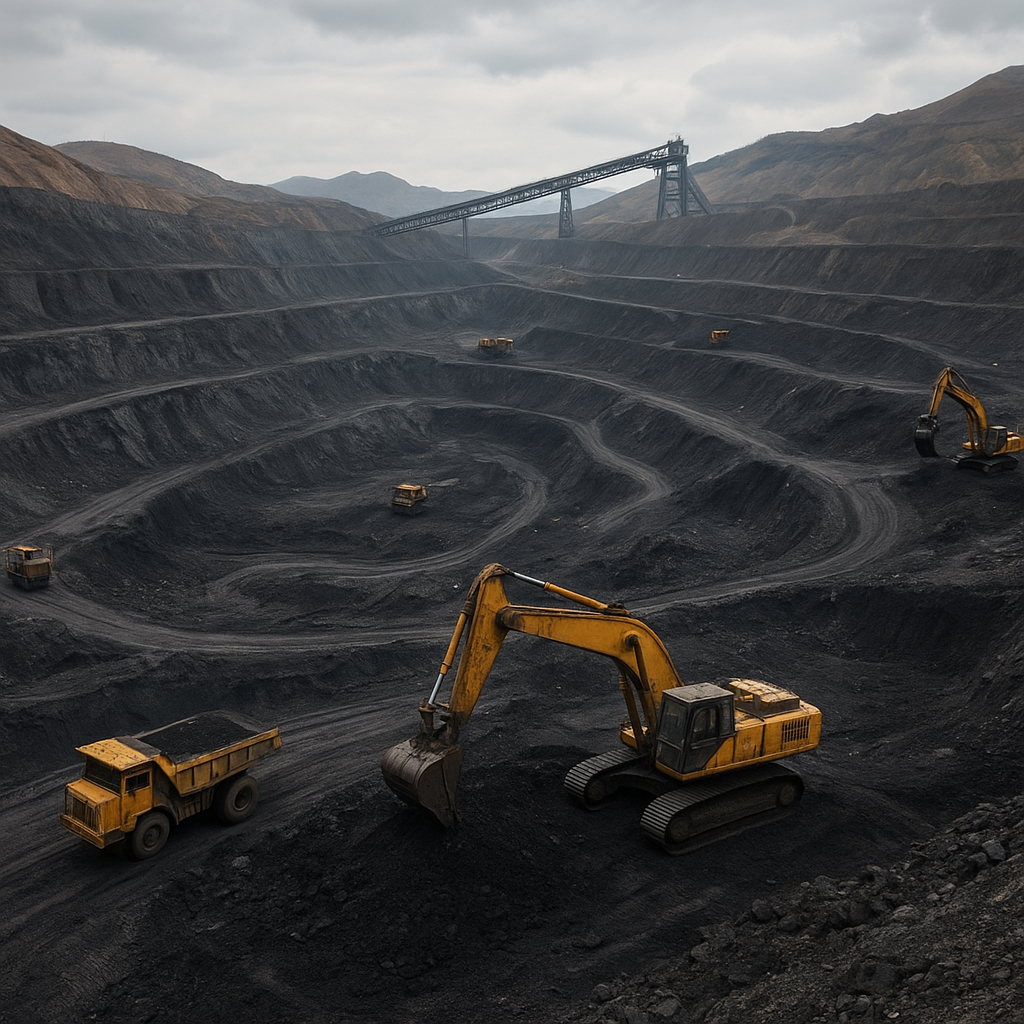
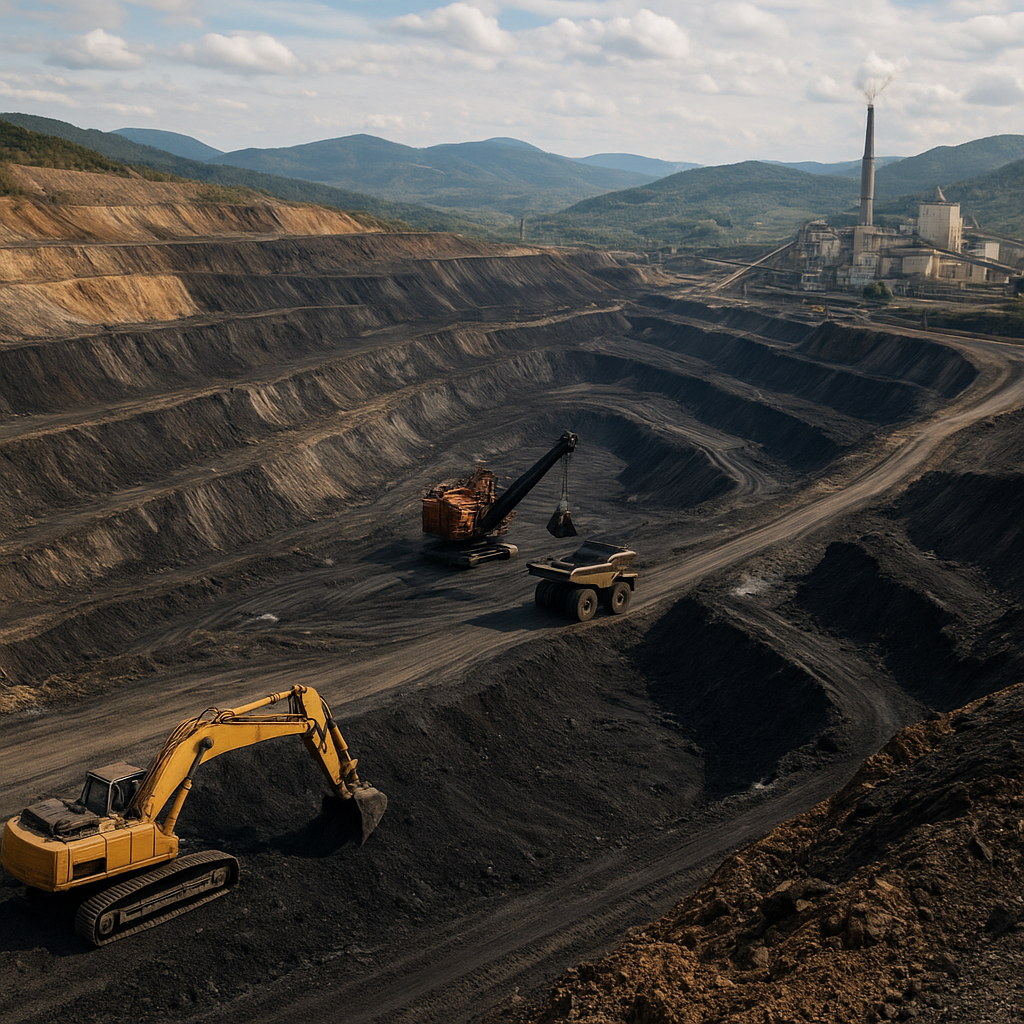
Ensham operates predominantly as a surface mining complex. Surface mining at the site employs conventional open-cut techniques: progressive pre-strip removal of overburden, bench-style coal extraction using large excavators and haul trucks, and onsite processing to meet product specifications. The scale of operations requires extensive earthmoving fleets, maintenance workshops, and site services to support continuous production.
Processing and Product Handling
Once extracted, raw coal is subject to initial screening and stockpiling. Depending on quality parameters, the material may be blended to meet specific customer requirements. Onsite infrastructure typically includes run-of-mine (ROM) stockpiles, crushing and screening facilities, and conveyors to loadout points. Ensham’s logistics are designed to serve both domestic power-station supply chains and export channels via rail and port connections.
Transport and Infrastructure
Coal from Ensham is transported to market via heavy-haul rail systems linking mining complexes across central Queensland to export terminals along the Queensland coast. The mine’s economic viability depends on reliable road and rail access, loadout yards, and coordination with rail operators for scheduled train paths. In many cases, the throughput capacity of local rail corridors and port terminals sets upper limits on export potential.
Coal Quality, Types and Markets
Ensham primarily produces thermal coal—fuel designed for electricity generation and industrial heat applications. The coal characteristics from Bowen Basin operations generally include a range of calorific values and ash/sulfur profiles; operators selectively blend and process material to meet customer grades. Thermal coal from this region is often marketed to domestic power utilities as well as export customers in Asia where it is used for baseload and flexible generation.
Key quality parameters that determine marketability include calorific value (gross as received), ash content, moisture, volatile matter and sulfur. Lower ash and sulfur values are generally more desirable because they reduce shipping penalties and emissions; blending and washing are common strategies to achieve marketable specifications.
End Markets
- Domestic electricity generation: supplying coal-fired power stations across eastern Australia
- Exports: customers in Asia-Pacific markets where thermal coal is used for power generation or industrial processes
- Industrial coal users: cement, lime, and some metallurgical applications where specific grades may be required
Economic and Regional Significance
The Ensham Mine contributes to local and regional economies through direct employment, contracts with service providers, and royalties and taxes that flow to state and federal governments. Mining operations stimulate secondary industries—maintenance, transport, accommodation, retail and professional services—supporting towns and supply chains in central Queensland.
Although the scale of individual mines varies, coal operations in the Bowen Basin collectively represent a major export sector for Australia, generating billions of dollars in export revenue annually and supporting thousands of jobs across the supply chain. At a regional level, a single mine like Ensham typically supports a workforce measured in the hundreds, while indirect employment and contractor roles can multiply that impact across the local economy.
Revenue and Fiscal Contributions
Coal mines generate income through the sale of product, from which costs for operating expenses, capital expenditures, royalties and taxes are deducted. State royalties on coal production are a significant source of revenue in Queensland, funding public services and infrastructure. In addition, corporate taxes and payroll taxes from mining companies add to government receipts. Local governments also derive rates and fees from mining companies that can be used for community services and infrastructure.
Production Statistics and Operational Data
Precise production figures for Ensham can vary year to year depending on market demand, operational decisions, weather events and rail/port logistics. Historically, operations of comparable open-cut thermal mines in central Queensland have produced at the scale of several million tonnes per annum. Production volumes are subject to temporary suspensions, maintenance and planned expansions or contractions depending on commercial conditions.
While specific recent annual tonnages for Ensham are reported periodically by operators and regulators, it is common for public disclosures to include:
- Annual ROM (run-of-mine) and saleable production in million tonnes
- Coal quality metrics (calorific value, ash, moisture, sulfur)
- Workforce numbers (direct employees and contractors)
- Safety and environmental performance indicators (incidents, rehabilitation progress)
Interested readers and industry analysts typically consult company reports, government mineral inventories and industry publications for up-to-date numerical data. These sources provide audited production figures, export tonnages, and financial metrics for a given reporting period.
Ownership History and Corporate Management
Ownership structures for coal mines in Australia often change over time through sales, joint ventures and corporate restructures. Mining assets may be owned by single companies, consortiums, or a mix of domestic and international investors. Corporate management decisions influence mine investment, workforce levels and environmental programs.
Operators of large surface mines like Ensham must balance short-term production targets with long-term obligations such as rehabilitation bonds and community commitments. Public reporting by owners provides transparency on safety, environmental performance and financial results, although transaction details and private ownership stakes can be commercially sensitive.
Environmental Management and Rehabilitation
Environmental performance and post-mining land management are central responsibilities for modern mining operations. Ensham, like other Australian mines, operates under regulatory approvals that specify conditions for:
- Water management and protection of groundwater and surface water systems
- Emissions control and dust suppression
- Noise management for nearby communities
- Progressive rehabilitation of disturbed areas
- Biodiversity offsets and monitoring of flora and fauna
Rehabilitation planning begins at project approval and continues throughout a mine’s life. Progressive rehabilitation reduces the final closure liability and helps maintain landscape values for future land use, which may include grazing, conservation, or other compatible activities. Best-practice environmental management integrates community consultation, scientific monitoring and adaptive practices to address changing conditions and legacy risks.
Water and Air Quality Considerations
Water management is a priority in central Queensland due to variable rainfall and reliance on aquifers. Mines implement systems for stormwater diversion, sediment control, and management of any process waters. Similarly, dust control measures—such as water carts, sealed haul roads and covered conveyors—are important to limit particulate emissions to surrounding communities and ecosystems.
Social Impact, Workforce and Safety
Employment at Ensham contributes to livelihoods across central Queensland. Mining workforces include operational crews, technical specialists, administrative staff and contractors. Fly-in fly-out (FIFO) arrangements may be used, particularly where a local labour pool is limited; however, many operations also emphasize local recruitment to support regional communities.
Safety is a core regulatory and corporate focus. Modern mines operate under strict safety regimes that include hazard identification, training, emergency response planning and incident reporting. Continuous improvement in safety culture and practices remains a priority, with performance subject to scrutiny by regulators and stakeholders.
Community Engagement and Indigenous Considerations
Mining projects operate within broader social landscapes. Community engagement programs typically address local employment, supply chain opportunities, infrastructure investment and sponsorships. Consultation with Indigenous communities is legally and ethically required where cultural heritage and native title matters arise. Agreements and partnerships can include employment pathways, cultural heritage protection measures, and business development for Indigenous enterprises.
Challenges, Risks and Regulatory Context
The coal sector faces a range of challenges including commodity price volatility, competition from alternative energy sources, tightening environmental regulations and evolving investor expectations. Mines must navigate operational risks such as weather-related disruptions, geological variability and supply-chain constraints (notably rail and port capacity).
Regulatory frameworks at state and federal levels govern approvals, environmental management, health and safety, and native title. Compliance with these frameworks is critical to maintaining social license to operate and avoiding costly enforcement actions.
Future Outlook and Transition Considerations
The medium-term outlook for a thermal coal operation like Ensham depends on global and domestic energy policy, market demand in export destinations, and the economics of competing fuels. While some forecasts anticipate a gradual decline in thermal coal demand in advanced economies, many emerging markets continue to rely on coal for energy security and economic development for the next decade or more.
Operators are increasingly preparing for long-term transition through diversification of business portfolios, investment in emissions-reduction technologies, and rigorous closure and rehabilitation planning. Opportunities exist in repurposing mine infrastructure, exploring renewable energy co-location (e.g., solar farms on rehabilitated land), and skills transition programs for workers.
Key words emphasized in this article: Ensham, coal, Bowen Basin, thermal, open-cut, exports, employment, rehabilitation, sustainability, infrastructure.
Concluding Remarks
Ensham represents a typical modern Australian thermal coal operation embedded in a regional mining economy. Its contributions span direct production, regional employment, and integration into national export systems. At the same time, the mine faces contemporary challenges related to environmental management, market dynamics and longer-term energy transitions. Continued transparency in reporting, investment in best-practice environmental and safety systems, and active community engagement will shape Ensham’s legacy and its role in the evolving landscape of Australia’s resources sector.