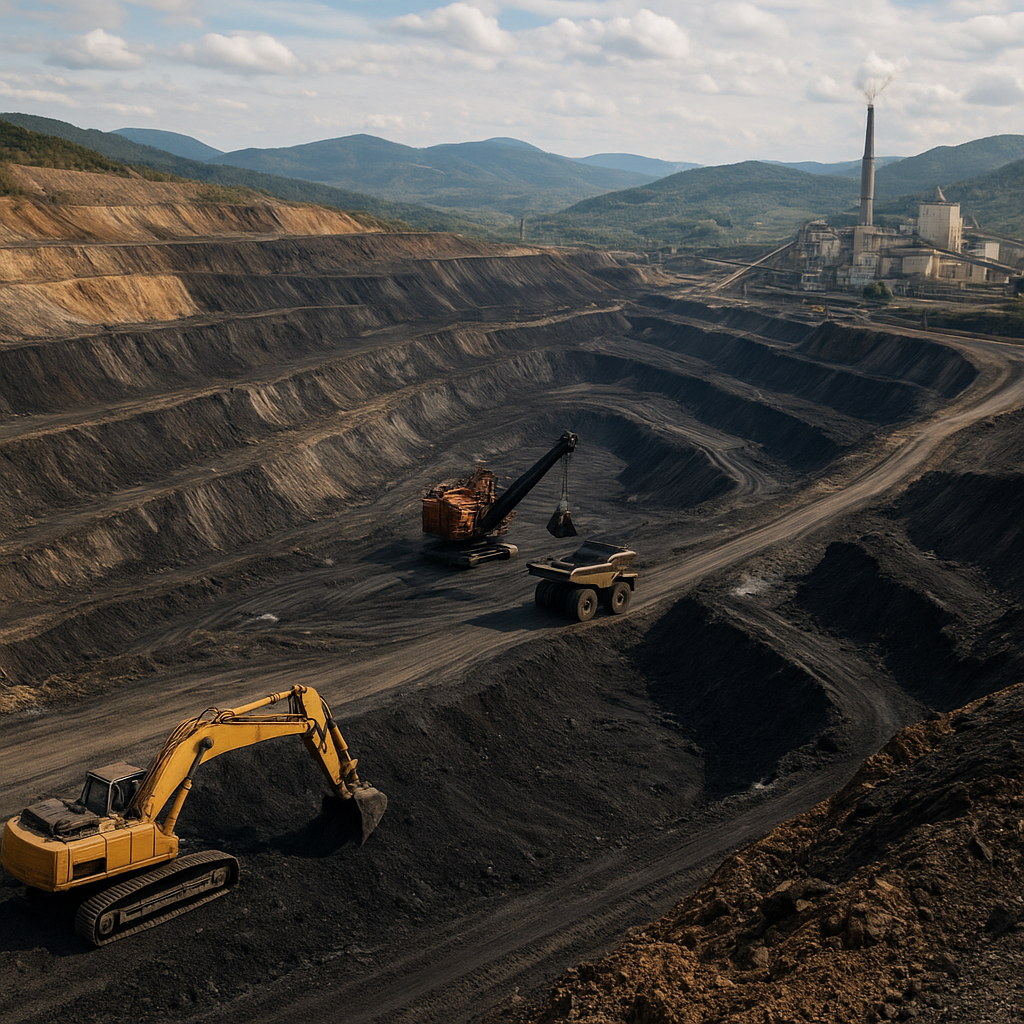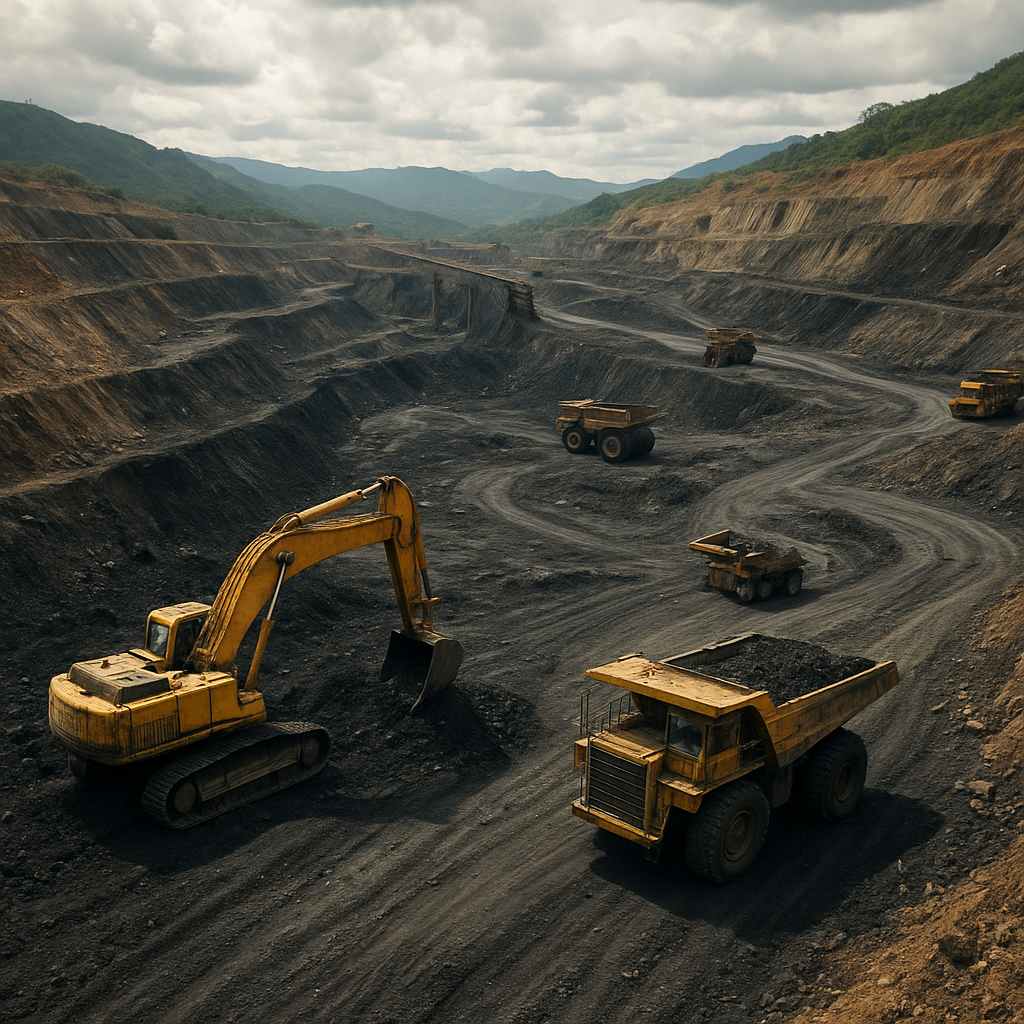
El Hatillo Mine in Colombia represents one of the many sites associated with the country’s long history of coal extraction. While specific public data for El Hatillo are limited compared to Colombia’s largest operations, understanding this mine requires placing it in the context of national geology, regional mining practices, and economic and social dynamics. This article summarizes available information, describes typical characteristics of Colombian coal mines, examines economic and statistical context, and explores environmental, social and technological aspects relevant to El Hatillo and similar sites.
Location and geological setting
The precise publicly available coordinates and administrative details for El Hatillo Mine can be sparse in open-source records, a common situation for smaller or privately operated mines in Colombia. In general, Colombian coal deposits are concentrated in a few major basins: the Cerrejón basin in La Guajira, the Cesar-Ranchería Basin, and basins in Cundinamarca, Boyacá and Antioquia. El Hatillo is likely to be located within one of Colombia’s coal-bearing regions where sedimentary basins host multiple coal seams of varying thickness and depth.
Geologically, Colombian coals are typically found in sedimentary sequences from the Cretaceous to Tertiary periods, with peat-forming environments producing organic-rich layers that were later buried and transformed into coal. The stratigraphy and tectonic history of each basin control whether mining is most economical via open-pit (surface) or underground methods. Many commercially important operations exploit relatively shallow, continuous seams using large-scale open-pit mining equipment; smaller mines or deeper seams may be mined underground with room-and-pillar or longwall methods.
What is produced at El Hatillo: coal types and quality
Colombian coal is predominantly used as thermal coal for power generation and industrial heat applications, though some higher-rank coals are suitable for metallurgical uses. The most common commercial grades in Colombia are sub-bituminous to bituminous coals. Depending on geological conditions, El Hatillo could produce:
- Thermal (steam) coal – used mainly for electricity generation and industrial boilers; typical in many Colombian mines.
- High-volatile bituminous coal – higher energy content and lower moisture than sub-bituminous; valuable for both domestic consumption and export markets.
- Occasional medium-grade coals suitable for coking or metallurgical blends, though Colombia is not a major metallurgical coal producer compared to countries such as Australia and the United States.
Coal quality parameters of interest include calorific value (gross and net calorific content), moisture, ash content, sulfur content and volatile matter. Colombian coals commonly present medium calorific values and relatively low sulfur compared to some global alternatives, which historically has made them attractive for export markets that seek low-sulfur thermal coal.
Operations, methods and workforce
Operations at sites like El Hatillo vary depending on scale, seam geometry and ownership. Typical mine elements include:
- Extraction: open-pit mining with draglines, shovels and haul trucks when seams are shallow and laterally continuous; underground mining where depth or land use constraints apply.
- Processing: crushing, screening and sometimes washing to improve product quality and remove impurities.
- Logistics: on-site stockpiling, conveyor systems, road or rail links to ports or power plants, and loading facilities for domestic customers or export terminals.
- Workforce: a mix of technical staff, heavy-equipment operators, maintenance crews, geologists and support personnel. Depending on the mine’s size, employment can range from a few dozen to several thousand.
At smaller local operations like El Hatillo, employment often includes a significant proportion of residents from neighbouring communities, creating direct economic linkages. Larger operations, by contrast, generally employ more specialized staff and may rely on fly-in/fly-out rotations for some technical roles.
Economic and statistical context
Direct public statistical data specific to El Hatillo Mine are limited in general information sources, particularly when compared to major operations such as Cerrejón or the mines operated by multinational companies in the Cesar basin. Nevertheless, El Hatillo forms part of Colombia’s broader coal economy which is significant for national revenue, foreign-exchange earnings and regional employment.
General statistical and economic points relevant to El Hatillo and similar coal sites:
- National significance: Colombia is regularly ranked among the world’s leading exporters of thermal coal; coal exports have historically been a major component of non-traditional exports and a significant source of foreign exchange.
- Production volumes: While exact mine-by-mine figures vary, Colombian national coal production historically accounts for tens of millions of tonnes per year, with the largest mines contributing the majority of output. Smaller mines like El Hatillo typically contribute comparatively modest shares but are important locally.
- Export markets: Colombian thermal coal has traditionally been exported to customers in Europe, North America, Latin America and increasingly to Asia, depending on logistics and market conditions. Mines located closer to Atlantic ports may be oriented toward European/US markets, whereas those with Pacific access may serve Asian markets.
- Revenue and royalties: Mining contributes fiscal revenue through corporate taxes, export duties where applicable, royalties paid to departments and municipalities, and various local agreements. The fiscal regime and royalty rates differ by jurisdiction and change over time.
- Local economies: Coal mines can stimulate local economies by creating direct jobs, supporting local suppliers, boosting infrastructure investment and generating municipal incomes through taxes and royalties.
Given the scarcity of mine-specific public statistics for El Hatillo, a comprehensive numeric profile (annual production, reserves, workforce) cannot be reliably presented here without authoritative sources. For planning or academic purposes, such details are typically obtained from company reports, regional mining authorities, environmental impact assessments or national mining databases.
Environmental and social considerations
Coal mining in Colombia, including sites like El Hatillo, raises important environmental and social issues that shape public policy and local community relations:
- Land disturbance and biodiversity: Open-pit operations alter landscapes, affect drainage patterns, and can impact local ecosystems. Rehabilitation and reclamation plans are essential for post-mining land use.
- Water resources: Mining can affect groundwater and surface water through dewatering, runoff and potential contamination. Water management plans and monitoring are standard regulatory requirements for modern operations.
- Air quality: Dust control, emissions from equipment and particulate generation during processing are managed through mitigation measures such as water spraying, enclosures and monitoring.
- Community relations: Mines must engage with local communities over employment, land access, cultural heritage, and benefit sharing. Displacement and local environmental impacts can create tensions if poorly managed.
- Health and safety: Occupational health and safety standards are critical. Colombia’s mining sector has improved safety practices over time, but risks remain, particularly in informal or poorly regulated operations.
Successful mines combine regulatory compliance with robust community engagement, environmental mitigation, and transparent benefits-sharing arrangements. Local initiatives often include investment in roads, schools, water supply projects and vocational training to increase local employment in mining and post-mining economies.
Regulatory framework and ownership patterns
Colombian mining activities operate under a legal framework that governs exploration, exploitation, environmental protection, royalties and community consultation. Key features relevant to El Hatillo-type sites include:
- Permitting: exploration and exploitation require permits and environmental licensing processes that evaluate potential impacts and mitigation measures.
- Royalties and taxes: companies pay royalties to regional governments and municipal authorities; fiscal rules may also require export duties or other contributions depending on the product and contract terms.
- Community consultation: projects must follow guidelines for consultation with affected communities, indigenous peoples and local stakeholders. Failure to consult can lead to legal and operational delays.
- Ownership: mines range from multinational-corporate operations to local or family-owned concessions. Ownership influences technology levels, investment capacity and access to export logistics.
If El Hatillo is a concession operated by a private or smaller company, it will be subject to the same licensing and environmental obligations as larger producers, though oversight and capacity for mitigation may differ.
Technological approaches and mine reclamation
Modern coal mining employs a combination of technologies to improve efficiency, safety and environmental performance. For El Hatillo-style operations, common approaches include:
- Mechanized excavation and hauling equipment to reduce labor intensity and improve productivity.
- Material handling systems (conveyors, stackers) to improve logistics and reduce truck movements.
- Water treatment and sediment control systems to protect downstream water quality.
- Dust suppression systems, including misting, covers and enclosed conveyors.
- Progressive reclamation: restoring mined land concurrently with extraction to reduce the long-term environmental footprint and facilitate post-mining land uses such as agriculture, forestry, or water reservoirs.
Reclamation and closure planning are increasingly central to permitting. Effective reclamation requires early planning, native-species revegetation, erosion control and long-term monitoring. For communities near El Hatillo, robust reclamation plans are key to ensuring that land can be safely and productively used after mining ends.
Economic and strategic importance in the industry
Even when a single site like El Hatillo represents a modest portion of national output, such mines play strategic roles:
- Supply diversity: Smaller mines diversify supply sources, which can stabilize local markets and provide flexible feedstock for nearby power plants or industrial consumers.
- Regional development: Employment and local procurement stimulate rural and regional economies, supporting small businesses and services.
- Skills and capacity building: Smaller operations provide training and experience for the local workforce, which can be transferred to other sectors.
At the national scale, maintaining a portfolio of mines—large and small—supports Colombia’s role in global thermal coal markets, even as global energy transitions and climate policies influence long-term demand patterns.
Challenges and future outlook
The outlook for El Hatillo and other Colombian coal mines is shaped by several intersecting trends:
- Global demand shifts: Long-term demand for thermal coal faces pressure from decarbonization policies, renewable energy growth and efficiency improvements. This can affect prices and export volumes.
- Logistics and infrastructure: Access to efficient rail and port infrastructure determines competitiveness in export markets. Investment in logistics can improve margins for inland mines.
- Regulatory and social license: Strengthening environmental regulation, community expectations and voluntary ESG (environmental, social and governance) commitments require mines to adopt best practices or face social opposition and legal challenges.
- Diversification: Some regional economies reliant on coal are exploring diversification strategies, including retraining, new industries and post-mining land uses, to prepare for eventual decline in coal demand.
For El Hatillo specifically, strategic adaptation might involve improving operational efficiency, investing in reclamation and community programs, and potentially exploring alternative uses for mined land or infrastructure in the medium to long term.
Interesting facts and lesser-known aspects
Several broader facts about coal mining in Colombia provide useful context for understanding sites like El Hatillo:
- Colombia’s coal is prized in certain markets for its relatively low sulfur content compared to some other global sources, which can lower emissions of SO2 when burned.
- Large open-pit operations have reshaped the economic geography of some northern departments, bringing infrastructure improvements such as roads and power lines.
- Community-led monitoring and citizen science initiatives are growing, allowing local stakeholders to participate more actively in environmental oversight.
- Rehabilitation projects sometimes convert former mine pits into lakes, wildlife habitats or recreational areas, demonstrating potential positive long-term legacy if well planned.
Conclusion
El Hatillo Mine, as part of Colombia’s mosaic of coal extraction sites, reflects the complexity of a mining sector that is economically important, environmentally challenging, and socially sensitive. While specific public data on El Hatillo’s reserves, annual production and workforce may be limited, its role can be interpreted through the broader lens of regional geology, national coal industry dynamics and evolving policy and market conditions. Key priorities for any such site include robust environmental management, meaningful community engagement, transparent reporting and planning for the post-mining future. In an era of global energy transition, the long-term prosperity of mining communities linked to sites like El Hatillo will depend on integrating economic benefits with sustainable practices and effective diversification strategies.