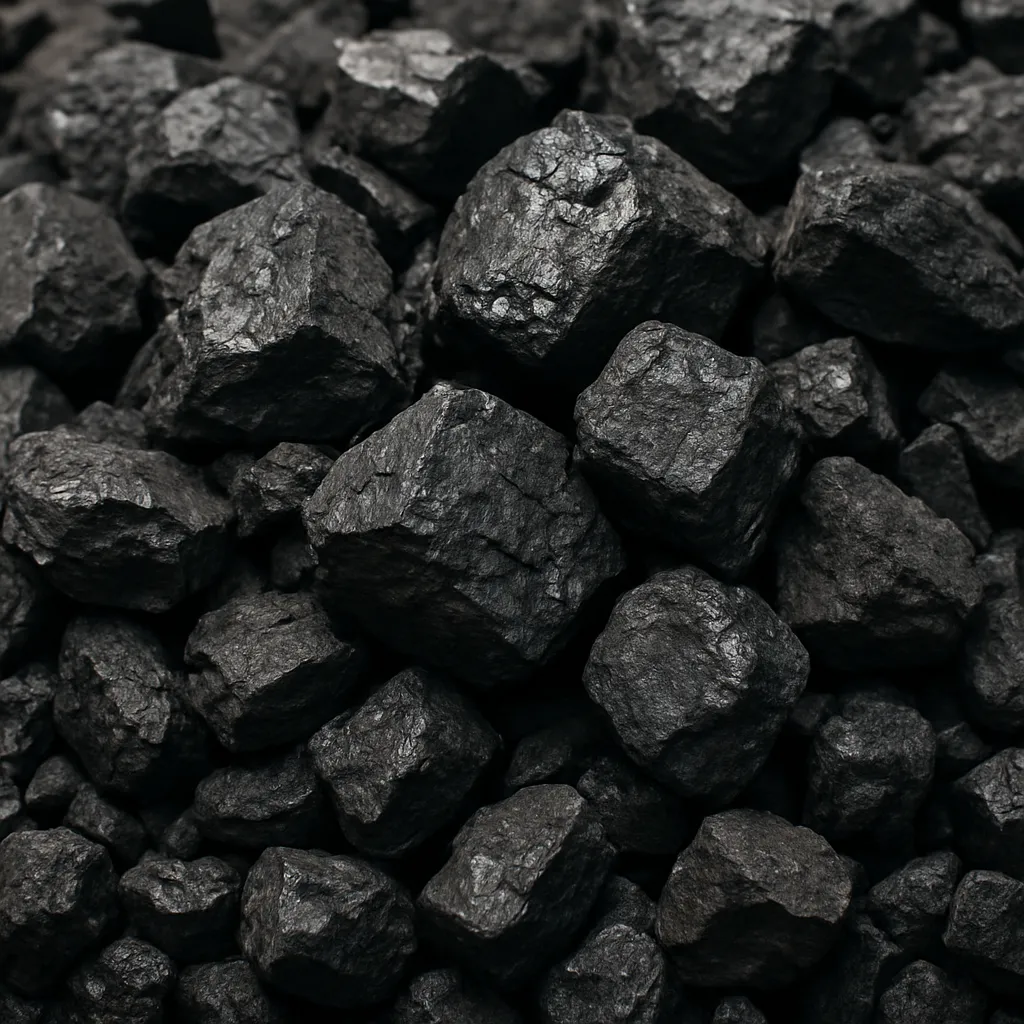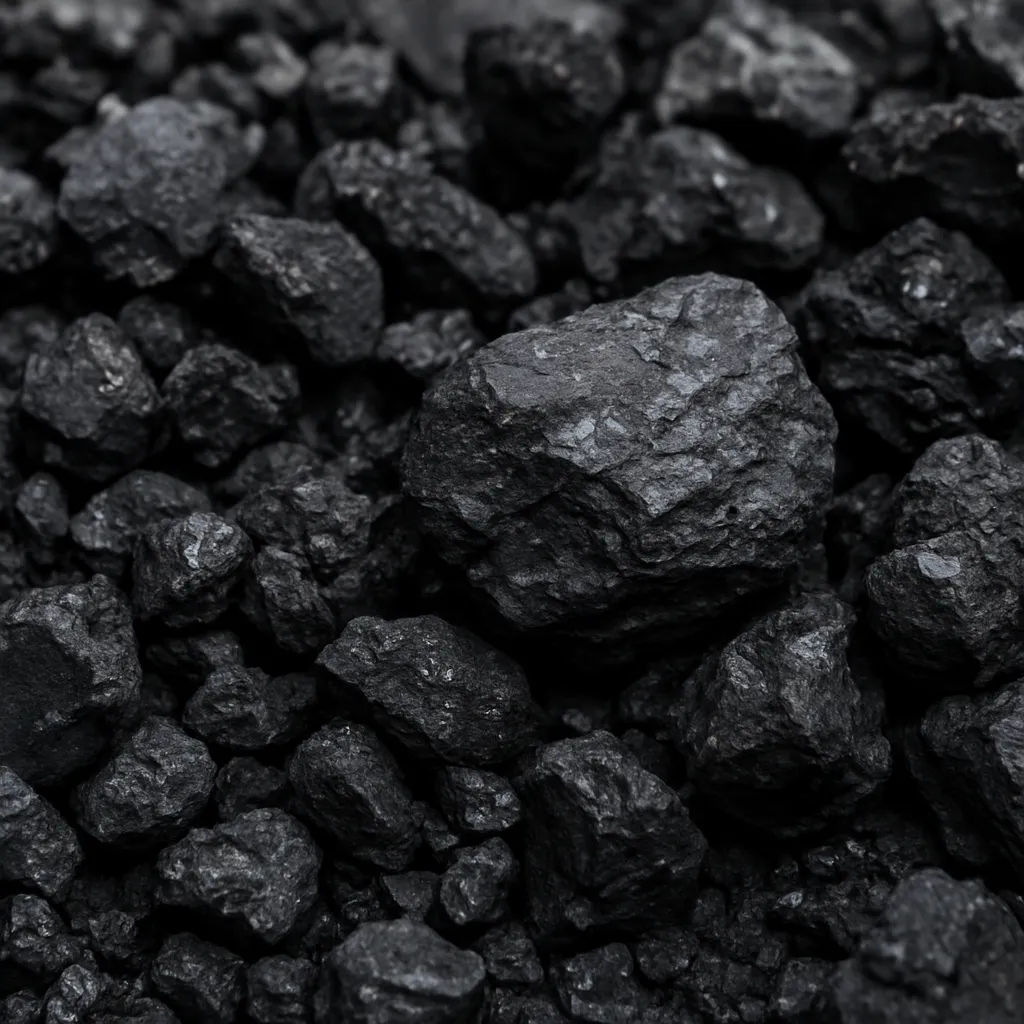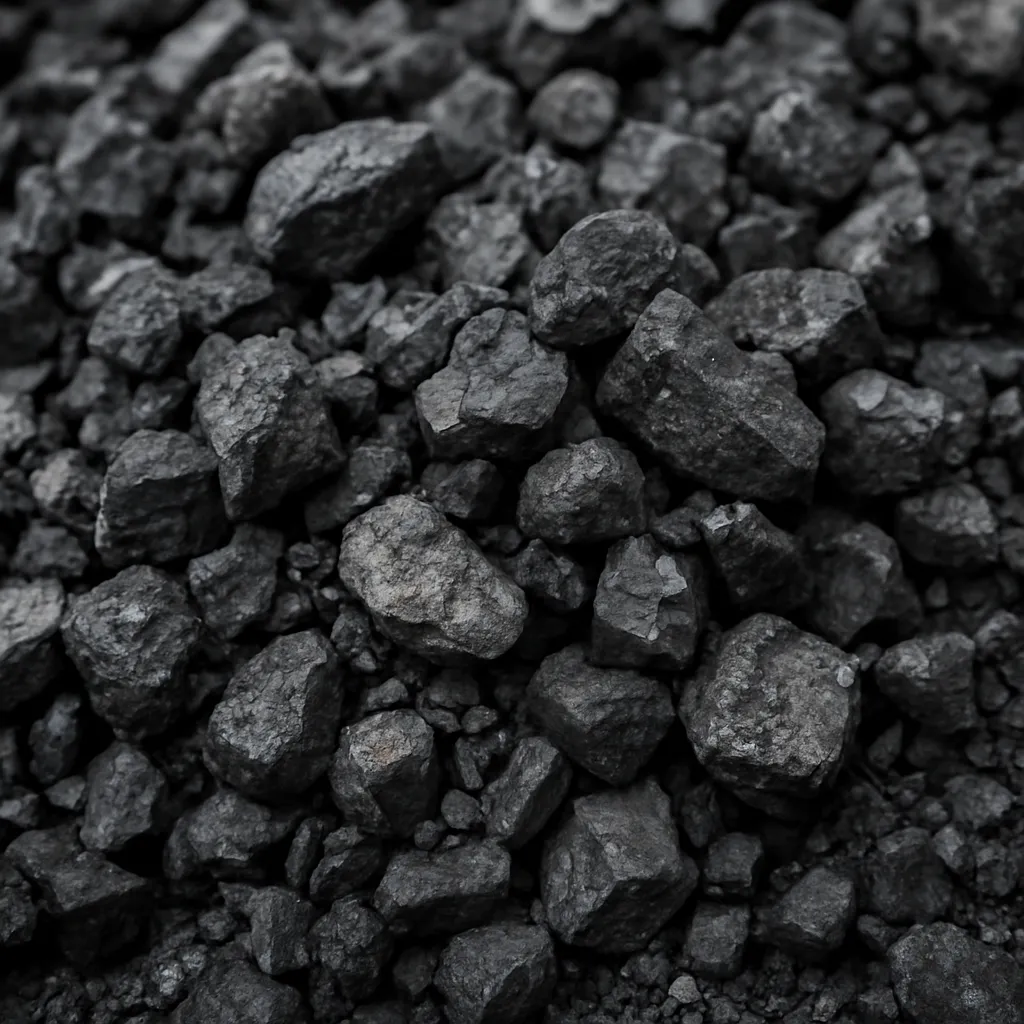
De-ashed coal is a processed form of coal from which mineral matter (ash) and many inorganic impurities have been substantially reduced or removed. Through a variety of physical and chemical methods, raw coal with high mineral content can be upgraded to a cleaner, higher-energy product tailored for specific industrial uses. This article examines what de-ashed coal is, how and where it is produced, the technologies involved, its economic and industrial significance, and relevant statistical and market considerations. It also explores environmental implications and future trends that shape demand for low-ash coal products.
What is de-ashed coal and why it matters
De-ashed coal refers to coal that has undergone processes to reduce its ash content and, in many cases, lower problematic impurities such as sulfur, phosphorus, and certain trace elements. In coal analysis terminology, the ash-free basis (AF) or dry ash-free (DAF) basis is commonly used to express the intrinsic properties of the organic portion of coal, but “de-ashed coal” usually implies a physical or chemical upgrading step has been applied to produce a product with substantially reduced mineral matter.
Reducing ash content has several important effects:
- Higher calorific value (more usable energy per tonne)
- Lower transport and handling costs per unit of energy
- Fewer residues and lower disposal costs at combustion or metallurgical sites
- Better performance and lower emissions when used in power generation, steelmaking, or chemical processes
- Suitability as a feedstock for high-value carbon products such as activated carbon, specialty carbon blacks, and certain carbon precursors
Depending on final specifications, de-ashed coal may be marketed as low-ash thermal coal for premium power plants, high-purity feedstock for gasification and liquefaction, or special metallurgical grades for cokemaking and pulverized coal injection (PCI).
How de-ashed coal is produced: technologies and methods
Production of de-ashed coal falls into two broad categories: physical beneficiation (coal washing) and chemical/advanced demineralization. Each approach has specific advantages, costs, and applicable coal types.
Physical beneficiation (coal washing)
Physical methods are the most widely used. They are based on differences in specific gravity, particle size, magnetic susceptibility or other physical properties between coal and mineral matter. Common techniques include:
- Gravity separation (jigs, dense medium cyclones, spirals)
- Froth flotation (especially for fine coal fractions)
- Heavy media baths and shaking tables
- Magnetic separation for iron-bearing minerals
Coal washing can typically reduce ash by a significant percentage depending on raw coal characteristics. For example, a raw coal with 20–30% ash might be washed to below 10% ash on a product basis. Washing is widely used in major coal-producing regions where mineral matter content is high.
Chemical demineralization and solvent extraction
For applications demanding extremely low ash levels (<5% or near ash-free), chemical treatments are used. These include:
- Acid/alkali leaching to dissolve mineral matter
- Solvent extraction and oxidation to remove inorganic species
- Advanced de-ashing processes that use reagents to selectively dissolve clays, carbonates and sulfates
Such methods are more expensive and generate liquid wastes that require treatment, but they produce higher-purity carbon suitable for specialty industries—e.g., battery anode precursors, high-grade graphite, or feedstock for chemical synthesis.
Thermal and conversion-based approaches
Another route to “de-ash” is to convert coal into gas or liquid products via gasification, pyrolysis or liquefaction, leaving mineral matter behind as a residue. Integrated gasification combined cycle (IGCC), coal-to-liquids (CTL), and some pyrolysis processes produce synthesis gas or liquid hydrocarbons while concentrating ash in solid residues that are more easily handled. These technologies can be used where removal of ash prior to conversion is technically challenging or uneconomic.
Where de-ashed coal is produced and mined
De-ashed coal is not a geological resource in itself but a product derived from raw coal mined worldwide. Major coal-producing regions provide the feedstock for de-ashing operations. Production of low-ash washed and upgraded coal is especially prevalent where raw coal has high mineral content or where downstream industries require cleaner feedstock.
- China: The world’s largest coal producer and consumer, China has extensive coal washing capacity to upgrade high-ash domestic coals for power plants and industry. Many large coal preparation plants are associated with mines in Shanxi, Inner Mongolia, Shaanxi and other major basins.
- India: India produces large volumes of high-ash coal. Increasing coal washing and beneficiation is a policy and industrial priority to improve thermal plant performance and reduce emissions; major washeries are located in Jharkhand, Odisha and West Bengal.
- United States: Significant coal preparation plants exist in Appalachia and the Powder River Basin. Washed metallurgical coals from the US are important for steelmaking markets.
- Australia: As a major exporter, Australia processes coking and thermal coals to specific quality grades for international markets; beneficiation and blending operations are widespread.
- Russia, South Africa, Colombia, Poland, Indonesia: Each of these countries has infrastructure for coal washing or upgrading in response to local seam characteristics and export requirements.
Where raw coals are naturally low in ash (certain high-rank coals and some seaborne thermal coals), the need for intensive de-ashing is less. In contrast, basins producing high-ash coals (e.g., many Indian and some Chinese seams) are focal points for beneficiation capacity growth.
Economic and market considerations
The economics of producing de-ashed coal depend on raw coal quality, proximity to processing facilities, market premiums for low-ash products, and regulatory drivers. Key economic factors include capital and operating cost of washeries and chemical plants, transport logistics, and the price differentials between raw and upgraded coal grades.
Price premiums and market demand
Low-ash coals command price premiums in several segments:
- Metallurgical (coking) coal demands very low ash and specific volatile matter characteristics; washed and specially processed coals for cokemaking fetch higher prices.
- High-efficiency power plants and some industrial users prefer low-ash fuel to reduce slagging, fouling and particulate emissions.
- Gasification and chemical synthesis operations benefit from low-ash feedstock to reduce reactor fouling and downstream processing costs.
The premium varies by region and market conditions but can be a substantial percentage of the raw coal price—often enough to justify beneficiation investment where markets and logistics permit.
Costs of de-ashing
Typical costs include:
- Capital expenditure for washeries, flotation plants, or chemical plants
- Operational costs (energy, water, reagents, waste treatment)
- Costs of disposing or valorizing concentrated ash and tailings
Physical coal washing is relatively inexpensive per tonne compared with chemical demineralization, but yields and achievable ash reductions are limited by the raw coal’s mineralogy. Chemical processes achieve lower ash but at significantly higher operating costs.
Statistical picture: production, quality and trade (overview)
Providing exact global numbers for “de-ashed coal” is difficult because production statistics are typically reported for mined coal categories (thermal versus metallurgical) and by raw characteristics, while de-ashing is an intermediate processing step. However, several useful statistical observations can be made:
- Global coal production remained substantial in the early 2020s, with annual world coal production on the order of multiple billion tonnes per year. China alone historically accounted for roughly 40–50% of global output.
- Washed coal and beneficiated products represent a significant share of production in countries with high beneficiation capacity (China, US, Australia). For example, China operates many large coal preparation plants handling hundreds of millions of tonnes annually.
- International trade places a premium on quality; major exporting countries (Australia, Indonesia, Russia, Colombia, South Africa) sort, blend and sometimes wash coals to meet buyers’ specifications.
Typical coal quality ranges that motivate de-ashing:
- Raw coal ash content: commonly from under 10% (cleaner coals) up to 30–40% or more in some seams.
- Targeted de-ashed product ash: often <10% for thermal markets and <8–9% or lower for metallurgical or specialty markets; ultra-low-ash grades may aim for <3–5% ash.
- Calorific values: raw thermal coals often range from ~15–30 MJ/kg; de-ashing raises effective calorific value per unit mass by removing inert mineral matter.
Because of differences in reporting, it is common for industry reports to note coal quality in received heat content (kcal/kg or MJ/kg) and in specific ash and sulfur percentages, and for purchasers to request guarantees on these parameters.
Industrial significance and applications
De-ashed coal supports a range of industrial uses beyond conventional power generation:
- Steel production: Low-ash coking coals are essential for high-quality metallurgical coke. De-ashing improves coking performance and reduces slagging in blast furnaces.
- Gasification and synthesis: Coal gasification is more reliable and efficient with low-ash feedstocks, supporting production of hydrogen, methanol, ammonia and synthetic fuels.
- Chemical feedstocks: For coal-to-chemicals processes, low ash minimizes catalyst poisoning and fouling.
- Specialty carbon materials: High-purity coal-derived carbons are precursors for activated carbon, carbon fibers, and certain electrode materials after further processing.
- Improved combustion for power plants: Lower ash means fewer particulate emissions and less boiler maintenance, improving plant availability and environmental compliance.
In short, de-ashed coal enables higher efficiency, lower maintenance and reduced environmental impacts for a range of heavy industries that remain coal-dependent.
Environmental, regulatory and sustainability perspectives
De-ashing has both environmental benefits and challenges. On the benefit side, lower ash reduces particulate emissions, SOx and NOx formation potential (particularly when sulfur content is also reduced), and diminishes the mass of solid residues requiring disposal. Improved boiler efficiency means less CO2 per unit of electricity if coal continues to be used.
Challenges include:
- Water use and contamination risks in coal washing and chemical demineralization
- Handling and long-term management of coal washery rejects, tailings and chemical effluents
- Energy and reagent use in advanced de-ashing processes, which can offset some environmental gains
Regulatory drivers can increase demand for de-ashed coal: stricter emissions limits, ash handling regulations, and incentives for coal quality improvement encourage investment in beneficiation. Conversely, climate policies and the energy transition exert downward pressure on thermal coal demand over the long term, complicating investment decisions.
Value chains, logistics and downstream processing
De-ashed coal is typically produced near mine sites in preparation plants or in centralized upgrading facilities. Logistics and value chains often include:
- Pre-screening and crushing at the mine
- Washing and flotation to produce multiple products (coarse washed coal, fine coal concentrates)
- Blending to meet contractual specifications for calorific value, ash, and sulfur
- Further chemical treatment or thermal conversion for specialty feedstocks
- Transport to domestic plants or ports for export
Optimizing these steps is critical to realize the economic benefits of de-ashing. In export markets, blending and quality assurance are often used to create consistent shipments; in domestic markets, proximity to power plants or steel mills influences the feasibility of extensive processing.
Trends, challenges and the outlook
Current and near-term drivers shaping the de-ashed coal market include:
- Ongoing industrial demand for high-quality metallurgical and coking coals, especially where steel production remains coal-based
- Pressure on thermal coal use from climate policies, pushing a shift toward cleaner technologies and possibly higher uptake of coal gasification with carbon capture in some regions
- Improvements in beneficiation and demineralization technologies that may lower costs and environmental footprint
- Regional differences: countries with abundant low-grade, high-ash coals (notably parts of Asia) will likely continue investing in upgrading capacity; exporters will emphasize quality control to meet stringent buyer specifications
Challenges include economic volatility in coal prices, water and waste management constraints, and long-term structural decline in some thermal coal markets. Nevertheless, where industrial processes rely on coal, de-ashed products will retain niche and sometimes growing importance—particularly in metallurgical applications and in processes that convert coal to chemicals or hydrogen.
Interesting technical and industrial facts
- De-ashing can increase the effective calorific value of a coal shipment by removing inert mineral mass; this means buyers pay more per tonne but receive more energy per tonne.
- Ultra-low-ash coal (approaching ash-free) is sought for specialty carbon products and certain high-temperature industrial processes where mineral impurities cause operational problems.
- Some modern coal-to-chemicals plants prefer beneficiated coal to prolong catalyst life and reduce fouling, improving economics of conversion despite higher feedstock costs.
- Innovations such as dry beneficiation (air tables, electrostatic separation) and low-water chemical processes seek to reduce the water footprint of de-ashing operations, a crucial factor in water-stressed mining regions.
- Combining beneficiation with carbon capture and storage (CCS) or with gasification platforms is proposed as a way to supply lower-emission hydrogen or synthetic fuels from coal while controlling ash-related operational issues.
Concluding considerations
De-ashed coal is a processing-driven response to the global reality that many coal deposits contain significant mineral matter while industry demand increasingly favors cleaner, higher-performance feedstocks. The practice of de-ashing spans simple, cost-effective coal washing to advanced chemical demineralization and conversion pathways. Economically, de-ashed coal captures premiums where reduced ash and impurities translate into better industrial performance and lower downstream costs. Environmentally, the benefits of lower ash must be balanced against water use and waste management challenges associated with beneficiation.
Regionally, de-ashing is most intensively developed where raw coal quality, industrial demand, and regulatory pressure make upgrading necessary—China, India, the United States, Australia and other major producing countries. Looking forward, technological improvements in beneficiation, integration with conversion technologies, and the evolving energy and climate policy landscape will shape the role of de-ashed coal in global markets.
Key terms highlighted in the text—such as ash, calorific value, beneficiation, coal washing, gasification, metallurgical, coking, activated carbon, emissions and carbon—represent central concepts for anyone assessing the technical, economic and environmental aspects of de-ashed coal.