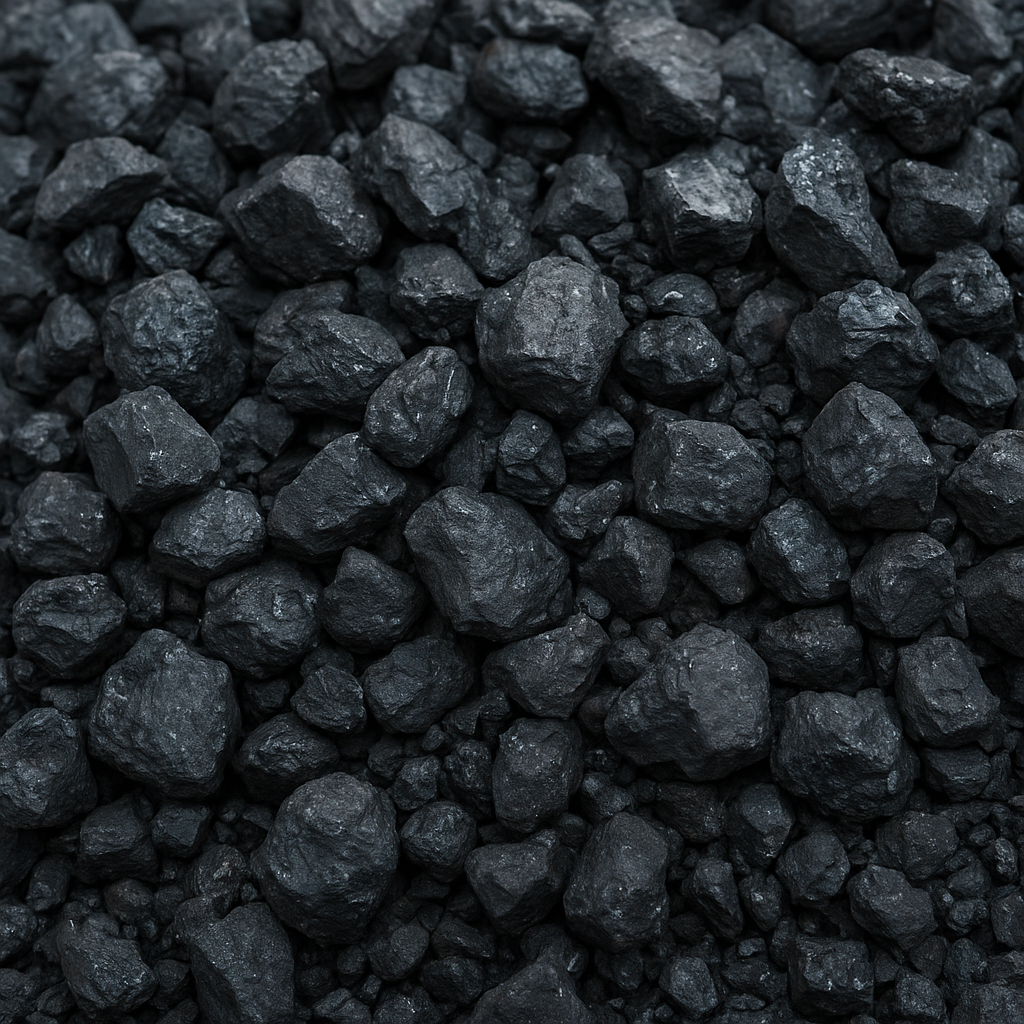
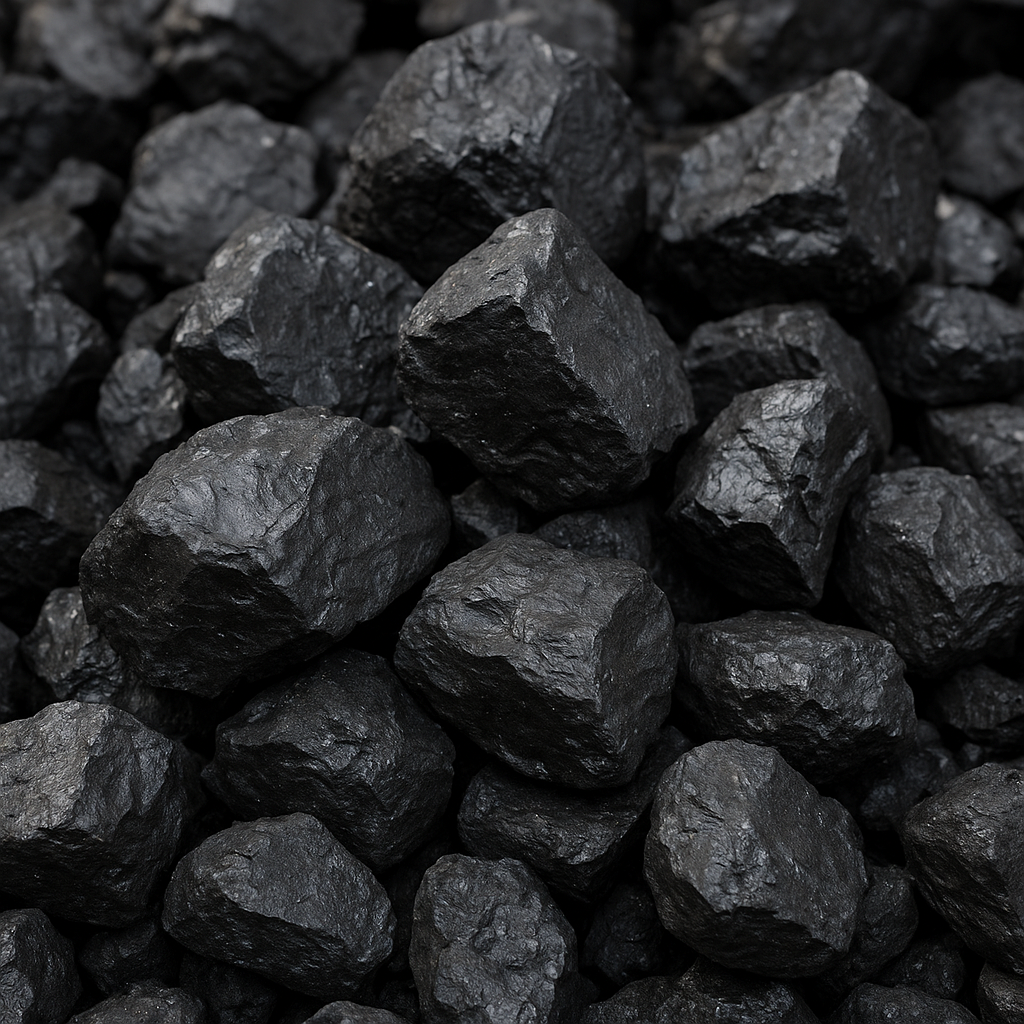
Crushed coal is a widely used form of fossil fuel obtained by mechanically reducing the size of mined coal to meet the requirements of various industrial processes. This article examines the geological occurrence, mining and processing methods, global production and trade, economic importance, industrial uses, and environmental challenges associated with crushed coal. It also offers statistical perspectives and a look ahead at how markets and technology are reshaping demand. Throughout the text a number of key concepts are emphasized to help readers focus on the most important aspects of this commodity.
Occurrence and Geology
Coal forms from the accumulation and burial of plant material in ancient swamps and peatlands under conditions of heat and pressure over millions of years. The degree of coalification determines the rank of the coal — from peat and lignite to sub-bituminous, bituminous and anthracite — and influences its energy content, coking properties and suitability for different applications.
Crushed coal is not a geological variety itself but a product of mechanical size-reduction applied to mined coal. It is therefore produced wherever economically mineable coal seams exist. Major geological basins and coalfields producing material that is subsequently crushed include:
- Bowen and Surat basins (Australia)
- Powder River Basin, Appalachian Basin (United States)
- Kuznetsk and Pechora basins (Russia)
- Shanxi, Inner Mongolia and Guizhou provinces (China)
- Jharia and Raniganj (India)
- Gauteng and Highveld (South Africa)
- Kalimantan and Sumatra (Indonesia)
Coal ranks commonly associated with crushed-coal applications are coal types that have sufficient calorific value and physical properties to justify crushing and handling for combustion, coking or chemical conversion processes. Low-rank coals like lignite are sometimes briquetted or dried prior to use, while higher-rank coals are often crushed directly for combustion or metallurgical uses.
Mining, Processing and Size Reduction
Mining Methods and Primary Handling
Coal is extracted by two main methods: surface (open-pit) mining and underground mining (including longwall and room-and-pillar). The choice of method affects the initial size and quality of run-of-mine coal. Surface mining typically produces large volumes of run-of-mine material that is then transported to processing plants for crushing, screening and washing. Underground mined coal may require different primary handling but is equally subject to comminution to reach required size classes.
Crushing, Screening and Washing
Processing of run-of-mine coal into crushed coal involves staged comminution: primary breakers reduce large lumps, secondary crushers or mills produce sized fractions, and screens separate lumps, fines and dust. Typical size classifications depend on intended use:
- Lump coal (e.g., >25–50 mm) for some metallurgical and domestic uses
- Sized coal (e.g., 6–25 mm) for certain industrial boilers and coking feedstocks
- Fines (<6 mm) and pulverized coal (<0.1–0.5 mm) for pulverized coal-fired boilers and gasifiers
Washing or beneficiation (using jigs, froth flotation or heavy-media separation) removes impurities such as ash and sulphur and improves the calorific value. The washing step often produces two product streams: a higher-quality cleaned coal (which is then crushed to target sizes) and coal refuse or tailings.
From Crushed Coal to Pulverized Coal
For modern thermal power plants and many industrial furnaces, crushed coal is further milled into a fine, free-flowing powder — often called pulverized coal — which burns more efficiently and evenly. Pulverized coal enables better combustion control, higher boiler efficiency and reduced unburnt carbon in ash. In steelmaking, crushed metallurgical coals are heated in coke ovens and the size distribution is critical for producing quality coke; crushed coking coals are blended to meet specific coking properties.
Global Production and Trade (Statistics and Trends)
Global coal production remains large despite shifting energy policies in some regions. In recent years world coal production has ranged around several billion tonnes annually. Estimates for annual global coal output are typically in the order of approximately 7–8 billion tonnes (metric), with substantial year-to-year variation tied to demand in major consuming economies.
Top producing countries account for the majority of global output. Approximate shares and typical production ranges are:
- China — roughly 40–50% of global production (commonly several billion tonnes annually), and by far the largest single producer and consumer
- India — several hundred million to around one billion tonnes annually
- United States — several hundred million tonnes (varies by year and market conditions)
- Indonesia — large producer and major exporter, especially of thermal coal
- Australia — major exporter with significant production focused on metallurgical and thermal coal
- Russia, South Africa, Poland and Colombia — important regional producers and exporters
Seaborne trade (coal shipped internationally by sea) constitutes a significant but smaller portion of global production — typically on the order of 1.0–1.5 billion tonnes annually — and is dominated by exporters such as Australia, Indonesia and Russia, and importers like China, India, Japan, South Korea and several European countries.
These volumes translate into a robust logistics industry: ports, railways, conveyors, stockpiles, blending facilities and crushing plants are integral to the supply chain. Crushed coal is commonly sold in standardized size categories and qualities, and buyers often purchase on the basis of calorific value, ash, moisture and sulphur.
Industrial Uses and Significance
The industrial importance of crushed coal lies in its versatility. Key end-uses include:
- power generation: the largest single use globally. Pulverized and crushed coal fuels steam turbines in coal-fired power plants that provide baseload electricity in many regions.
- steelmaking: metallurgical or coking coals are crushed and blended to produce coke — a high-carbon material essential for blast furnace ironmaking. Crushed coal also serves as fuel in sinter plants, power stations and for pulverized coal injection (PCI) to reduce coke demand.
- Cement production: crushed coal is often used as the main fuel in cement kilns, replacing or supplementing alternative fuels.
- Chemicals and carbon products: crushed coal is a feedstock for gasification, synthesis gas production, activated carbon and carbon black manufacturing.
- Domestic and industrial heating: in some regions crushed coal is sized and packaged for residential stoves, industrial boilers and brick kilns.
Crushed coal is thus a backbone fuel for energy-intensive industries. The physical size, moisture and ash content affect combustion behavior, emission profiles and process efficiency, which is why precise crushing and beneficiation are important to end-users.
Economic, Market and Trade Dynamics
The market for crushed coal is influenced by a mix of energy demand, steel demand, climate policy, transport costs and exchange rates. Two broad product categories underpin trading dynamics:
- Thermal (steam) coal — primarily for power generation and heating
- Metallurgical (coking) coal — used in steelmaking
Price formation in the international market is driven by benchmarks such as the Newcastle index (for thermal coal delivered to northeast Asia), and regional contracts or spot markets. Over the past decade coal prices have been volatile: periods of oversupply and low prices have alternated with spikes driven by strong demand, supply disruptions or geopolitical events.
Major exporters (Australia, Indonesia, Russia, Colombia and South Africa) earn significant export revenues from coal. For example, Australia’s coal exports represent a major commodity export and contribute several tens of billions of US dollars per year to the national economy in years of robust prices. Indonesia’s coal sector similarly provides substantial fiscal revenue and employment in producing provinces.
The internal economics of producing crushed coal depend on geological quality (seam thickness, ash and moisture), mining costs, productivity, transport distances to ports or end-users, and processing requirements. Crushing and washing add to variable costs but can markedly increase product value by improving calorific value and reducing penalties from buyers for high ash or sulphur content.
Environmental, Health and Regulatory Considerations
Crushed coal and its uses raise multiple environmental and public health concerns:
- Air pollution: combustion emits particulate matter (PM2.5 and PM10), sulphur dioxide (SO2), nitrogen oxides (NOx) and trace metals. These pollutants affect respiratory and cardiovascular health.
- Greenhouse gas emissions: coal combustion is a major source of CO2. Emission intensity depends on coal rank and plant efficiency; burning one tonne of coal typically generates on the order of 2.5–3.7 tonnes of CO2 equivalent, depending on the coal type and technology used.
- Mining impacts: land disturbance, habitat loss, water table changes and mine waste (tailings) can degrade landscapes and water quality. Acid mine drainage from exposed sulphides can release heavy metals into waterways.
- Dust and occupational hazards: crushing operations generate coal dust, which poses explosion and health risks (coal workers’ pneumoconiosis and lung disease) if not properly managed.
- Waste ash management: combustion and beneficiation produce ash and sludge that require safe disposal or beneficial reuse (e.g., in construction materials).
Regulation varies by country but increasingly includes emissions limits, air quality standards, mine rehabilitation requirements and carbon pricing mechanisms. These regulatory pressures, together with stakeholder expectations and investor scrutiny, are major drivers of technology adoption such as high-efficiency low-emissions (HELE) coal plants, flue-gas desulfurization, selective catalytic reduction for NOx and carbon capture and storage (CCS).
Health, Safety and Operational Best Practices
Managing crushed coal safely requires robust operational controls:
- Dust suppression and enclosure of crushing and transfer points to reduce airborne particulate matter
- Explosion protection measures such as inerting, appropriate venting and monitoring in pulverizing plants and storage facilities
- Personal protective equipment, medical surveillance and training to protect workers from respiratory illnesses
- Water treatment systems to manage effluents from coal washing and reduce heavy metal discharge
- Progressive rehabilitation of mined land to limit long-term environmental liability
Innovation, Decarbonization and the Future
The role of crushed coal in the global energy mix is evolving. Several technological and market trends are notable:
- Carbon capture and storage (CCS) — retrofits and new plants with CCS could allow continued use of pulverized and crushed coal for power and industrial heat while reducing CO2 emissions, but large-scale deployment remains limited by cost and infrastructure requirements.
- Alternative steelmaking routes — efforts to reduce metallurgical coal demand include electric arc furnaces (using recycled steel), hydrogen-based direct reduced iron (DRI) processes and electrification of heating — all of which could reduce demand for crushed coking coal over time.
- Coal-to-chemicals and gasification — crushed coal remains a potential feedstock for gasification and chemical production in regions where feedstock availability and economic factors support these pathways.
- Efficiency gains — modernization of power plants and industrial boilers to HELE standards increases the energy extracted per tonne of crushed coal and reduces emissions per MWh.
Market demand for crushed coal will therefore be shaped by competing forces: near-term energy and industrial requirements in many developing economies, versus long-term decarbonization goals and the growth of alternative technologies. Regions with abundant, inexpensive coal and less immediate access to alternatives may continue to rely on crushed coal for decades, whereas others are likely to phase down consumption faster.
Key Figures and Takeaways
A compact set of points to summarise the scale and significance:
- Global annual coal production is on the order of several billion tonnes (commonly cited in the range of 7–8 billion tonnes per year in recent years), with substantial shares produced in Asia.
- About 1.0–1.5 billion tonnes of coal move in the seaborne market annually; exporters like Australia and Indonesia dominate international shipments.
- Crushed and pulverized coal are essential feedstocks for large sections of the global heavy industry: electricity generation, cement and steelmaking.
- Major market dynamics are influenced by demand in China and India, price volatility, and policy measures targeting emissions reduction.
- Environmental concerns — air pollution, CO2 emissions and mine impacts — continue to exert pressure on producers and consumers, accelerating innovation in mitigation technologies.
Practical Considerations for Industry Stakeholders
For miners, processors and end-users handling crushed coal, practical strategies to optimize value include:
- Investing in efficient comminution and screening to minimize fines and maximize higher-value size fractions.
- Beneficiation to reduce ash and sulphur, improving marketability and price realization.
- Supply-chain optimization — blending, port logistics and contract structures to manage price and quality risk.
- Implementing environmental and safety best practices to reduce liabilities and meet regulatory requirements.
- Monitoring market signals for shifts in demand (for example, steelmaking technology changes) that may affect long-term offtake.
Concluding Perspective
Crushed coal remains a central industrial commodity with a broad set of uses that extend beyond power generation into steel, cement, chemicals and other sectors. While global production and seaborne trade are large and these markets support significant employment and fiscal flows in producing countries, the long-term trajectory is subject to policy, technological innovation and economic shifts toward decarbonization. Producers and consumers of crushed coal must therefore balance immediate operational and market realities with investments in cleaner technologies, risk management and strategic planning to adapt to a changing energy and industrial landscape. The interplay of supply chain efficiency, product quality (size and composition), and environmental performance will continue to define the commercial value of crushed coal going forward.