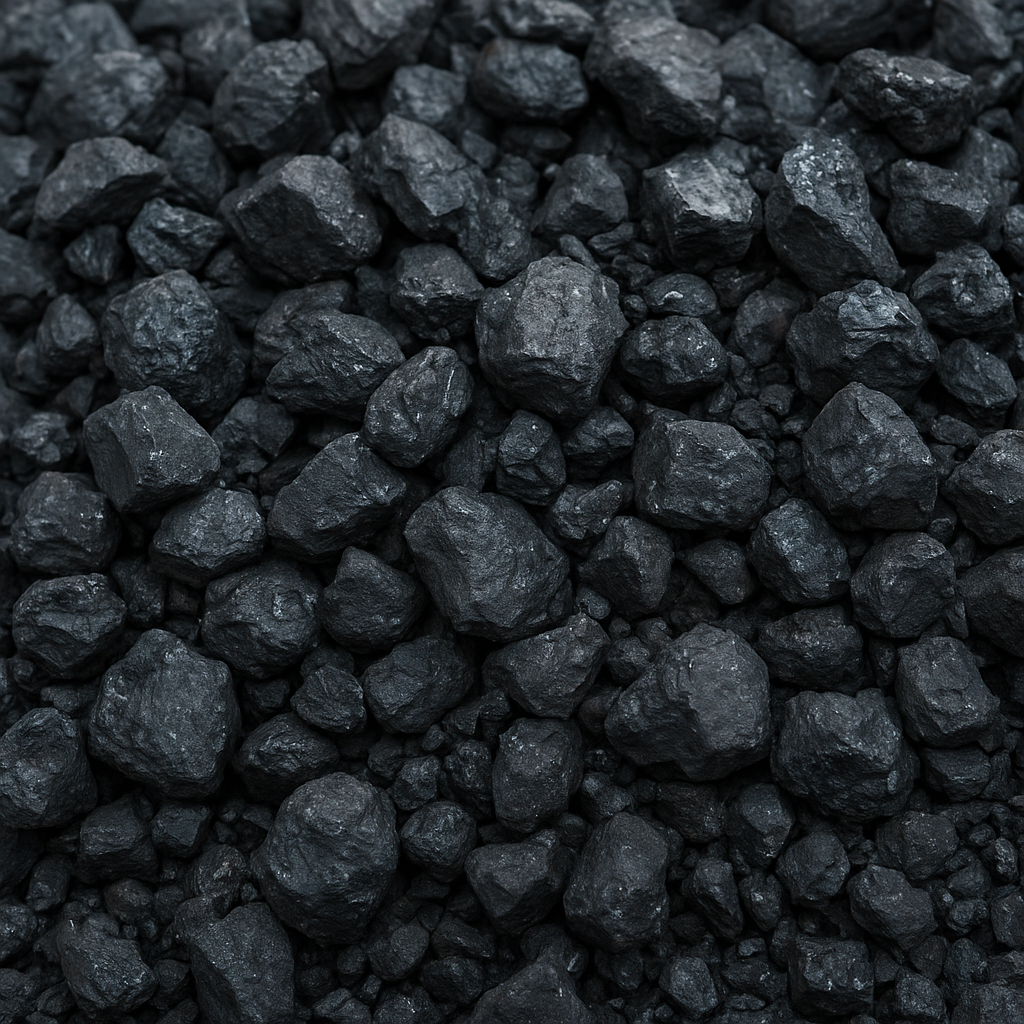
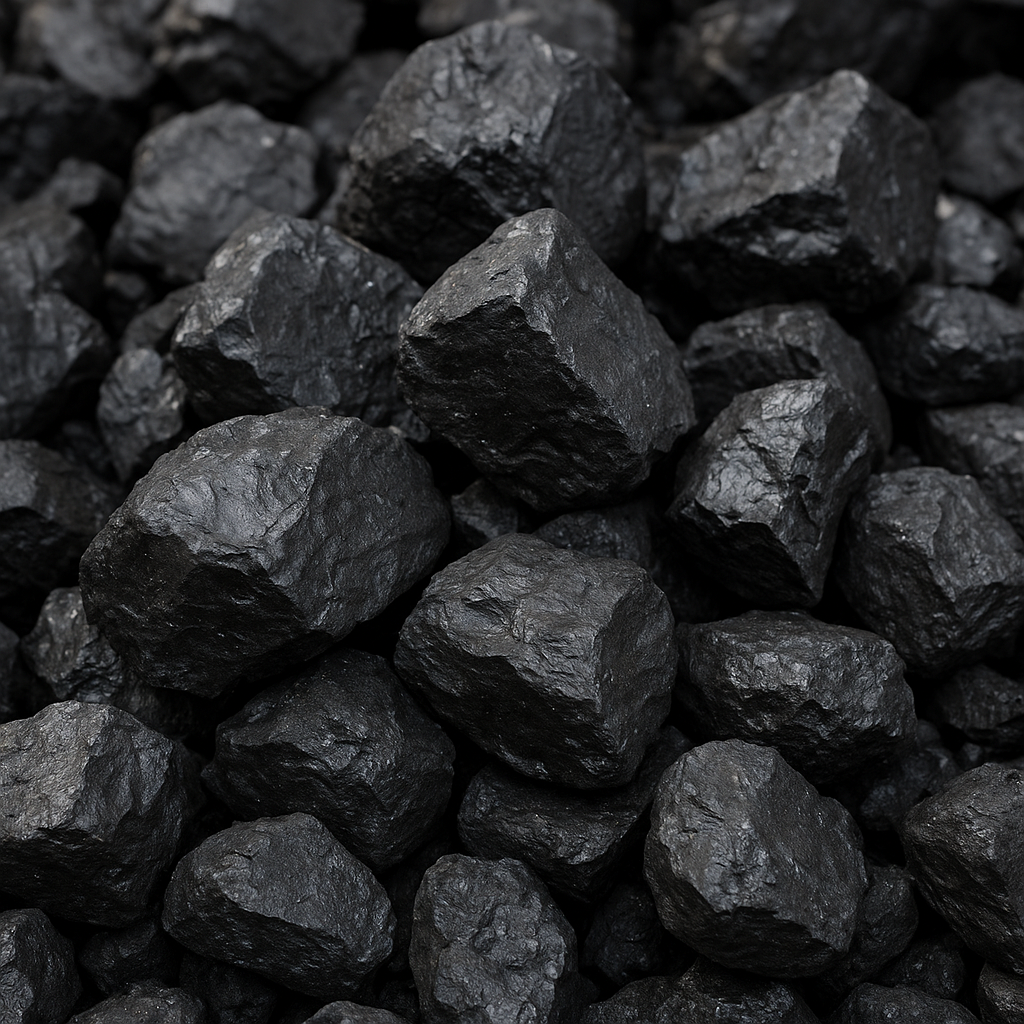
This article explores the coal used specifically for coking and in coke ovens — the type of coal central to modern **steel**making and a range of industrial processes. It covers geological occurrence, major producing and exporting regions, mining and processing methods, economic and trade aspects, environmental and technological issues, and statistical perspectives. The aim is to provide a comprehensive, practical overview for readers interested in the role of coking coal in global industry and energy systems.
Geology, types and important physical properties
Coal suitable for conversion into coke is commonly called coking or metallurgical coal. Not all coals are suitable: only certain ranks and genetic types possess the necessary physical and chemical behaviour when heated in the absence of air (carbonization) to form a coherent, porous, strong carbonaceous mass called coke. Important coal types for coking include bituminous coals with specific petrographic and rheological properties; lower-rank coals (sub-bituminous or lignite) are generally unsuitable for producing high-quality coke without blending or pre-treatment.
Key physical and chemical properties that determine coking behaviour are:
- Volatile matter content and distribution — affects plasticity during carbonization.
- Rank (fixed carbon, vitrinite content) — vitrinite-rich coals typically have better caking properties.
- Free swelling index (FSI), Roga index, and Gieseler fluidity — laboratory measures of caking and plasticity.
- Ash content and composition — influences coke quality and slag behaviour in blast furnaces.
- Sulfur and phosphorus content — deleterious for steel chemistry if present in excess.
- Thermoplastic properties — the ability of coal to soften, swell and resolidify into a coherent coke mass.
Coking coals are commonly classified into grades used by steelmakers: hard coking coal (HCC), medium and semi-soft coking coal, and blends used for PCI (pulverized coal injection). The choice of grade affects coke strength, porosity, and downstream blast furnace performance.
Where coking coal occurs and how it is mined
Geologically, coking coal deposits are found where peat-forming environments were buried and thermally altered into bituminous rank coals during the Carboniferous, Permian and younger geological periods. Major coal-bearing basins with significant metallurgical coal reserves include parts of eastern Australia (Bowen and Surat basins), the Kuznetsk Basin and other regions of Russia, major basins across China (e.g., Shanxi, Inner Mongolia), the Appalachian and Illinois basins in the United States, Colombia’s Cerrejón region, and basins in Canada, Mongolia and South Africa.
Mining methods
- Surface (open-pit) mining: dominant where seams are shallow and laterally extensive; offers low cost per tonne and high recovery, widely used in Australia, Colombia and parts of the U.S. and Canada.
- Underground mining: room-and-pillar and longwall systems are used where seams are deeper; common in parts of China, Russia, the U.S. Appalachia and Poland.
After extraction, coals destined for coke production are usually blended and processed to meet specific metallurgical specifications — washing to reduce ash and sulfur, and blending of different seam coals to obtain desired plasticity and coking behaviour. In many jurisdictions, beneficiation plants near mine sites operate to produce product coal with controlled particle size and chemical properties.
Major producing and trading regions
Global distribution of coking coal combines both large producers that consume much of their production domestically and exporters that dominate seaborne trade. Notable regions and their roles include:
- Australia — the world’s largest seaborne exporter of metallurgical coal. Australian mines, particularly in Queensland and New South Wales, supply high-quality hard coking coal and semi-soft grades to East Asian and other markets.
- China — major producer and consumer. China mines large volumes but also imports premium coals to blend for its steelmaking needs.
- Russia — significant producer with both domestic use and substantial export capacity, especially to Europe and Asia (export patterns shifted in recent years).
- United States — produces metallurgical coal in Appalachia and other basins; the U.S. is a consistent exporter and home market supplier.
- Colombia and Canada — important exporters of prime coking coals, with Colombia focusing on lower-ash, low-sulfur coals attractive to some markets.
- India — a large consumer and increasingly important producer, yet reliant on imports for higher-quality coking coal to meet blast furnace demands.
On the demand side, the largest importers historically include China, India, Japan, South Korea and the European Union. Trade flows are influenced by proximity, shipping costs, grade compatibility and geopolitical factors.
Production, processing and coke-making
Coke is produced by heating coking coal in an oxygen-free environment (carbonization) at temperatures commonly between 1000–1200°C in coke ovens. During this process volatile matter is driven off producing volatile-rich byproducts (coal tar, light oils, ammonia and gases) and leaving a porous, strong carbon matrix — the coke — used primarily in blast furnaces to reduce iron oxides and support the burden.
The industrial facility where coal is converted into coke is the coke plant or coke oven battery. There are two broad types of coke ovens:
- By-product ovens: traditional batteries that recover volatile components (tars, benzene, toluene, ammonia, sulphur compounds) for chemical use — common in integrated steelworks.
- Non-recovery (beehive or modern heat-recovery) ovens: simpler ovens that do not capture byproducts; largely phased out in many regions for environmental reasons but still present in some developing economies.
Quality metrics for produced coke include coke strength (measured by smartphone crush tests historically, but standardized indices such as Coke Strength after Reaction CSR and Coke Reactivity Index CRI are widely used) and coke size distribution, ash, and reactivity to CO2. High CSR and low CRI are desired for blast furnace longevity and efficiency.
Economic and market aspects
The economics of coking coal are tightly linked to the global **steel** cycle, as steel production determines most of the demand for coke and metallurgical coal. Key market drivers include:
- Global steel demand and cyclicality — construction, automotive, infrastructure cycles strongly influence coking coal demand.
- Trade disruptions and geopolitics — sanctions, export restrictions and shipping bottlenecks can shift seaborne flows and create price spikes or discounts for certain origins.
- Quality premiums — high-quality hard coking coals attract price premiums because they produce stronger coke and can reduce overall coke consumption per tonne of iron.
- Substitutions and technological change — increased use of PCI, natural gas-based reduction, direct reduced iron (DRI) with natural gas or hydrogen, and electric arc furnaces (EAFs) decrease some metallurgical coal demand in certain regions.
Seaborne metallurgical coal is a specialized commodity market with relatively concentrated supply: a handful of exporters (notably Australia, Russia, the U.S., Colombia and Canada) provide the lion’s share of traded volumes. This concentration makes prices sensitive to mine closures, weather-related disruptions, and policy changes in producing countries.
Statistical overview and quantitative context
Exact statistics vary by year, but some broad figures provide perspective:
- Global crude steel production is on the order of well over 1.5 billion tonnes per year. Steel production is the single largest end-use driver of metallurgical coal.
- Metallurgical coal represents a minority of total global coal production, typically a low-teen percentage of overall thermal plus metallurgical coal tonnage, but it captures a disproportionate share of value because of its industrial importance and price premium relative to thermal coal.
- Seaborne trade in metallurgical coal amounts to several hundred million tonnes annually; the majority of global trade in this commodity is for hard and semi-soft coking coals and PCI coals used by import-dependent steelmakers.
Price histories over the past decade show marked volatility: periods of tight supply and surging demand (for example during rapid steel expansion in some years, or after major supply disruptions) have produced sharp price spikes, while slower global steel demand and expansions in supply or alternative ironmaking have exerted downward pressure in other periods. Premium grades command significant price differentials versus lower-quality blends used primarily for PCI.
Environmental, health and regulatory issues
Production and use of coking coal carry environmental and public health challenges:
- CO2 emissions: Coke production and blast furnace ironmaking are carbon-intensive. Traditional integrated steelworks relying on coke contribute materially to industrial greenhouse gas emissions. Decarbonization of steel is a major global challenge and driver of new technologies (DRI, hydrogen reduction, increased EAF use).
- Local pollution: Coke ovens historically emitted hazardous pollutants — polycyclic aromatic hydrocarbons (PAHs), benzene, toluene, other volatile organic compounds (VOCs), particulate matter, and sulfur compounds. Modern regulations and recovery systems in developed countries have substantially reduced uncontrolled emissions.
- Water and soil contamination: handling of byproducts and waste from coking operations requires careful management to prevent contamination of soil and groundwater.
- Mine rehabilitation and social impacts: surface mining can substantially alter landscapes and communities; regulatory frameworks increasingly require mine closure plans, rehabilitation bonds and community transition programs.
Policy responses include stricter emission controls on coke batteries, incentives for low-carbon steelmaking technologies, and carbon pricing in some jurisdictions that affects the relative economics of coke-intensive steel production.
Technological trends and alternatives reducing coking coal demand
Several technologies and trends are changing the long-term demand picture for coking coal, although the pace varies regionally:
- Increase in electric arc furnaces (EAFs) — EAFs primarily recycle scrap steel and use electricity rather than coke; their share of global steelmaking has grown, especially in regions with abundant scrap and cheap electricity.
- Direct Reduced Iron (DRI) — gas-based DRI and emerging hydrogen-based DRI routes can substitute for blast furnace ironmaking, reducing reliance on coke, particularly where natural gas or hydrogen is economical.
- Enhanced PCI usage — pulverized coal injection reduces the amount of coke required per tonne of hot metal in blast furnaces, though it does not eliminate coke use entirely.
- Advanced coke oven technologies and emissions controls — modern plants recover byproducts and reduce local pollution, improving environmental performance but not changing coke demand.
Adoption of low-carbon pathways depends on local economics, energy availability, scrap supply and regulatory pressures. In some developing economies with expanding steel demand and limited scrap supply, blast furnaces and coke are likely to remain important for decades.
Byproducts, circular economy and industrial linkages
Coke oven byproducts form a significant chemicals stream that historically supported coal chemical industries. Recovered products include:
- Coal tar and derived pitch — used in roofing, electrodes, and carbon materials.
- Aromatic chemicals (benzene, toluene, xylene) — feedstocks for plastics and solvents.
- Ammonia and ammonium sulphate — fertilizers and chemicals.
- Sulfur recovery and sulphuric acid production — depending on sulfur content and capture systems.
Modern circular approaches look to valorize byproducts and reduce waste: tar upgrading, coke fines recycling (to make briquettes or use in sinter plants), and recovery of rare organics. However, growing constraints on coal-based chemicals in some markets aim to substitute biomass or petrochemical feedstocks where possible.
Risks, market volatility and policy risks
Important risks to the coking coal sector include:
- Price volatility due to concentrated seaborne supply and demand shocks.
- Geopolitical disruptions that alter trade routes and contractual security.
- Policy-driven decline in demand if low-carbon steelmaking is rapidly adopted in major consuming economies.
- Operational risks at large mines (strikes, accidents, floods) that can temporarily tighten supply.
For investors and industry planners, managing these risks involves diversification of supply, strategic stockpiling, long-term contracts, and engagement with decarbonization roadmaps being developed by steelmakers and governments.
Future outlook and strategic significance
Coking coal will remain strategically important for steel production in the near- to medium-term, especially where integrated blast furnace-basic oxygen furnace (BF-BOF) routes dominate and where scrap availability is limited. That said, the pace of technological change toward lower-carbon steelmaking and recycling will reshape demand patterns over the coming decades. Key factors that will define future trajectories include:
- Speed of deployment of hydrogen-based DRI and commercial viability at scale.
- Availability and price of scrap steel for EAFs.
- National and regional climate policies, carbon pricing and industrial decarbonization incentives.
- Investment in mine-level environmental controls and social licensing to ensure long-term supply chain resilience.
From a geopolitical viewpoint, countries rich in coking coal retain leverage in near-term supply chains, while import-dependent industrial nations pursue diversification of supply and investments in alternative ironmaking pathways for energy security and emissions reductions.
Selected numerical perspective (illustrative)
To add quantitative perspective without overstating precision: global crude steel production is in the order of more than one and a half billion tonnes annually. Metallurgical coal demand is proportional to steel output and varies with technology mix; where blast furnaces predominate, coking coal use per tonne of crude steel is higher. Seaborne trade of coking coal runs into the hundreds of millions of tonnes per year with a handful of exporters supplying much of this market. Price movements are notable and have shown large swings tied to supply disruptions, demand surges and policy shifts.
Practical notes for industry stakeholders
- Steelmakers should maintain flexible sourcing strategies and consider coal blending and PCI to optimize coke use and costs.
- Miners must focus on beneficiation and consistent product quality, environmental compliance and community engagement to remain competitive.
- Policymakers balancing industrial competitiveness and climate commitments should incentivize low-carbon steel investments while helping workers and communities transition away from coal-dependent economic structures.
Conclusion
Coking coal remains a cornerstone feedstock for industrial metallurgy and for several chemical streams recovered from coke ovens. Its market dynamics are shaped by geology, mining technology, steelmaking practices, and global geopolitics. While medium- to long-term prospects are influenced by decarbonization trends and substitution technologies, the near-term importance of metallurgical coal persists in many regions. Understanding the physical properties that make certain coals suitable for coking, the geography of supply and demand, and the economic and environmental trade-offs is essential for industry participants, policymakers and observers monitoring the future of steel and related industries.