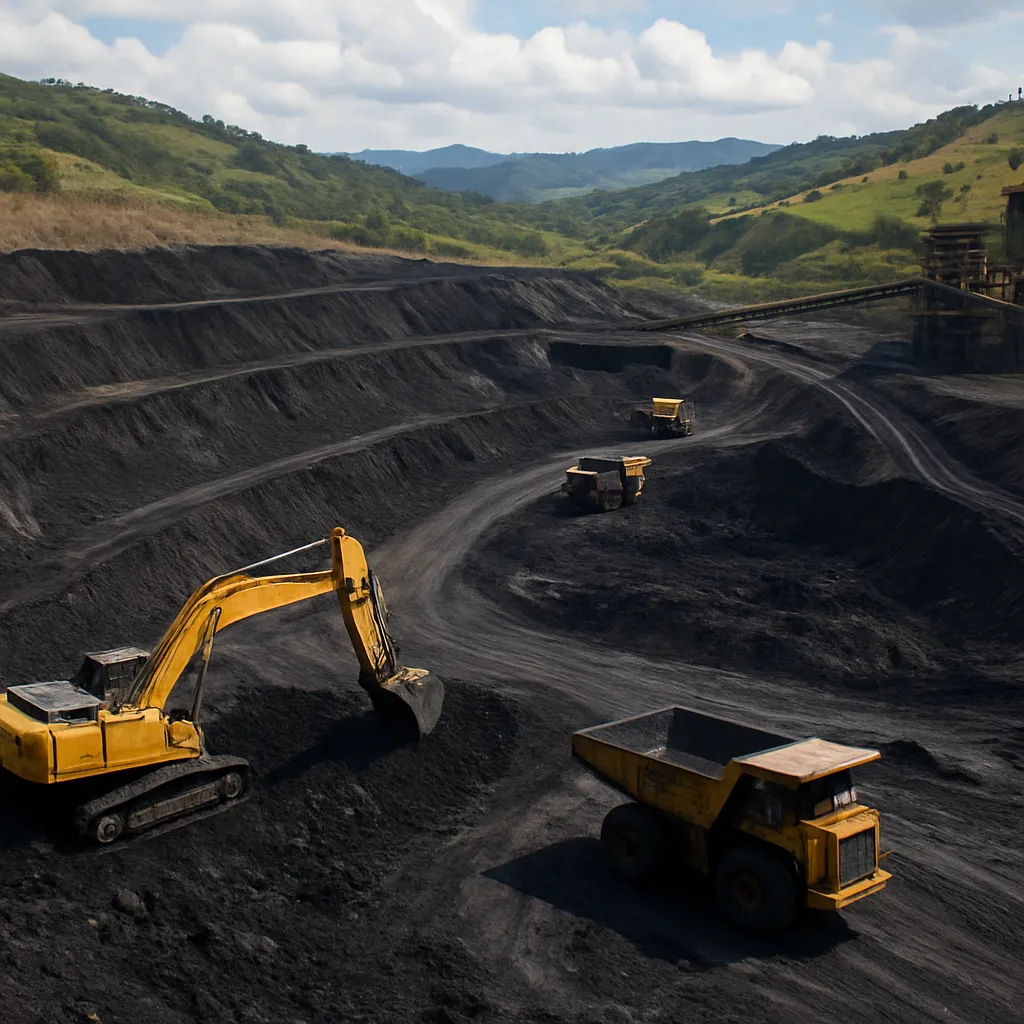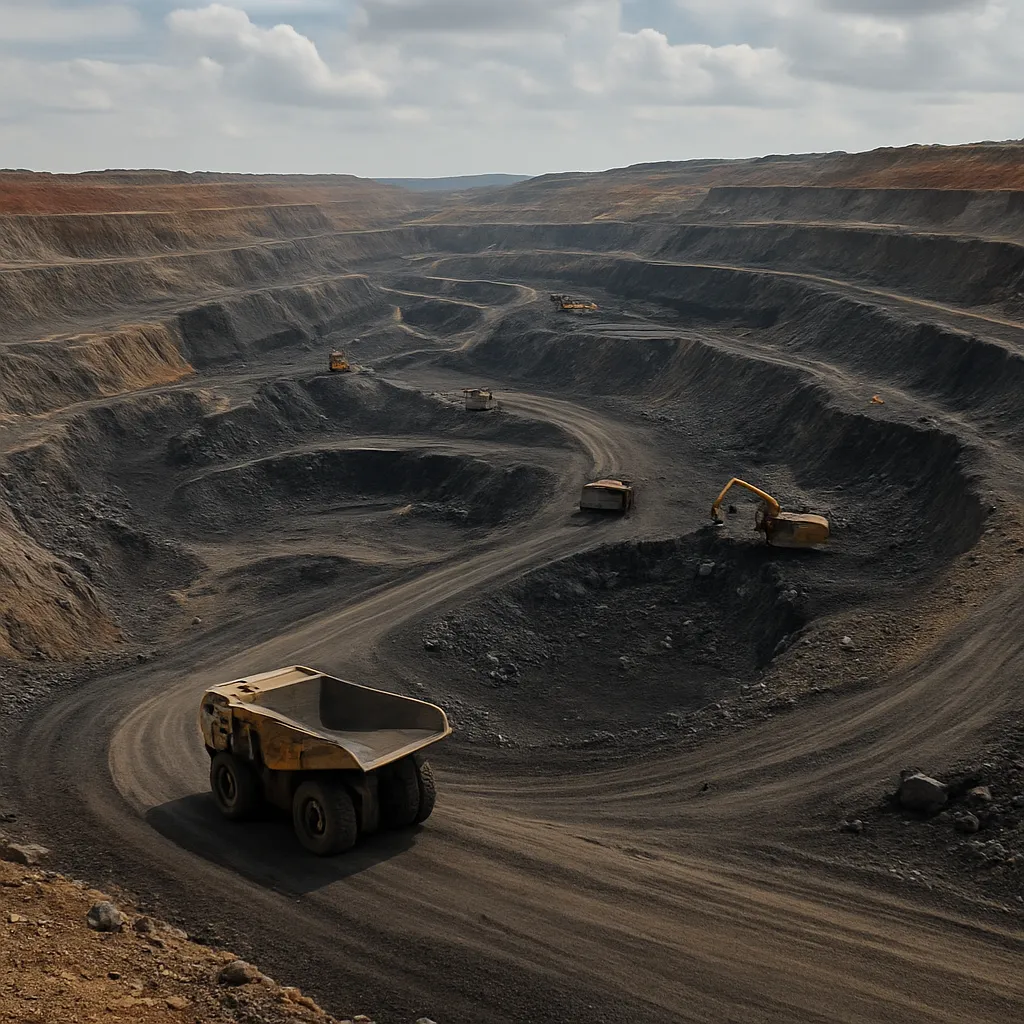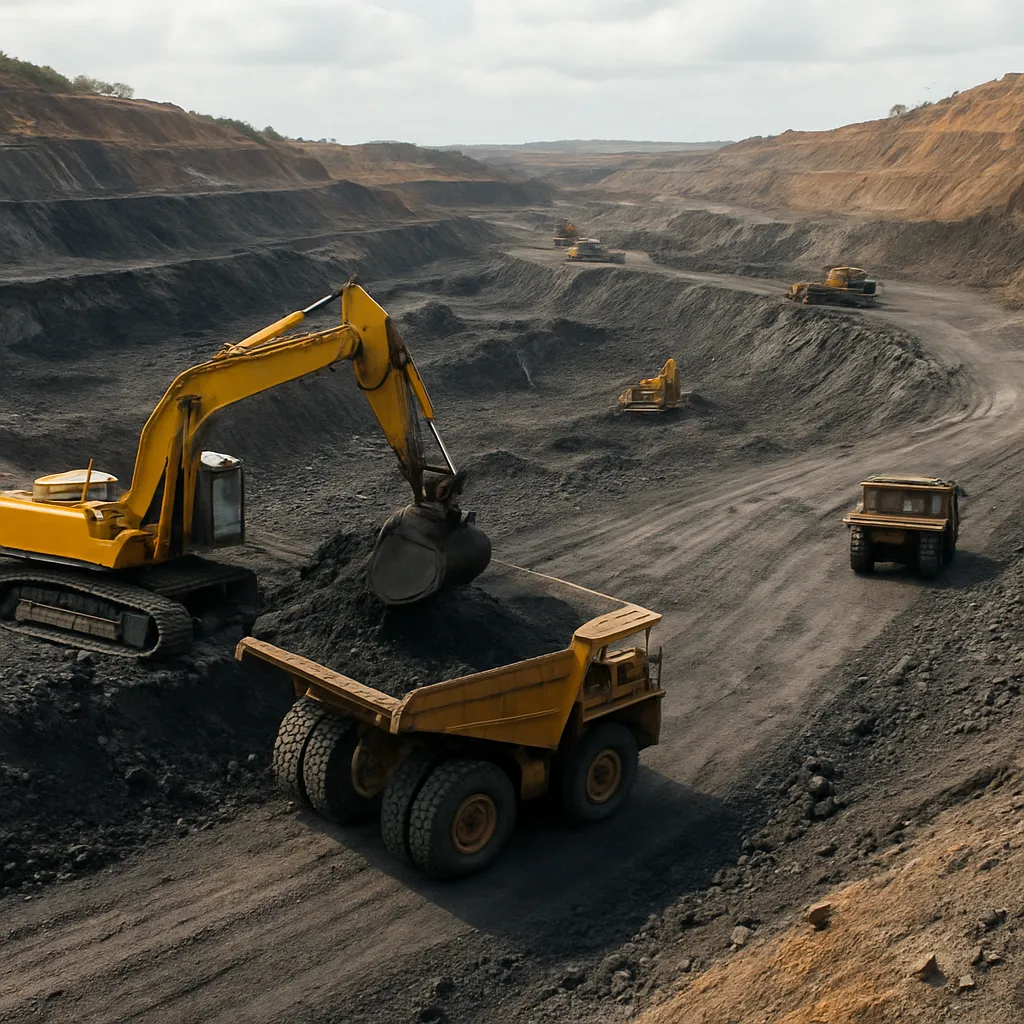
The following article provides a comprehensive overview of the Changara coal mine in Mozambique, placing it in regional geological context, outlining what is extracted there, discussing economic and industrial significance, and addressing social and environmental dimensions. Information specific to Changara is combined with broader data about the Tete coal basin and Mozambique’s coal sector where public, project-level details are limited. This approach helps to situate the mine within national and regional dynamics that shape mining operations, logistics, and markets.
Location and geological setting
The Changara coal mine is located in central-western Mozambique, within the broader coal-bearing areas of the Tete province. The Tete region is the heart of Mozambique’s coal industry and forms part of the extensive Karoo-age sedimentary basins that extend across southern Africa. These basins host multiple coal seams of variable thickness and rank, often interbedded with mudstones, sandstones and occasional carbonaceous layers.
Geologically, the coal deposits in the region are predominantly of Permian to Triassic age and were formed in large fluvial-deltaic and lacustrine environments. Such depositional settings resulted in laterally extensive seams with both resource continuity and heterogeneity. In many mines across the Tete basin, including sites like Changara, coal seams exhibit varying degrees of thermal maturity, from high-volatile bituminous to medium-rank bituminous coals. In places, these seams include intervals with coking potential, while other seams are better suited for thermal power generation.
Structurally, the area is relatively stable, but local faulting and folding affect seam geometry. Mining companies operating in the region typically rely on detailed seam mapping, drilling programs, and geophysical surveys to establish mineable reserves and design pit or underground workings accordingly.
What is mined: coal types and quality
At Changara, the principal commodity is coal. The coal quality in the broader Tete province is diverse; therefore, Changara’s output may include a mix of coal ranks. Generally, three broad categories characterize coal in the region:
- High-quality metallurgical coal (coking and semi-coking) suitable for steelmaking in blast furnaces and other metallurgical processes.
- Thermal coal suited for electricity generation and industrial heat applications.
- Lower-rank coals and carbonaceous materials used in local industries or blended for specific energy applications.
Typical parameters used to describe coal quality include calorific value (measured in kcal/kg or MJ/kg), volatile matter, fixed carbon, ash content, sulfur content and coking properties such as swelling index and CSR (coke strength after reaction). Across Tete, many seams show calorific values in a range that makes them commercially attractive for both export markets and domestic power generation, with some seams meeting export specifications for higher-grade thermal coal and others meeting coking coal criteria after beneficiation.
Beneficiation — the process of washing and upgrading run-of-mine coal — is common for mines targeting export markets, allowing reduction of ash and sulfur and improving calorific value and handling characteristics. Changara operations, depending on scale and market strategy, may include on-site or nearby coal processing facilities to produce a range of saleable products.
Reserves, resources and production: available data and context
Detailed, independently audited reserve figures for Changara specifically are not always published in the public domain. This is common for many small-to-medium mining projects or exploration-stage sites. However, the Tete basin as a whole hosts extremely large reserves and has been estimated to contain several billion tonnes of coal in various resource categories. These resources have attracted both international miners and local companies over the past two decades.
Production at any single mine in the region can range from modest output supporting local power and industry (hundreds of thousands of tonnes per year) up to large-scale export operations (several million tonnes per annum). Major projects in the province have targeted capacities in the multi-million tonnes per annum range, while development-stage mines and smaller concessions commonly produce at lower volumes until infrastructure investments are scaled up.
Because Changara is part of this broader coal complex, its long-term potential depends on both geological continuity and the economics of extraction, processing and transport. Project feasibilities for comparable mines in the region typically consider strip ratios for open-pit operations, quality and upgrade potential of the coal, capital expenditure (capex) for plant and infrastructure, and operating costs per tonne.
Economic and industrial significance
The presence of a coal mine such as Changara contributes to local and national economic activity across several dimensions:
- Direct employment and creation of skilled jobs in mining, engineering, geology, and processing;
- Induced economic benefits for local suppliers, transport operators, and service companies;
- Fiscal contributions to the state through taxes, royalties and lease payments governed by Mozambique’s mining laws and fiscal regime;
- Boosting national export revenues where coal is sold on international markets;
- Providing a potential feedstock for domestic power generation projects aimed at improving Mozambique’s energy security.
Coal from the Tete region has been an important export commodity for Mozambique, attracting foreign direct investment and fostering the development of transport corridors. Local municipalities and provincial governments often negotiate social development agreements or community benefit programs with mining companies, focusing on education, health, water supply and small-business development.
On an industrial level, high-quality coking coals from the Tete basin can supply steelmakers in Asia and other regions, while thermal coal serves power plants in regional markets. The strategic value of mines like Changara is therefore tied to both export opportunities and domestic industrialization prospects.
Infrastructure, logistics and export routes
One of the defining challenges for coal operations in Mozambique is logistics. Efficient and reliable transport to deepwater ports is essential for large-scale export. Two major corridors serve the Tete coalfields:
- The Sena railway corridor to the port of Beira, historically used for coal shipments and general freight.
- The Nacala Corridor, which includes railway and port upgrades designed to provide an alternative deepwater export route via the northern port of Nacala, reducing dependency on any single corridor.
Major miners in the region have invested in port and rail infrastructure, sometimes in partnership with the state or through concession arrangements. Road access, local haulage, stockyards and coal-loading facilities are also critical components. For Changara, its competitiveness depends heavily on proximity and access to these corridors, availability of rolling stock (wagons and locomotives), and port handling capacity, which in turn determine export unit costs and the choice of markets.
Export markets for Mozambican coal include industrial consumers in Asia (notably India and China), regional markets in southern Africa, and in some cases European buyers. Market prices for both thermal and metallurgical coal are volatile and driven by global demand for electricity, steel production trends, and substitution between coal and alternative fuels.
Social and environmental considerations
Mining operations in Mozambique, including those in Tete and at sites such as Changara, operate within a sensitive social and environmental landscape. Key considerations include:
- Land use and resettlement: Large open-pit mines can require relocation of households and alteration of traditional land use practices. Project proponents are typically required to follow national frameworks for resettlement and compensation, as well as international performance standards when financed by international lenders.
- Water management: Coal mining and washing require significant water handling; companies must manage water quality, prevent contamination of local watercourses and ensure sustainable use of limited freshwater resources.
- Air quality and dust control: Coal handling and transport produce dust that can affect nearby communities. Mitigation measures include water sprays, covered conveyors, and buffer zones.
- Biodiversity and land rehabilitation: Mining disturbs natural habitats; rehabilitation plans and biodiversity offsets are often part of environmental impact assessments.
- Community engagement and benefit sharing: Effective consultation and long-term community development programs are central to maintaining social license to operate. Education, vocational training and local procurement are typical components of benefit programs.
Environmental monitoring and compliance with Mozambique’s environmental regulations, alongside international best practice, are essential to reduce negative impacts. Many mining companies operating in the region publish annual sustainability reports that document emissions, water use, waste handling, and community investments.
Governance, ownership and fiscal framework
Mining activities in Mozambique are regulated by the national mining code and overseen by relevant ministries and agencies. Project licenses and concessions outline operational obligations, local content requirements, environmental safeguards, and fiscal terms such as taxes and royalties. The government of Mozambique has used the mining sector to attract foreign capital and develop infrastructure, but also faces the challenge of ensuring transparent contract terms and that benefits flow to local communities.
Ownership structures at mines in Tete vary widely: some operations are run by international mining conglomerates, while others are developed by joint ventures between foreign investors and Mozambican partners. For Changara specifically, publicly available ownership details may be limited; where companies wish to protect commercial sensitivity or remain in exploration stages, less project-level data is published. For stakeholders, understanding ownership, financing sources and offtake agreements is crucial for assessing project viability and long-term contributions to the national economy.
Regional economic impacts and employment
At the regional level, coal mining has been a significant employer and economic driver in Tete. Direct employment often spans miners, engineers, technical staff and administrative personnel, while indirect employment supports logistics, catering, security and local retail. Training and skills development programs are commonly implemented to build local capacity, though large projects also import expatriate expertise during early development.
Tax and royalty revenue from coal can contribute to provincial budgets and national public finances, funding infrastructure and social services. However, the scale of contribution depends on production volumes, coal prices, the fiscal terms of mining agreements, and efficiency in revenue collection and disbursement.
Challenges and risks
Mining projects in the region, including Changara, face several risks and constraints:
- Infrastructure bottlenecks: Limited rail and port capacity can restrict the pace of production increases.
- Commodity price volatility: Coal prices fluctuate with global demand, affecting project economics and investment decisions.
- Regulatory and permitting delays: Environmental approvals, land acquisition and community agreements can slow project timelines.
- Environmental and social opposition: Concerns over resettlement, water use and pollution can lead to protests or litigation.
- Financing availability: Large capital expenditures required for open-pit development, wash plants and logistics require strong balance sheets or project finance, which can be challenging in uncertain markets.
Future prospects and development opportunities
The medium- to long-term prospects for Changara and other coal projects in Mozambique hinge on several factors:
- Access to reliable transport corridors and continued investment in port and rail infrastructure;
- Global demand for metallurgical and thermal coal, which is influenced by trends in steel production, energy policy, and competition from alternative fuels and renewable energy;
- Ability to secure sustainable financing and offtake agreements that support project expansion;
- Implementation of robust environmental management and community development programs to secure social license to operate;
- Potential for domestic beneficiation and value addition, such as nearby power plants or coal-to-chemicals projects, which could capture more value within Mozambique.
Some strategic opportunities include integrating coal operations with local power generation to support industrialization, exploring carbon management technologies (including methane capture from workings or coalbed methane projects), and developing diversified logistics partnerships to reduce dependence on a single export route.
Key statistics and summary observations
Key points to consider:
- Changara sits within the coal-rich Tete province and benefits from the geological setting that hosts diverse coal seams with both coking and thermal potential.
- Publicly available, mine-level reserves and production data for Changara are limited; the broader Tete basin, however, contains several billion tonnes of coal in various resource categories and has attracted significant investment.
- The project’s economic viability depends heavily on infrastructure (rail, port), international export markets, and the ability to maintain acceptable environmental and social performance.
- Coal from the region plays a role in Mozambique’s export earnings and regional industrial supply chains but faces market and regulatory uncertainties.
Changara’s strategic value derives not only from the coal in the ground but from how effectively project developers and government authorities can align geology, logistics and social license to create sustainable economic benefits. While detailed project-level statistics may be sparse in public sources, the mine’s integration into Tete’s broader coal complex means it participates in regional dynamics that will shape Mozambique’s mining trajectory for years to come.
Additional considerations for stakeholders
For investors, local communities, and policymakers interested in Changara, important next steps include detailed technical studies (feasibility, environmental and social impact assessments), transparent publication of reserve and production data where possible, and planning for long-term infrastructure needs. Opportunities also exist for local content development, vocational training and partnerships with regional logistics providers to optimize export performance.
Given global shifts in the energy transition, project developers may also explore diversification strategies that leverage coal assets while preparing for lower-carbon future pathways—such as supplying coal with lower emissions intensity, investing in emissions mitigation measures, or using proceeds to support broader economic development projects within Mozambique.
Overall, Changara represents a component of Mozambique’s strategic coal endowment: a resource with potential to generate local employment, government revenue and industrial inputs, but one whose benefits will be realized only through careful management of environmental, social and economic trade-offs.