The Callide Coal Mine, located in central Queensland, Australia, is an important part of the region’s coal-producing landscape. Situated near the township of Biloela and embedded in a wider coal-bearing district, Callide has long been associated with supplying coal to nearby power generation, domestic markets and export chains. This article provides a detailed overview of the mine’s location, geology, mining operations, coal characteristics, economic importance, environmental considerations and the outlook for the future.
Location and geological setting
The Callide coal deposits lie in central Queensland, within the agricultural and mining district surrounding the town of Biloela. The area is accessible by established road and rail networks that connect to coastal export terminals. Geologically, the Callide deposits are part of a broader sequence of sedimentary basins in central Queensland that host significant coal seams formed in ancient swamp and deltaic environments. These deposits are typically found within shallow-to-moderately buried seams whose thickness and continuity have supported large open-cut operations.
The coal in the Callide area is generally stratified into multiple seams at varying depths. Deposition over geological time has produced seams with variable properties—ranging from higher-ash, lower-calorific seams to cleaner, higher-energy seams that are more suitable for power generation. The coal measures in this region are exploited primarily for their suitability as steam or thermal coal used in electricity generation. Local geology also determines the overburden characteristics, groundwater behaviour and the mining methods selected.
Mining operations and methods
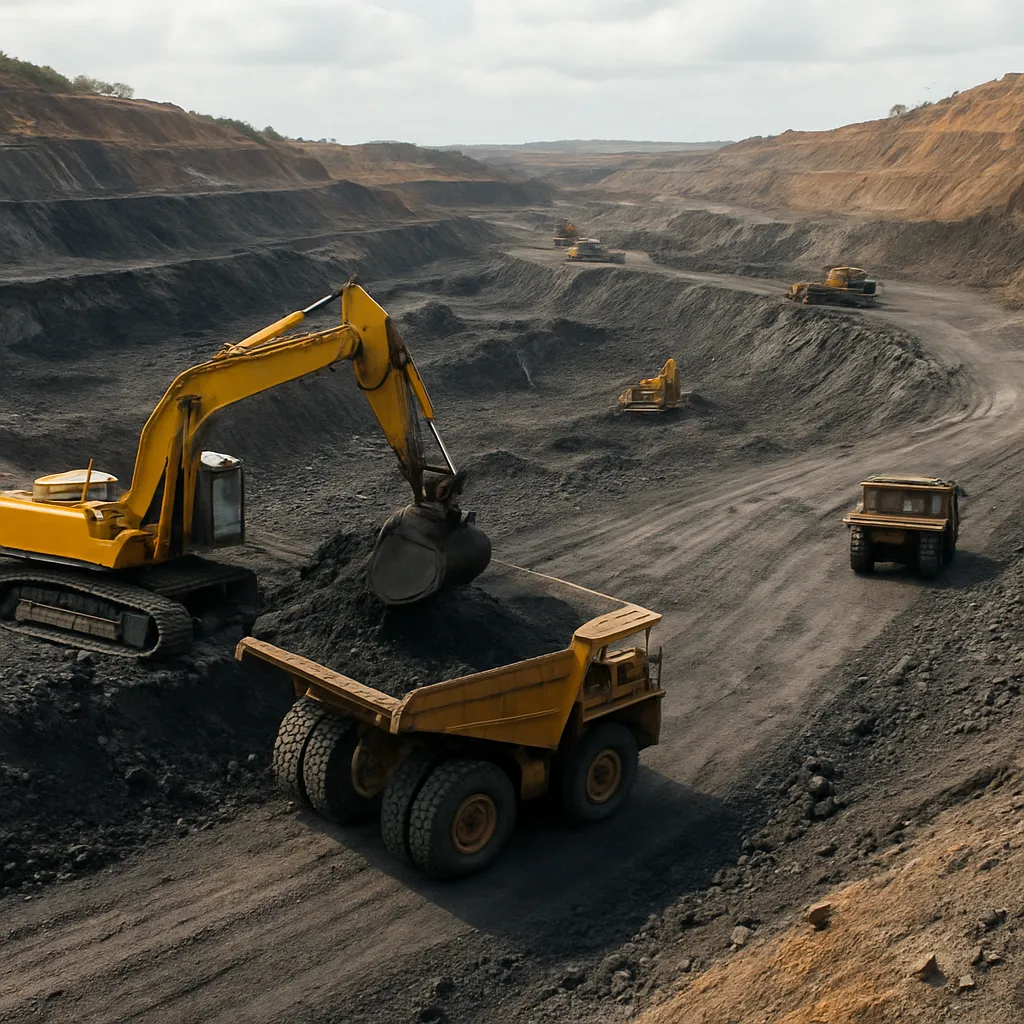
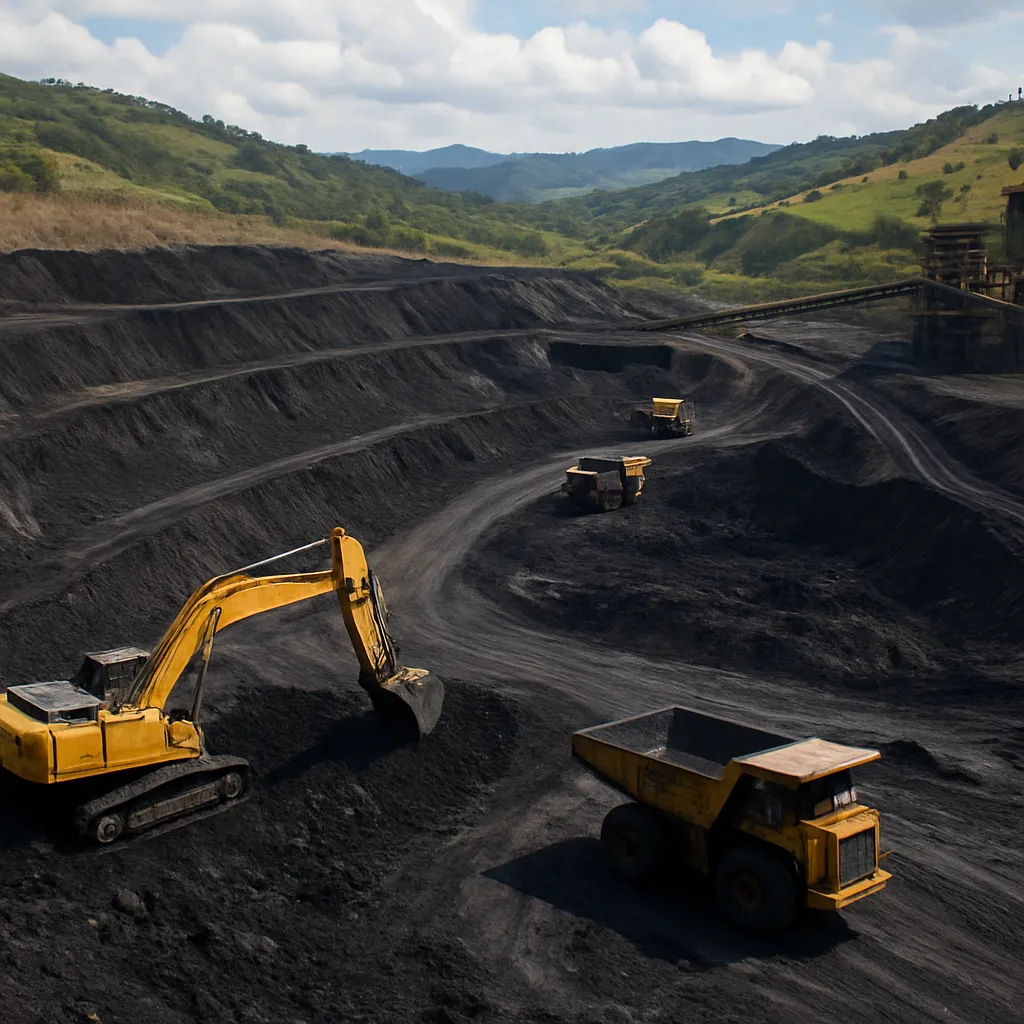
Callide’s mining operations are typically conducted using surface (open-cut) techniques, although exact methods may vary between specific pits or areas within the greater Callide coal complex. The most common operational methods include:
- truck-and-shovel cycles for ore removal;
- large excavators and dozers to strip overburden;
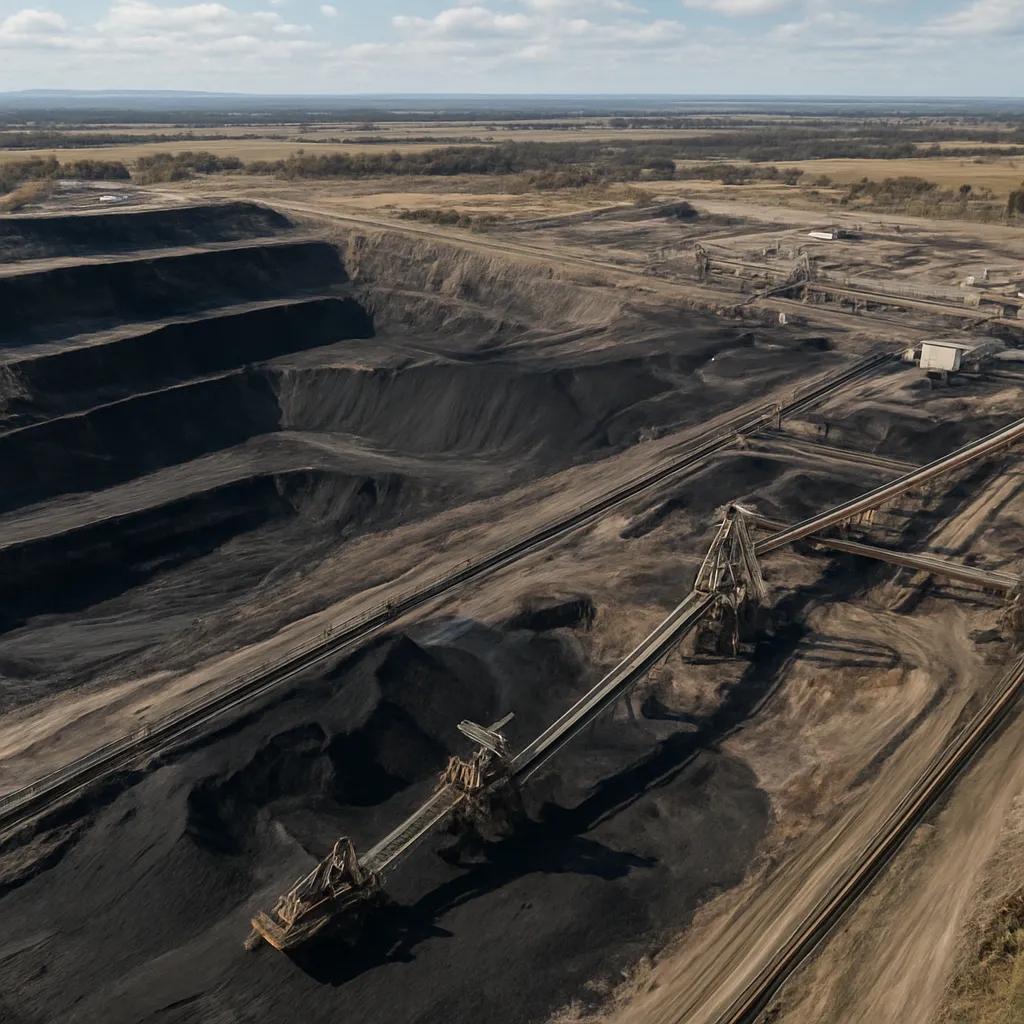
- draglines in larger contiguous benches where applicable;
- grading and haul-road management for efficient material movement;
- coal handling and processing (CHPP) units to wash and size product coal where economic.
Processing at a CHPP can improve product quality by reducing ash and sulphur content, increasing calorific value and producing marketable size fractions. Many operations in central Queensland use washing circuits, dense media separation or other beneficiation techniques to meet the specifications required by power stations and export customers.
Annual production at Callide-area operations has historically been in the range of low single-digit millions of tonnes per year for an individual mine, with the wider Callide basin and adjacent mines contributing higher aggregated volumes. Exact annual figures depend on market demand, mine plan, and operational constraints; some mines in the region have produced anywhere from 1 to 6 million tonnes per annum in typical operating years.
Coal characteristics and product types
The coal mined in the Callide area is predominantly used as steam or thermal coal. Key characteristics of Callide coal commonly include:
- Calorific value: typically in the thermal coal range — often approximated at roughly 5,000–6,500 kcal/kg (about 21–27 MJ/kg) for many seams, though exact values vary by seam and wash treatment.
- Ash content: variable; raw seam ash can be relatively high in some benches and is reduced by washing to meet customer specs.
- Sulphur: often moderate to low, making the coal acceptable for domestic power generation with existing emissions controls.
- Moisture and volatile matter: seam-dependent, affecting how coal behaves in combustion and transport.
Product coal from Callide can be sold directly into domestic markets to fuel nearby power stations and industrial users or prepared for exports to regional power generators in Asia. The principal product classes are generally categorized as raw thermal coal, washed thermal coal, and various sized fractions (lumps and fines) tailored to customers’ boilers and handling systems.
Infrastructure and logistics
Efficient transport and handling infrastructure are essential to the economic viability of Callide’s coal production. Typical logistics arrangements include:
- On-site haul roads and load-out facilities to move coal to rail or road transport;
- Dedicated rail connections or access to regional coal rail networks to convey coal to ports or to nearby power stations such as the Callide Power Station complex;
- Port terminals on the central Queensland coast (for example, Gladstone and other export ports) used for international shipments;
- Water management infrastructure (tailings, settling ponds, bore water systems) and power supply for processing facilities.
The proximity of the Callide mining area to the Callide Power Station historically creates a strong local offtake link: mined coal may be delivered directly to the power station or via short rail links, reducing transport costs compared to more distant mines. For export, coal typically travels by rail to coastal loading terminals where it is stockpiled, blended and shipped to overseas customers.
Economic, social and regional significance
The Callide coal operations play a significant role in the Central Queensland regional economy. Impacts include:
- Employment: Mines of this type typically support hundreds of direct jobs on site (operators, technicians, supervisors) and additional indirect employment in contracting, transport, maintenance and services. The total regional employment impact can be several times the direct workforce through supply chains.
- Local government revenue and royalties: Coal production generates royalty flows to the state government and business rates to local shires, which contribute to public services and infrastructure investment.
- Business activity: Local contractors, suppliers, accommodation, and service industries benefit from sustained mining activity.
- Energy security: By supplying domestic power stations, Callide-area coal contributes to the stability of local electricity generation, supporting both residential and industrial energy users.
While precise economic figures fluctuate year to year, the contribution of a mid-sized coal mine to local GDP, household incomes and council revenue is material. Royalty rates, taxation and export revenues also mean coal production is a visible contributor to state-level budgets in Queensland.
Environmental management and rehabilitation
Mining operations in Australia are subject to environmental regulation that covers land disturbance, water management, air quality, biodiversity offsets and progressive rehabilitation. At the Callide operations, key environmental considerations include:
- Managing disturbance footprints and progressively rehabilitating benches and disturbed land to reduce long-term impacts and prepare for post-mining land uses such as grazing, forestry or conservation.
- Water management and protection of local groundwater systems: controlling sediment, maintaining water quality and adhering to licence conditions for water use and discharge.
- Air quality controls to limit dust generation from blasting, loading and transport operations, protecting local communities and ecosystems.
- Greenhouse gas emissions: combustion of coal yields CO2 at power plants; mines manage their own Scope 1 (direct) emissions from fuel use and methane release and increasingly measure and report these emissions.
Rehabilitation programs typically include progressive reshaping of overburden dumps, soil reconstruction, revegetation with native species where possible, feral animal control and ongoing monitoring. Community engagement is an important part of environmental management, with companies required to consult landholders and local stakeholders on rehabilitation outcomes and land use post-mining.
Safety, workforce and community relations
Safety is a primary management focus in open-cut coal mining due to heavy machinery, blasting and haulage. Operational practices emphasize:
- rigorous training and competency systems for operators;
- procedures and technology to manage slope stability, traffic safety and explosives;
- incident reporting, emergency response planning and continual safety improvement systems.
Community relations programs often involve direct investment in local infrastructure, sponsorship of community events, training and apprenticeships, and employment programs aimed at local residents. Many operators run indigenous engagement programs and collaborate on cultural heritage management to respect and protect significant sites.
Statistical context and market dynamics
Accurate, up-to-date statistics for a specific mine can change annually depending on market conditions and operational decisions. Generally, the Callide-area operations have characteristics common to central Queensland thermal coal mines:
- Typical mine life measured in decades where substantial reserves exist; many operations report reserves and resources measured in tens to hundreds of millions of tonnes.
- Annual production for a mid-sized open-cut mine often sits in the range of 1–6 million tonnes per annum, depending on the mine plan and market access.
- Export markets for thermal coal from Queensland have historically included Japan, South Korea, Taiwan and increasingly South-East Asia, though recent market shifts have seen variations in demand.
Price dynamics for thermal coal are influenced by regional gas prices, demand for electricity, seasonal consumption, and global decarbonisation policies. When export prices are strong, mines may target higher export volumes; when domestic demand or prices are stronger, supply may be preferentially allocated to nearby power stations.
Regional industry linkages
Callide coal production is integrated into a broader network of mining activity in central Queensland. This industrial cluster delivers benefits in terms of shared infrastructure, skills and supply chains:
- Shared rail corridors and port capacity reduce unit transport costs for multiple mines.
- Local contractors often service more than one mine, creating durable regional trade and service markets.
- Power generation facilities, industrial users and towns rely on this coal supply to support their operations and local economies.
Such linkages give the Callide mine and its neighbours resilience through diversified customer bases and shared infrastructure planning.
Recent developments and future outlook
As of mid-2024, the global energy transition and policy developments have created an evolving landscape for thermal coal producers. Key factors shaping the near-term and medium-term outlook for Callide-style mines include:
- Demand in Asian markets, where coal remains a core fuel for electricity generation in many countries, supporting continued volumes of thermal coal exports.
- Domestic electricity demand and the role of coal-fired power stations in providing baseload and system stability while renewable generation capacity expands.
- Regulatory and investor pressures to manage emissions, improve environmental performance and demonstrate robust rehabilitation and closure planning.
- Technological shifts such as carbon capture and storage (CCS) and advanced coal combustion controls could extend the role of coal in some scenarios, though widespread deployment is still limited.
For mines in the Callide region, adaptation may include optimizing operations for lower-cost production, investing in emissions reduction measures, and early planning for progressive rehabilitation and eventual closure. Local economic diversification is also an important strategy for communities facing potential long-term reductions in coal production.
Interesting facts and lesser-known aspects
Several interesting points often arise around Callide-area mining:
- The proximity of mines to power stations creates logistical advantages and reduces transport emissions relative to export-only operations further inland.
- Progressive rehabilitation in Queensland has produced examples of post-mining land uses that include grazing, wildlife habitat corridors, and reforestation projects.
- Community investment programs often support local schools, emergency services and health facilities, reflecting the integrated role mines play in regional towns.
- Mines in the region must balance groundwater management and agricultural interests, with collaborative approaches frequently used to resolve competing water uses.
Summary
The Callide Coal Mine and the surrounding coal operations in central Queensland are significant contributors to local and regional economies through employment, royalty streams and by supplying coal to both domestic power stations and export markets. The coal produced is primarily thermal, with characteristics tailored to electricity generation and regional industrial needs. Operational success depends on geology, efficient logistics, robust environmental management and strong community relations. Looking forward, the sector faces both market opportunities in continuing Asian demand and challenges linked to the global energy transition, regulatory expectations and the need for careful planning around rehabilitation and post-mining land use. Overall, the Callide-area coal industry remains an important part of Queensland’s industrial base while also evolving to meet changing economic and environmental imperatives.