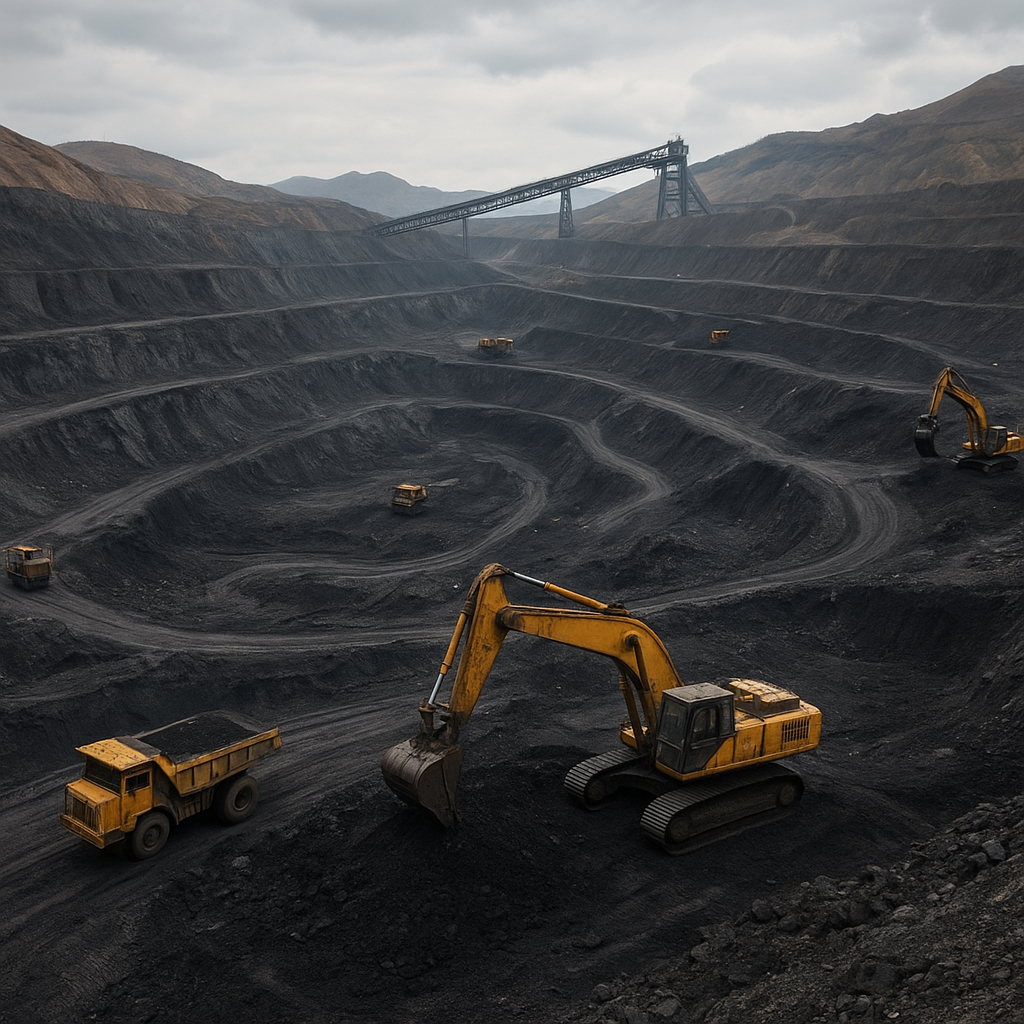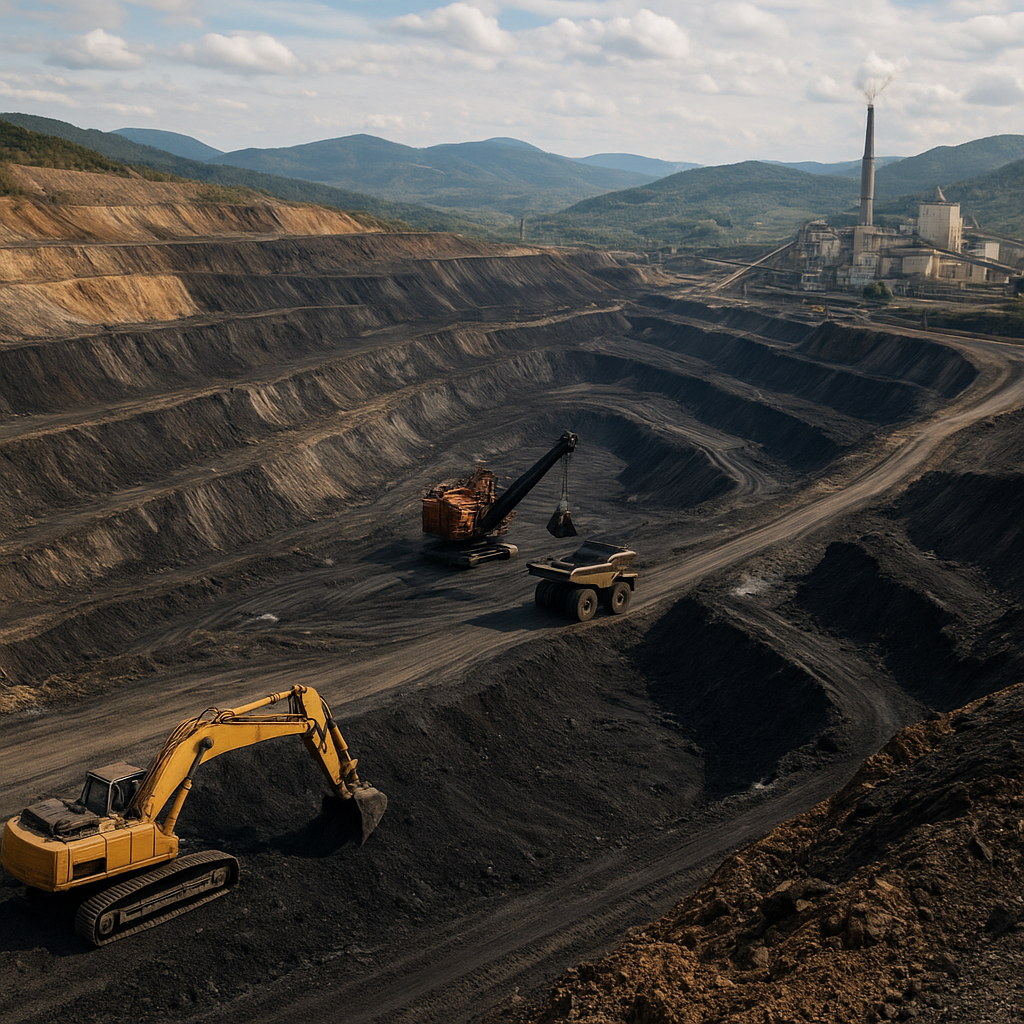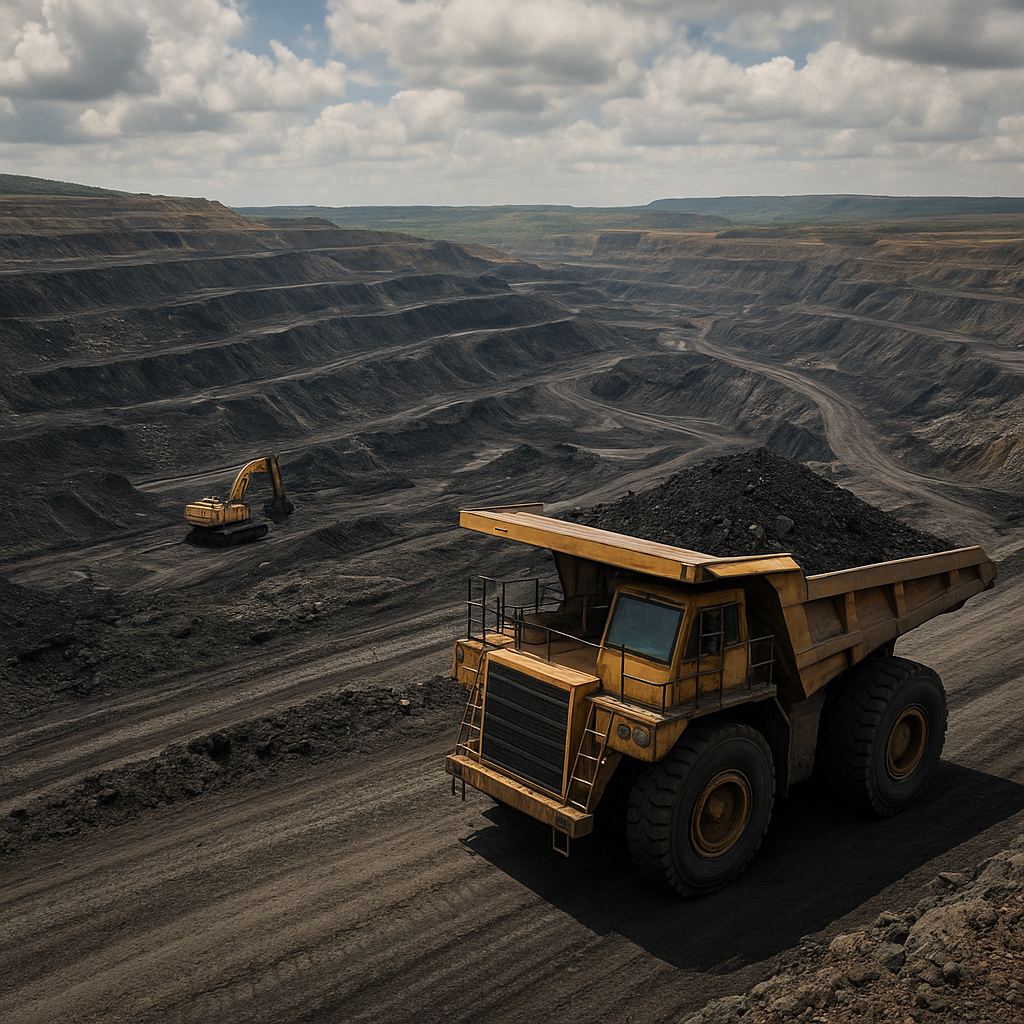
The following article presents an in-depth overview of the Arnot Coal Mine in South Africa — its location, geology, production profile, economic role, environmental and social aspects, and its position within the national and regional coal sector. The content synthesizes publicly known information, contextual statistics for South Africa’s coal industry, and practical insights into the mine’s significance for power generation and local development. Where precise figures vary over time, the text describes typical ranges and trends rather than single-year snapshots.
Location and geological setting
The Arnot Coal Mine is located in the Highveld region of Mpumalanga, one of South Africa’s primary coal-producing provinces. The mine sits in the broader Witbank coalfield (also known as the Emalahleni coal basin), an extensive Carboniferous–Permian coal-bearing sequence that underpins much of South Africa’s coal production. The Witbank coalfield is characterized by relatively shallow, tabular coal seams that are amenable to both underground and surface mining methods, although many operations around Middelburg and Emalahleni use underground bord-and-pillar or longwall methods depending on seam geometry and depth.
Geologically, the region contains bituminous to sub-bituminous coals formed in fluvial–deltaic environments. These coals typically have moderate to high ash and sulfur contents relative to some international grades, but they provide reliable thermal energy suitable for electricity generation and certain industrial processes. The specific seams worked at Arnot are part of this well-studied stratigraphy that has been mined for decades, feeding nearby power generation facilities and local industry.
What is mined and coal quality
The primary product at Arnot is thermal coal, intended largely for power generation rather than metallurgical uses. Thermal coal from the Witbank field tends to have the following general attributes:
- Calorific value typically in the range of roughly 18–26 MJ/kg (varying by seam and washery treatment).
- Ash content that can range from low to moderately high depending on seam and beneficiation; washing and blending are commonly used to meet purchaser specifications.
- Sulfur content that varies but often requires attention to achieve environmental compliance at combustion sites.
- Moisture and volatile matter content typical of bituminous/sub-bituminous ranks used for steam generation.
At Arnot, the coal is primarily used to fuel nearby coal-fired power plants, with a significant proportion historically directed to the Arnot Power Station, operated by the national utility Eskom. Coal extracted at Arnot undergoes processing (crushing, screening and sometimes washing) to meet the calorific and sizing requirements of power stations and other customers.
Operations, production and workforce
Arnot Colliery operates within the broader mining logistics network of Mpumalanga, including rail links and road transport that serve the provincial coal corridor. Mining methods reflect the seam depths and structural settings: historically many Witbank-area mines have used underground bord-and-pillar methods and selective extraction techniques designed to minimize dilution and maximize useful calorific yield.
Typical operational profiles for mines like Arnot include:
- Daily mining and development operations that produce several thousand tonnes per day, aggregated into annual outputs measured in the low millions of tonnes.
- A local workforce composed of skilled miners, engineers, geologists, maintenance staff, and administrative personnel; the mine contributes significant direct employment in the area and supports additional indirect jobs in transport, services and supply chains.
- Integrated safety, health and environment (SHE) programs to manage occupational hazards associated with underground mining, dust, and gas emissions.
Employment numbers at individual collieries vary with operational phase and modernisation; however, medium-to-large collieries in Mpumalanga typically employ between several hundred and a few thousand people on site when in full production. Arnot’s employment footprint also contributes to the socioeconomic fabric of surrounding towns and rural communities.
Economic significance and industrial links
Arnot Colliery plays a strategic role in the regional energy supply chain. Some of the key economic and industrial linkages include:
- Power generation supply: Supplying coal to nearby power stations (notably Arnot Power Station) helps maintain generation stability for the grid and reduces transport costs compared with imported or long-distance coal.
- Local employment: Direct jobs at the mine and indirect jobs in logistics, maintenance contractors, and suppliers constitute an important income source in Mpumalanga communities.
- Municipal revenue: Taxes, royalties, and corporate social responsibility (CSR) programs from mining operations feed local government budgets and community projects.
- Regional economic multiplier: Coal production supports rail and port activity for export-oriented logistics, as well as industries that rely on affordable and steady thermal energy.
On a national level, mines like Arnot contribute to South Africa’s broader energy security and export profile. While most coal in this region is consumed domestically for electricity, the national coal industry’s health is critical for economic planning, foreign exchange through exports, and industrial competitiveness.
Statistical context and trends
Precise contemporaneous figures for Arnot Colliery’s annual output can vary with market conditions, Eskom demand, and operational constraints. In the absence of a single definitive public annual figure for the mine across all years, it is useful to view Arnot within the following national and provincial statistics that frame its importance:
- South Africa’s annual coal production in recent years has generally been on the order of roughly 200–260 million tonnes, with fluctuations due to export markets, domestic demand, and pandemic-era disruptions.
- Mpumalanga supplies the majority of the country’s coal — commonly cited as around 75–85% of total national coal output — making it the country’s de facto coal heartland.
- Thermal coal makes up the bulk of the nation’s production, with a significant portion allocated to electricity generation via Eskom’s fleet of coal-fired power stations, which historically supplied the majority of South Africa’s electricity.
- Coal exports are an important revenue source: South Africa has exported tens of millions of tonnes annually in strong years, though export volumes depend on seaborne demand and international prices.
Within this landscape, Arnot’s production and consistent supply to Arnot Power Station contribute to the regional share of domestic thermal coal consumption. Annual tonnages at single collieries in the Witbank basin typically range from under a million to a few million tonnes depending on scale and life-of-mine planning; mines of Arnot’s profile have traditionally been designed to meet multi-decade demand from their connected power stations.
Environmental, safety and social aspects
Coal mining in Mpumalanga, including at Arnot, is associated with a set of environmental and social challenges that have shaped regulation and public discourse. Key considerations include:
- Air quality: Dust from mining and transport, as well as particulate emissions from coal combustion, affects local air quality. Mines implement dust suppression, screening and enclosure technologies, and monitoring to reduce impacts.
- Water resources: Acid mine drainage (AMD), high-salinity runoff, and water use for washing and dust suppression require careful management. Rehabilitation of disturbed land and responsible water stewardship are regulatory priorities.
- Land disturbance and rehabilitation: Surface footprint and spoil management necessitate progressive rehabilitation plans. Successful reclamation often includes reshaping landscapes, replacing topsoil, and revegetation using local species.
- Greenhouse gas emissions: Coal mining and subsequent coal combustion are major contributors to CO2 emissions. National decarbonisation goals and international climate commitments are driving a gradual re-evaluation of coal’s long-term role and accelerating attention to mitigation measures.
- Occupational safety: Underground coal mining carries risks such as rock falls, methane, and dust-related diseases; rigorous safety systems, monitoring and training are essential.
- Social license and community development: Local communities seek employment, infrastructure investment, and transparent benefit-sharing. Corporate social responsibility programs often fund education, health services and local enterprise development.
Regulatory frameworks in South Africa require mines to hold environmental management plans and financial provisions for closure and rehabilitation. Community engagement and transparent reporting are increasingly central to how mines operate and maintain their social license.
Supply chain and logistics
Transport links for collieries in the Mpumalanga basin are a vital part of the value chain. Rail transport — primarily via the national rail operator and logistics providers — moves large tonnages from collieries to power stations and to export terminals on the coast. Efficient supply chains matter because:
- Proximity to the consuming power station reduces haulage costs and stockpile needs.
- Rail reliability and port access influence export competitiveness and price realisation for saleable coal.
- Integration with washery capacity ensures coal quality specifications are met for specific customers.
Arnot Colliery’s relationship with nearby energy infrastructure demonstrates the value of localized coal-to-power corridors: shorter transport distances typically lower logistical losses and greenhouse gas intensity per unit of electricity generated compared with coal shipped over long distances.
Historical notes and ownership trends
Many collieries in Mpumalanga, including those that supply units like Arnot Power Station, have a multi-decade operational history. Over time, ownership and operational models have evolved: from early concessions and company-owned mines to modern structures involving private companies, state participation and contractor models.
In recent decades, corporate consolidation and restructuring in South Africa’s coal sector have reflected market conditions, regulatory changes, and the evolving energy policy landscape. Independent mines and those linked to specific power stations have had to adapt to changing demand, fluctuating prices, and rising expectations on environmental and social governance.
Challenges and future outlook
The future of Arnot Colliery — like many coal operations — is shaped by a mix of immediate operational realities and longer-term structural trends in energy systems. Important factors include:
- Shifts in national energy policy: As South Africa continues to balance energy security with climate commitments, the role of coal in the energy mix may change. Transitional policies could affect demand for thermal coal from mines that feed older power stations.
- Market pressures: Global coal markets, carbon pricing trends, and competition from alternative energy sources (natural gas, renewables) influence pricing and off-take arrangements.
- Operational costs and aging infrastructure: Maintaining safe and efficient production at aging collieries can require capital investment in mechanisation, ventilation, water management and equipment replacement.
- Rehabilitation and closure planning: As reserves deplete or as economic conditions change, mines must implement credible closure plans, including financial provisioning and community transition strategies.
- Workforce transition: Training and reskilling for employees become increasingly important if operational scale changes or if regional economies diversify away from coal dependency.
In many scenarios, mines such as Arnot will pursue optimisation of existing reserves, improvements in environmental performance, and constructive engagement with stakeholders to secure multi-year operating futures. At the same time, they will need to prepare for potential reductions in coal demand or shifts to different revenue streams, including land rehabilitation contracts and repurposing of infrastructure.
Interesting facts and broader significance
- The Witbank/Emalahleni coal basin, where Arnot is located, is one of the most intensively studied coalfields in Africa and has supported South Africa’s industrialisation for over a century.
- Local collieries have historically enabled close integration between mining and electricity generation, lowering the overall delivered cost of coal-fired electricity compared with regions that rely heavily on imports or long-distance transport.
- Technological improvements — in mechanised underground mining, real-time monitoring, and coal beneficiation — have steadily increased productivity and reduced certain environmental footprints per tonne of coal produced.
- Community and corporate partnerships around education, health and infrastructure commonly form part of the long-term social investment portfolio for collieries in the region.
Summary
Arnot Coal Mine is an integral part of Mpumalanga’s coal industry and the South African energy landscape. It produces thermal coal from the rich Witbank coalfield, serving local power generation and contributing to regional employment and economic activity. The mine operates within a complex mix of geological, logistical and regulatory conditions, and it must continuously adapt to environmental requirements, market dynamics and the country’s evolving energy policy. While specific annual production figures and employment levels can fluctuate, the mine’s strategic role as a regional coal supplier — and its connection to nearby facilities such as the Arnot Power Station operated by Eskom — underlines its continuing relevance. Looking forward, the colliery will need to reconcile operational goals with broader trends toward decarbonisation, community sustainability and lifecycle planning, all while maintaining safe and efficient production to meet the immediate energy needs of South Africa.