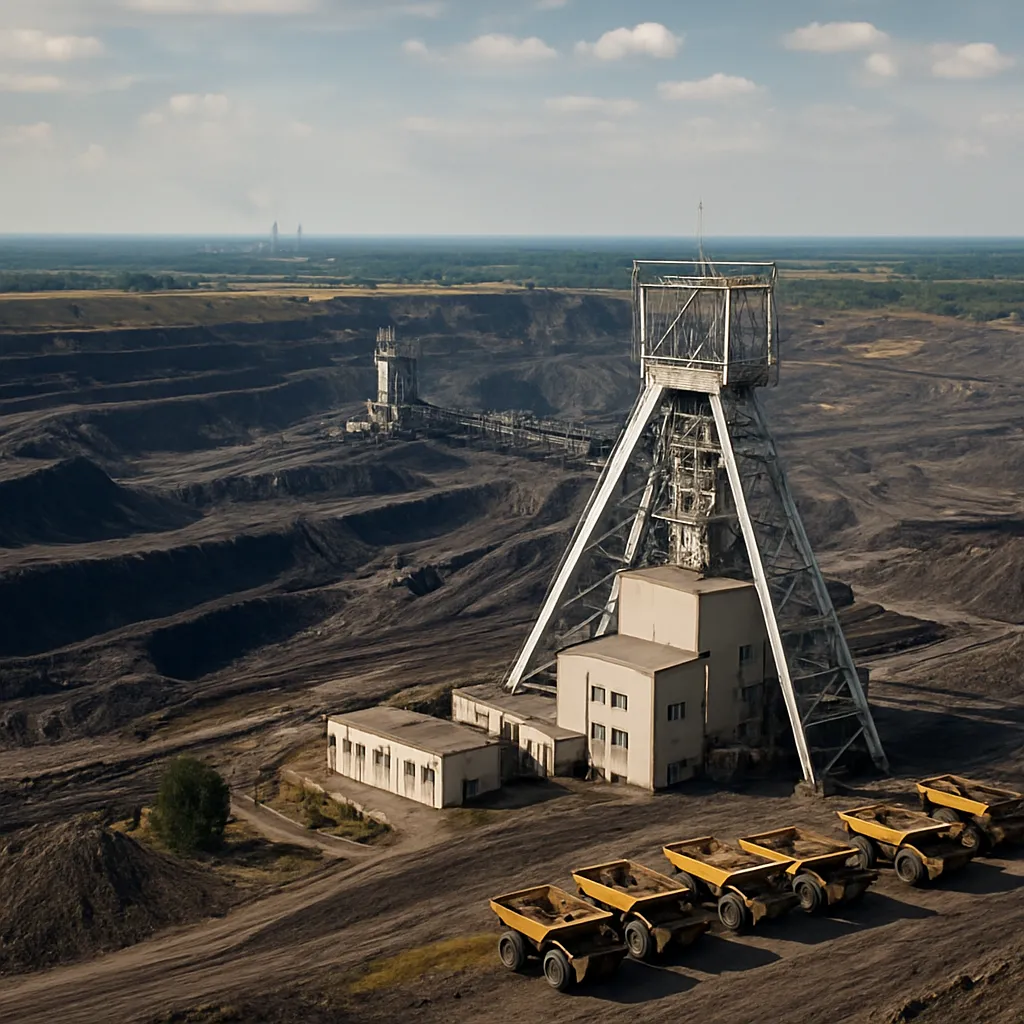
The Maruwai Coal Mine, located in the island of Borneo within the Indonesian archipelago, represents one of the many mining operations that contribute to the nation’s status as a major global coal supplier. This article provides a comprehensive overview of the site: its geographic setting, geological characteristics, the type of coal extracted, operational and economic aspects, environmental and social implications, and its role in the regional and international energy market. Where precise public data for Maruwai are limited, the article places the mine in the context of Indonesia’s broader coal industry and regional mining practices.
Location and geological setting
The Maruwai Coal Mine is situated in the Kalimantan region of Indonesia, on the island commonly known as Borneo. Kalimantan is one of the country’s main coal-producing areas, and the region’s geology includes extensive Tertiary sedimentary basins with thick coal seams. Maruwai lies within this broad coal-bearing zone and benefits from the same depositional history that produced large tracts of coal across the region.
Regional geology
- The coal-bearing formations in Kalimantan are typically of Tertiary age and consist of interbedded sandstones, shales and carbonaceous layers.
- Coal seams range from thin layers to multi-meter thicknesses depending on local depositional environments.
- Coal ranks in this part of Indonesia commonly span from sub-bituminous to low-volatile bituminous types, making them suitable primarily for thermal uses.
Access and logistics
Maruwai benefits from Kalimantan’s network of rivers, roads and coastal ports which are vital for coal transport. Typical logistical arrangements in the region include trucking to nearby yards, barging along rivers, or direct shipment via coastal terminals. The mine’s proximity to major export hubs and infrastructure corridors enhances its commercial viability, although logistical constraints (seasonal river levels, road conditions) can affect throughput.
Coal type, reserves and mining methods
Coal from Maruwai is predominantly intended for thermal power generation and industrial fuel. The Indonesian coal profile is characterized by relatively low sulfur and varying calorific values; Maruwai’s product generally aligns with this profile.
Coal characteristics
- Primary use: thermal coal for electricity generation and industrial fuel.
- Typical rank: sub-bituminous to low-ranking bituminous, with medium-to-low calorific value compared to Australian or South African coals.
- Chemical attributes: often low in sulfur and moderate in ash content; specific values vary by seam and require laboratory assay for precision.
Reserves and production (availability of data)
Detailed, audited figures for Maruwai’s proved reserves and annual output are not always publicly disclosed at the mine level. Many Indonesian mines report reserves and production as part of company publications or regulatory filings, but transparency varies. In the absence of precise site-level figures, it is useful to consider the mine within regional norms:
- Small to mid-size Kalimantan mines commonly report reserves from several tens to hundreds of millions of tonnes; production can range from under 1 million tonnes per year to multiple millions for larger operations.
- If Maruwai is a medium-scale operation, expected annual production might be in the range of 1–5 million tonnes, but this is an illustrative estimate rather than a verified statistic.
- Country-level context: Indonesia remains one of the world’s leading coal exporters and producers, and regional operations like Maruwai collectively contribute to the national output that supplies domestic power plants and international markets.
Mining methods and processing
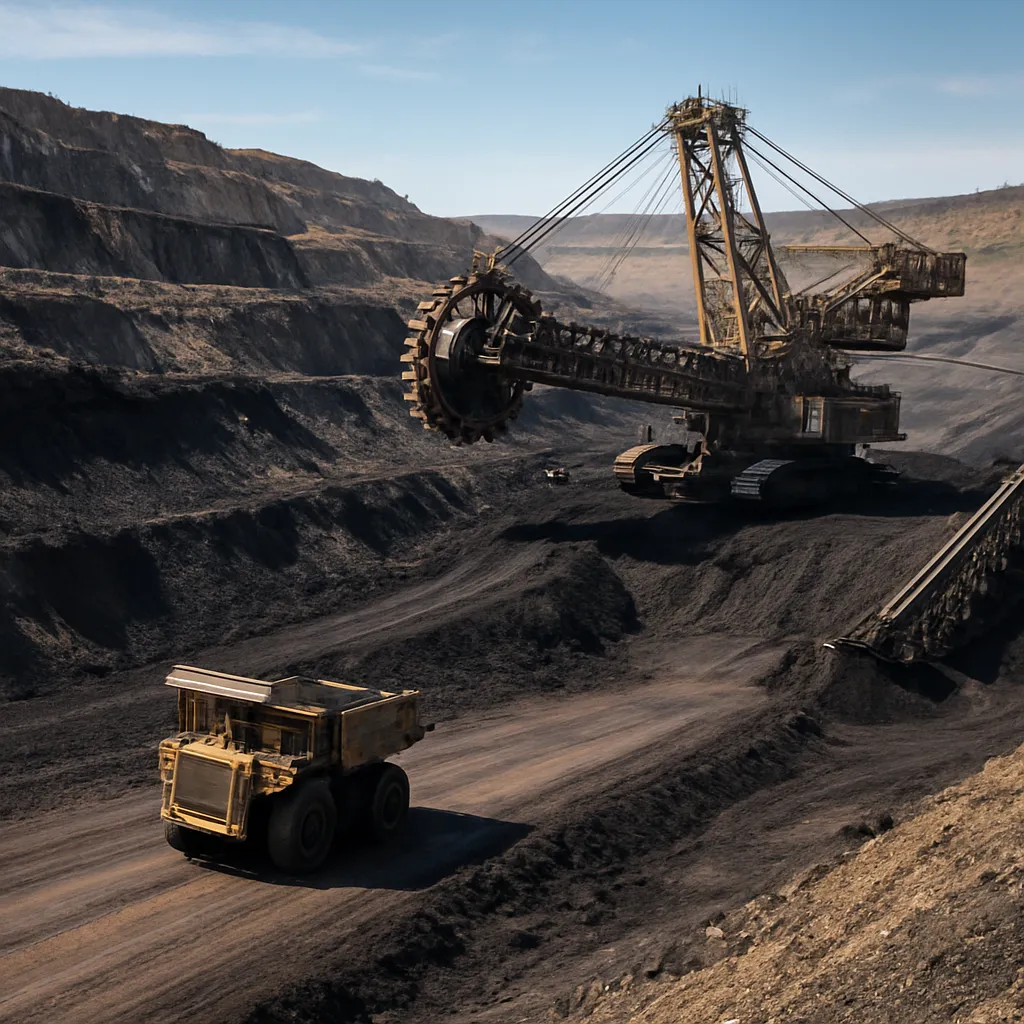
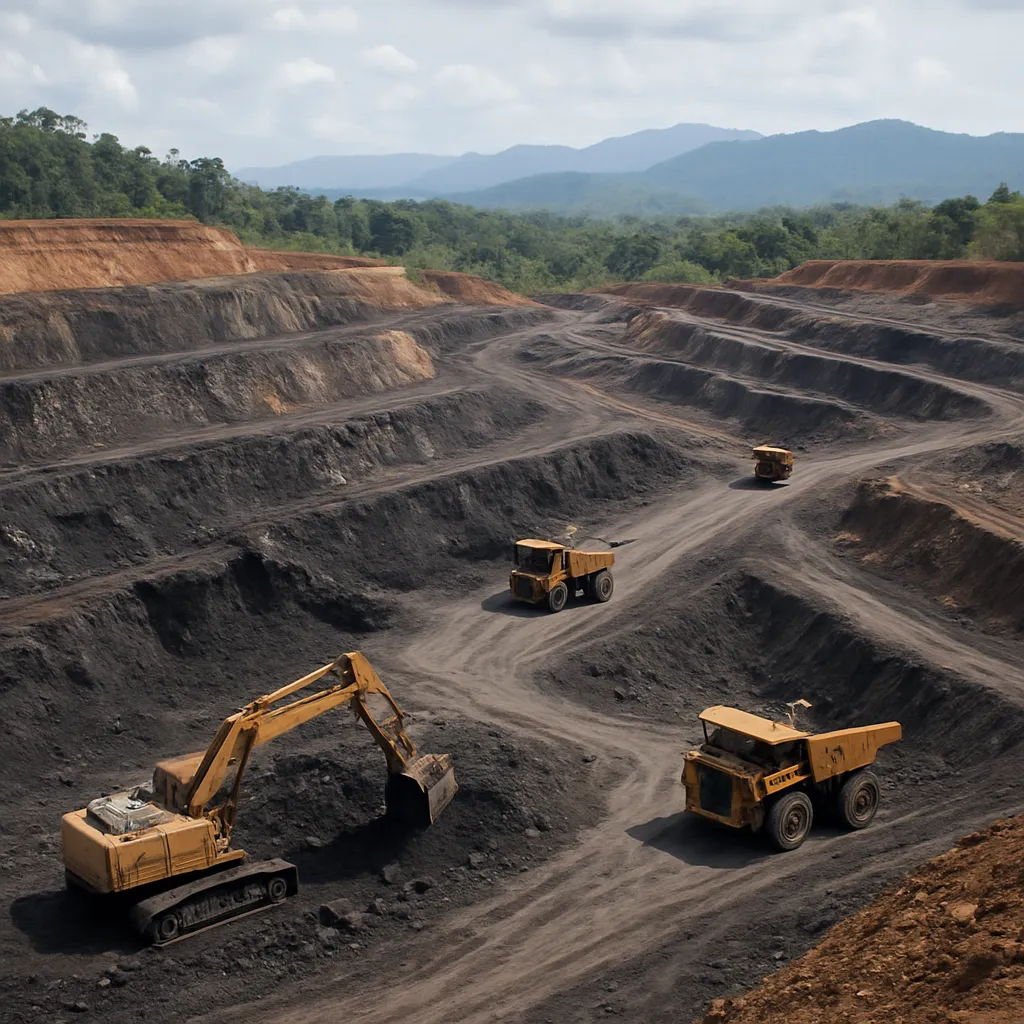
Maruwai, like many Indonesian coal mines, likely employs predominantly open-pit mining techniques when seams are close to the surface. Typical operational elements include:
- Overburden removal using excavators, draglines or hydraulic shovels.
- Coal extraction with shovels and haul trucks or conveyor systems.
- On-site processing such as screening, washing (where economic), and stockpiling to meet product specifications.
- Transport logistics involving trucking, river barges, or conveyor links to coastal loading points.
Economic and statistical significance
The economic footprint of the Maruwai Coal Mine extends across local, regional and national dimensions. Mining operations generate employment, royalties, taxes, and foreign exchange when coal is exported. In Kalimantan, coal mining supports ancillary industries (logistics, equipment maintenance, power, and services) and stimulates infrastructure development.
Revenue and trade
- Coal exports represent a significant portion of Indonesia’s commodity earnings; mines like Maruwai contribute to both regional income and national export volumes.
- Revenue streams for the mine typically include direct sales to domestic power producers, long-term contracts with utilities abroad, and spot market exports depending on product quality and buyer demand.
- Royalty and tax regimes in Indonesia require mines to pay production-based fees, corporate taxes and sometimes production-sharing arrangements with local governments.
Employment and local economy
At the local level, mines provide direct employment (miners, engineers, support staff) and indirect employment through contracting and supply chains. Maruwai’s contribution to the local economy can be seen in:
- Job creation in extraction, processing and logistics.
- Local procurement of services and goods (catering, transport, equipment repair).
- Infrastructure investments—roads, bridges and utility upgrades—that benefit surrounding communities.
Statistical context (industry-level)
While mine-specific statistics for Maruwai are limited in public sources, the broader Indonesian coal sector provides useful benchmarks:
- Indonesia is among the world’s largest producers and exporters of thermal coal, with production and export volumes in the hundreds of millions of tonnes annually (figures vary year to year due to market demand and regulatory changes).
- Major export destinations historically include India, China, and to a lesser extent Southeast Asian and East Asian markets.
- Coal revenues are a major contributor to national export earnings and provincial revenues in mining regions such as Kalimantan.
Role in industry and strategic importance
Maruwai forms part of Indonesia’s strategic resource base for delivering thermal energy domestically and to export markets. The mine supports energy security by providing fuel to local power stations and contributes to Indonesia’s role in global energy trade.
Integration with the energy sector
- Thermal coal supplies are central to Indonesia’s power generation mix; mines like Maruwai help meet both state utility and private sector fuel requirements.
- Exports from Kalimantan mines underpin trade relationships with importing countries that rely on Indonesian coal for electricity generation.
- Logistics integration—ports, barges and rail/road linkages—determines competitiveness and the ability to serve short- and long-term contracts.
Competitive position
Maruwai’s competitiveness is shaped by coal quality, cost of extraction, and logistical efficiency. Important factors include:
- Calorific value and impurities: buyers pay premiums for higher-calorific, low-ash coal.
- Production cost structure: scale, mechanization and proximity to transport hubs affect margins.
- Regulatory environment: mining licenses, environmental compliance and taxation shape long-term viability.
Environmental, social and governance (ESG) considerations
The environmental and social footprint of coal mining is a major consideration for communities, regulators and international buyers. Maruwai’s operations are subject to the same ESG pressures that influence the global coal industry.
Environmental impacts
- Land disturbance: open-pit operations alter landscapes and require progressive reclamation planning.
- Water management: mines must manage runoff, sediment control, and potential impacts on river systems used by communities.
- Air quality: dust control and particulate emissions during handling and transport require mitigation measures.
- Biodiversity: Kalimantan hosts significant tropical ecosystems; mining poses risks to habitats unless carefully managed.
Community and social issues
Key social considerations include maintaining effective engagement with local communities, respecting land rights, and delivering tangible benefits such as employment, local procurement and infrastructure improvement. Corporate social responsibility (CSR) programs often focus on education, healthcare, and livelihood support.
Regulation and compliance
Indonesian mining regulations require environmental impact assessments, reclamation bonds, and monitoring. International buyers increasingly require compliance with sustainability standards, prompting many operators to enhance reporting and environmental mitigation.
Challenges, opportunities and future outlook
Maruwai, like other mines in the region, faces a combination of operational challenges and potential opportunities as global energy markets evolve.
Challenges
- Market volatility: global coal prices fluctuate with demand from Asia and policy shifts in importing countries.
- Regulatory changes: evolving Indonesian and international environmental regulations can affect costs and permit processes.
- Community expectations: increasing demand for benefits and stricter environmental stewardship can require additional investment.
- Infrastructure constraints: seasonal weather and limited transport capacity can hamper consistent shipments.
Opportunities
- Higher-value product mixes: washing and blending can produce higher-grade coal attractive to certain markets.
- Logistics optimization: investments in port facilities, barging fleets and road upgrades can reduce unit costs.
- Value-added services: providing long-term supply agreements and logistical reliability can secure premium contracts.
- Reclamation and alternative land use: rehabilitated mine sites can be repurposed for agriculture, aquaculture or community development projects.
Transition and diversification
Global energy transitions create long-term uncertainty for thermal coal. Mines that adapt by improving efficiency, meeting stricter environmental standards, and planning for eventual land rehabilitation can mitigate risks. Some operators diversify into logistics, power generation, or other minerals to balance portfolio risk.
Interesting facts and contextual notes
Several noteworthy aspects place Maruwai within the broader tapestry of Indonesian mining:
- Indonesia’s coal sector is a major employer and revenue source; mines like Maruwai play a role beyond immediate production statistics through supply chain linkages.
- Calorific value and impurity profiles from Kalimantan coals are often well-suited to the pulverized coal-fired power plants widely used across Asia.
- Technological advances—fleet modernization, automation, and improved monitoring—are gradually transforming productivity and environmental performance in the region.
- Investment in community development and transparent reporting is increasingly important for accessing international markets and financing.
Conclusion
Maruwai Coal Mine exemplifies a typical Kalimantan coal operation: embedded in a resource-rich geological setting, oriented primarily toward thermal coal production, and linked tightly to regional logistics and export markets. Though site-specific statistics such as proved reserves and exact annual production figures are not always publicly available, the mine’s significance is best understood within Indonesia’s larger coal economy — one that supplies domestic power needs, supports regional development, and contributes to export-driven revenues. The future of Maruwai will depend on operational efficiency, adherence to environmental and social responsibilities, and the wider trajectory of global energy demand. Stakeholders — operators, government and communities — face the shared challenge of balancing economic benefits with ecological stewardship and long-term sustainability.