The Lakhra Coal Mine is one of Pakistan’s long-established coal mining areas, located in the province of Sindh. Over decades it has contributed to local energy supply, industrial uses and employment while presenting typical challenges of older coalfields: variable coal quality, environmental impacts and infrastructural constraints. This article provides a comprehensive overview of the Lakhra mining complex — its location and geology, the type and characteristics of the coal produced, economic and statistical information where available, its role in industry and energy, and the challenges and opportunities that define its present and near-term future.
Location, geology and mining history
The Lakhra Coalfield lies in the southern part of Pakistan’s Sindh Province, in the general area between Jamshoro and Dadu districts. The coal seams are part of the sedimentary basins that extend across Sindh, formed during the Tertiary and younger geological periods when terrestrial and deltaic environments deposited organic-rich layers now converted to coal. Lakhra’s geology includes multiple seams of variable thickness and lateral continuity, interbedded with sandstones, siltstones and clays.
Geological characteristics
- The coal at Lakhra is commonly described as ranging from sub-bituminous to medium-rank material, with local variability in rank and composition due to depositional differences and thermal maturity.
- Seams are generally of modest thickness compared with major international deposits, though locally economically mineable seams occur at accessible depths.
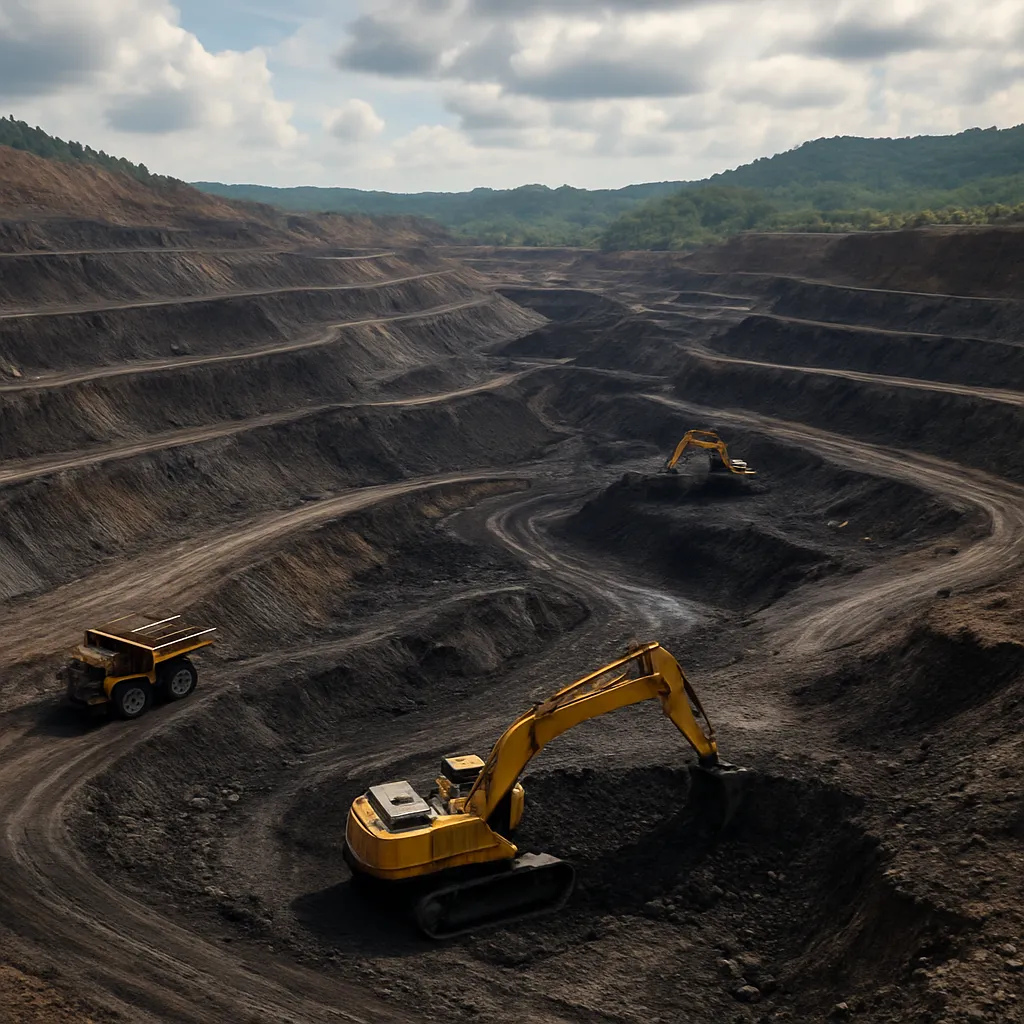
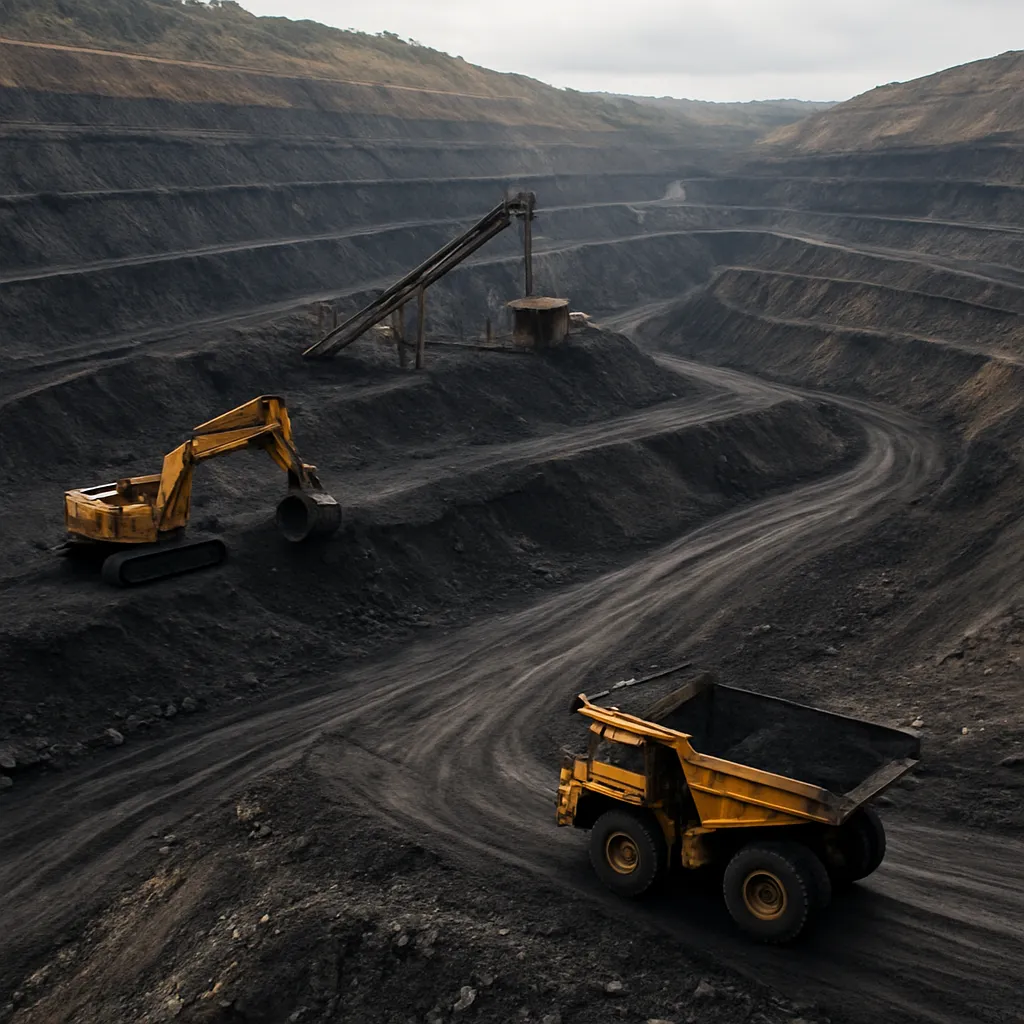
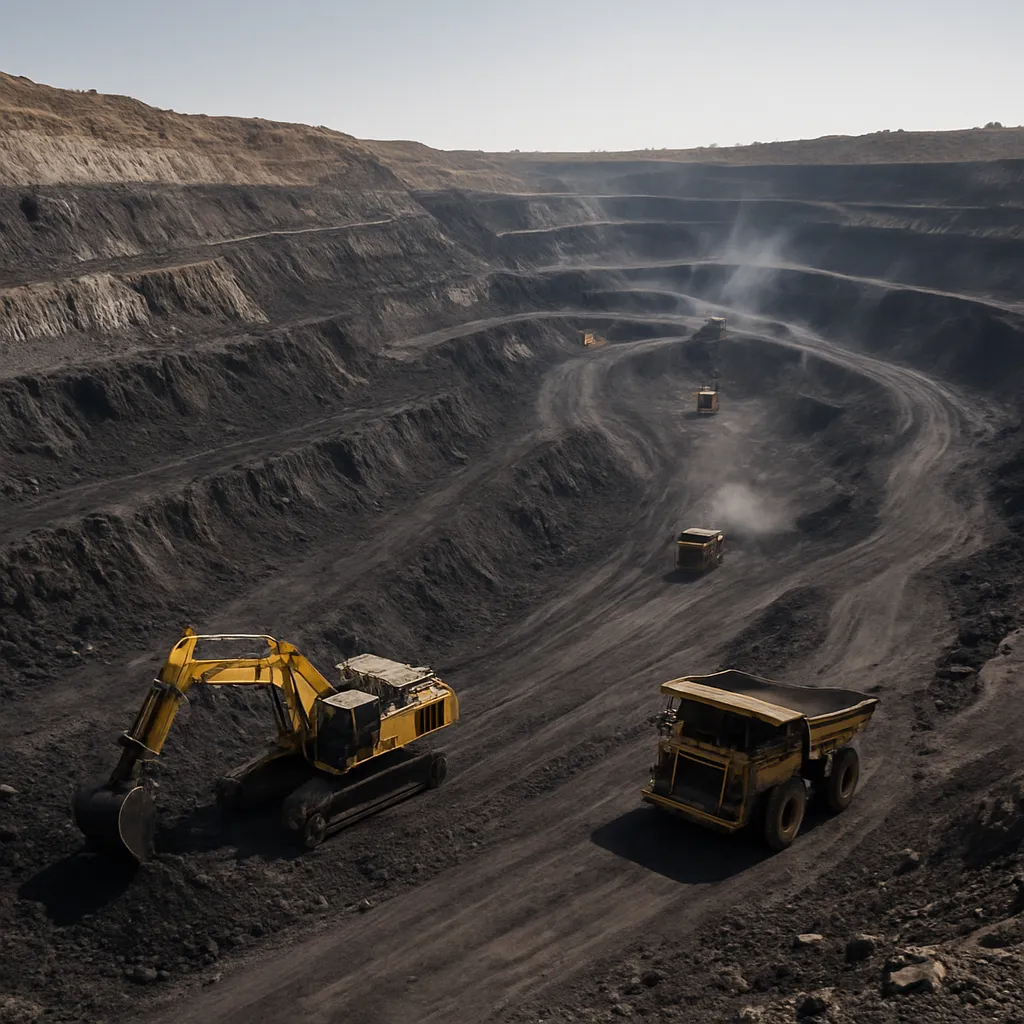
- Overburden and seam geometry have historically allowed both subterranean (shaft and gallery) and small-scale open-pit workings, depending on location and economics.
Mining activity in Lakhra expanded during the 20th century under colonial and later national administrations. Through the decades the field has supported local industries and power generation, albeit at a much smaller scale than Pakistan’s largest coal province in Thar. Lakhra’s mines have a legacy of community linkage, localized infrastructure (rails, roads) and a workforce experienced in traditional coal mining techniques.
Coal characteristics and production
The coal produced at Lakhra has been widely used for industrial heating, brick kilns, small power generation and other thermal applications. Key technical and quality features determine its suitability:
- Calorific content: Lakhra coal typically offers low-to-medium calorific value compared with higher-grade coals used in steelmaking. This makes it primarily useful for thermal energy and process heat rather than metallurgical coke production.
- Ash and moisture: Like many sub-bituminous coals, Lakhra coal often has moderate-to-high ash and variable moisture content, which impacts combustion efficiency and handling.
- Sulfur and impurities: Sulfur content may be higher than elite export coals, requiring combustion controls and emissions management when used for power or industrial heating.
Production volumes from Lakhra have varied over time according to market demand, mine accessibility and investment. Exact annual output figures fluctuate, and publicly available records are intermittent. Historically, production has tended to be modest on a national scale (measured in hundreds of thousands of tonnes per year at times), supplying regional industry and local power plants rather than national-scale power stations.
Reserves and resource estimates
Estimating reserves for older, partly explored coalfields such as Lakhra is challenging due to incomplete modern surveys. Various technical sources and government reports over the years have suggested that Lakhra contains mineral resources in the order of tens to hundreds of millions of tonnes. Exact classifications between ‘resources’ and ‘proved reserves’ differ by report and depend on the detail of exploration work and the commercial criteria applied. In practical terms, the field represents a significant regional resource that can support local energy and industrial needs, though it is not on the same scale as Pakistan’s largest lignite resources in the Thar desert.
Economic and industrial significance
Lakhra’s importance is primarily regional and multifaceted, intersecting energy supply, industrial feedstock, employment and local trade. Key economic roles include:
- Local energy supply: Coal from Lakhra has historically fuelled nearby thermal generators and captive power plants belonging to industrial facilities. Even modest mines can significantly influence local energy costs and security, especially where alternative energy infrastructure is limited.
- Industrial feedstock: Brick kilns, cement kilns and other small to medium enterprises in Sindh and nearby regions have used Lakhra coal as a cost-effective fuel for high-temperature processes.
- Employment and livelihoods: Mining, transport and ancillary services tied to Lakhra create direct and indirect employment — from mineworkers to truck drivers and supply-chain vendors. For neighboring communities, these roles are a significant source of income.
- Infrastructure development: Mining activity has prompted local investments in roads, power lines and logistics facilities. Such infrastructure can have spillover benefits for agriculture and commerce in surrounding areas.
Although the Lakhra field is not a major export-grade coal source, its local economic multiplier is substantial. Small and medium enterprises reliant on coal-fired heat gain competitive advantages from proximate supply; meanwhile, the government and private stakeholders view Lakhra as part of a diversified domestic energy portfolio that reduces reliance on imports for certain industrial sectors.
Statistical snapshot and employment
Published and verifiable statistics for Lakhra are not as extensively reported as for larger international coalfields. Nevertheless, a practical snapshot can be described qualitatively and with cautious quantitative framing:
- Reserves: commonly reported in technical literature as ranging from tens to hundreds of millions of tonnes in resource estimates; precise proved reserves require modern exploration and economic evaluation.
- Annual production: has historically fluctuated; regional production scales often amount to hundreds of thousands of tonnes in active years, with many smaller periods of lower output depending on market and operational constraints.
- Employment: the mining and transport operations likely employ several hundred to a few thousand people directly and indirectly, depending on the level of activity and whether adjacent processing or power facilities are operating.
These figures should be interpreted as indicative rather than prescriptive. For investment, planning or environmental permitting, detailed up-to-date surveys and audits by geological and engineering firms are necessary to establish current reserve status, production capacity and workforce numbers.
Role in power generation and industry
Lakhra’s coal has historically been used in small-to-medium-scale power generation and as a fuel for industrial processes:
- Captive and small thermal plants: Industrial users have sometimes operated captive plants fueled by local coal to secure reliable heat and electricity.
- Grid-supplied generation: Where economically viable, coal from Lakhra has fed local thermal power stations. However, larger grid-scale projects tend to prefer coal of more consistent quality or benefit from larger deposits with easier economies of scale.
- Industrial customers: Brick-making, ceramics and other heat-intensive industries located near Lakhra rely on the coal for lower-cost thermal energy.
The primary advantage is reduced transport cost and secure supply for local users, while the principal limitations are related to coal quality variability and the environmental controls required to comply with modern emissions standards.
Environmental, social and safety aspects
Like most coal mining operations, activities at Lakhra generate environmental and social impacts that require management:
- Air quality: Combustion and coal handling release particulates and gaseous pollutants; higher ash and sulfur content in the coal can complicate emissions control.
- Water and land: Mining may affect groundwater flow and surface water quality if runoff and drainage are not properly managed. Spoil disposal and abandoned workings can alter land use patterns and require rehabilitation.
- Health and safety: Traditional underground workings carry risks of roof falls, methane pockets and mine flooding. Modern safety standards and training can reduce incidents but require investment and oversight.
- Community impacts: Mining brings jobs and infrastructure but also social pressures—migration, shifts in local economies and potential displacement. Meaningful stakeholder engagement and benefit-sharing programs help sustain long-term social license to operate.
Efforts to modernize Lakhra operations often emphasize improved dust control, water management, progressive land reclamation and workplace safety measures. Environmental regulation in Pakistan is evolving, and mines operating today must increasingly align with national environmental protection standards and international best practice to secure financing and community acceptance.
Challenges, modernization and future prospects
Lakhra’s future depends on navigating a suite of technical, economic and policy challenges while capitalizing on opportunities:
Challenges
- Quality variability: The heterogeneous nature of the seams complicates blending and consistent plant performance.
- Infrastructure limits: Limited rail connections and seasonal road access can increase logistics costs and constrain scale-up.
- Investment needs: Upgrading to safer, more efficient mining methods and environmental controls requires capital that small operators may lack.
- Competition from other fuels: Cheap imported coal in some periods and the growth of gas and renewables can reduce demand for locally produced coal in certain markets.
Opportunities
- Local industrial demand: Sustained demand from ceramics, brick-making and process industries can keep small-scale mining economically viable.
- Modernization: Investment in mechanization, safety systems and environmental controls can improve productivity and reduce operating costs.
- Value-added processing: Coal beneficiation, briquetting or producer-gas projects can enhance the commercial value of lower-grade material and open new markets.
- Integration with regional energy planning: Strategic use of Lakhra coal for peaking or captive power — coupled with emissions control retrofits — can be part of a diversified local energy mix during transitions to cleaner energy sources.
Given Pakistan’s broader energy needs and the importance of secure domestic fuels for some sectors, Lakhra remains relevant. However, long-term viability will be shaped by regulatory trends, access to capital, and the competitive landscape of domestic and imported fuels.
Governance, ownership and community relations
Ownership and management structures at Lakhra have included state-controlled entities, private operators and local entrepreneurs, often in combination. Governance matters for sustainable operation include transparent concessioning, adherence to environmental and labor laws, and mechanisms for revenue sharing with local communities.
Community relations are critical: local employment, training programs, investment in social infrastructure (schools, clinics) and regular communication build social license. Where past mining has left legacy issues — abandoned pits, polluted watercourses or unmanaged waste — targeted rehabilitation and compensation programs can restore community trust and ecological function.
Concluding perspective
The Lakhra Coal Mine represents a mature, regionally important coalfield with a history of supplying thermal fuel and supporting local industry in Sindh. Its coal quality generally suits thermal and industrial applications rather than metallurgical use, and resource estimates suggest a meaningful regional reserve base though not comparable to Pakistan’s largest deposits. Economically, Lakhra contributes to employment, regional energy security and local industrial competitiveness. Environmentally and socially, the mine exemplifies the trade-offs of coal-based development: immediate economic benefits coupled with the need for sound environmental management and community engagement.
Looking ahead, Lakhra’s role will be determined by the extent to which operators and regulators can modernize mining practices, improve environmental and safety performance, and integrate the field into broader regional energy and industrial strategies. Technologies that add value to lower-grade coal, along with targeted infrastructure investment, can sustain the mine’s relevance while minimizing adverse impacts. For stakeholders — from local communities to policymakers and potential investors — Lakhra offers an example of how older coalfields can navigate the transition toward more sustainable and efficient resource use.