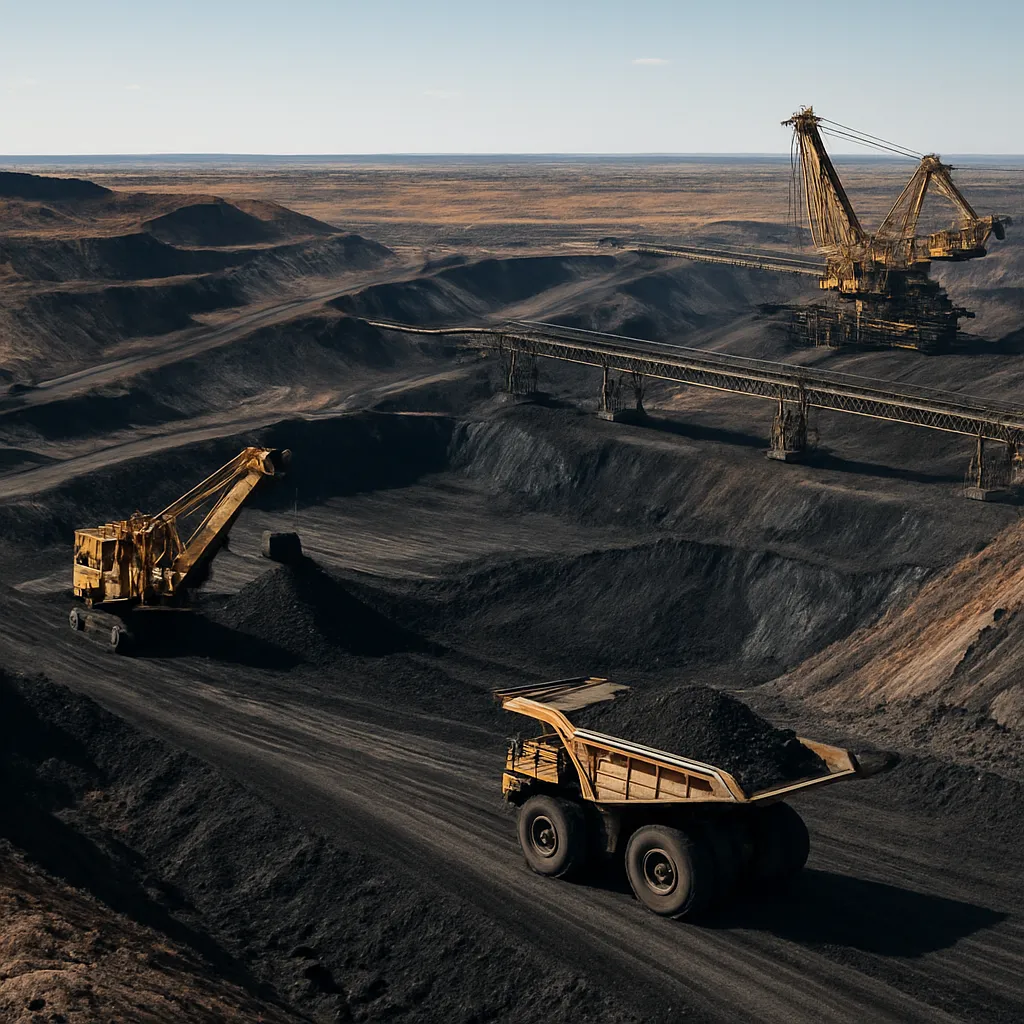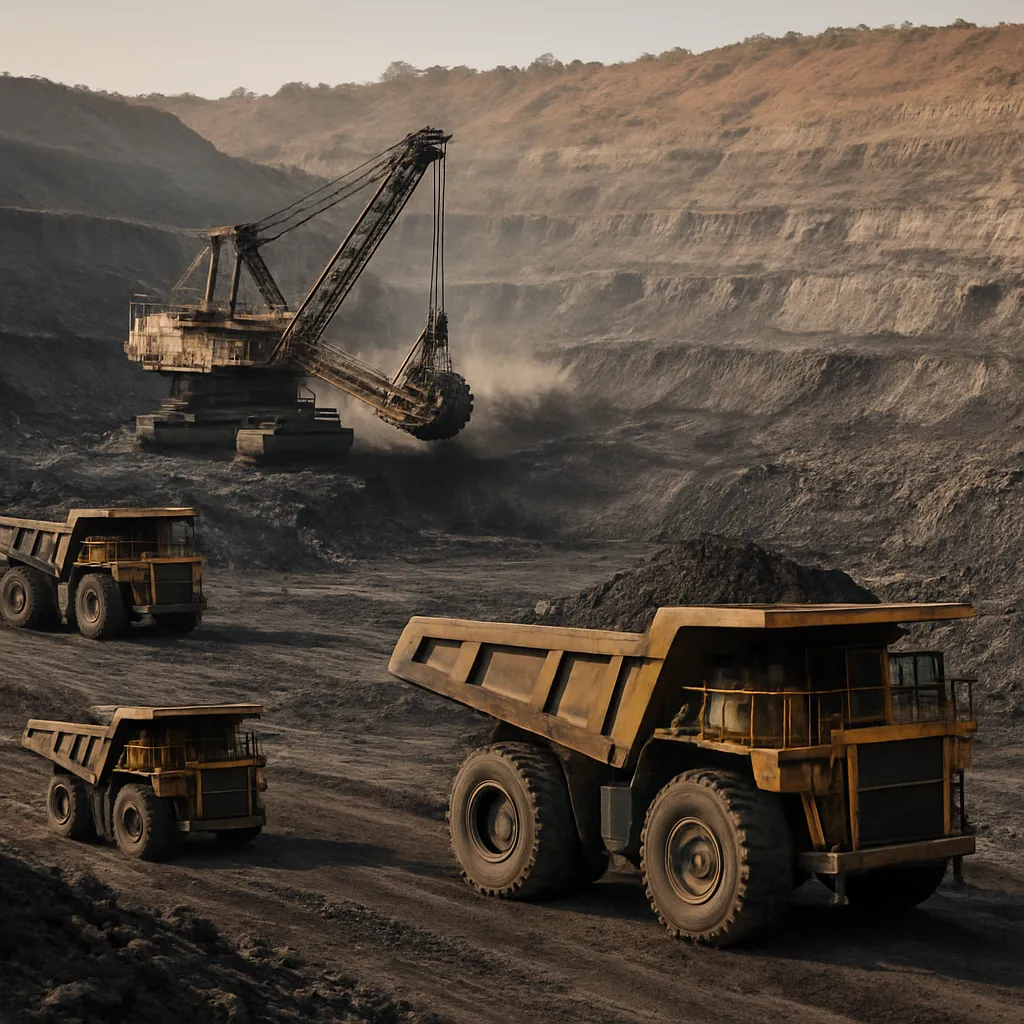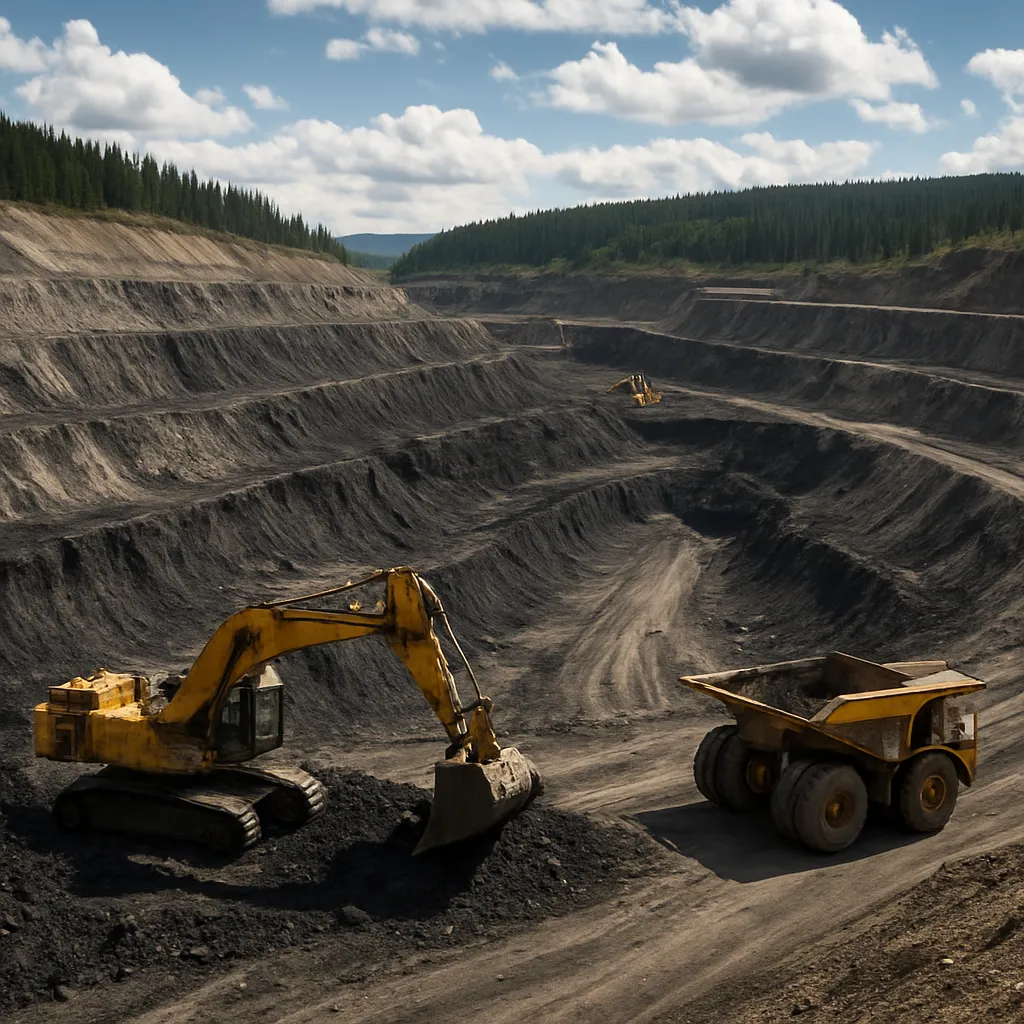
The Grande Cache No. 8 mining area, located in the Grande Cache region of western Alberta, Canada, is part of a historically important suite of coal operations that have contributed to regional development, Canadian steelmaking supply chains, and local employment for decades. This article examines the location, geology, types of coal extracted, mining methods, economic and statistical information, environmental and social impacts, and broader significance of the Grande Cache coal operations. It also highlights challenges and future prospects for a mining site embedded in a sensitive mountainous landscape.
Location and geological setting
The Grande Cache operations are situated in the foothills of the Canadian Rockies in west-central Alberta, roughly west of the city of Edmonton and adjacent to the town (now hamlet) of Grande Cache. The general area lies within the Western Canada Sedimentary Basin where a number of coal-bearing formations crop out in the foothills and mountain front. Coal in this district occurs in distinct seams that were deposited in ancient coastal plain and deltaic environments and later deformed by orogenic activity associated with the Rocky Mountain uplift.
Geology and coal qualities
The coal seams mined in the Grande Cache area are predominantly bituminous in rank and are valued primarily for their metallurgical (coking) properties. These coals typically have the physical and chemical characteristics required for conversion to metallurgical coke — a key input to steel production. Common desirable attributes of the site’s coal include moderate to high fixed carbon, favourable volatile matter for coking blends, and relatively low concentrations of sulfur and phosphorus compared with many other coal sources. The specific seam thicknesses and quality parameters vary across the basin, but the region is recognized for producing economically attractive coking coal.
What is mined and how — mining methods and infrastructure
Grande Cache operations have historically focused on underground mining of bituminous coal seams. The predominant method has been mechanized underground mining, often using longwall and continuous miner techniques where conditions and seam geometry permit. Underground extraction reduces surface footprint relative to open-pit mining but brings its own engineering, ventilation, and safety challenges.
- Underground longwall mining: Where seam continuity and thickness allow, longwall systems have been used to recover large, continuous panels of coal. Longwall operations yield high recovery rates and steady production profiles but require significant capital investment in shields, conveyors, and supports.
- Room-and-pillar and continuous miner systems: In more structurally complex areas or where seam continuity is less favorable, continuous miners and room-and-pillar methods have been applied.
- Processing and handling: Coal from the mine is typically processed in a wash plant to improve product quality (reduce ash and impurities) and then blended to meet customer specifications. Material handling and transfer to railhead facilities are essential for efficient transport to market.
Connectivity to provincial rail networks and proximity to transfer points are crucial. Coal produced at Grande Cache is transported by road to rail terminals and onward to export gateways on the British Columbia coast or to domestic steelmakers and power producers, depending on product type and market demand.
Production, reserves and statistical overview
Precise year-by-year production and reserve figures can vary by operator, reporting practices, and the time period considered. Historically, Grande Cache coal operations have supplied between hundreds of thousands to a few million tonnes of coal per year. Output levels are influenced by market demand for metallurgical coal, steel industry cycles, commodity prices, and the operational status of the mine (active, care-and-maintenance, or closed).
- Production ranges: Typical production for mid-sized underground metallurgical operations in the region is often in the range of 0.5 to 3 million tonnes per year, depending on scale and investment.
- Reserves: Recoverable reserves for Grande Cache-style deposits are commonly reported as tens to low hundreds of millions of tonnes, depending on the classification (proven, probable) and the extraction footprint chosen. Actual mineable reserves are controlled by geology, economics and regulatory constraints.
- Employment: A fully operational underground mine of this kind typically employs several hundred workers across mining, maintenance, processing, and administrative roles. Employment numbers fluctuate with production scale and operational status.
- Exports and markets: Metallurgical coal from the region primarily serves steelmakers domestically and internationally. Major markets for Canadian coking coal historically include Asian steel producers (notably in Japan, China, South Korea, Taiwan), as well as Canadian and U.S. steel mills.
Because reporting conventions differ across operators and years, the values above should be understood as typical ranges rather than precise, site-specific statements. When the mine operated at full capacity under modern longwall operations, it contributed meaningfully to the supply of metallurgical coal from Alberta.
Economic and regional importance
The Grande Cache mining complex has had a multifaceted economic impact on the local and regional economy. Coal mining has historically been a primary economic engine for the town of Grande Cache and surrounding communities, offering well-paid jobs and stimulating secondary economic activity.
- Local employment: Pay scales in underground coal mining are typically above many other regional employment categories, reflecting the skill, training and risk associated with mining work. The presence of the mine supports local businesses, housing, and services.
- Fiscal contributions: Coal operations generate royalties, property taxes, and corporate taxes that contribute to provincial and municipal revenues. These funds support public services and infrastructure in broader regions.
- Supply chain effects: A coal mine supports contractors, equipment suppliers, maintenance firms, transportation companies, and service industries. These multiplier effects amplify the economic significance beyond direct mine employment.
- Trade balance and resource exports: Metallurgical coal is a high-value export commodity. For Canada, high-quality coking coal exports contribute positively to trade balances and strengthen ties with international steelmaking markets.
Environmental and social considerations
Mining in a mountain-foothills environment entails important environmental and social responsibilities. Operators and regulators must balance resource development with protection of water quality, wildlife habitat, and community well-being.
Environmental management
- Water protection: Surface and groundwater monitoring, sediment control, and treatment of mine-affected water are routine requirements. Maintaining water quality for downstream users and aquatic ecosystems is a regulatory priority.
- Land disturbance and reclamation: While underground mining reduces surface disturbance compared to large open pits, infrastructure corridors, portals, waste rock facilities and processing plants create footprints that require progressive reclamation. Operators are typically bound by reclamation bonds and closure plans.
- Air quality and dust control: Ventilation, dust suppression and emissions controls are needed to minimize impacts on workers and surrounding communities.
- Biodiversity and habitat: The foothills and adjacent forested areas are habitat for wildlife species including large mammals and migratory birds; mitigation and monitoring of habitat disturbance are standard practices.
Social and community impacts
- Community dependence: Single-industry towns like Grande Cache experience elevated vulnerability to commodity cycles. Mine closures or scale-backs can cause rapid socio-economic impacts; conversely, investment and stable operations can sustain communities for generations.
- Indigenous and stakeholder engagement: Modern projects require consultation and cooperation with Indigenous groups, local stakeholders and governments to address land use, employment opportunities, and cultural considerations.
- Health and safety: Underground coal mining involves inherent hazards. Investment in training, safety systems, and emergency preparedness reduces risk and is essential for workforce protection.
Industry significance and strategic role
The Grande Cache area plays a strategic role for Canadian metallurgical coal supply, complementing other western Canadian coal-producing regions. The quality of coal from such operations has particular importance to steelmakers that require specific coke-producing feedstocks. In addition, the mine’s presence supports regional industrial diversity and contributes to provincial objectives for resource-based economic development.
- Metallurgical vs thermal coal: Grande Cache’s emphasis on metallurgical coal differentiates it from thermal (power-generation) coal producers. Metallurgical coal tends to command higher prices and is tied closely to steel industry cycles rather than power sector demand.
- Supply chain resilience: Canadian metallurgical coal is an important alternative to supplies from Australia, the U.S., and other exporters; diversification of sources helps steelmakers manage supply risk.
- Technological trends: Investments in modern longwall technology and enhanced processing enable improved recovery and product quality, making regional mines more competitive in global markets.
Challenges, market dynamics and future prospects
Like all commodity-based enterprises, Grande Cache operations face a range of challenges and market-dependent opportunities.
- Commodity price volatility: Metallurgical coal prices fluctuate with global steel demand, economic cycles and geopolitical developments. Price swings can rapidly influence mine economics and investment decisions.
- Operational constraints: Complex geology, seam continuity issues or ventilation and ground control challenges can raise costs and affect production rates.
- Regulatory and environmental pressures: Increasing environmental expectations and tighter regulations can raise the bar for permitting, reclamation, and emissions management, affecting timelines and costs.
- Social license: Maintaining community and Indigenous support is essential. Companies that invest in workforce development, local procurement and transparent engagement generally improve stability and reduce conflict.
- Decarbonization and market shifts: While metallurgical coal is required for traditional blast-furnace steelmaking, advances in alternative steelmaking technologies (electrification, hydrogen-reduced iron) could change long-term demand for coking coal. Transition paths for mining communities will be a policy and industry focus in coming decades.
Interesting facts and historical notes
The Grande Cache mining district has a rich industrial history and a number of noteworthy aspects:
- Regional development: The town of Grande Cache was established and grew largely because of coal mining activity; the mine’s fortunes have been closely tied to the town’s economic health.
- Specialized workforce: Underground coal mining demands skilled trades, resulting in a local community with deep technical knowledge in mining, geology, and heavy equipment operations.
- Technological evolution: Over the decades, Grande Cache operations have transitioned from smaller-scale room-and-pillar methods to more mechanized longwall systems where geology permitted, reflecting industry-wide modernization.
- Export orientation: Even though the mine is located inland, its product has historically been integrated into international supply chains through rail and port links, illustrating the global nature of mineral markets.
Summary and outlook
Grande Cache No. 8 and the broader Grande Cache coal operations represent a meaningful example of a Canadian metallurgical coal mining complex with significant regional economic impacts, specialized underground mining activity, and product quality suited to steelmaking. While production scales and operational status have changed over time in response to markets and ownership, the site exemplifies the complex trade-offs between resource development, environmental stewardship, and community wellbeing.
Future prospects for the site will depend on global steel demand, evolution in steelmaking technology, commodity pricing, and the ability of operators and communities to adapt to changing market conditions and regulatory expectations. Continued attention to reclamation, stakeholder engagement, and diversification of the local economy will be important for maximizing long-term benefits from the coal resources of the Grande Cache area.
Key words emphasized: Grande Cache, Alberta, metallurgical coal, coking coal, underground longwall, production, reserves, employment, exports, economic impact