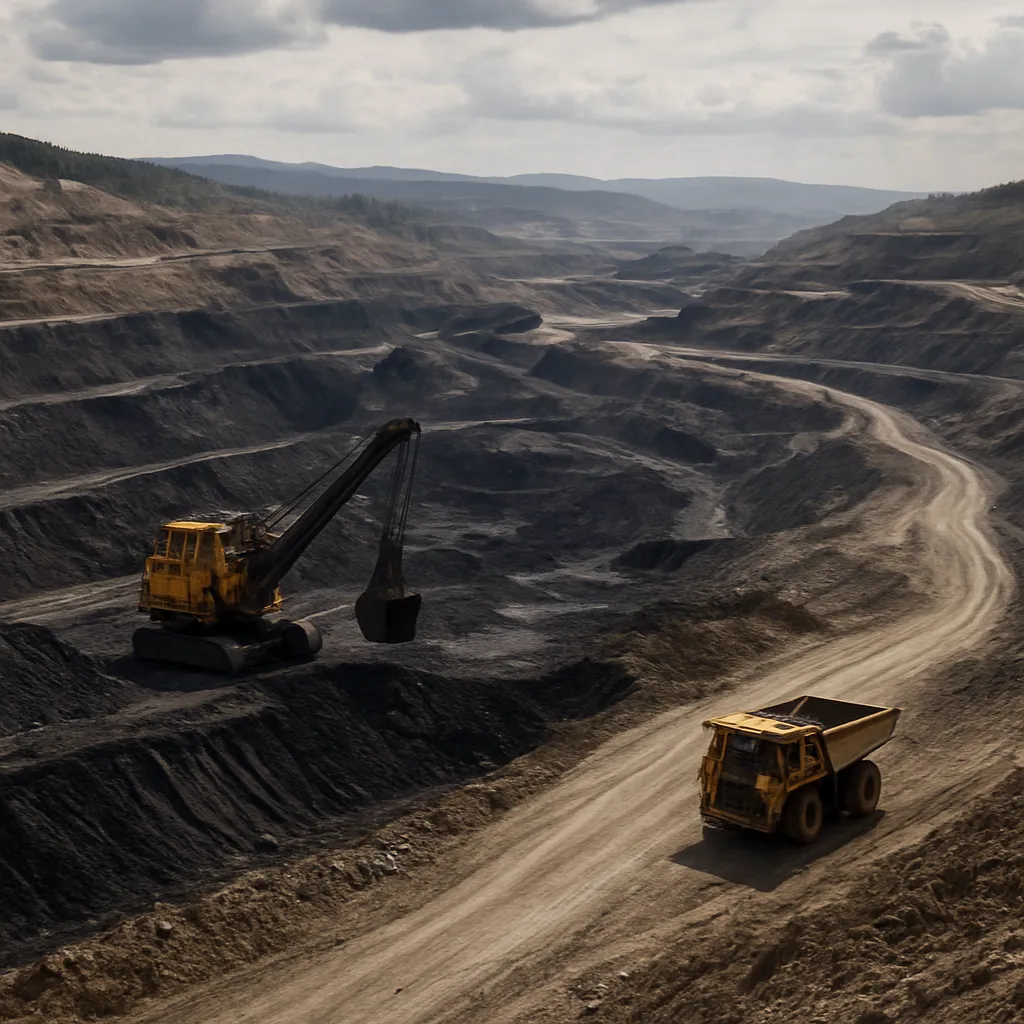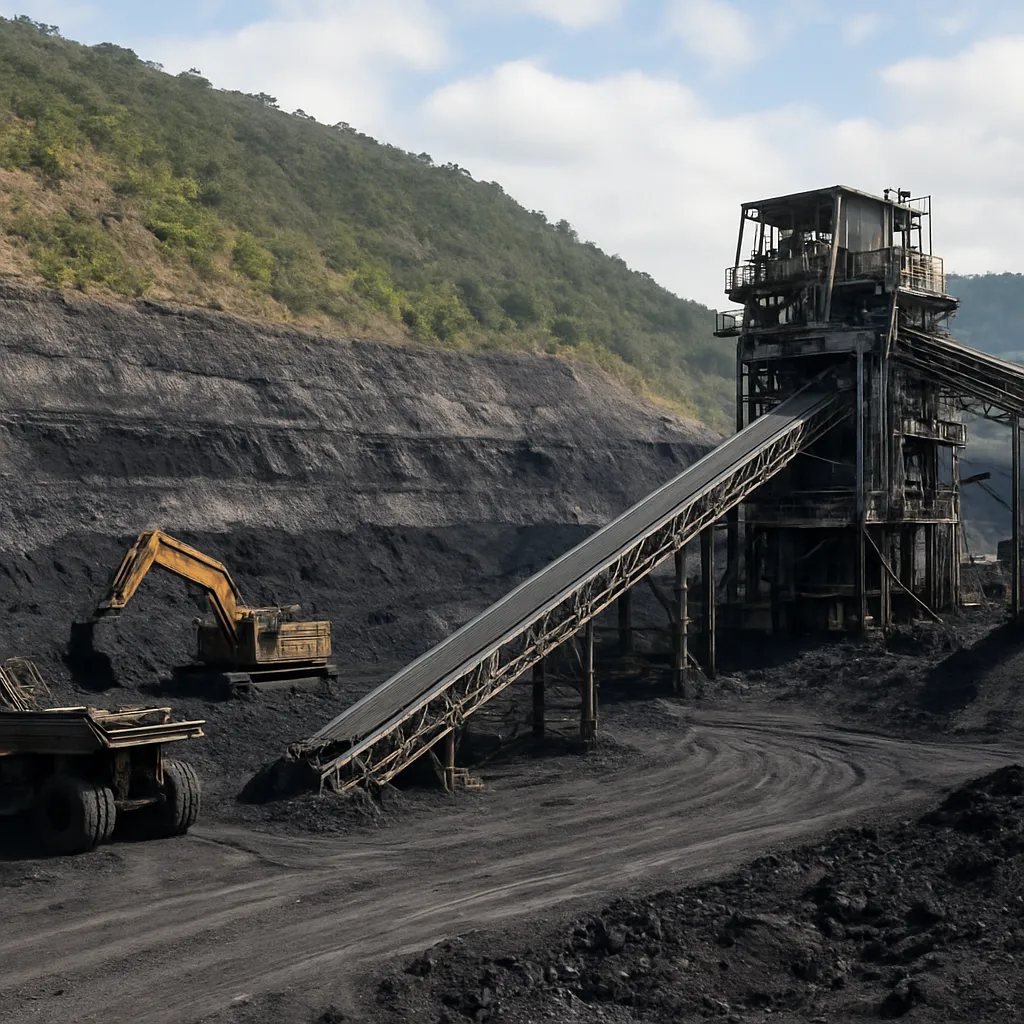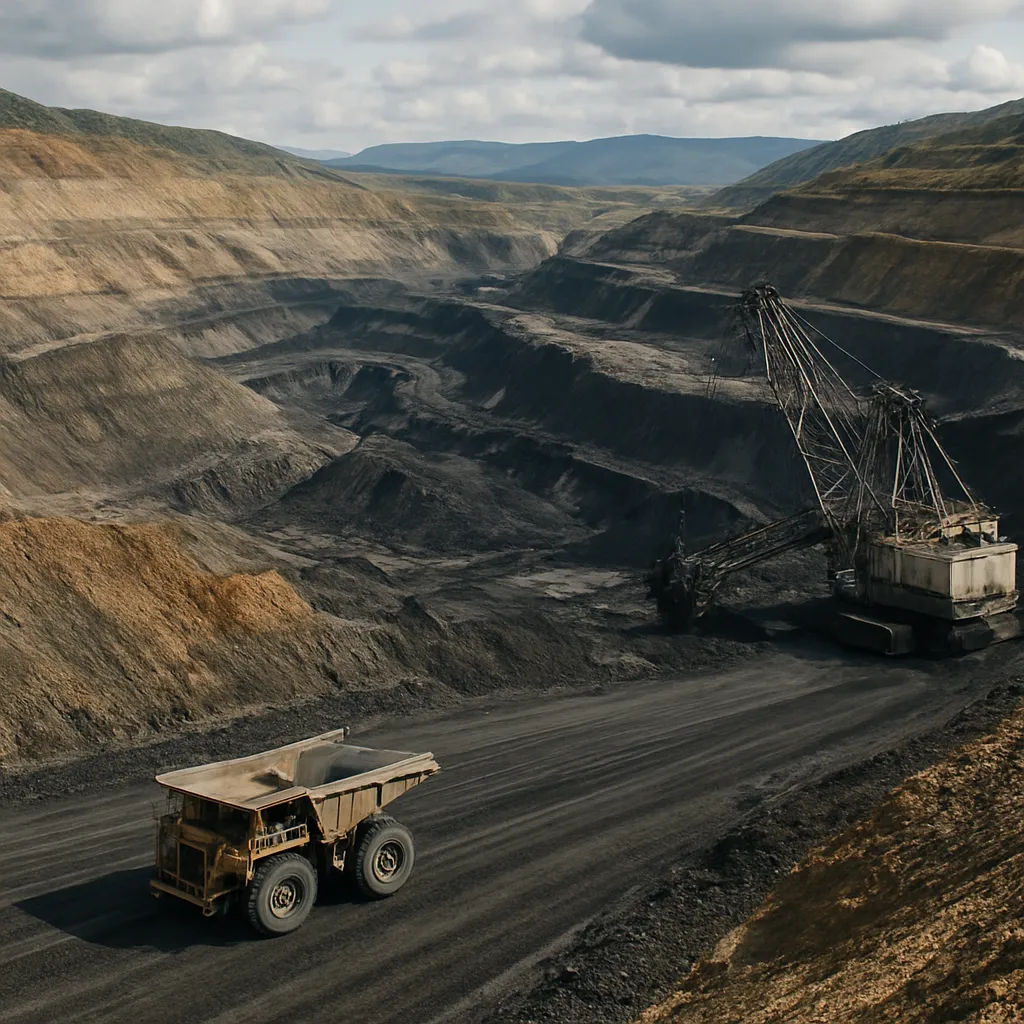
The following article provides a comprehensive overview of the Coalspur Vista South site in Canada, exploring its location, geology, the type of coal present, economic and industrial relevance, regulatory and environmental context, and other notable information. It synthesizes publicly available knowledge and common industry practices to describe the project’s potential significance within the Canadian and international coal markets.
Location and regional setting
Coalspur Vista South lies within the foothills region of western Alberta, part of the extensive coal-bearing strata that run along the eastern slopes of the Canadian Rockies. The deposit is located in a region characterized by rugged topography, mixed forest cover and proximity to established transportation corridors linking inland producers to export terminals on the Pacific coast. The area surrounding the deposit is a mix of agricultural valleys, small towns and resource-industry service centers; larger regional hubs such as Hinton and Edson provide logistical support, labour and basic infrastructure for resource projects.
Geological context
The coal seams at Vista South are hosted within sedimentary basins that developed during the late Mesozoic and early Cenozoic eras. These basins accumulated organic-rich layers that, with burial and diagenesis, transformed into various ranks of coal. The broader region contains a spectrum of coal ranks from sub-bituminous through to bituminous, with local variability in ash content, moisture, sulphur and calorific value depending on seam depth and composition. The geology of Vista South is typical of foothills coal deposits: multiple seams with variable thicknesses, often faulted or folded by tectonic activity related to the nearby orogenic belt.
Coal type, quality and uses
The coal style reported in the Vista area is consistent with medium- to high-volatile bituminous coal in some parts and lower-rank coal in others. The precise classification for Vista South depends on seam, depth and washability characteristics, but key product categories under consideration by developers typically include:
- Thermal coal suitable for power generation: higher moisture, lower energy content relative to metallurgical coal, but potentially attractive for some overseas power markets when blended appropriately.
- Metallurgical/PCI coal potential: some coal horizons in the region can be upgraded via cleaning and blending to produce low-ash, low-sulphur PCI (pulverized coal injection) or coke-blend coals for steelmaking. Whether Vista South can reliably supply metallurgical coal depends on further testwork and processing.
Coal quality parameters that determine marketability include calorific value (kcal/kg or MJ/kg), ash content, total sulphur, volatile matter, and washability (the ability to reduce ash and sulphur through coal preparation). Early technical work on projects in this region generally focuses on bench-scale wash tests, pilot plant results and freight-cost analyses to determine the most attractive product streams for target markets in Asia (power plants and steel mills) and domestic consumption.
Economic and industry significance
Coalspur Vista South represents a potential source of commodity revenue, local employment and government royalties if developed. Coal projects in Alberta historically contributed meaningfully to regional economies through:
- Direct employment in mine operations, maintenance and technical services;
- Indirect jobs in camps, catering, transport, equipment supply and contracting;
- Provincial royalty and tax revenues;
- Infrastructure investment that can have secondary benefits for local communities.
From an industry perspective, new or restarted coal operations help maintain supply diversity for global coal buyers. Although global coal markets have been subject to structural changes—driven by climate policy, renewable energy growth and fluctuations in Asian demand—metallurgical coal for steel production remains a strategic commodity with comparatively robust prices when supply disruptions occur. Thermal coal markets are more exposed to long-term demand decline in markets that are decarbonizing, but short- to medium-term demand can remain strong in regions with growing electricity needs.
Market pathways and logistics
For inland deposits like Vista South, the economics of development depend heavily on reliable transport to export terminals or end-users. Typical logistics considerations include:
- Road and bridge upgrades to accommodate heavy truck traffic;
- Rail access and agreements with Class I railways for unit train shipments to western ports (Vancouver, Prince Rupert) or to domestic power/industrial customers;
- Coal terminals and port capacity for loading and storage; seasonality and hinterland congestion can affect freight rates;
- Costs for coal handling, washing, blending and shipping that significantly affect delivered price competitiveness.
The availability and cost of rail capacity are especially critical. A competitive rail tariff and secure routing can make the difference between a viable project and one that struggles to compete with coastal or international suppliers.
Project development, ownership and historical notes
Coalspur Resources (a junior mining company active in Alberta during the 2010s) developed the broader Vista project concepts and secured exploration and tenure on several contiguous coal-bearing lands often referred to as Vista North and Vista South. Through exploration phases, the company completed drilling campaigns, geological modelling and resource estimation work that formed the basis for prefeasibility and permitting discussions.
As with many junior resources projects, corporate transactions, shifting market conditions and changes in policy influenced the pace of development. Some corporate actors later consolidated holdings, entered joint ventures or allowed permits to lapse based on economics and social license considerations. Publicly available technical reports and NI 43-101 statements provided the early resource base and technical reasoning for project proponents to advance studies.
Reserves, resources and statistics (publicly reported and contextual)
Publicly reported figures for Vista-area resources have historically been cited in company technical reports and filings. These estimates are subject to revision as additional drilling, modelling and metallurgical testwork are completed. Typical language used in those reports includes confidence classes such as Measured, Indicated and Inferred resources. Key points to bear in mind:
- Company technical reports released in the mid-2010s indicated that the broader Vista area contained resource estimates ranging from hundreds of millions to potentially over a billion tonnes on a combined basis across multiple seams and deposits.
- These figures reflect in-situ coal and are distinct from recoverable reserves; recoverable tonnages depend on mining method, geotechnical conditions, coal washability and economic cut-offs.
- Resource estimates are not the same as proven economic reserves — additional feasibility, permitting and financing are required to convert resources to a producing mine.
At the national level, Canada’s coal production is concentrated in Alberta and British Columbia, with a mixture of metallurgical and thermal output. Coal exports from western Canada primarily serve Asian steel producers and power generators, and the health of those export markets influences the attractiveness of developing new deposits like Vista South.
Environmental, regulatory and social considerations
Development in Alberta’s foothills is subject to multilayered regulatory oversight, environmental assessment and public consultation. Key considerations for a project such as Vista South include:
- Wildlife and habitat protection: the area contains fish-bearing streams, migratory routes and habitat for species of concern; project planners must design mitigation measures and offsets.
- Water management: coal mining and coal preparation plants require careful management of surface and groundwater, including handling of runoff, sediment control and treatment of effluent.
- Air quality and dust control: mining and transport generate particulate emissions; monitoring and abatement are necessary to meet provincial air quality standards.
- Reclamation and closure planning: Alberta’s regulatory framework requires financial assurance and detailed reclamation plans to restore landforms, vegetation and usable land post-mining.
- Indigenous and local community engagement: projects may affect traditional land use and local livelihoods; meaningful consultation, benefit agreements and employment opportunities are essential parts of the permitting process.
In 2020 Alberta introduced a revised coal policy to respond to public concerns and environmental priorities, designating certain regions as off-limits to new coal exploration and mine development. This policy created greater emphasis on protecting sensitive headwaters, recreational areas and cultural landscapes. Developers must therefore navigate provincial land-use decisions along with federal environmental assessments when projects have transboundary or national significance.
Operational methods and mining engineering
The appropriate mining method at Vista South is a function of seam depth, thickness, dip, overburden characteristics and local geotechnical constraints. Possible methods under consideration for similar deposits in the area include:
- Open-pit mining for shallow seams: economical when overburden is limited and continuous coal horizons exist.
- Highwall/contour mining where geometry favors partial surface extraction and downslope operations.
- Conventional underground mining (room-and-pillar or longwall): considered when seams are too deep or when surface disturbance must be minimized.
All methods require a focus on slope stability, groundwater control and safe handling of spontaneous combustion risks associated with exposed coal. Coal preparation facilities (wash plants) are often included to upgrade product quality and meet buyer specifications; these facilities also create by-product streams (e.g., coarse rejects, fine tailings) that require disposal planning such as tailings ponds or dry stacking.
Socioeconomic impacts and community benefits
Major resource projects typically promise economic benefits such as employment, local procurement, training and improved services. For Vista South, potential socioeconomic positives include:
- Creation of direct mining jobs, including operators, technicians and supervisors;
- Contracting opportunities for local suppliers, civil works, housing and camp services;
- Increased tax and royalty revenues for municipal and provincial governments;
- Investment in regional infrastructure (roads, power upgrades) that can benefit other industries.
At the same time, stakeholders weigh these benefits against environmental and cultural costs. Reaching a social license to operate requires transparent communication, benefit-sharing mechanisms and robust environmental safeguards. Some communities may negotiate impact benefit agreements or hire local workforce quotas to ensure tangible gains from development.
Challenges, risks and market outlook
Several risks bear on the feasibility and success of mining projects like Vista South:
- Market risk: coal prices can be volatile; shifting demand patterns for thermal coal under global decarbonization policies can depress long-term prices.
- Regulatory risk: land-use policy changes, permitting delays and evolving environmental standards can increase timelines and costs.
- Capital and financing risk: large-scale mine development requires substantial capital; lenders and investors increasingly consider ESG (environmental, social, governance) criteria.
- Logistical bottlenecks: constrained rail or port capacity can materially affect delivered costs and export competitiveness.
Despite these challenges, metallurgical coal remains strategically important for steelmaking, and short-term market dynamics—such as supply disruptions in other major producing regions—can create windows of strong prices that support development. Developers often pursue staged approaches, focusing on the highest-quality seams first and seeking offtake agreements to secure early revenue streams.
Interesting technical and historical notes
The Vista area is an example of how modern exploration and resource evaluation blend historical knowledge with new technology. A few notable points:
- Advances in coal quality testing and washability modelling allow developers to estimate the proportion of run-of-mine that can be upgraded to higher-value products.
- Geophysical surveying and 3D geological modelling have accelerated resource definition while optimizing drill programs.
- The region’s mining heritage includes both legacy surface and underground operations, and contemporary projects must often address historical disturbances during permitting and reclamation planning.
Outlook and conclusions
Coalspur Vista South, as part of the broader Vista coal concept in Alberta, represents a potentially significant coal resource with implications for local economies and international markets. The project’s ultimate fate depends on a combination of robust technical studies, favourable market conditions, successful stakeholder engagement and navigating the evolving environmental and regulatory landscape in Alberta and Canada.
For stakeholders and observers, key near-term indicators to watch include completion of detailed feasibility studies, metallurgical testwork results, agreements for rail and port capacity, environmental assessment outcomes and any changes in provincial land-use policy that would affect the project footprint. If developed, Vista South would add to Canada’s suite of coal-producing assets; if not, the region remains an example of the complex balance between natural-resource development, environmental stewardship and changing global energy dynamics.