The Chamalang coalfield is one of Pakistan’s most prominent inland mining areas, located in the rugged terrains of southwestern Pakistan. Over recent decades it has attracted attention for its sizeable deposits, local economic impact, and the operational and environmental challenges typical for mining in a remote, arid region. This article offers a comprehensive overview of the mine’s location, geology, coal type, operational history, economic significance, production statistics where available, environmental and social implications, and its future prospects within Pakistan’s broader energy and industrial landscape.
Location and geological setting
The Chamalang area lies in the northeastern part of the province of Balochistan, Pakistan. It is situated in a remote hilly belt that forms part of the transitional region between Balochistan’s plateaus and the plains that lead toward Punjab and Sindh. The coalfield spreads across multiple contiguous blocks and is accessed from small district centers by unpaved roads and tracks that traverse difficult terrain.
Geologically, Chamalang is hosted in sedimentary sequences deposited during the late Tertiary to Quaternary periods. Coal seams occur at relatively shallow depths in many places, sometimes outcropping or lying within easy reach of surface and near-surface mining techniques. The coal-bearing strata are interbedded with sandstones, siltstones and claystones, reflecting fluvial and deltaic depositional environments. This setting typically results in variability of seam thickness and quality across short distances.
Type of coal and quality characteristics
The coal found at Chamalang is generally classified as thermal coal intended for power generation and industrial heating, rather than high-grade metallurgical coal used in steelmaking. Across different parts of the coalfield the rank and quality vary, often ranging from sub-bituminous to lower grade bituminous types. Key quality features reported for Chamalang coal include:
- Moderate calorific value that is suitable for thermal applications after appropriate preparation and blending.
- Variable ash and moisture contents; some seams exhibit elevated ash percentages, which can affect combustion efficiency and the need for washing or beneficiation.
- Generally low to moderate sulfur content compared with some international coals, though emissions control is still required for power generation.
- Seam thickness and quality can be heterogeneous, which makes selective mining and beneficiation important for consistent product quality.
The variability in quality means many users arrange coal washing or blending prior to use in industrial boilers or power plants to achieve desired calorific outputs and control ash-related handling problems.
History of exploitation and mining methods
Historically, coal in the Chamalang area was exploited on a small, artisanal scale by local communities who used it for domestic heating and local industries. From the late 20th century and increasingly in the early 21st century, exploration and commercial-scale development expanded as the Pakistani government, provincial authorities, and private contractors recognized the field’s strategic importance.
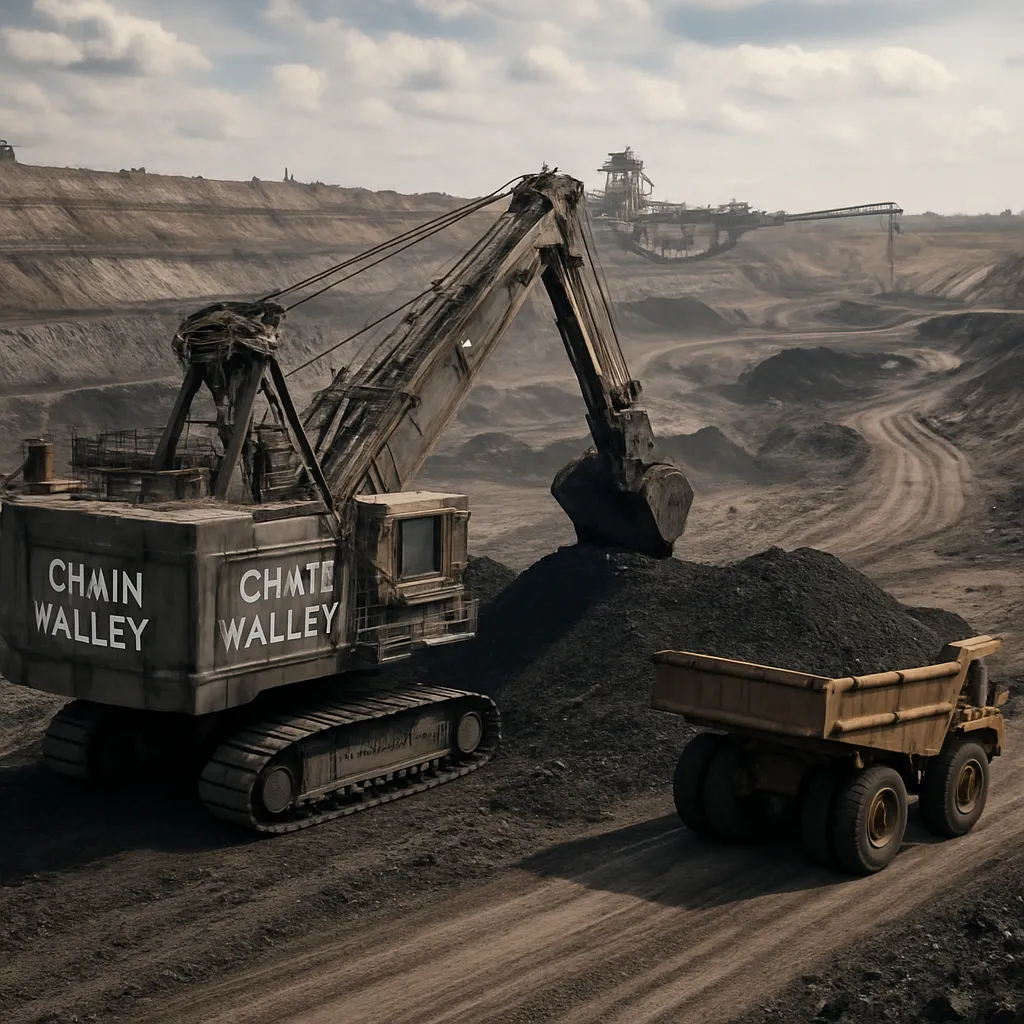
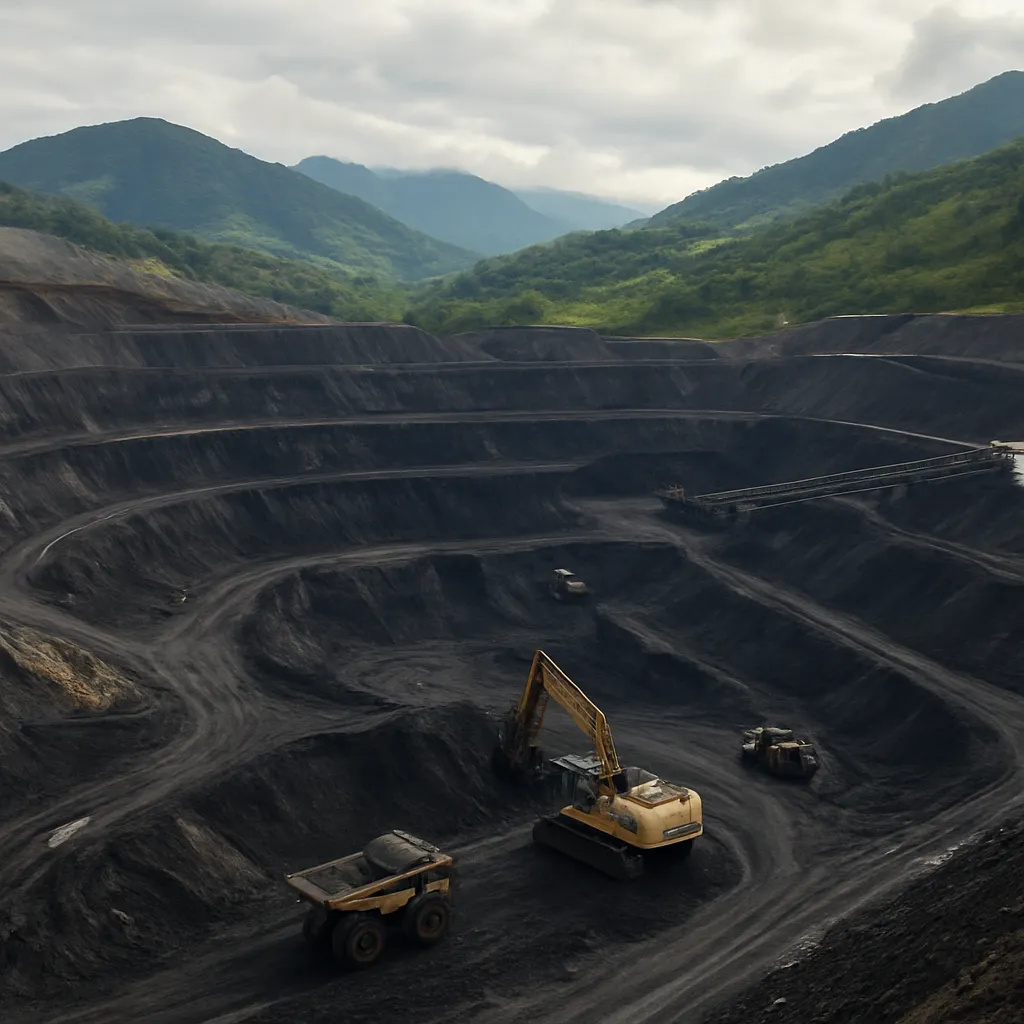
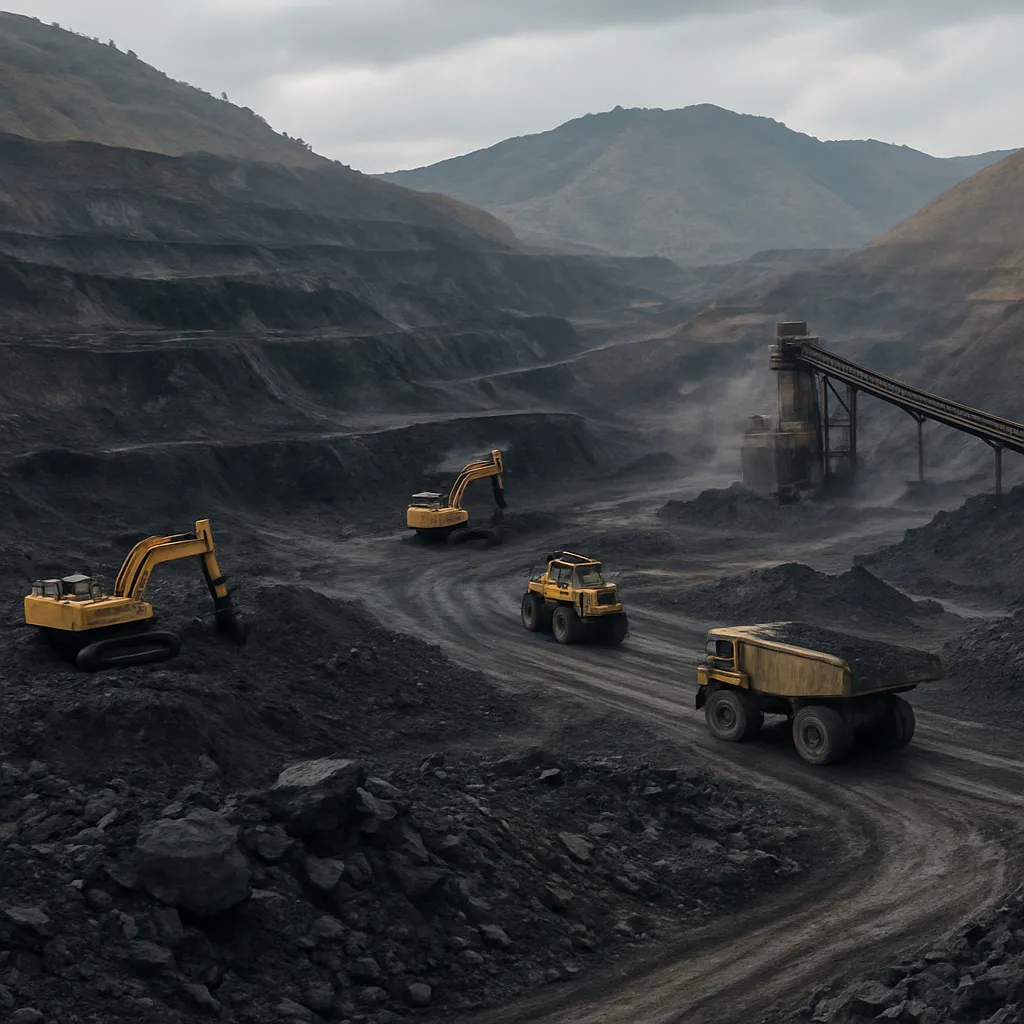
Mining methods in Chamalang vary according to local geology and access. Commonly used techniques include small open-pit operations where seams are near the surface, and shallow underground workings or drift mines where seams dip below the surface. Much of the commercial production has come from contractor-operated pits that combine mechanized excavation with manual methods for extraction and sorting. Over time, there has been some mechanization of earthmoving and haulage, though fully large-scale longwall or highly mechanized operations remain limited by infrastructure and security considerations in the region.
Reserves and production statistics
Estimating in-situ reserves for Chamalang has been part of various geological surveys and government reports. While figures differ between sources, the coalfield is commonly cited as containing several hundred million tonnes of recoverable coal, with often-cited estimates around the order of 0.3–0.7 billion tonnes in various public and technical reports. Because exploration and resource modeling are ongoing, reserve figures should be regarded as indicative and subject to revision as further drilling and assessment are completed.
Production from Chamalang has grown since commercial exploitation began, particularly in the 2000s and 2010s, driven by rising domestic demand for coal by brick kilns, cement industries, local power needs and transport to other provinces. Available production estimates from that period indicate annual output in the low millions of tonnes (commonly reported ranges of roughly 1–3 million tonnes per year during active years). Production volumes have fluctuated with security conditions, market demand, availability of logistics, and terms under which contractors operate.
- Estimated reserve range (commonly cited): several hundred million tonnes (often around 500 million tonnes in some sources).
- Reported annual production (varying by year): roughly 1–3 million tonnes at active peaks in the 2010s.
- Workforce and contractors: thousands of workers are employed directly and indirectly in mine operations, transport, and associated services.
Economic and regional importance
The Chamalang coalfield contributes to the regional economy of Balochistan in several ways:
- Employment: Mining operations provide local employment opportunities, including jobs for miners, transporters, machinery operators and support services. Local hiring has helped generate incomes in otherwise economically limited districts.
- Revenue: Coal sales yield revenues for contractors and royalties or lease payments to provincial authorities, contributing to local government income streams.
- Industrial feedstock: Chamalang coal is supplied to regional industries such as cement factories, brick kilns and small-scale power generators, reducing reliance on imported coal or distant domestic sources for some users.
- Infrastructure development: Mining activity has catalyzed investment in roads and basic services in certain corridors, although such infrastructure often remains rudimentary.
From a national perspective, Chamalang is not as large as the Thar coalfield in Sindh in terms of total tonnage, but it remains an important component of Pakistan’s diversified domestic coal base. Its strategic value is especially notable for supplying northwestern and western industrial centers and for offering a domestic alternative to imported thermal coal for nearby industries.
Industrial uses and markets
Chamalang coal primarily serves thermal and industrial markets. Typical end-uses include:
- Combustion in industrial boilers (cement plants, sugar mills, textile processing) and brick manufacturing.
- Local small-to-medium scale power generation units, including captive power for mines or industrial complexes.
- As a domestic fuel in some communities, though this use is limited compared with industrial off-takers.
Because of its variable quality, many industrial consumers engage in on-site coal blending or purchase coal that has been washed and sized by contractors to meet specific combustion requirements.
Social, security and governance context
Mining in Chamalang takes place in an area with a complex social fabric and governance environment. Key points include:
- Local communities and tribal dynamics: Land use and access rights are often governed by customary laws and tribal arrangements. Successful operations typically require negotiated agreements with local leaders and communities.
- Security considerations: Historically, periodic instability and security incidents in parts of Balochistan and neighboring districts have affected mine operations, transport and contractor activity. Security arrangements and community engagement are central to sustaining production.
- Regulatory framework: Provincial mining authorities, in coordination with federal agencies, grant leases and regulate royalty payments and environmental compliance. Transparency and effective governance remain ongoing challenges that affect investor confidence and community outcomes.
Environmental impacts and mitigation
Coal mining and use carry well-known environmental footprints, and Chamalang is no exception. Key environmental issues and mitigation responses include:
- Land disturbance and habitat loss: Open-pit workings and spoil heaps alter the landscape and can fragment fragile ecosystems in an already arid region.
- Air quality: Dust from excavation, transport and coal handling can degrade local air quality. Combustion of coal contributes to emissions including particulate matter, SOx and NOx if uncontrolled.
- Water: Water is scarce in Balochistan. Mining can affect local water availability and quality, particularly if not managed with care. Sediment run-off from spoil heaps and mine sites can impact downstream flows.
- Mitigation measures: Progressive rehabilitation of worked-out areas, dust-suppression techniques, controlled transport routes, and water-efficient processing are among measures that can lessen environmental impacts. Environmental impact assessments (EIAs) and monitoring are increasingly required under regulations, though implementation quality varies.
Health and safety considerations
Mineworker safety and community health are vital concerns. Typical occupational hazards in Chamalang include dust exposure, risk of mine collapse in poorly supported underground workings, accidents from heavy machinery, and heat and dehydration in the arid climate. Improving safety standards, training, provision of personal protective equipment, and medical support are essential measures used by responsible operators and regulators. Public health impacts related to air quality and water contamination also require monitoring, particularly near industrial consumers such as brick kilns and power units.
Infrastructure, logistics and market access
One of the primary constraints on the development of Chamalang is infrastructure. The mines are relatively distant from major ports and railheads, and road quality is highly variable. Key logistical considerations are:
- Road transport: Most coal is moved by truck over rural roads to local customers or onward to larger distribution points. Road upgrades can reduce transport costs significantly.
- Rail connectivity: There is limited direct rail access to Chamalang; connecting to the national rail system would require substantial investment but could lower long-term transport costs for large-scale operations.
- Energy infrastructure: Expanding the use of Chamalang coal in power generation requires compatible boiler technology and emission controls, as well as grid access and stability.
Significance in Pakistan’s energy and industrial strategy
While Pakistan’s largest coal ambitions are focused on the Thar coalfield in Sindh, Chamalang plays a complementary role by providing geographically diversified resources. Its strategic importance includes:
- Enhancing domestic supply of thermal coal and reducing reliance on imports in regional markets.
- Supporting local industry and small-scale power generation where transport of coal from distant basins would be uneconomic.
- Acting as a source of revenue and employment for provincial governments and local communities, with potential for further resource-based development if infrastructure and governance improve.
Challenges and future prospects
Looking forward, Chamalang’s ability to expand its role in Pakistan’s energy mix and regional economy depends on addressing several interrelated challenges:
- Infrastructure investment: Improved roads and potentially rail links would reduce costs, broaden markets, and enable larger-scale, more efficient mining.
- Environmental management: Strengthened environmental oversight, greater use of coal-washing facilities and emissions control for combustion users will be important to reduce the environmental footprint.
- Security and governance: Stable agreements with local communities, effective law enforcement in mining areas, and transparent royalty and contract systems are necessary to attract sustained private investment.
- Market development: Finding reliable off-takers and investing in beneficiation to match market specifications will improve the value of Chamalang coal.
- Technological upgrades: Adoption of safer and more mechanized mining techniques would improve productivity and worker safety.
Notable social and cultural aspects
The Chamalang mining region is characterized by close-knit tribal societies with long-standing traditions. Mining has introduced new dynamics:
- Shifts from pastoral or smallholder livelihoods to wage-based employment in mine operations and transport services.
- Increased local commerce as trade, food, accommodation and logistics services grow around active mining areas.
- Occasional tensions over land use, benefit sharing and environmental impacts underscore the importance of participatory planning and benefit-sharing mechanisms.
Conclusion
Chamalang is a strategically valuable coal resource for Pakistan, particularly for regional industrial users and as part of a diversified domestic coal base. While it does not rival the massive reserves of Thar, its several hundred million tonnes of coal and ongoing production make it an important regional asset. The future trajectory of Chamalang will depend on continued investment in infrastructure, stronger environmental and safety practices, improved governance, and productive engagement with local communities. With such measures, Chamalang can continue to contribute to regional economic development and provide a reliable source of thermal coal for Pakistan’s industries.
Key terms highlighted: Chamalang, Balochistan, coalfield, reserves, thermal coal, mining, employment, infrastructure, economy, environment.