Coal has been a cornerstone of global energy production for centuries, shaping industrial revolutions and fueling economic growth. As the energy landscape evolves, new technologies and market dynamics are transforming how societies view and utilize this abundant resource. The interplay between traditional coal usage, modern high-efficiency solutions, and the financial markets for coal equities creates a complex tapestry of challenges and opportunities.
Coal Fundamentals and Historical Significance
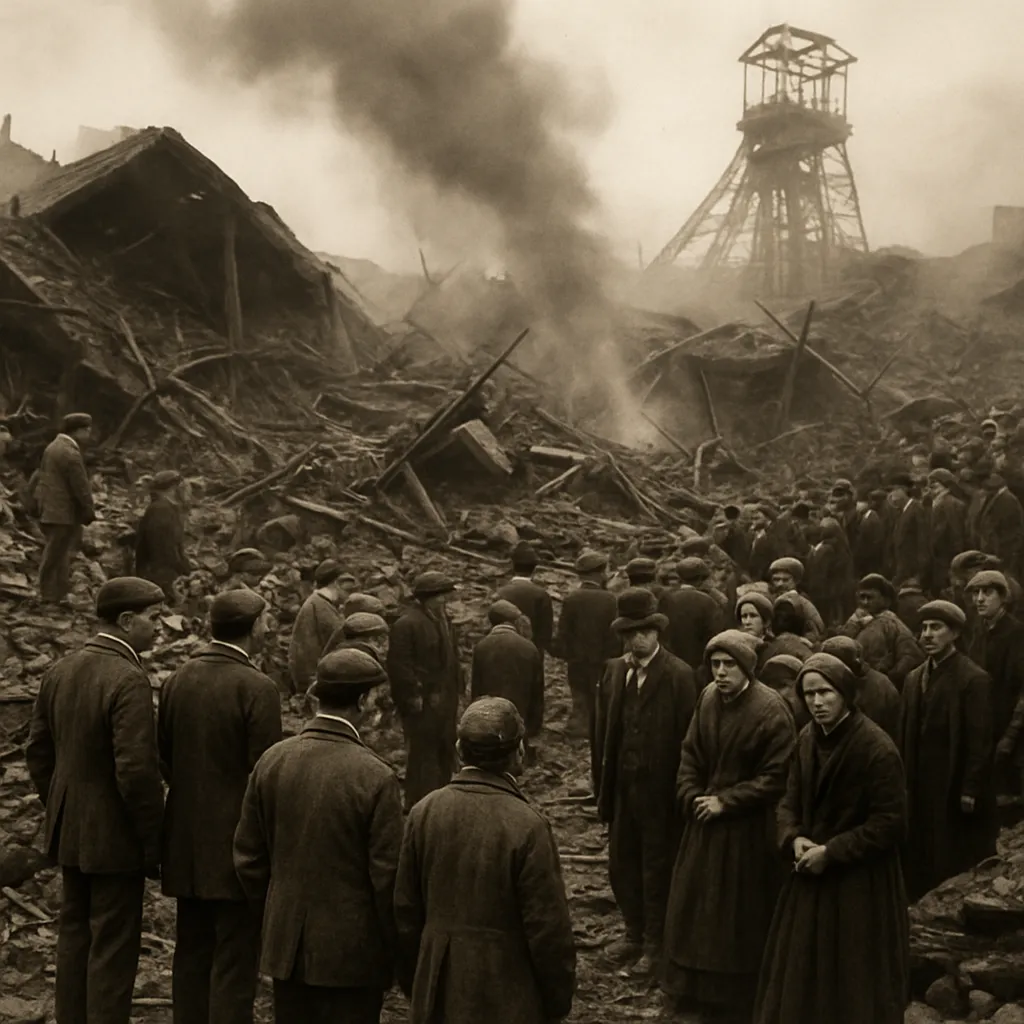
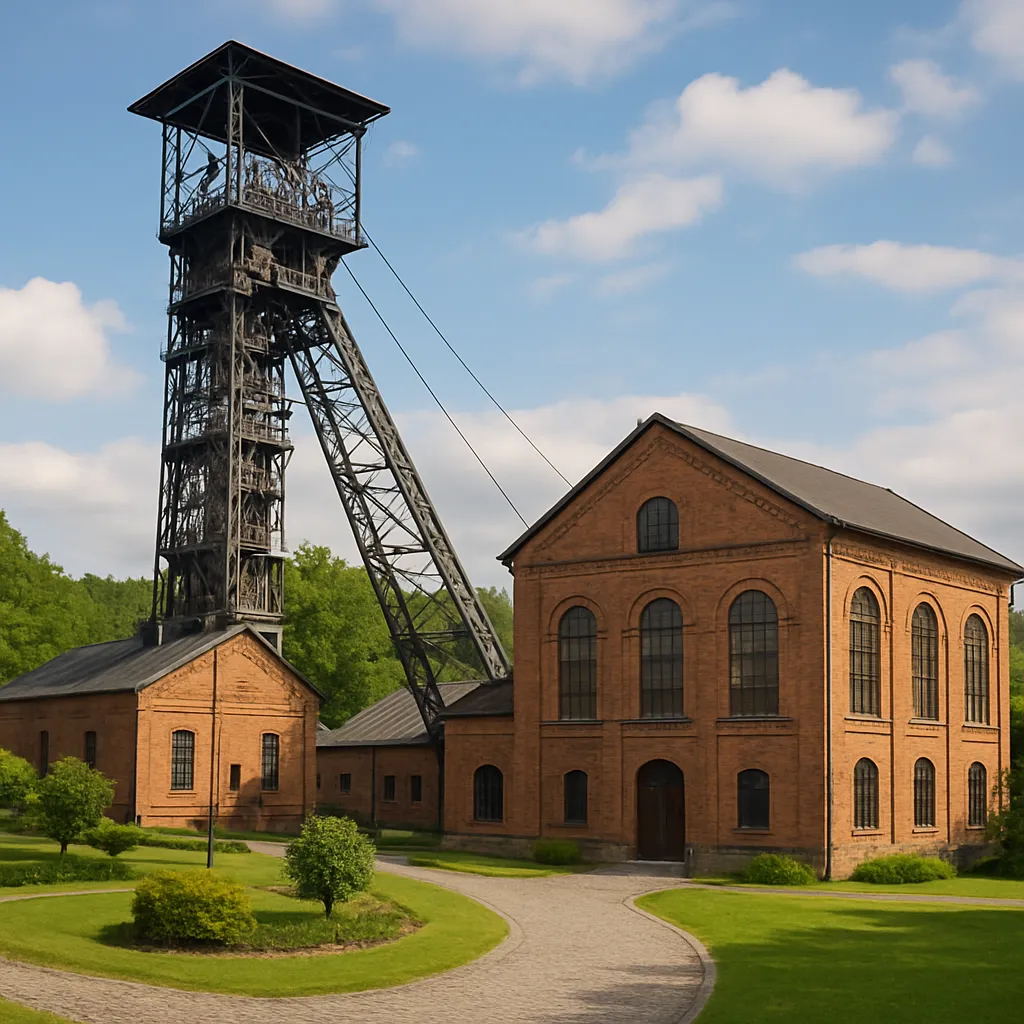
Since the Industrial Revolution, coal has played an indispensable role in powering factories, railways, and electricity generation. Its high energy density and relative abundance made it the fuel of choice in the 18th and 19th centuries. Regions rich in coal—such as the Appalachian Basin in the United States, the Ruhr Valley in Germany, and Shanxi Province in China—grew into industrial powerhouses, leveraging their natural endowments to drive domestic and international trade.
The basic composition of coal includes carbon, hydrogen, sulfur, oxygen, and nitrogen. Variations in these elements define different coal grades, from lignite (low rank) to anthracite (high rank), affecting heating value and emission profiles. Over time, advancements in mining technology—such as longwall and continuous mining—have improved extraction efficiency, while mechanization has enhanced worker safety and productivity.
Economic Impacts of Coal Mining
Coal mining communities have historically benefited from stable employment and local infrastructure development. Mines often spawned towns, company stores, and social institutions, creating tight-knit communities oriented around the industry. However, economic reliance on a single commodity can lead to volatility when prices fluctuate or environmental regulations tighten. Diversification and economic transition strategies have become critical in former mining regions worldwide.
The Evolution of HELE Coal Technology
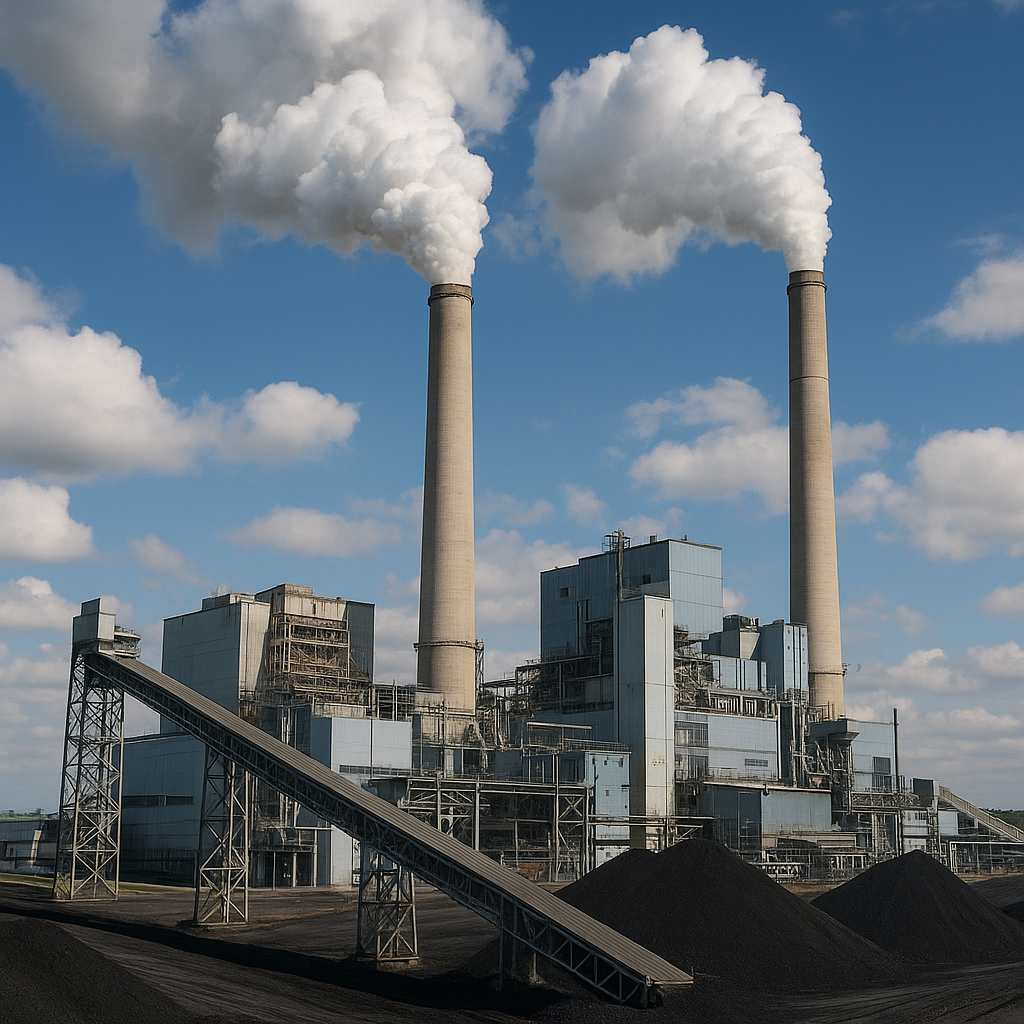
Traditional coal-fired power plants are notorious for greenhouse gas emissions, particulate matter, and other pollutants. In response to mounting regulatory pressures and climate commitments, engineers have developed High-Efficiency, Low-Emission (HELE) coal technologies. These innovations aim to maximize thermal efficiency and minimize environmental impact, bridging the gap between coal’s reliability and the world’s decarbonization goals.
- Supercritical (SC) and Ultra-Supercritical (USC) Boilers: Operating at higher temperatures and pressures, these systems achieve thermal efficiencies exceeding 45%, compared to 33–37% for conventional plants.
- Integrated Gasification Combined Cycle (IGCC): Coal is gasified into syngas, cleaned of impurities, and burned in a combined cycle turbine, yielding efficient energy conversion and lower emissions.
- Emissions Control Systems: Advanced scrubbers, selective catalytic reduction (SCR), and electrostatic precipitators remove sulfur dioxide, nitrogen oxides, and particulates before they reach the atmosphere.
Benefits and Limitations
HELE plants offer a practical pathway to reduce CO2 emissions by up to 25% relative to older subcritical units. They also deliver improved fuel flexibility, integrating biomass co-firing or carbon capture readiness. Yet, capital costs for HELE installations can be 20–30% higher, and complex materials resistant to extreme conditions are required. As a result, project financing and risk management become crucial factors in determining deployment rates across different markets.
Coal Stock: Market Dynamics and Investment Strategies
Beyond the physical supply of coal, the term “coal stock” often refers to publicly traded shares of coal-mining and coal-power companies. Investors monitor these equities to gain exposure to energy markets, hedging against oil and gas price swings. Coal stocks are influenced by a blend of fundamental factors—such as production volumes, operating costs, and reserve quality—and macroeconomic trends, including GDP growth rates and currency fluctuations.
Key Investment Metrics
- Production Cost per Ton: Lower operating costs enhance profit margins, particularly when thermal coal prices are depressed.
- Reserve Life Index (RLI): Indicates the number of years a company can sustain current output levels, based on proven reserves.
- Free Cash Flow (FCF): Cash remaining after capital expenditures, critical for dividends, debt repayment, and reinvestment.
- Debt-to-Equity Ratio: High leverage can increase risk during downturns, while moderate levels support liquidity and operational stability.
Risk-adjusted returns in coal equities depend on commodity price cycles, geopolitical tensions affecting energy security, and the pace of the global energy transition. Investors often balance coal stock positions with renewable energy holdings to achieve diversification and hedge regulatory risks.
Environmental and Regulatory Landscape
Environmental concerns are reshaping coal usage. Stricter air quality standards and carbon pricing mechanisms incentivize cleaner technologies, including HELE systems and carbon capture, utilization, and storage (CCUS). In regions with robust emissions trading schemes—such as the European Union’s Emissions Trading System (EU ETS)—coal-fired generation faces higher operating costs, paving the way for gas-fired plants and renewables.
Policy Instruments and Incentives
- Carbon taxes and cap-and-trade programs penalize high-emission generators and encourage innovation in low-carbon solutions.
- Subsidies and tax credits for HELE retrofits lower capital barriers and accelerate deployment.
- Environmental Impact Assessments (EIAs) ensure new coal projects meet stringent ecological and social standards.
In emerging economies, coal remains central to energy access and poverty reduction. International financial institutions may condition funding on environmental safeguards, pushing coal-dependent nations toward cleaner variants without undermining energy security and development objectives.
Future Outlook and Technological Frontiers
While renewables continue their rapid ascent, coal—especially HELE variants—will persist in the energy mix for decades. Research into advanced materials, such as corrosion-resistant alloys and novel catalysts for carbon capture, promises further efficiency gains. Digitalization, through predictive maintenance and real-time emissions monitoring, enhances plant reliability and compliance.
Strategic Considerations for Stakeholders
- Policymakers must balance climate targets with energy security and economic stability, designing flexible transition pathways.
- Investors should evaluate coal stocks within a broader portfolio context, factoring in commodity cycles, technological risks, and regulatory shifts.
- Utilities and project developers need to adopt a lifecycle approach, optimizing operational performance and planning for eventual decommissioning or conversion to cleaner fuels.
As global energy demand grows, coal’s role will be defined by its ability to adapt. High-Efficiency, Low-Emission technologies represent a middle path—leveraging existing infrastructure while mitigating environmental harm. In the realm of finance, coal stocks will continue to reflect both the sector’s resilience and the pressures of the modern sustainability agenda.