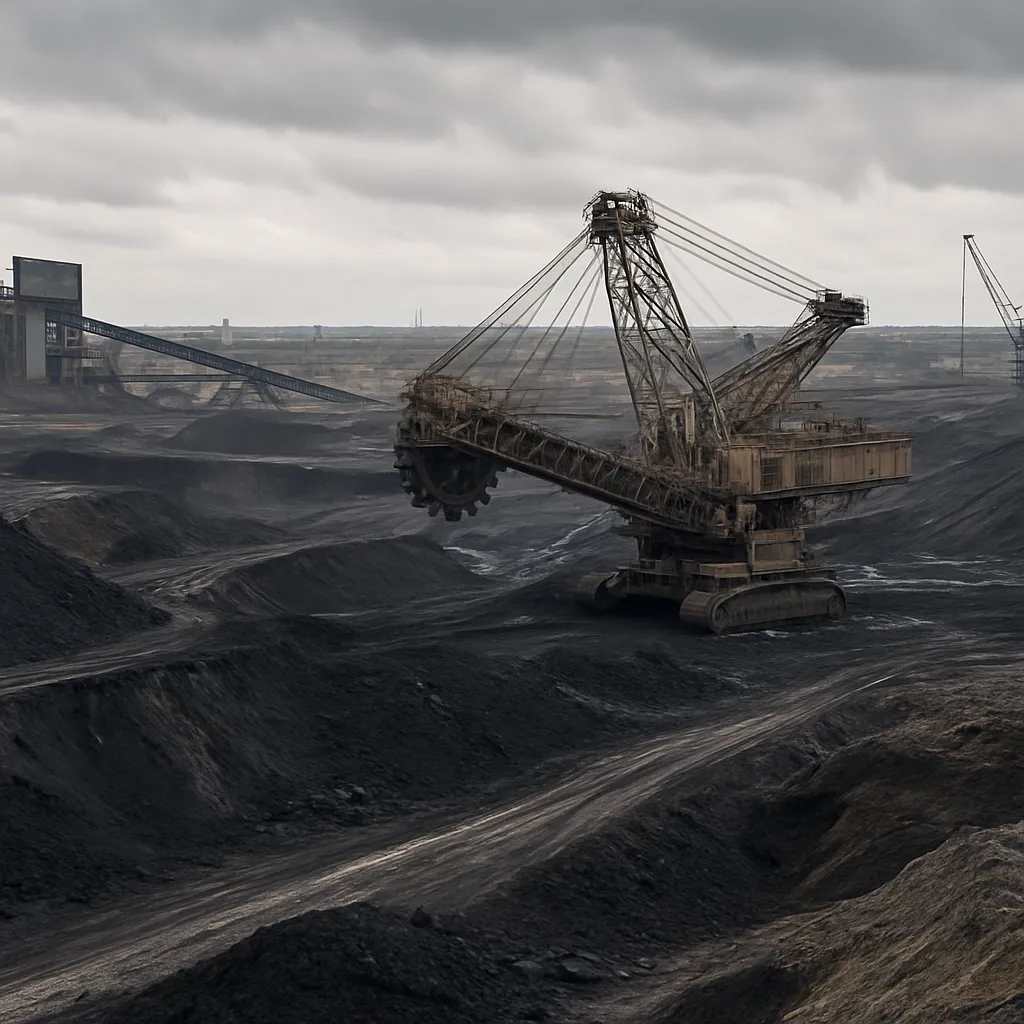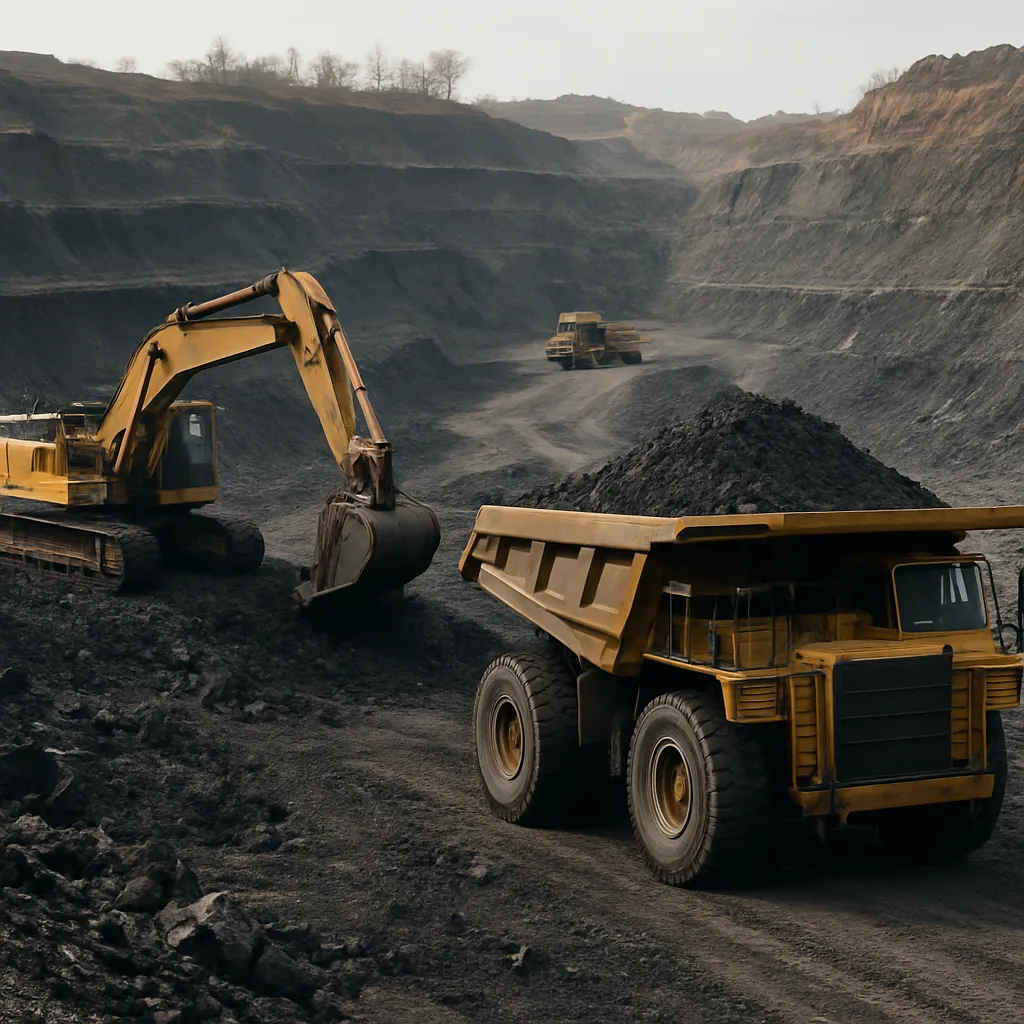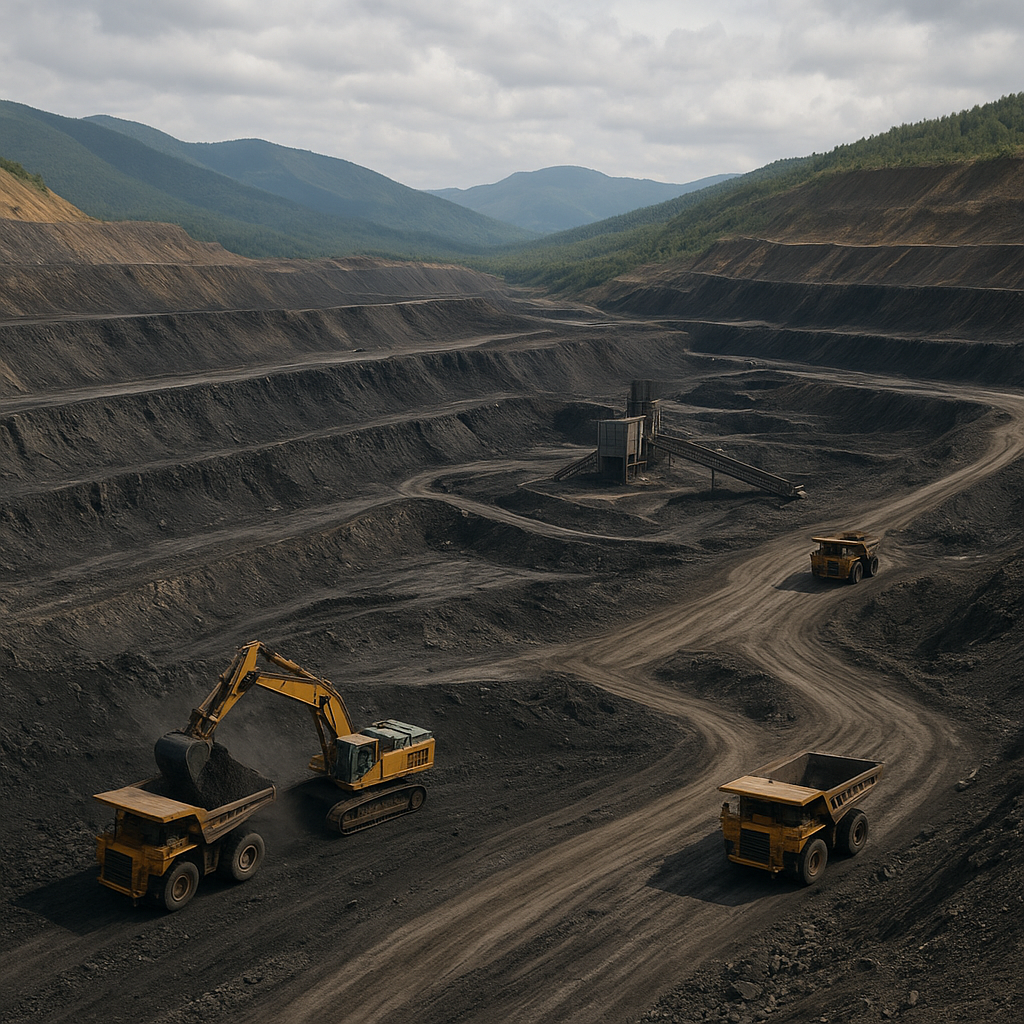
The following article examines the site known as Arshan Mine in Russia, placing it in regional geological and industrial context, reviewing the types of coal typically associated with the broader area, and outlining economic, environmental and logistical aspects relevant to coal mining operations in this part of the country. Publicly available, independently verified documentation specifically naming an “Arshan Mine” and providing detailed production statistics is limited. Therefore this article combines the best-known regional facts, plausible mine-scale profiles based on analogous operations in Siberia and the Russian Far East, and clearly marked caveats where hard data are lacking.
Location and Geological Setting
The name Arshan is most widely associated with spa towns and mineral springs in the southern part of the Siberian region of Buryatia (near the Sayan and Khamar-Daban mountain ranges) and with localities in other parts of the Russian Federation. If an operation designated “Arshan Mine” exists or has existed, its most probable setting is in the broader Transbaikal / Eastern Siberia region or adjacent administrative districts.
Key geological and geographic features of relevance:
- Regional geology: Eastern Siberia and Transbaikal territories display complex geology with Mesozoic and Paleozoic sedimentary basins where coal-bearing strata can be present. These basins often contain lignite to bituminous rank coals depending on burial history and thermal maturation.
- Proximity to Lake Baikal: Parts of Buryatia border Lake Baikal. Mining operations near this ecologically sensitive area are subject to heightened environmental scrutiny and regulatory constraints.
- Comparison with major basins: The principal Russian coal-producing regions are the Kuznetsk Basin (Kuzbass), Pechora Basin, Kansk-Achinsk Basin and the Far East basins (Sakhalin, Yakutia). Smaller, scattered deposits in Transbaikal and Buryatia are usually of local or regional economic significance rather than national scale.
Resources and Coal Type
Because verified technical reports specifically identifying the “Arshan Mine” are scarce in open sources, the following summarizes the likely types of coal and resource characteristics based on analogous deposits in the region:
- Coal rank: Deposits in Transbaikal and adjacent regions frequently contain sub-bituminous and lignite (brown coal) seams. Where deeper burial and thermal alteration have occurred, bituminous coal can be present; however, large volumes of high-rank coking coal are comparatively rarer outside Kuzbass and the Far East metallurgical fields.
- Seam thickness and depth: Small regional mines often exploit seams from a few tens of centimeters up to several meters thick. Depths can vary from near-surface open-pit amenable seams to deeper strata requiring underground workings.
- Quality parameters: Typical parameters to evaluate would include calorific value (kcal/kg or MJ/kg), volatile matter, ash content, sulfur content and moisture. For regional low- to mid-rank coals, expect moderate calorific values, higher inherent moisture for lignite, and variable ash depending on mineral impurities.
- Reserves: Public reserve figures for a mine explicitly named Arshan are not widely available. Small regional deposits often report proven and probable reserves in the range of hundreds of thousands to several million tonnes; larger, commercially significant deposits report tens to hundreds of millions of tonnes. Any specific reserve estimate should be confirmed from geological surveys and company reports.
Mining Methods and Operational Profile
Mines in this part of Russia typically use either open-pit or underground methods depending on seam depth, thickness and overburden. Infrastructure constraints, seasonal climate and distance to markets strongly influence the choice of method and scale.
- Open-pit mining: Favored when seams are near surface and overburden removal is economical. Advantages include lower capital cost and higher production rates for a given deposit.
- Underground mining: Adopted where seams are deeper or where topography restricts surface works. This method is more labor- and capital-intensive, with higher operational complexity.
- Processing: Depending on coal quality, washing and beneficiation plants may be required to reduce ash and improve calorific value, especially if the coal is destined for industrial or export markets.
Economic and Industrial Significance
Even if the Arshan locality hosts only a modest mine, its economic significance can be considered at multiple scales:
- Local economy: Small- and medium-sized mines are often important employers in remote Siberian communities, providing direct jobs in extraction, transport and processing, and indirect benefits via services, maintenance and seasonal work.
- Regional energy supply: Lower-rank coals are commonly used for nearby power generation and heating, contributing to energy security in cold-climate settlements where long-distance fuel logistics are costly.
- Industrial feedstock: If the deposit contains higher-grade bituminous coal, it could supply local metallurgical or industrial users. Conversely, lignite and sub-bituminous coals primarily serve thermal needs.
- Export potential: For an inland mine to be a major exporter, competitive access to rail, river or port infrastructure is essential. Mines located far from major transport corridors face higher unit costs that limit export competitiveness compared to larger basins like Kuzbass.
Infrastructure and Logistics
Transport and logistics are often decisive for economic viability. Relevant factors for a hypothetical or actual Arshan Mine include:
- Rail connections: Access to the Trans-Siberian Railway or branch lines is a major advantage, enabling coal to reach industrial consumers and ports for export.
- Road access: Seasonal road reliability (including winter-only ice roads in some areas) can constrain year-round operation and raise supply chain costs.
- Processing plants and power links: Proximity to coal washing plants, power generation or industrial consumers lowers delivered cost and adds value locally.
- Storage and handling: Facilities for stockpiling, loading and dust control are important, both for operational efficiency and environmental compliance.
Statistical Context and Comparative Figures
While there are no authoritative, publicly available mine-level production numbers for every small regional mine (including one specifically named Arshan), broader Russian coal statistics help place any such mine in context.
- National production: Russia is among the world’s largest coal producers and exporters. Large-scale basins—Kuzbass and the Russian Far East—dominate national output. Small regional mines typically account for a modest share of national totals.
- Typical mine-scale ranges:
- Small local mines: often 0.05–0.5 million tonnes per year.
- Medium regional mines: roughly 0.5–5 million tonnes per year.
- Large basin operations: can exceed 10 million tonnes per year.
- Reserve reporting: Detailed proven and probable reserve statements, when available, are the principal source for mine valuation. For transparent assessment, seek geological reports, regional ministry of energy data, or company annual disclosures.
Environmental, Social and Regulatory Considerations
Coal mining in any Siberian setting raises a cluster of environmental and social issues. These are particularly acute near sensitive ecosystems (for example, the Lake Baikal region) and in areas with indigenous communities.
- Water and ecosystems: Surface runoff, acid drainage potential, and sediment transport from open-pit sites threaten freshwater resources if not properly managed. This is magnified in ecologically fragile catchments.
- Air quality and dust: Coal dust from extraction, storage and transport can degrade local air quality, requiring mitigation measures such as covered conveyors, water sprays and vegetation buffers.
- Rehabilitation: Post-mining land reclamation, slope stabilization and re-vegetation are increasingly expected by regulators and financiers.
- Social impacts: Mines bring employment but can also alter traditional livelihoods, increase demand for housing and services, and have health implications for workers and nearby populations.
- Regulatory environment: Federal and regional permits govern environmental impact assessments, waste management, and mine closure obligations. Compliance costs and timelines are major planning factors.
Economic Risks and Market Dynamics
Several economic variables determine a mine’s viability:
- Price volatility: Global coal prices and regional power-sector demand influence revenues. Thermal coal prices respond to natural gas competition, carbon pricing and regional import/export flows.
- Logistics costs: Distance to market, rail tariffs, and port handling fees can overwhelm the margin on low-value coals, especially from remote sites.
- Investment and capital: Access to capital for equipment, beneficiation plants and environmental controls affects the ability to scale and meet regulatory standards.
- Policy shifts: Domestic energy policy, renewable energy adoption and international climate commitments can shift demand for coal over medium to long terms.
Case Studies and Analogues
To better understand what an Arshan Mine operation might resemble, consider analogous operations elsewhere in the region:
- Small strategic mines: Many remote coal mines in Siberia function primarily as local fuel suppliers to towns or district heating plants; production volumes are modest but socially significant.
- Regional expansion projects: Where new infrastructure (e.g., a rail spur) is built, previously marginal deposits can become economically attractive and see rapid investment and upscaling.
- Environmental remediation examples: Some Russian regional projects have adopted modern reclamation and water treatment to meet both regulatory expectations and community demands—useful precedents for any similar operation.
Future Outlook and Strategic Considerations
The medium-term prospects for any coal mining site in the Transbaikal / Buryatia area depend on a matrix of factors:
- Infrastructure investments: Improving rail or road links could convert a small local mine into a significant regional supplier.
- Product upgrading: Beneficiation to reduce ash and moisture can open access to higher-value markets.
- Environmental licensing: Stricter environmental standards may raise operating costs but also incentivize modernization and better community relations.
- Market access: Proximity to growing Asian demand (e.g., China, Korea) is a potential advantage if logistics permit economically competitive delivery.
Concluding Remarks
Direct, verifiable, mine-specific statistics for an entity named “Arshan Mine” are not readily available in common open-source databases or in major industry reports accessible without targeted archival or company disclosures. Nevertheless, by situating an Arshan-named site within the known geological, infrastructural and economic landscape of Eastern Siberia and Transbaikal, it is possible to outline realistic expectations about the type of coal likely to be present, the mining methods that would be used, and the economic and environmental forces affecting such a project.
For precise, mine-level data (reserves, annual production, employment, ownership, and environmental permits), the most reliable sources are:
- Official regional geological surveys and Ministry of Energy / Mining registries.
- Company technical reports and audited financial disclosures if the mine is operated by a commercial entity.
- Local administrative records and environmental impact assessment documents.
- Independent satellite imagery and land-use databases that can indicate mine footprint and activity timelines.
If you require, the next step is to target verification: identify the precise administrative location (oblast/republic and district), check regional mining registries, or consult corporate filings and Russian geological agency publications. With a confirmed mine identifier or coordinates, a detailed statistical profile including recent annual production, proven reserves and ownership history can be assembled.