The following article examines the site known as Kyrgyz Temir Mine within the broader context of coal mining in Kyrgyzstan. Publicly available, mine-level documentation for a site specifically named “Kyrgyz Temir Mine” is limited, so this piece combines verifiable general information about the country’s coal sector, regional coal basins, typical coal quality, economic roles, and likely operational characteristics that apply to small-to-medium coal operations in Kyrgyzstan. Where direct data on Kyrgyz Temir are not available, the discussion places the mine conceptually within the national and regional framework that shapes coal extraction, transport, and use in the country.
Location and geological setting
Kyrgyzstan is a mountainous country in Central Asia with a complex geology shaped by active tectonics and ancient sedimentary basins. Coal occurrences are distributed primarily in several basins in the western and southern parts of the country. Notable coal-bearing areas include the Kara-Keche basin, the Kyzyl-Kiya and Sulyukta basins in the Jalal-Abad region, and a number of smaller deposits scattered in adjacent valleys and plateaus. A site referred to as “Kyrgyz Temir Mine” — if active — would most plausibly be located in or near one of these historic coal regions where mining infrastructure and labor pools already exist.
The geology of Kyrgyz coal deposits is diverse: most deposits originate from paleogene and neogene sedimentary sequences with interbedded clays, sandstones and coal seams. These seams vary in thickness and lateral continuity. In general, Kyrgyz coal is dominated by lignite and sub-bituminous ranks, with some localized occurrences of higher-rank bituminous or semi-anthracitic coal in older, more deeply metamorphosed zones. The rank distribution affects thermal content, ash, moisture and sulfur characteristics — key attributes for end-use selection.
Resources and coal quality
Definitive, publicly disclosed resource figures for a specific Kyrgyz Temir Mine are not readily available in international databases. However, at the national level, Kyrgyzstan has significant coal-bearing formations; published estimates by various regional surveys and legacy Soviet-era mapping indicate coal resources ranging from hundreds of millions to potentially low billions of tonnes when including inferred and subeconomic categories. Recoverable reserves — the portion accessible with current technology and economics — are substantially lower and depend on seam thickness, depth, and infrastructure.
- Coal type: Primarily lignite and sub-bituminous, suitable for thermal use in heating and power plants. Some mines historically produced higher-quality grades for industrial uses.
- Typical calorific value: Lignite and sub-bituminous coals in Kyrgyz basins commonly range from roughly 7–18 MJ/kg on an as-received basis (a broad estimate reflecting moisture differences), while higher-rank seams, where present, may reach 20–25 MJ/kg.
- Ash and sulfur: Ash content varies — some basins produce relatively clean coal with moderate ash, while other seams contain high mineral matter requiring washing or blending. Sulfur is generally low to moderate, making many deposits acceptable for domestic combustion without excessive SO2 emissions control.
For a mine operating under the name Kyrgyz Temir, one would expect coal quality to reflect these general characteristics. The coal may be used locally for district heating, small thermal-power plants and industry, or exported regionally when quality and transport economics permit.
Economic significance and statistical context
Coal mining in Kyrgyzstan plays a role that is primarily domestic and regional rather than global. The sector supports local energy needs, especially during winter months when heating demand rises sharply and hydropower can be constrained by seasonal flow variability. In years of low hydropower generation, coal-fired plants and household coal heating become critical for energy security.
Reliable, up-to-date production and employment statistics specific to the Kyrgyz Temir Mine are scarce in open sources. At the national level, recent years have seen Kyrgyz coal production generally described in public reports as modest — commonly cited ranges place annual production on the order of a few million tonnes (for example, roughly 1–3 million tonnes per year in different reporting periods). Domestic consumption typically absorbs most production; significant coal exports are limited and usually directed to neighboring markets when logistical links and quality align.
Economic contributions of a mine like Kyrgyz Temir include:
- Local employment: Mining operations support direct jobs in extraction, processing and transport, and indirect jobs in services, maintenance and local supply chains.
- Energy supply: Coal contributes to energy security by diversifying fuel inputs, especially in winter or when hydroelectric output falls short.
- Fiscal revenue: Mining generates tax, royalty and fee income for regional authorities and the national government, although the magnitude depends on ownership structure, production scale and taxation regimes.
- Input for industry: Coal can be a feedstock for small-scale industrial activities such as brick kilns, cement or heat-intensive manufacturing proximate to mining areas.
Because Kyrgyz coal operations are often small to medium in scale and sometimes fragmented among state, private and cooperative operators, formal statistics may undercount artisanal and informal production. This complicates precise assessment but also indicates the sector’s embedded role in local economies.
Operational aspects, infrastructure and logistics
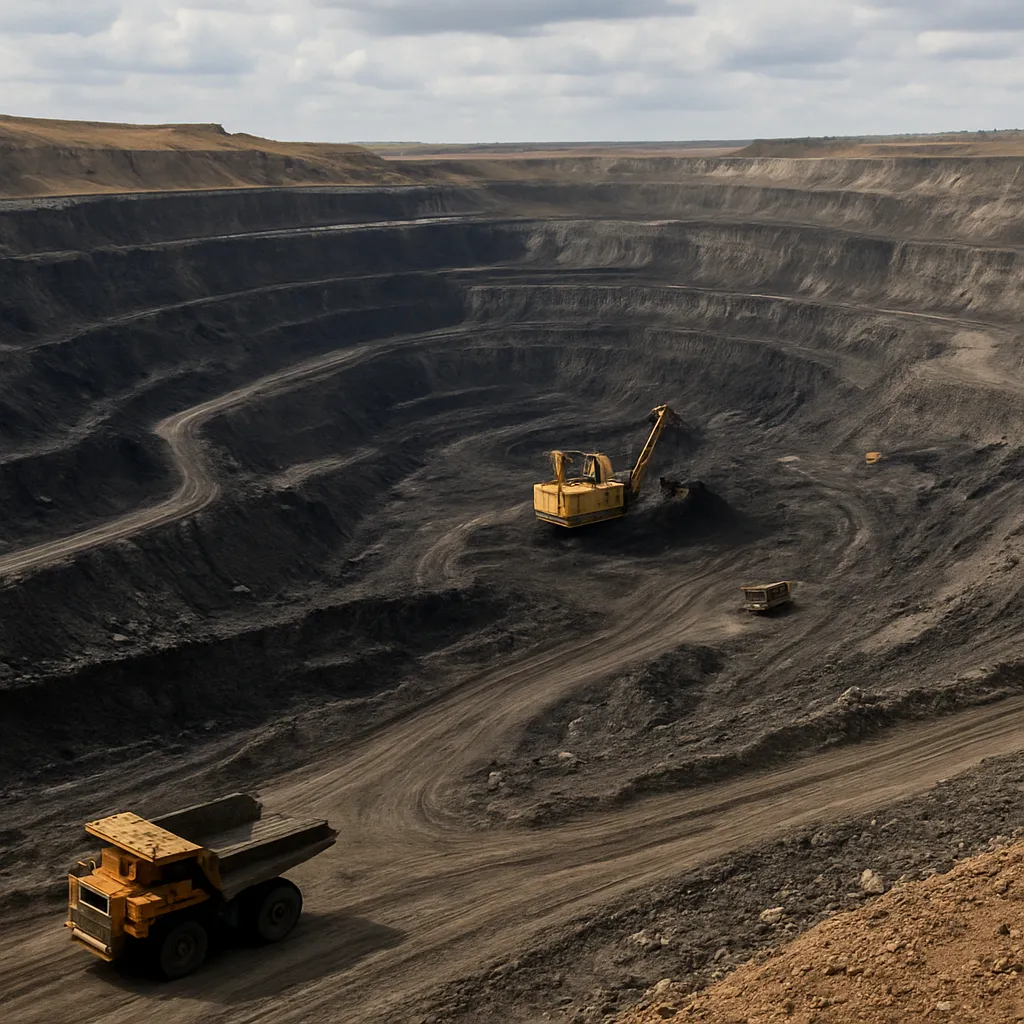
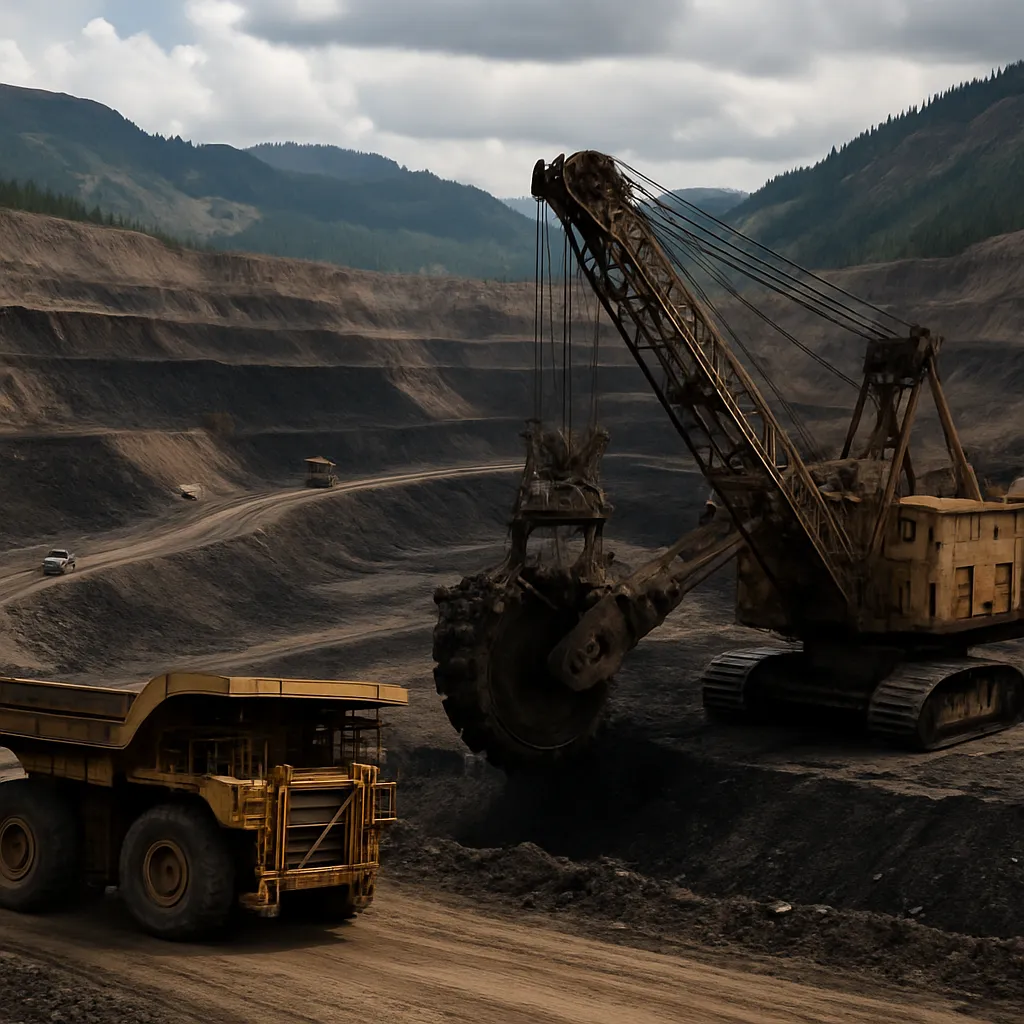
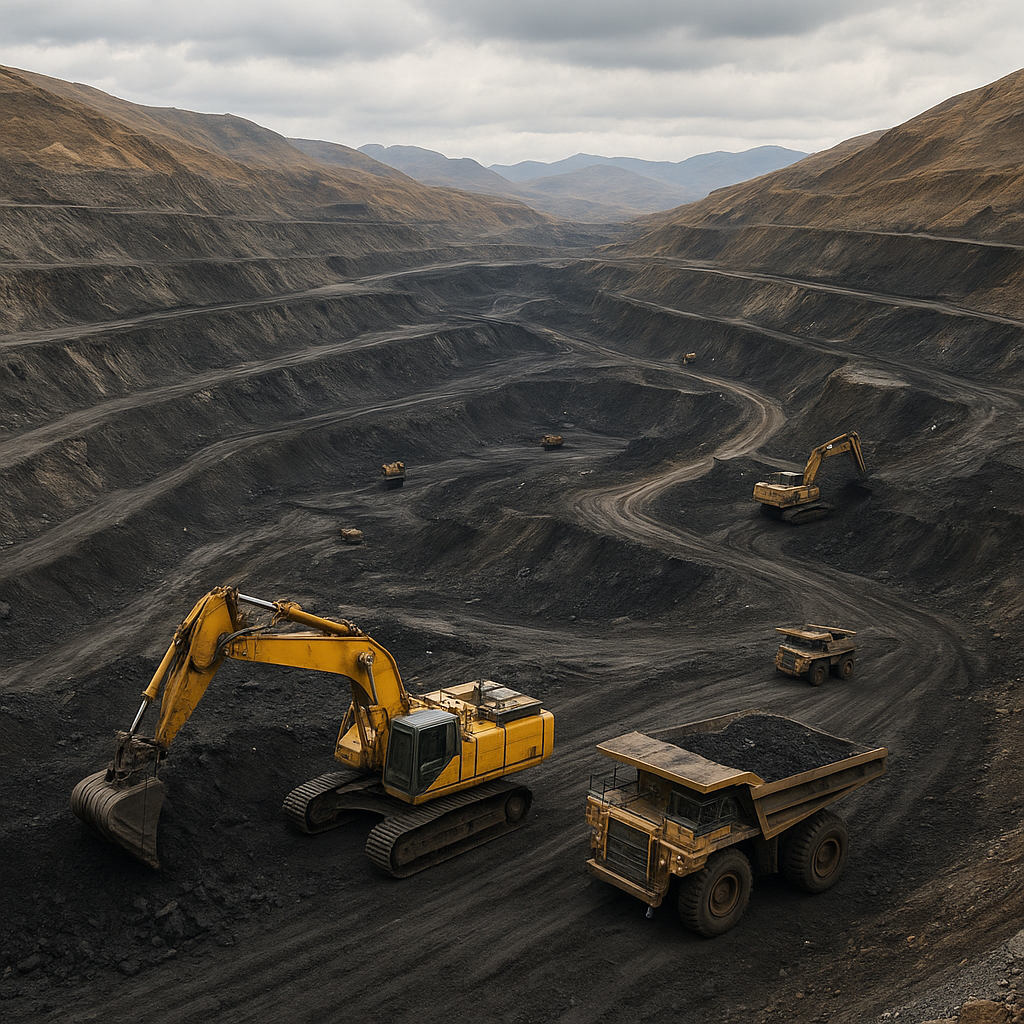
Mining in Kyrgyz coal basins typically follows conventional open-pit and underground methods depending on seam depth and geometry. Open-pit operations dominate where seams are near-surface and economically extractable; underground mining persists where deeper, thicker seams justify the expense. A mine named Kyrgyz Temir would likely operate with a combination of mechanized and manual labor, reflecting the capital constraints of many operators in the country.
Transport is a critical factor for any Kyrgyz coal mine’s viability:
- Roads: Many mines rely on truck transport to nearby towns, heating plants and railheads. Mountainous terrain and seasonal weather can disrupt deliveries and increase costs.
- Rail: Where available, rail access lowers transport costs and enables larger-scale shipments. However, the reach of the rail network in Kyrgyz coal regions is limited compared with major coal-producing countries.
- Processing: Simple beneficiation (crushing, screening, washing) is used to upgrade coal for certain markets, but extensive washing facilities are rare and capital-intensive.
Operational challenges commonly include ageing equipment, limited capital for modernization, safety and occupational health concerns, and seasonal workforce fluctuations. Investment in mechanization and safety systems could raise productivity and reduce environmental and human risks.
Environmental and social impacts
Coal mining and combustion in Kyrgyzstan, as elsewhere, have notable environmental and social footprints. Key concerns relevant to Kyrgyz Temir-style operations include:
- Land disturbance: Open-pit mining alters landscapes, affects soils and can fragment habitats. Proper reclamation is often under-resourced.
- Air quality: Fugitive dust from mining and particulate emissions from coal combustion impact local air quality, with implications for public health.
- Water: Coal processing and mine drainage can affect surface and groundwater quality, particularly if tailings and waste rock are poorly managed.
- Social effects: Mining can deliver jobs and income but also strain local services, alter demographics and create tensions over land use and environmental degradation.
Policy frameworks, stricter environmental regulations and investment in mitigation (dust control, wastewater treatment, progressive land reclamation) can reduce negative impacts. With Kyrgyzstan’s strong reliance on hydropower, seasonal shifts in energy policy also influence how coal-fired assets are maintained and regulated.
Significance in industry and regional ties
Within the Kyrgyz industrial landscape, coal remains a cornerstone for small-scale industry and household heating. Although hydropower provides the majority of electricity generation in many years, coal supports the resilience of the energy system, particularly in cold months. Coal also provides feedstock versatility: from direct combustion for heat to potential uses in small thermal plants and, with higher-quality grades, industrial processes requiring higher calorific values.
Regionally, Kyrgyz coal markets interact with neighboring countries — notably Kazakhstan and Uzbekistan — but exports are constrained by transport costs and competition from larger producers. Cross-border trade is therefore occasional and opportunistic rather than a stable backbone of the sector.
Future prospects, modernization and investment opportunities
The outlook for a mine such as Kyrgyz Temir hinges on several interlinked factors:
- Domestic demand trends: If climate variations reduce hydropower reliability or if heating demand rises, domestic coal demand could strengthen.
- Capital investment: Modernization — mechanization, environmental systems, and transport links — could convert marginal deposits to productive assets and improve worker safety and efficiency.
- Regulatory environment: Clear, enforceable mining and environmental regulations attract investment and help align mining with sustainable development goals.
- Diversification and value addition: Opportunities exist for coal washing, briquetting or co-generation projects that produce higher-value energy products and reduce pollution from household burning of raw coal.
International donors and development banks have historically supported energy-sector projects in Kyrgyzstan, often emphasizing renewable energy and energy efficiency. Coal-sector investments face increasing environmental scrutiny, but targeted modernization in regions dependent on coal can deliver socioeconomic benefits if coupled with strong governance and reclamation planning.
Concluding perspective
Kyrgyz Temir Mine, as referenced in this article, must be understood against the backdrop of a country whose coal resources are important at the local and regional scales rather than being a major international exporter. Coal in Kyrgyzstan provides energy security, supports local economies and supplies industrial and household heat. Precise mine-level data for Kyrgyz Temir are not widely published; therefore, this analysis situates such a site within the broader geology, coal types, economic roles, and operational realities of Kyrgyz coal mining.
Continued improvements in data transparency, investment in infrastructure, and environmental management would strengthen the sector’s contributions while reducing social and ecological costs. For stakeholders — from local communities and mine operators to regional planners and potential investors — the key considerations remain coal quality, transport economics, regulatory clarity, and the balance of short-term economic benefits with long-term sustainability.