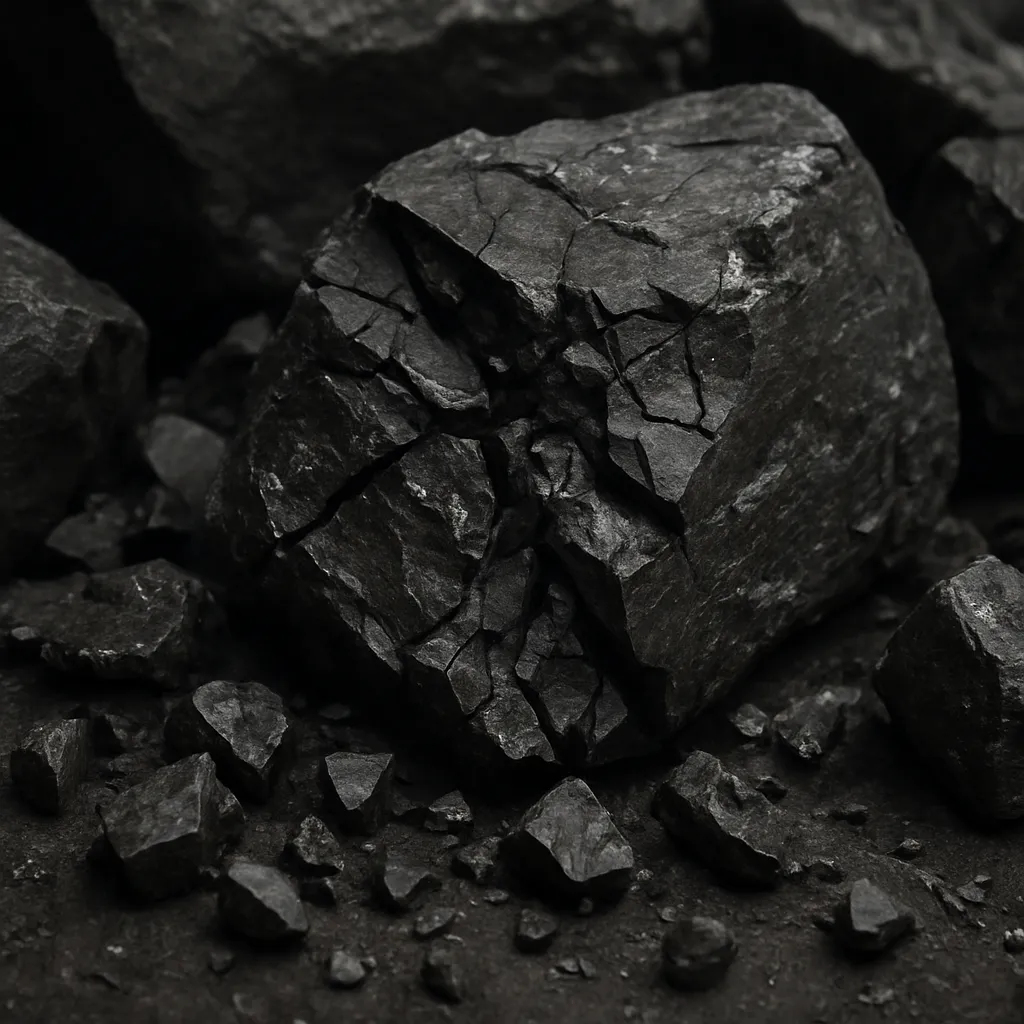
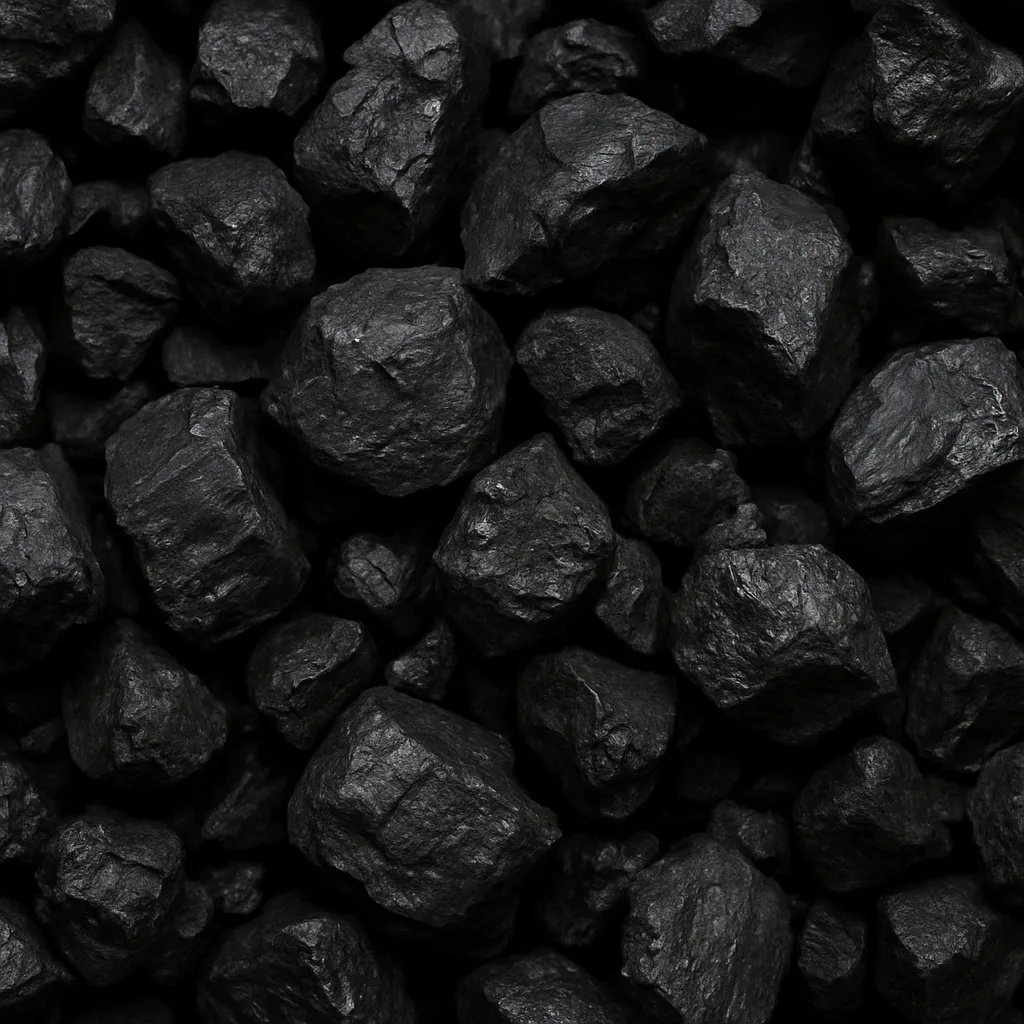
This article explores the material commonly referred to as coke breeze — a fine particulate by-product of coke production closely tied to the metallurgy of coal and the global steel industry. It reviews what coke breeze is, how and where it is produced, its physical and chemical properties, practical uses across industry, economic and statistical context, environmental and handling issues, and trends shaping its future. The intention is to provide a comprehensive resource for readers who need technical, industrial and market-oriented information about this important coal-derived material.
What coke breeze is: definition, formation and properties
Coke breeze is the fine fraction generated during the production, handling and sizing of coke produced from coking coal. When coal is carbonized in coke ovens to make metallurgical coke for ironmaking, the solid coke product is screened and crushed; the smallest particles, typically below a few millimeters in size, are known as coke breeze or coke fines. Although nominally a residue of processing, coke breeze retains many of the critical characteristics of coke and is used intentionally in a range of industrial processes.
Physical characteristics
- Particle size: most commonly described as material passing a 6 mm screen, with fractions often below 3 mm; fines may range down to dust-sized particles.
- Bulk density: variable, typically lower than lump coke due to irregular particle shape and porosity; often in the range of several hundred kg/m3 depending on particle size and packing.
- Hardness and friability: more friable than lump coke, which is why it becomes a separated fraction in handling and screening operations.
Chemical composition and energy content
- Coke breeze preserves the high fixed carbon content of metallurgical coke; fixed carbon is frequently in the range of 75–90% on a dry basis depending on the parent coal and coking conditions.
- Volatile matter is generally low (< 3–6%), as the parent coke has been heat-treated to drive off volatiles.
- Ash content varies considerably with the parent coal and the degree of cleaning; values commonly fall between 8% and 20% but can be higher for lower-quality feedstocks.
- Calorific value: coke breeze retains a high calorific content often comparable to lump coke, typically on the order of 25–30 MJ/kg (lower heating value), depending on ash and moisture content.
- Sulfur and phosphorus contents are inherited from the original coal and are important for applications where contamination must be controlled (for instance, in steel foundries and sintering).
Where coke breeze occurs and how it is produced
Coke breeze does not occur naturally in the earth; it is strictly an industrial by-product of the coke-making process. Coke production is concentrated in regions with access to metallurgical coal and integrated steelmaking capacity. Production and therefore generation of coke breeze is closely aligned with global steel-making geography.
Major producing regions and facilities
- China: by far the largest producer of metallurgical coke and the largest consumer of coke breeze, reflecting the country’s massive iron and steel industry. China’s integrated steelworks and independent coke plants generate the majority of the world’s coke fines.
- India: a significant producer, with many steel complexes and coking plants creating a steady stream of coke breeze used partly in domestic sinter plants, sponge iron plants and foundries.
- Russia, Japan, South Korea and the United States: notable producers with large integrated steel industries; these countries also produce coke breeze but in smaller total volumes than China.
- Other steelmaking countries including Brazil, Germany, Ukraine, and Turkey also produce and consume coke breeze as part of their metallurgical operations.
How it is generated
Coke breeze is generated at several stages:
- During the initial coking operation, when coal is converted to coke in ovens and coke lumps are sized and cooled.
- During handling, transportation and crushing processes where mechanical attrition and screening separate fines from lump coke.
- As a deliberate product: some facilities purposely grind or screen coke to provide a controlled fraction of fines for specific uses, such as sinter feed or foundry mixes.
The proportion of coke breeze produced can vary by plant design, handling practice and product specifications. A useful rule-of-thumb in the industry is that coke fines typically represent a small but significant fraction of total production — often in the low single-digit to low double-digit percentage range (for example, roughly 5–15% of crude coke output depending on definitions and processing).
Industrial uses and significance
Although it is a by-product, coke breeze has wide practical value. Its fine particle size and high carbon content make it both a fuel and a functional additive in metallurgical and related processes.
Primary industrial applications
- Sinter plants and blast furnace feed: coke breeze is commonly blended into sinter mixes where it acts as a fuel and reduces the need for lump coke. It contributes to sinter combustion patterns and temperature control, influencing sinter quality and reducibility.
- Foundries: used as a carburizer and parting medium in molding sands; it can improve heat retention and ensure suitable carbon pickup in cast iron and steel foundry operations.
- Briquetting and recarburizers: coke breeze can be briquetted with binders (pitch, tar, molasses, or modern organic binders) to form larger, more durable charges used as recarburizers or for fuel in metallurgical applications.
- Alternative fuels: used as a low-cost fuel in rotary kilns, cement kilns and industrial furnaces when quality constraints permit; however, environmental rules and ash chemistry can limit these uses.
- Specialized uses: as a feedstock for carbon products, in some cases as a precursor for activated carbon or as a component in refractory mixes or composite materials.
Why industry values coke breeze
Coke breeze is valued because it offers a high-carbon, energy-rich material that can be used where fine particle sizes are beneficial. In sintering, fines help make an evenly distributed combustible matrix; in foundry applications they provide consistent carburization. From an economic perspective, coke breeze typically carries a lower unit price than lump coke while still delivering the essential carbon and energy inputs required by metallurgical processes.
Economic, market and statistical context
The market for coke breeze is tightly linked to the global steel industry. Demand for coke breeze rises and falls with blast furnace activity, sinter plant throughput and foundry production. Below are some broad economic and statistical observations relevant for understanding the coke breeze market.
Relationship to steel production
- Global crude steel production provides the primary demand driver for coke and therefore indirectly for coke breeze. In recent years global crude steel output has been on the order of roughly 1.6–1.9 billion tonnes annually (subject to cyclical variation by year and source).
- The majority of primary steel is produced via the blast furnace–basic oxygen furnace (BF-BOF) route, which consumes metallurgical coke and sinter. As long as BF-BOF remains the dominant production route, demand for coke and coke-derived by-products like coke breeze remains material.
Production and trade patterns
Precise global figures for coke breeze are not as widely published as those for lump coke or coking coal, because coke breeze is often sold locally or consumed internally at integrated steel sites. Nonetheless:
- Global production of metallurgical coke runs into the hundreds of millions of tonnes per year; estimates of worldwide coke output vary with definitions and timeframes, but many industry sources place annual production in the range of several hundred million tonnes.
- China accounts for a major share of global coking activity and therefore a disproportionate share of coke breeze generation and consumption.
- Coke breeze is traded regionally and domestically more than as a globally fungible commodity; transport costs and handling considerations make local sourcing typical.
Price dynamics
Prices for coke breeze vary significantly by region, quality (ash, sulfur, size) and end use. Common influences include:
- Price of metallurgical coke and coking coal: when lump coke prices rise, the relative value of fines also shifts.
- Local supply/demand balance: regions with excess fines may export or sell at discount to local consumers; tightness in supply can quickly push premiums.
- Regulatory and environmental compliance costs: emissions control and disposal costs for coking plants and sinter operations affect the net delivered cost.
Indicative price ranges for coke breeze have historically been substantially below high-quality lump coke and generally expressed in local currency per tonne. The material is often competitively priced as a fuel or blend component, but exact numbers should be sourced from up-to-date regional market data for contracting and cost planning.
Environmental, health and handling considerations
Because coke breeze is a fine, dusty, carbonaceous material with potentially significant ash and trace element content, responsible handling and environmental controls are essential.
Air quality and particulate control
- Dust generation during handling, transfer and storage requires mitigation: enclosed conveyors, dust extraction, baghouses and water suppression are common measures.
- Coke fines are a source of particulate matter (PM) emissions; uncontrolled fugitive dust can create local air quality and workplace health issues.
Chemical contaminants and environmental emissions
- Coke and coke breeze can contain polycyclic aromatic hydrocarbons (PAHs), phenolics and other by-products from coal carbonization; these substances can be harmful and are regulated in many jurisdictions.
- Trace metals (arsenic, lead, cadmium, mercury) and sulfur are possible contaminants depending on feed coal geology; management of leachates and residues must follow environmental rules.
- Coke production is carbon-intensive, and the broader steel and coke sectors are significant contributors to industrial greenhouse gas emissions — the steel industry is commonly cited as responsible for roughly 7–9% of global CO2 emissions (varying by source and year). Thus, any lifecycle assessment of coke breeze must consider upstream carbon impacts.
Occupational safety
Workers handling coke breeze need protection against dust inhalation, skin contact and the risk of fire or explosion in confined spaces where fine carbonaceous dusts can be combustible. Personal protective equipment (PPE), training, and safety protocols for storage and conveyor systems are critical.
Processing, recycling and innovation
Because coke breeze has value, many plants invest in processing routes to make it more usable and less problematic. These steps can add economic value and reduce environmental impact.
Briquetting and agglomeration
- Briquetting coke breeze with binders is an established practice to create uniform, transportable, and low-volatile briquettes. Common binders include coal tar pitch, molasses, or newer organic binders engineered for strength and low emissions.
- Briquettes can substitute for lump coke or be used as recarburizers in metal treatment; they reduce dust handling issues and can improve combustion or metallurgical performance.
Screening and blending
Modern coke plants use multi-stage screening and closed-loop material handling to produce defined particle-size distributions. Blending coke breeze with lump coke and coal can optimize sintering and blast furnace performance while minimizing negative effects caused by too much fine material.
Alternative processes and material substitution
- Pulverized coal injection (PCI) into blast furnaces reduces the amount of metallurgical coke required, which indirectly affects the volume of coke breeze produced. As PCI rates rise, overall demand for lump coke could decline, altering the economic role of coke fines.
- Hydrogen-based direct reduction and increased use of electric arc furnace (EAF) steelmaking reduce reliance on coke and therefore the generation and industrial need for coke breeze over the long term.
Statistical snapshots and illustrative figures
The following points summarize statistical and contextual figures that give perspective on the scale and significance of coke breeze within the larger steel and coal sectors. Note that values are indicative and vary year to year by source, methodology and market shifts.
- Global crude steel production: on the order of 1.6–1.9 billion tonnes per year in recent years; the BF-BOF route consumes the majority of metallurgical coke and sinter feed.
- Global metallurgical coke production: measured in the hundreds of millions of tonnes per year (estimates vary by reporting conventions); most production occurs in Asia, with China being the largest single contributor.
- Share of coke breeze in production: coke fines usually represent a single-digit to low double-digit percent share of coke production depending on handling and resizing operations; many plants report typical fines generation in the range of 5–15% of crude coke processed.
- Industrial emissions context: the steel sector is a major industrial emitter of CO2 (commonly cited as responsible for roughly 7–9% of global greenhouse gas emissions), and coke-making is one of the most carbon-intensive sub-processes in the sector.
Interesting facts and future outlook
Coke breeze sits at the intersection of traditional heavy industry and evolving low-carbon transitions. A few notable points:
- As steelmakers pursue decarbonization through higher use of scrap in EAFs, greater PCI utilization, and hydrogen-based direct reduction, the role of metallurgical coke — and thus the generation and markets for coke breeze — may decline over decades. However, a global shift away from BF-BOF is gradual, so demand and recycling markets for coke breeze will remain relevant for many years.
- Innovation in binder chemistry and briquetting technologies enables higher-value uses for coke breeze and reduces environmental and handling costs for producers and consumers.
- Regulatory pressures around air quality and hazardous substance management tend to incentivize closed-loop handling, on-site briquetting or immediate local use, which in turn shapes local pricing and logistics strategies.
In short, coke breeze is far more than a nuisance residue: it is an industrially useful by-product with a broad array of applications, a market shaped by the dynamics of global steel production, and a material whose future will track both metallurgical innovation and global efforts to reduce carbon and pollutant emissions. For engineers, buyers and environmental managers, understanding the quality parameters, handling requirements and potential uses of coke breeze is essential for turning a fine material into practical value.