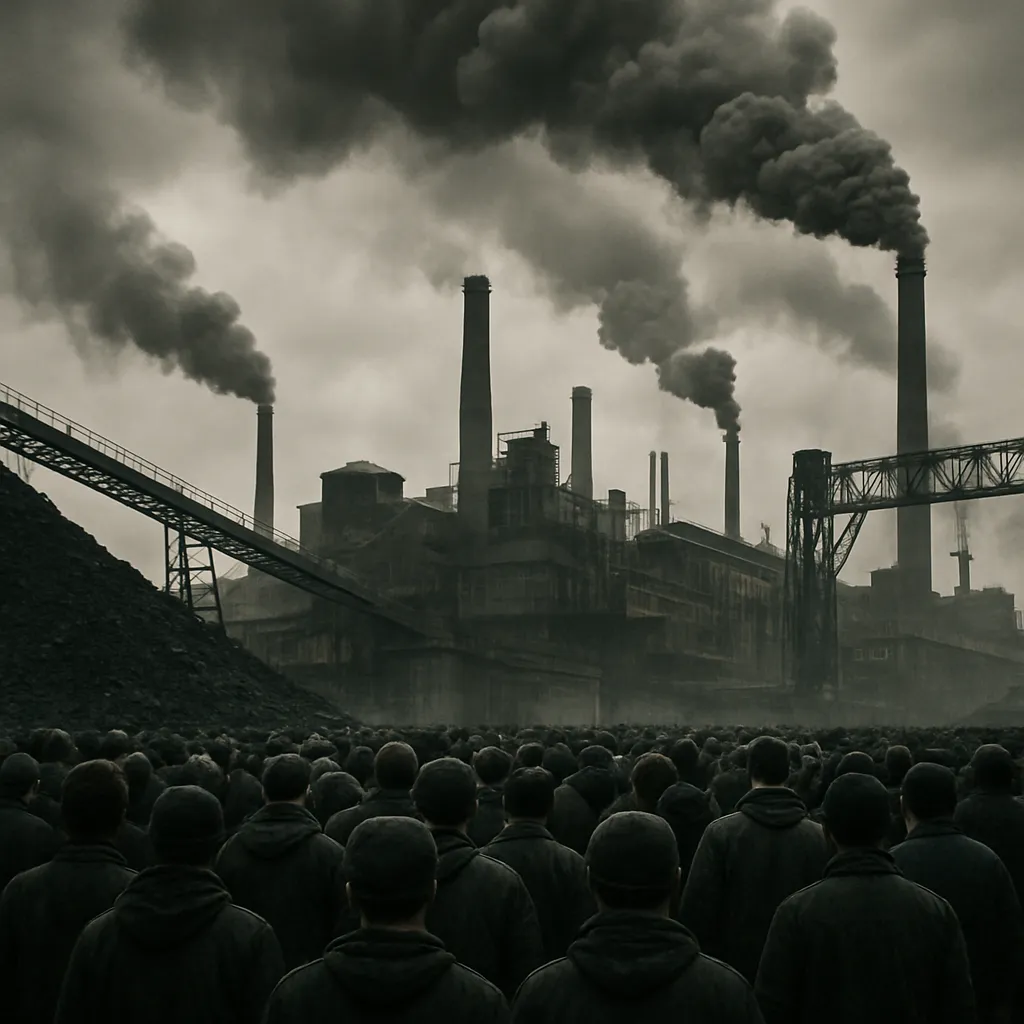
Small island nations face unique challenges as the global demand for coal continues to influence energy markets, environmental policies, and their own fragile ecosystems. While many countries move toward cleaner alternatives, these islands often remain tied to imported resources, relying on coal-fired power plants to meet growing electricity needs. Examining the role of coal, the fluctuations in coal stock prices, and the complex interplay of economic and environmental factors reveals why small island developing states (SIDS) are particularly vulnerable to the negative consequences of emissions and market shifts.
Coal Formation, Global Role, and Local Dependencies
Coal is one of the most abundant and historically significant fossil fuels formed from plant material subjected to heat and pressure over millions of years. Its high carbon content and relative affordability made it the backbone of the Industrial Revolution. Today, coal still provides roughly 38 percent of global electricity generation. For many SIDS, however, the lack of domestic reserves means complete dependence on imports of coal or coal-derived products. This reliance undermines their energy security by exposing them to international price swings and supply chain disruptions. Long shipping routes raise transportation costs and increase the risk of logistical delays during extreme weather events, common in tropical regions.
At the same time, coal-fired power plants emit large quantities of carbon dioxide (CO₂), sulfur dioxide (SO₂), and particulate matter. Even small power facilities can outpace local capacity for air filtration and monitoring. As a consequence, island communities contend with degraded air quality that aggravates respiratory diseases and contributes to acid rain, damaging sensitive coral reefs and freshwater sources.
Investment Dynamics and Coal Stock Market Volatility
Investors monitor coal company shares to gauge demand shifts driven by policy changes, technological advancements, and consumer preferences. Coal stock prices can experience rapid rises when major economies delay carbon taxes or roll back environmental regulations. Conversely, announcements of new emissions standards, closures of coal plants, or breakthroughs in renewable energy storage technologies can trigger sudden sell-offs. This market volatility poses challenges for SIDS contemplating private financing of energy infrastructure. Lenders often assess the creditworthiness of such projects based on long-term commodity price forecasts, which are inherently uncertain.
Publicly traded coal firms must navigate investor pressure for improved sustainability metrics, pushing some to diversify into natural gas or carbon capture projects. Yet, the transition timeline can be slow, and many island stakeholders remain locked into long-term contracts that favor coal imports. These agreements may include take-or-pay clauses, requiring islands to purchase minimum volumes regardless of actual consumption, amplifying financial risk when tourism dips or maintenance outages occur.
Environmental and Social Impacts in Island Contexts
Marine Ecosystems Under Threat
Marine environments around small islands are exceptionally fragile. Coal ash, a byproduct of combustion, often ends up in waterways if disposal is not rigorously managed. Fine particles can smother coral polyps, reduce sunlight penetration, and decrease oxygen levels crucial for fish populations. Meanwhile, acid rain runoff alters ocean pH, further stressing coral bleaching events already exacerbated by global warming.
Public Health and Community Welfare
Communities situated near coal terminals and power plants face elevated risks of asthma, bronchitis, and cardiovascular conditions due to airborne particulates and toxic metal residues. Island health systems typically have limited capacity to treat chronic illnesses, making prevention critical. Empowering local clinics with air quality monitors and early warning systems can mitigate some impacts, but ultimately reducing coal dependency offers the greatest relief for vulnerable populations.
Economic and Geopolitical Considerations
Small island governments must balance short-term economic needs with long-term sustainability goals. Coal imports generate jobs in port operations, transportation, and power plant maintenance, creating a temporary economic bulwark. However, fluctuations in global coal prices can derail national budgets, forcing abrupt austerity measures or emergency borrowing. External debt can balloon when low-lying islands invest in reconstruction after climate-induced storms, a risk heightened by heavy reliance on carbon-intensive energy.
- Dependence on fewer trading partners limits bargaining power and exposes islands to unilateral price hikes.
- Geopolitical tensions among major coal exporters may disrupt supply routes, triggering fuel shortages.
- Foreign direct investment in coal infrastructure can come with strings attached, influencing local policy decisions.
Consequently, island policymakers face difficult trade-offs between stimulating immediate growth and protecting future generations from escalating climate crises. Many are now exploring regional cooperation frameworks to pool resources and negotiate bulk fuel discounts, but such efforts require robust institutions and transparent governance.
Emerging Alternatives and Pathways to Resilience
Transitioning away from coal calls for integrated strategies that prioritize sustainability and social equity. Investments in solar photovoltaics, offshore wind, and energy storage systems offer islands a chance to harness abundant natural resources while reducing greenhouse gas outputs. Microgrid and distributed energy models enhance resilience by decentralizing power generation, allowing communities to isolate from wider grid failures during storms.
Financial mechanisms such as green bonds, climate adaptation funds, and results-based financing can alleviate upfront capital constraints. Technical assistance from international organizations supports capacity-building in project planning, environmental impact assessments, and community engagement. Moreover, incorporating local knowledge—such as traditional building designs for natural ventilation—lowers energy demand and complements modern renewable installations.
Successful pilot programs in several Pacific and Caribbean islands demonstrate that a phased retirement of coal assets, coupled with robust energy efficiency measures, can reduce fossil fuel reliance by up to 60 percent within a decade. Scaling these models requires aligning national targets with the Paris Agreement, mobilizing public-private partnerships, and ensuring that the benefits of clean energy reach all segments of society, from remote villages to urban centers.