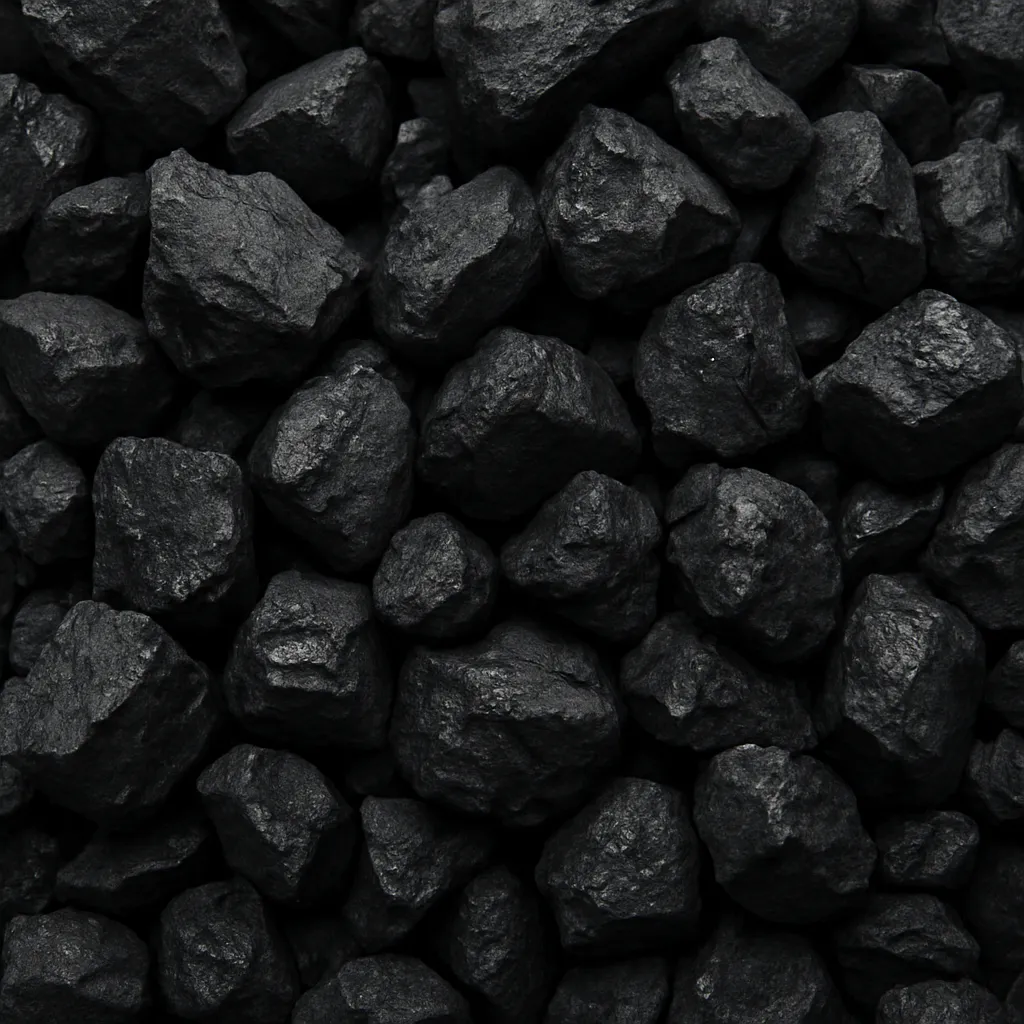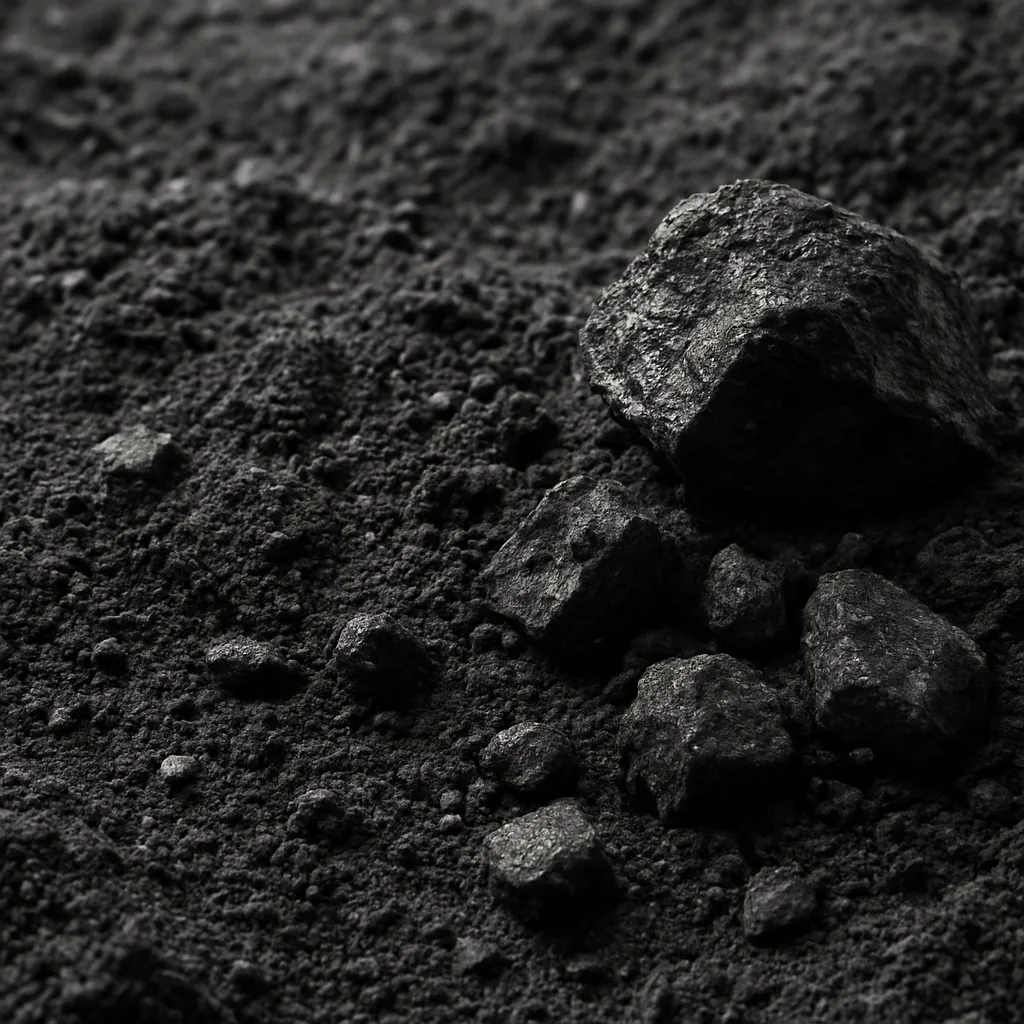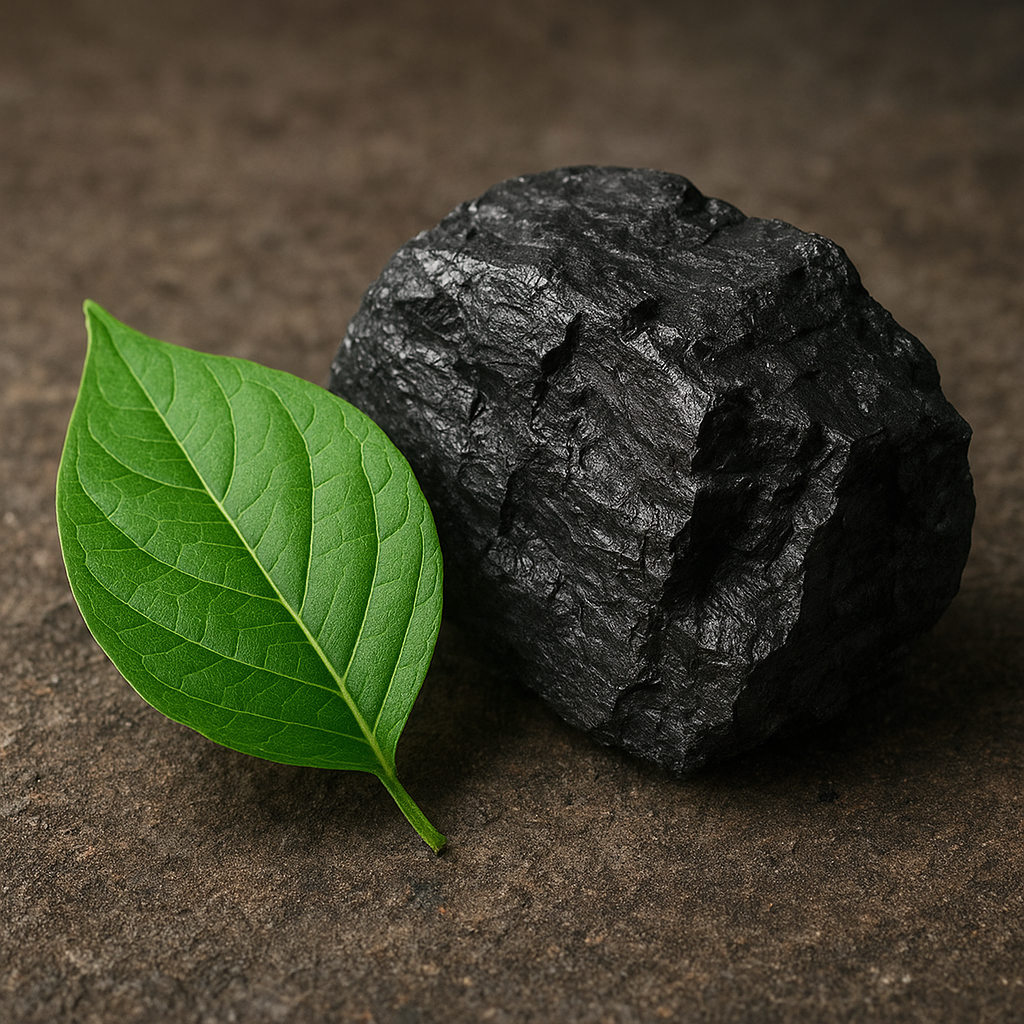
The term Eco-coal is increasingly used in industry and public debate to describe coal products and practices that aim to reduce environmental harm while preserving some of coal’s economic utility. This article examines what eco-coal can mean in practice, where coal resources and eco-coal initiatives are located and produced, the economic and industrial role of coal today, statistical context from global markets, and technological and policy trends shaping a transition toward lower-impact use of this fossil fuel. The discussion covers both the geological distribution of coal and the evolving set of technologies and market instruments—such as washing, beneficiation, coal briquetting, co-firing with biomass, and carbon capture—that are associated with “eco” variants of coal use.
Understanding eco-coal: definitions, types, and technologies
Eco-coal is not a single, universally defined product but a family of approaches meant to lower the environmental footprint of coal extraction, processing, transport, and combustion. At the simplest level, eco-coal refers to coal that has been treated or selected to produce reduced emissions of pollutants (sulfur, nitrogen oxides, particulates) and sometimes reduced CO2 per unit of energy through higher calorific value or co-firing with low-carbon fuels. In wider use, the label also covers coal-related technologies and practices intended to mitigate impacts: coal washing, beneficiation, briquetting mixed with biomass, methane capture in mines, advanced combustion systems, and integration with carbon capture and storage (CCS).
Common types and practices called eco-coal
- Washed coal / low-ash coal — removal of mineral matter and ash to increase calorific value and reduce particulate emissions and slagging in furnaces.
- Low-sulfur coal — selection or blending of coal to reduce SO2 emissions without extensive flue-gas treatment.
- Coal–biomass blends and briquettes — mixing coal with biomass or converting waste into composite fuel to lower net greenhouse gas intensity.
- Upgraded or densified fuels — pellets or briquettes that are easier to burn cleanly and reduce fugitive dust and handling losses.
- Mine CH4 capture and utilization — extraction of methane from active or abandoned mines for power or heat, reducing greenhouse emissions.
- Integration with CCS or co-production facilities (e.g., gasification coupled to CCS) to reduce lifecycle CO2 emissions.
None of these measures makes coal emission-free. Instead, eco-coal strategies aim to reduce certain pollutants, improve energy efficiency, and provide transitional options where coal remains central to energy or industrial systems.
Where eco-coal and conventional coal occur: major deposits and producing regions
Coal is a sedimentary hydrocarbon fuel formed in ancient swamps and peat bogs that have been buried and altered over tens to hundreds of millions of years. Major coal basins around the world supply the bulk of global production. Regions where coal is abundant and where eco-coal products and practices are prominent include East and South Asia, Australia, Russia, North America, Southern Africa, and parts of South America.
Major producing countries (overview)
- China — the world’s largest producer and consumer of coal, with numerous large basins in Shanxi, Inner Mongolia, Xinjiang and other provinces. China dominates global thermal coal demand for power generation and also produces significant metallurgical coal for steelmaking.
- India — large domestic production supporting electricity generation and industry; major basins in Jharkhand, West Bengal (Jharia, Raniganj), Odisha and Chhattisgarh.
- Australia — a global export leader, particularly in metallurgical (coking) coal from the Bowen and Surat basins (Queensland) and Hunter Valley (New South Wales).
- Russia — large reserves and production (Kuzbass, Kansk-Achinsk), with both thermal and metallurgical coal streams.
- United States — significant production from the Powder River Basin (Wyoming, Montana) for low-cost thermal coal and Appalachian basins for higher grade coals; also metallurgical coal in the east.
- Indonesia — major exporter of thermal coal from Sumatra and Kalimantan, supplying East and South Asian markets.
- South Africa — extensive production concentrated in Mpumalanga, supplying domestic power generation and metallurgical markets.
- Colombia — important exporter of thermal coal from northern basins (e.g., Cerrejón).
- Mongolia — large deposits of both thermal and coking coal, notable projects include Tavan Tolgoi.
Geological quality (anthracite, bituminous, sub-bituminous, lignite) and the presence of impurities determine whether a particular coal is suited for metallurgical use (steelmaking) or thermal power. Many eco-coal efforts focus on washing and upgrading lower-grade coals near their points of extraction to reduce transport of ash and deleterious constituents.
Exporters and importers — trade patterns
Global coal trade concentrates in a few exporters and importers. Australia and Indonesia are dominant exporters, especially to Asian markets (China, India, Japan, South Korea). Major importers historically include China, India, Japan, South Korea, and many European countries. Trade flows have shifted in recent years due to policy developments, geopolitical events, and price fluctuations, prompting some buyers to seek alternative suppliers or accelerate domestic fuel transitions.
Economic, statistical and industrial importance of coal and eco-coal
Coal remains a cornerstone of many national economies despite the rise of renewables. Its roles in electricity generation, heavy industry (notably steel and cement), employment, regional development, and export revenues are substantial. At the same time, market dynamics, climate policy, and technological change are reshaping demand and the economics of coal.
Scale and statistics (recent trends)
- Global production: Recent international energy reports place annual global coal production in the range of roughly 7.5–8.5 billion tonnes on a short-term basis, though year-to-year values fluctuate with demand and prices. A large share of production and consumption is concentrated in Asia.
- Electricity: Coal historically provided approximately a quarter to over a third of global electricity generation, depending on the year and region; in some countries coal remains the dominant source of baseload power.
- Steel and industry: Metallurgical coal (coking coal) accounts for a much smaller share by mass but is critical for conventional steelmaking via blast furnaces. Around 70–75% of global steel production still uses coal-derived coke at the plant level, although alternative processes (electric arc furnaces, hydrogen reduction) are gaining traction.
These broad statistical patterns underline why many governments and industries prioritize cleaner coal technologies rather than immediate coal abandonment: for some economies the social and industrial reliance on coal is deep.
Economic drivers and market dynamics
Key economic factors shaping coal markets include:
- Price volatility — thermal coal prices experienced substantial swings in recent years due to supply constraints, geopolitical events, and shifts in demand. Price spikes can stimulate new investment in mining and beneficiation but also accelerate substitution toward gas or renewables.
- Trade revenues — countries that export coal, notably Australia, Indonesia and Russia, derive significant foreign exchange and government revenue from the commodity.
- Employment and regional economies — coal mining and associated industries (transport, equipment manufacturing) sustain jobs in coal basins; transitions away from coal require careful social planning to avoid localized economic collapse.
- Capital intensity — modern mining and eco-coal processes (washing plants, briquetting facilities, emission control retrofits) require substantial capital investment but can extend the economic life of mines and power stations.
Industrial significance: power, steel, and beyond
Coal’s industrial importance divides into several clear sectors: electricity generation, steelmaking, cement and other industrial uses, and chemical feedstocks. Eco-coal approaches target each sector differently.
Electricity generation
Coal-fired power plants provide firm, dispatchable power, which remains valuable for grid stability. Eco-coal strategies for power plants focus on efficiency improvements (supercritical and ultra-supercritical units), flue-gas desulfurization and NOx controls, and retrofitting with CCS where feasible. In many markets, blending coal with biomass or using higher-grade, lower-ash coal reduces emissions per megawatt-hour.
Steelmaking and metallurgical uses
Metallurgical coal (coking coal) is indispensable in traditional blast-furnace steelmaking. Because this application is technically harder to decarbonize, many countries emphasize high-quality coking coal and process innovations as part of eco-coal strategies. Technologies under exploration include hydrogen-based direct reduction, electrified furnaces, and CCS at integrated steelworks—each with implications for future demand for metallurgical coal.
Other industrial uses
Coal and coal byproducts (such as fly ash) are used in cement, concrete, ceramics, and as chemical feedstocks. Eco-coal concepts often include beneficial reuse of ash, replacing some Portland cement with fly ash to reduce embodied CO2 in construction materials.
Environmental, social and policy considerations
Even when labeled eco-coal, coal use raises significant environmental and social challenges. Addressing these challenges is central to acceptable eco-coal strategies.
Key environmental issues
- Greenhouse gas emissions — coal has the highest CO2 intensity among major fossil fuels per unit of energy. Unless coupled with effective CCS, coal combustion contributes substantially to climate change.
- Local air pollution — particulates, SO2, NOx and trace metals affect human health; washing coal and adding emission controls lowers these local impacts.
- Water use and contamination — mining and coal-fired plants consume water and can contaminate groundwater and surface water without proper management.
- Land disturbance and biodiversity — open-pit mines and tailings disrupt ecosystems; modern reclamation and restoration are part of an eco-coal agenda.
Social and governance issues
Coal regions often face social risks when markets shift: job losses, declining municipal revenues, and community displacement. Effective policy mixes that support worker retraining, economic diversification, and investment in reclamation are important components of responsible eco-coal pathways.
Technologies and innovations that underpin eco-coal
Several technologies enable lower-impact coal use and are frequently associated with eco-coal initiatives.
- Coal washing and beneficiation — removes ash and sulfur-bearing minerals, improving combustion efficiency and reducing particulate emissions.
- Advanced combustion systems — supercritical and ultra-supercritical boilers reach higher efficiencies and emit less CO2 per MWh.
- Gasification — converts coal into syngas for cleaner combustion or chemical synthesis; attractive when combined with CCS.
- Carbon capture, utilization and storage (CCUS) — captures CO2 from flue gases or syngas and stores it geologically or uses it for industrial processes.
- Mine methane recovery — captures potent greenhouse gas emissions and converts them to useful energy.
- Co-firing and fuel blending — blends of coal and biomass can reduce net CO2 intensity and lower pollutants.
Each of these comes with trade-offs: costs, energy penalties, infrastructure needs, and the speed at which they can be scaled. CCS and CCUS, for example, remain costly and capital-intensive, and are deployed on a limited portion of existing coal capacity globally.
Future trajectories: transition, markets, and policy
The future of eco-coal depends on the interplay of economics, policy, technology, and public acceptance. Several plausible trajectories exist:
- In high-income countries with strong decarbonization policies, coal usage may decline rapidly, with retrofits and CCUS used selectively at remaining plants or to decarbonize industrial clusters.
- In emerging economies with growing power demand and limited alternatives, coal (including eco-coal forms) may persist into the medium term, although the trajectory depends on the pace of renewables deployment and financing availability.
- For steel and heavy industry, demand for metallurgical coal may decline more slowly unless low-carbon steel technologies scale rapidly, offering a window for eco-coal measures that reduce other pollutant emissions and improve mining efficiency.
Policy instruments influencing outcomes include carbon pricing, coal phase-out mandates, support for CCUS, export/import controls, mine closure and social support programs, and standards for coal quality and emissions.
Interesting facts and case studies
Australia — a world-leading exporter, Australia supplies both thermal and metallurgical coal. The country has focused on high-efficiency mining, logistics optimization, and research into hydrogen and CCUS for industry decarbonization.
China — rather than immediate elimination, policy emphasis has been on improving plant efficiency, closing small inefficient mines, deploying ultra-supercritical technology, and piloting CCUS in industrial clusters. China’s massive domestic production means that even incremental eco-coal gains can affect global emissions.
Mongolia and Tavan Tolgoi — Tavan Tolgoi’s large coal reserves make it a strategic asset with export dynamics that affect regional markets; quality and transport logistics determine whether coal is sold as raw product or upgraded for specific markets.
Coal mine reclamation projects — in several countries, former open-pit mines have been repurposed for recreation, solar farms, or biodiversity restoration, showing that mine closure can be an opportunity for low-carbon redevelopment.
Fly ash recycling — using coal combustion residuals in cement and concrete reduces industrial waste and lowers the embodied carbon of construction materials.
Concluding perspective
Eco-coal is a pragmatic and contested concept. It represents a set of technical and managerial measures intended to lower some of the environmental and social costs of coal while recognizing the continued role of coal in certain economies and industries. From coal washing and methane recovery to high-efficiency plants and CCUS, eco-coal approaches can reduce local pollution, improve fuel efficiency, and—where deployed with strong climate policy—contribute to lower CO2 intensity. Yet these measures do not eliminate the fundamental climate challenge posed by coal combustion. The long-term role of coal will be determined by how rapidly low-carbon alternatives for power and heavy industry can scale, how policies price and regulate emissions, and how societies choose to manage the socioeconomic transitions in coal-dependent regions.
Key themes for policymakers and industry stakeholders include investing in technologies with the best emissions reduction per dollar, designing just transition programs for affected communities, and prioritizing transparency in coal quality and lifecycle emissions. Eco-coal can play a transitional role, but its effectiveness depends on rigorous environmental standards, credible deployment of mitigation technologies, and alignment with broader decarbonization goals.