The enduring legacy of industrialization is inseparable from the story of coal. From powering steam engines to fueling power plants, this fossil fuel has underpinned economies around the globe for centuries. As regions grapple with dwindling resources and evolving environmental standards, the focus has shifted toward a systematic transition. This transformation requires bold strategies, targeted investment, and an embrace of cleaner alternatives like renewable energy. The following sections explore historical roots, present-day challenges, and financial dynamics surrounding coal-dependent areas striving to reinvent their futures.
Historical Role of Coal in Economic Development
Origins and Industrial Expansion
The discovery of vast coal seams in the 18th century paved the way for the Industrial Revolution. Mines in Britain, Germany, and the northeastern United States became epicenters of rapid growth. Steam engines in textile mills and locomotives relied on a steady stream of coal, driving production and transportation. Urban centers flourished as workers migrated to mining towns, fostering new communities and local economies.
Coal as a Driving Force
By the mid-20th century, coal had evolved beyond a mere energy source to a symbol of national strength. Governments invested heavily in infrastructure and mining technology to secure domestic supplies. Steel mills, chemical plants, and power stations thrived on inexpensive fuel, creating thousands of jobs. The result was a virtuous cycle of rising wages, consumer demand, and further industrial expansion.
Challenges Facing Coal-Dependent Regions
Declining Demand and Market Shifts
Global energy markets have undergone seismic shifts in recent decades. Natural gas, cheaper to extract via fracking, began undercutting coal prices. Simultaneously, advances in solar and wind technologies made renewable energy increasingly competitive. Utilities and manufacturers, seeking to reduce operational costs and volatility, curtailed coal purchases. Regions anchored to mining operations experienced plant closures, rising unemployment, and revenue shortfalls.
Environmental Regulations and Pressure
Heightened awareness of carbon emissions has prompted stricter air quality standards and carbon taxation. International pacts like the Paris Agreement compel nations to cut greenhouse gas output, often at the expense of traditional coal-fired facilities. Legal challenges and community activism further amplify pressure on operators to clean up soot, ash, and wastewater. Consequently, many aging plants face either costly retrofits or decommissioning, intensifying economic strain on local governments.
Strategies for Economic Transition
Investment in Renewable Energy
To offset job losses and tax revenue declines, policymakers and private sector partners channel funds into renewable energy projects. Solar farms, wind turbines, and biomass operations often utilize former mine sites or derelict industrial zones. This repurposing of land accelerates clean generation while minimizing environmental remediation costs. Moreover, community-owned energy cooperatives enable residents to share in profits and decision-making, fostering local buy-in.
Workforce Retooling and Job Retraining
Central to any successful shift is comprehensive job retraining. Programs funded by federal grants, philanthropic organizations, and corporate donors equip miners and plant workers with new skills. Courses in advanced manufacturing, solar installation, and software development open pathways to employment in emerging industries. Partnerships between technical colleges and local employers ensure curricula align with market demands, smoothing the transition from dusty shafts to clean-tech labs.
Economic Diversification and Innovation
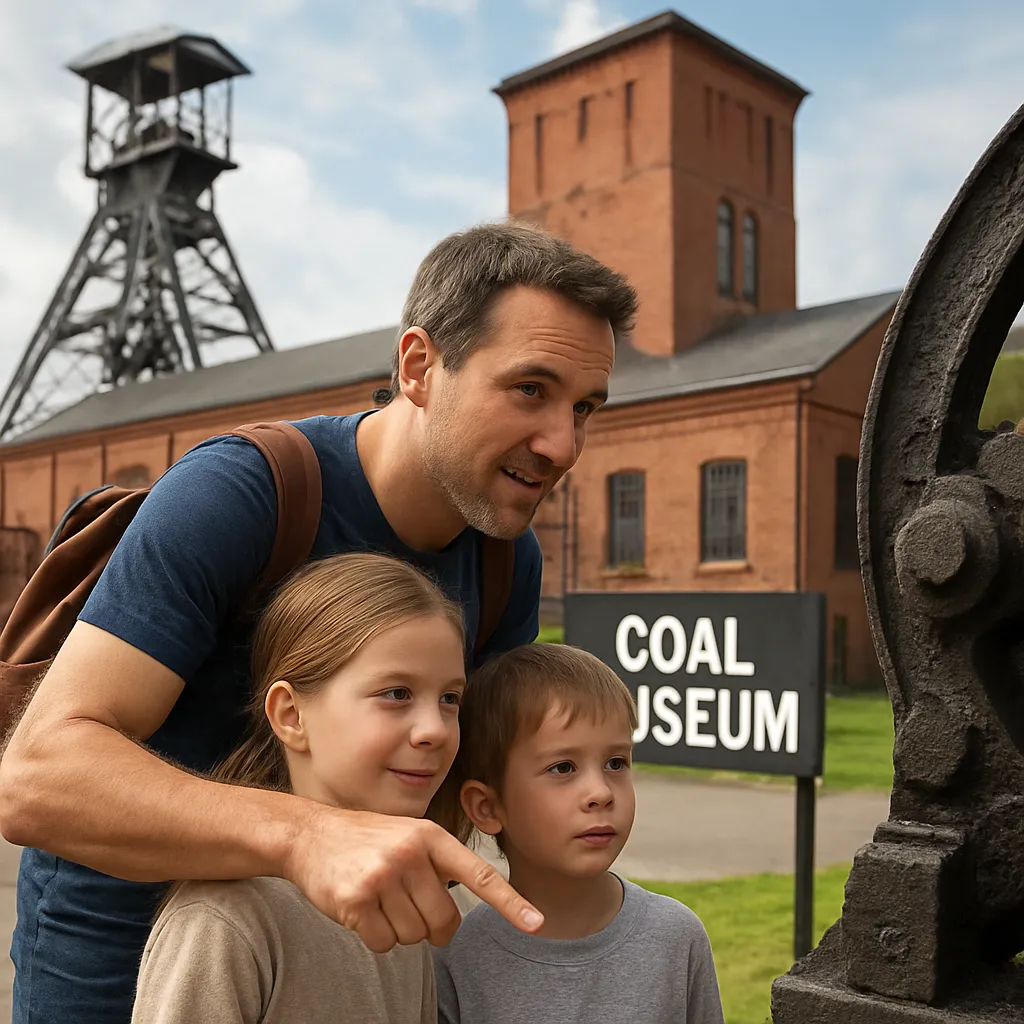
Relying on a single sector leaves communities vulnerable to commodity price swings. Many coal-dependent regions now pursue economic diversification strategies, nurturing small businesses, tourism, and agritech ventures. Historic mine tours, cultural festivals, and outdoor recreation opportunities promote entrepreneurship in hospitality and service sectors. Additionally, incubators and innovation hubs support startups in fields like robotics, bioscience, and digital media, expanding the local tax base while creating jobs with sustainable career trajectories.
Financial Aspects: Coal Stock and Capital Markets
Trends in Coal Stock Valuation
Companies listed on global exchanges have seen their coal-related equities underperform broader benchmarks. As institutional investors adopt Environmental, Social, and Governance (ESG) criteria, coal stock valuations have suffered. Shareholders demand transparency on climate risk and future profitability. Boards that fail to articulate credible sustainability paths face activist challenges or divestment campaigns, further depressing share prices.
Investor Sentiment and ESG Criteria
ESG-focused funds increasingly exclude or limit coal holdings. Ratings agencies highlight carbon intensity metrics, prompting fund managers to rebalance portfolios toward low-carbon enterprises. Bond markets, too, reflect this shift: green bonds and sustainability-linked debt instruments attract lower borrowing costs, rewarding issuers for meeting renewable targets. Coal companies, conversely, pay premiums to fund pollution-control upgrades, cutting into capital for growth or diversification.
Opportunities for Green Investment
The financial ecosystem has responded with myriad instruments supporting the energy transition. Public-private partnerships mobilize capital for large-scale solar, wind, and grid modernization projects. Regional development banks offer concessional loans to communities retooling their economies, incentivizing innovation in storage and smart infrastructure. Syndicated credit lines tie interest rates to emissions reductions, aligning lender and borrower priorities in the quest for lower carbon footprints.
Policy Frameworks and Community Engagement
Role of Government Incentives
Effective policy frameworks combine regulatory certainty with targeted subsidies. Production tax credits for wind and solar installations accelerate deployment, while low-interest loans underwrite workforce training. Governments at national and subnational levels can craft tailored packages—sometimes dubbed the Green New Deal approach—to ensure that no community is left behind. Such programs include wage guarantees, relocation assistance, and infrastructural upgrades in broadband and transportation.
Importance of Local Leadership
Successful economic reinvention hinges on the engagement of local stakeholders. Coal communities possess unique insights into regional assets and challenges. Leaders from municipal councils, labor unions, and civil society can co-design roadmaps that prioritize equitable outcomes. Town hall meetings, public forums, and stakeholder committees ensure transparency and build trust, minimizing resistance to change.
Measuring Success and Continuous Improvement
Transition plans benefit from clear metrics and ongoing evaluation. Tracking job creation in clean-tech sectors, shifts in household income, and pollution levels provides feedback loops for policymakers. Adaptive management allows course corrections—reallocating funds, scaling successful pilots, or phasing out underperforming initiatives. By embedding rigorous monitoring, regions can demonstrate value to funders and residents alike.
Looking Ahead
From Coal to a Resilient Future
The journey from a coal-centric economy to a diversified, sustainable model is neither quick nor simple. Yet numerous regions have proven that with strategic investment, collaborative governance, and bold innovation, resilient futures are within reach. By learning from early adopters and refining implementation, coal towns can emerge as pioneers of a new industrial era—one defined by cleaner energy, robust local enterprises, and shared prosperity.