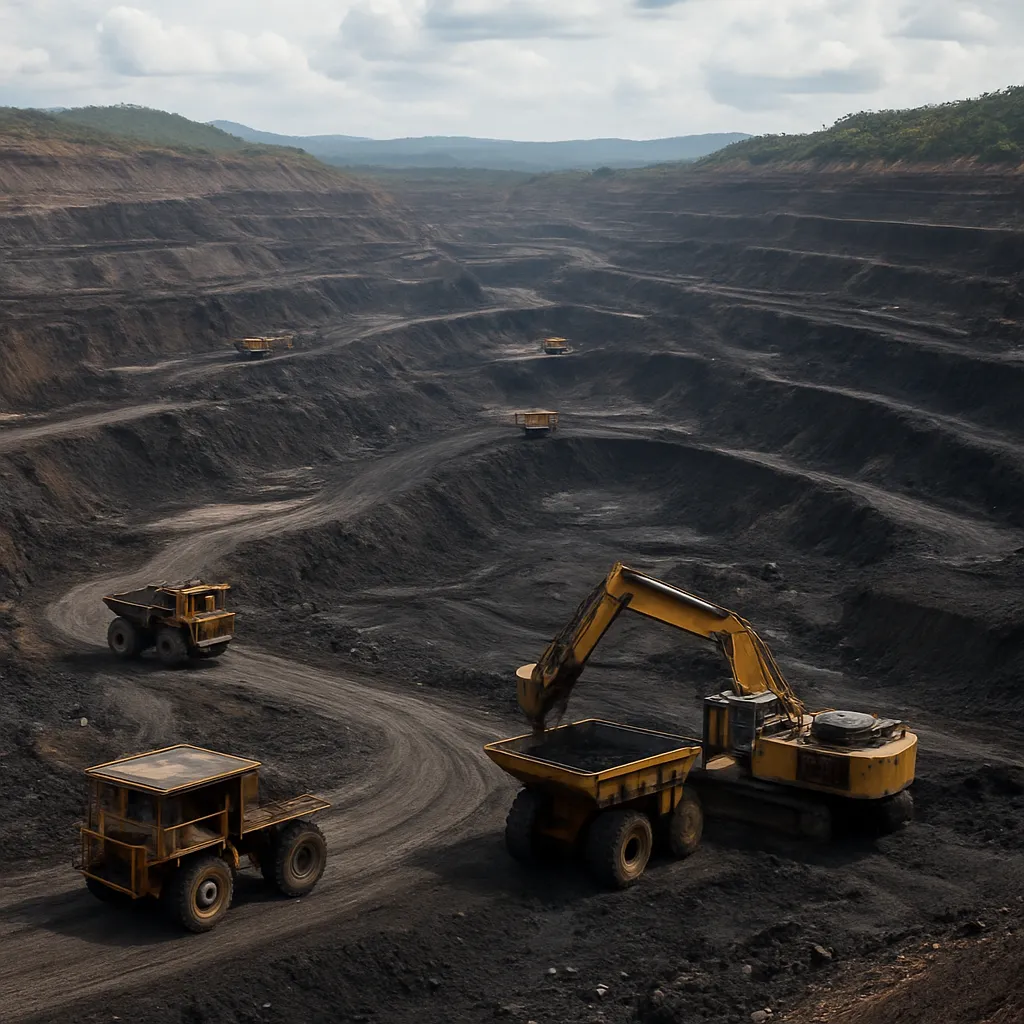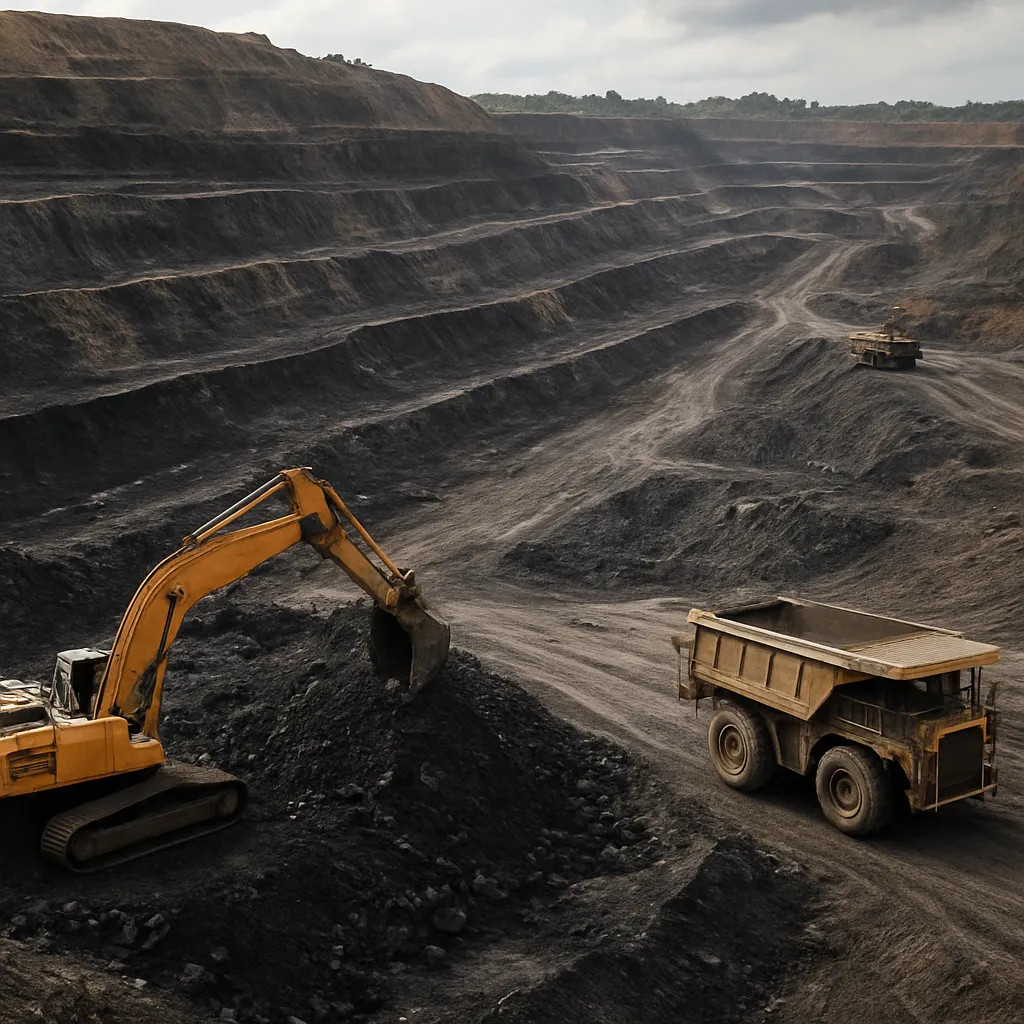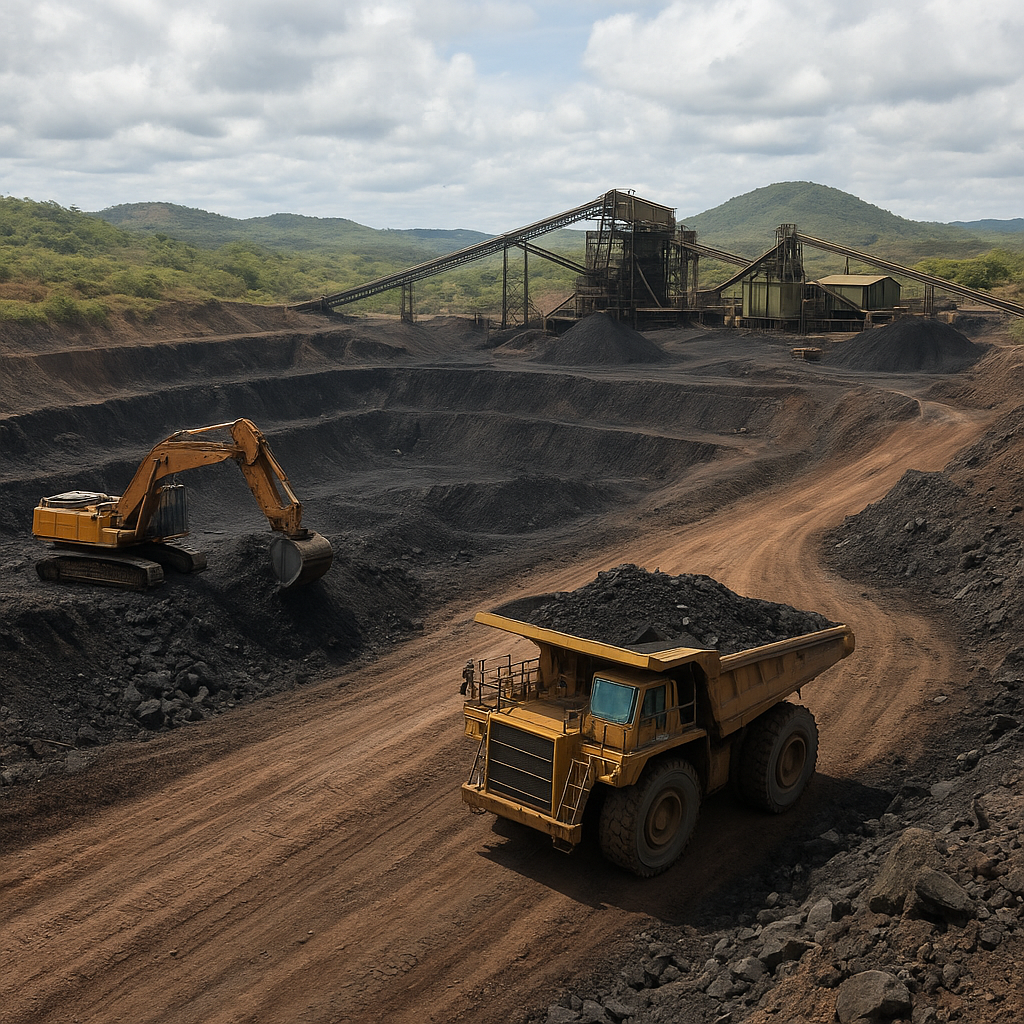
The Revuboé coal operations lie at the heart of Mozambique’s transformation into a significant coal-producing country. Located in the inland plains of Tete Province, the site forms part of the larger Moatize coal basin and has attracted international mining companies, major infrastructure projects and heated public debate. This article examines the Revuboé area from geological, economic, social and environmental perspectives, summarizing available data, presenting the significance of the deposit for Mozambique and international markets, and outlining challenges and prospects for the future.
Location and geological setting
The Revuboé area is situated in western Mozambique, within the administrative bounds of Tete Province. The deposit forms part of the broader Moatize coal basin, one of the most important coal-bearing regions in southern Africa. Geologically, the basin hosts multiple coal seams within the Karoo-related Permian strata, deposited in fluvial and lacustrine environments and later subjected to variable burial and coalification processes.
The coal types present in the Moatize basin, including Revuboé, range from thermal (steam) coals to higher-rank bituminous coals with potential for metallurgical use depending on seam composition and beneficiation. Different seams vary in thickness, continuity and quality; some are suitable primarily for power generation while others can be processed into higher-value coking coal products. The heterogeneity of seams means that mining plans typically combine selective extraction, washing and blending to meet market specifications.
From a regional perspective, the Revuboé deposit benefits from its proximity to other large concessions in the Tete coalfields, forming a cluster that has made the region a focal point of exploration and development. The geology and seam continuity have permitted both open-pit and potential underground extraction methods depending on location and overburden depth.
History, ownership and development
The modern history of coal development around Revuboé ties into a wave of international interest in Mozambique’s coal after large resources were identified in the late 20th and early 21st centuries. A range of international and regional companies have participated in exploration and development phases. Early exploration was followed by investments aimed at establishing export-oriented coal production to serve global markets, particularly in Asia.
Several foreign mining firms, including Australian explorers and later multinational miners, have been involved in advancing projects in the Moatize region. These investments catalyzed major logistics developments: rehabilitation and upgrading of railway corridors (notably the Sena railway to Beira and the newer Nacala Corridor), refurbishment or development of port facilities and construction of coal-handling and washing plants. The interplay between mine planning and transport infrastructure has been central to whether projects reached full production and commercial export levels.
Ownership structures have varied over time, often involving joint ventures, sales of exploration licenses and participation by state-owned or state-backed entities. Local and national governments negotiated fiscal terms, royalty frameworks and resettlement agreements alongside environmental licensing processes. The complexity of ownership and permits, combined with external economic cycles, has meant that timelines for ramp-up and sustained outputs have been subject to change.
Production, reserves and economic statistics
Precise figures for the Revuboé deposit itself depend on the reporting entity and the date of reporting. The larger Moatize basin is commonly cited in public sources as containing several billion tonnes of coal resources; estimates differ but the basin is broadly recognized as one of Africa’s most substantial coal endowments. Revuboé is among the primary deposits within this basin, with resource estimates reported in company disclosures and government summaries varying by classification (measured, indicated, inferred).
Production volumes from the broader Moatize projects have fluctuated over the past decade because of infrastructure constraints, financing cycles, temporary shutdowns and market conditions. At various stages, combined production from Moatize-area mines has been planned or reported in the range of several million tonnes per annum, once export corridors and port capacity were secured. However, actual annual outputs have sometimes been lower than initial targets due to bottlenecks in rail, port and logistics and disruptions caused by weather events and maintenance.
- Reserves and resources: public estimates for the Moatize region commonly run into the hundreds of millions to several billion tonnes of coal in total when combining multiple deposits; figures for Revuboé specifically are reported as substantial but vary by source.
- Export orientation: most production from the Tete coalfields has been intended for export, with destination markets historically focused on Asia (notably China, India, Japan and South Korea), where demand for thermal and metallurgical coal has been concentrated.
- Economic contribution: coal developments in Tete have generated export revenues, foreign direct investment and tax/royalty income for Mozambique. They have also stimulated secondary economic activity related to logistics, services and local supply chains.
Because figures change with time and new technical studies, anyone requiring precise up-to-date numbers (proved reserves, measured resources, current annual production) should consult the latest technical reports published by operating companies or official Mozambican government mining statistics.
Infrastructure, logistics and market access
Infrastructure has been decisive for Revuboé’s ability to generate exports and revenue. Two principal export corridors have figured prominently:
- The Sena railway to the port of Beira — historically used for coal shipments but vulnerable to flooding and required substantial rehabilitation to handle modern coal trains and volumes.
- The Nacala Corridor, developed with significant investment to provide a deep-water export route via the port of Nacala on the Indian Ocean, which reduces transit times and maritime constraints compared with some alternatives.
Complementary infrastructure investments have included coal-washing plants to improve product quality, load-out facilities, rail sidings, and port handling equipment. These investments are capital-intensive and sensitive to macroeconomic conditions; delays in delivery or damage from extreme weather events (flooding, cyclones) can interrupt flows and materially affect revenues.
On the demand side, Asian markets have been the primary buyers of Mozambican coal, with contract structures ranging from short-term spot sales to long-term offtake agreements. Price volatility in global thermal and metallurgical coal markets has influenced project economics and investment decisions throughout the region.
Economic and social impact
The exploitation of Revuboé and neighboring deposits has had several notable economic and social effects:
- Employment: Mining operations and construction phases have generated direct employment and indirect jobs in services, transport and supply chains. Skilled labor requirements have sometimes been met by expatriate personnel, prompting efforts to increase local capacity through training.
- Public revenues: Royalties, taxes and some forms of local compensation contribute to national and provincial budgets, supporting public spending on infrastructure and services when effectively managed.
- Local economic development: Improvements to roads, communications and some utilities associated with mining projects can have spillover benefits for local communities, enhancing market access and service delivery.
- Resettlement and land use: Mining footprint expansions have required land acquisition and resettlement of communities. These processes have been a source of tension when compensation, livelihood restoration and cultural impacts were perceived as inadequate.
Overall, the net socio-economic effect depends critically on governance: transparent revenue management, robust community engagement, credible resettlement programs, and meaningful local procurement and employment strategies.
Environmental considerations
Coal mining in the Revuboé area raises several environmental concerns common to large-scale open-pit operations:
- Water resources: Impact on surface and groundwater through dewatering, alteration of flow patterns and potential contamination from mining effluents and wash-plant discharges.
- Air quality: Dust generation from blasting, hauling and stockpiling can affect local air quality; coal combustion downstream also contributes to greenhouse gas emissions.
- Biodiversity and land disturbance: Large excavations, waste dumps and associated infrastructure fragment habitats and alter ecosystems.
- Climate implications: Exported coal, when burned for power or steelmaking, contributes to global CO2 emissions. This externality links local mining projects to international decarbonization debates and potential policy shifts in major consuming countries.
Mines in the region have been subject to environmental impact assessments, monitoring and permitting. Compliance with environmental standards — and the effectiveness of mitigation measures — remains a continuing focus for regulators, civil society and investors mindful of environmental, social and governance (ESG) risks.
Challenges, controversies and governance
Mining developments around Revuboé have faced multiple challenges:
- Infrastructure bottlenecks: Insufficient or damaged rail and port systems have limited export throughput and created volatility in realized revenues.
- Community tensions: Disputes over resettlement, compensation, access to land and livelihoods have led to protests and reputational risks for operators.
- Market volatility: Fluctuating coal prices and shifting demand patterns have influenced project viability and investment timetables.
- Environmental and climate scrutiny: International pressure to reduce coal financing and consumption affects long-term demand prospects and access to capital for coal projects.
- Institutional capacity: Effective oversight by national and provincial authorities is essential to ensure transparent contract terms, fair benefit sharing and enforcement of environmental and social commitments.
Addressing these challenges requires coordinated policies: clear fiscal regimes, strengthened audit and monitoring systems, inclusive community dialogues, and contingency planning for infrastructure resilience to extreme weather events.
Significance in the global coal industry
While not the world’s largest single coal producer, the Revuboé area contributes to the strategic coal supply pool that serves major industrial and power markets. The Moatize basin, as a whole, has been important for diversifying supply sources to Asia and for providing specific coal qualities that can substitute for other suppliers in times of tight markets.
Key industry-relevant aspects include:
- Product diversity: Ability to supply a mix of thermal and, in some sections, higher-rank coals that support both power generation and metallurgical needs.
- Logistics innovation: Investments in new export corridors (e.g., Nacala Corridor improvements) demonstrate how integrated logistics solutions can unlock inland resources economically.
- Investment signaling: Large projects in Revuboé have been a test case for how international capital can engage in African resource development under complex social and regulatory conditions.
Future outlook and strategic options
The future evolution of Revuboé mining activity depends on multiple interlinked drivers:
- Global demand dynamics: Continued demand for coal in Asia in the near to medium term would support higher export volumes; conversely, accelerated decarbonization and substitution could reduce long-term demand and pressure producers to find alternative value chains.
- Local beneficiation: Opportunities exist to increase local value capture through coal-to-power projects, coal beneficiation, or development of downstream industries, though these require large-scale capital and secure domestic policy frameworks.
- Infrastructure resilience: Continued investment in reliable rail and port capacity — and climate-resilient design — is essential to realize production potential and attract further investment.
- ESG alignment: Projects that demonstrate strong environmental performance, community engagement and transparent governance will be more likely to access international finance and stable markets.
Possible strategic options for stakeholders include diversifying export markets, pursuing higher-value product lines through washing and blending, improving local content in procurement and workforce development, and investing in long-term community development projects to strengthen social license to operate.
Notable additional observations
Several contextual items add nuance to Revuboé’s role in Mozambique:
- Macro impact versus local outcomes: While coal exports can deliver significant foreign exchange and macroeconomic benefits, localized social and environmental outcomes are critical for sustainable development.
- Interlinkages with regional corridors: The success of inland mines is intimately tied to regional transport networks that also serve agriculture, manufacturing and trade — meaning mining investments can produce broader economic spillovers if well managed.
- Community and civil society engagement: Independent monitoring, participatory resettlement planning and benefit-sharing mechanisms have been shown in other contexts to reduce conflict and enhance project longevity.
In sum, the Revuboé area stands as a significant coal district within Mozambique’s Tete Province and the wider Moatize basin. Its geological potential, proximity to export corridors and historical investments by international firms have positioned it as an important mining locale. However, realizing and sustaining that potential depends on reliable infrastructure, transparent governance, sensitive social policies and adaptation to changing global energy markets. The interplay of these factors will determine the ultimate scale of the Revuboé contribution to Mozambique’s economy and to international coal supplies.