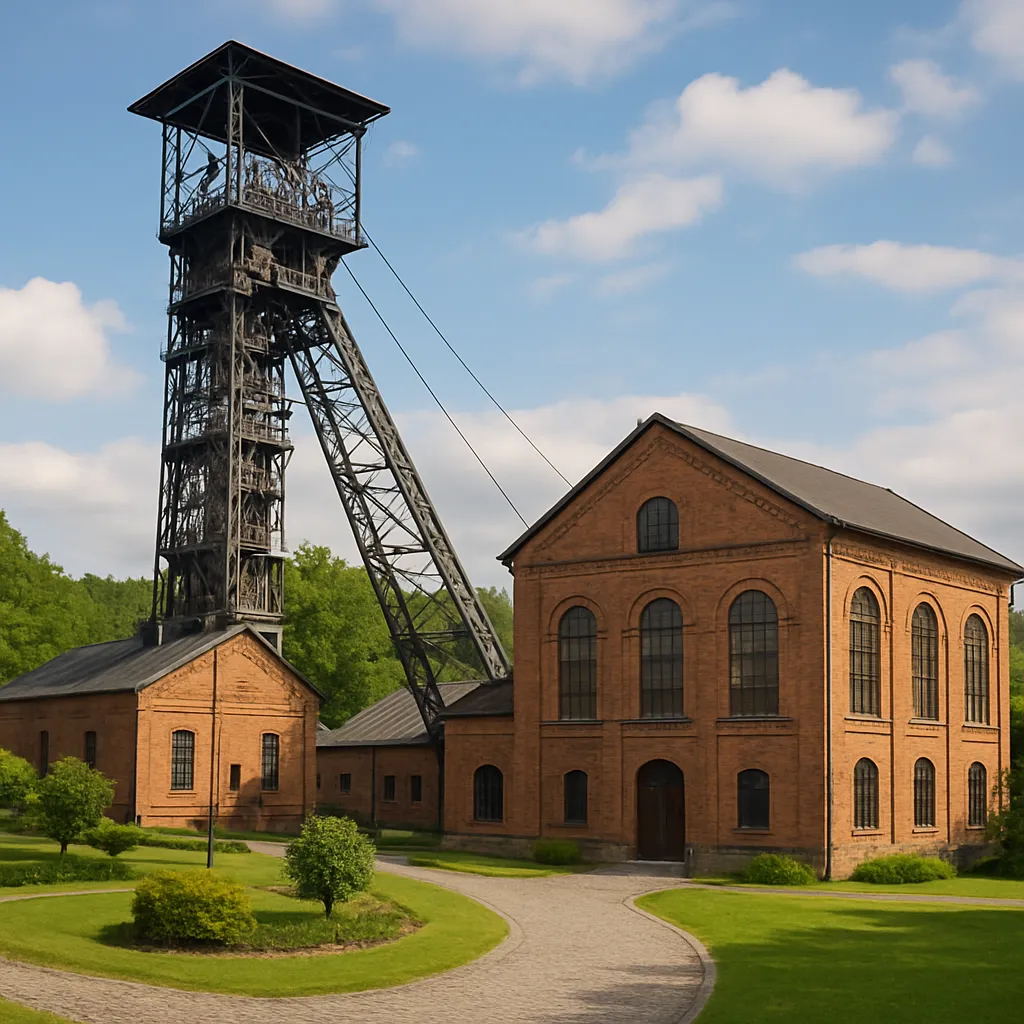
The closure of aging coal-fired power stations has set off a wave of transformation across regions once heavily dependent on this traditional fuel. As we examine the shifting landscape of energy production, it becomes clear that the fate of local communities, labor markets, and financial portfolios is intertwined with decisions about coal and its future role. This article explores the multifaceted dimensions of coal usage, the ripple effects of plant retirements, and the evolving dynamics of coal stock investment in an era of rapid transition.
Historical Significance and Modern Legacy of Coal
Coal has powered the engines of industrialization since the 18th century, fueling steam engines, steel production, and electricity grids worldwide. This abundant resource drove economic expansion in regions endowed with rich mineral deposits, creating entire towns and industries around mining activities. Over decades, coal became synonymous with reliable baseload electricity, supporting urban growth and manufacturing hubs.
Early Industrial Growth
- The rise of the steam engine, propelled by high-grade anthracite and bituminous coal.
- Development of rail networks to transport coal from remote reserves to urban centers.
- Formation of mining companies and labor unions shaping early labor rights movements.
The 20th-Century Energy Paradigm
By the mid-20th century, large-scale coal-fired power plants dominated energy portfolios in many nations. They offered a measure of profitability through economies of scale and long-term supply contracts. However, environmental concerns about emissions of sulfur dioxide, nitrogen oxides, and particulates began to challenge coal’s position as the cornerstone of power generation.
Economic Impact of Coal Plant Closures
As governments and utilities retire coal units to meet sustainability targets, the immediate effects reverberate through local economies. Jobs tied directly to plant operations and coal mining dwindle, affecting household incomes and municipal budgets.
Job Losses and Workforce Challenges
- Reduction in coal mining employment leads to higher local unemployment rates.
- Retraining programs become essential for workers to transition into renewable energy or other industries.
- Labor mobility issues arise when alternative employment opportunities are sparse in rural areas.
Municipal Revenue and Infrastructure
Coal plants often contribute significant tax revenues to counties and towns. Closure results in:
- Shrinking property and sales tax bases, leading to budget shortfalls.
- Deferred maintenance on roads and public facilities originally funded by plant taxes.
- Pressure on social services as displaced workers seek unemployment benefits and retraining assistance.
Coal Stocks and Market Dynamics
Investors tracking coal-related equities face a complex environment marked by regulatory changes, commodity price volatility, and shifting demand patterns. Coal stock performance diverges based on company diversification, debt levels, and exposure to export markets.
Key Drivers of Coal Stock Valuation
- Global coal prices influenced by demand from emerging economies versus supply from major exporters like Australia and Indonesia.
- Regulatory risks, including carbon pricing and emissions standards in developed markets.
- Corporate balance sheets: firms with heavy leverage may struggle in prolonged downturns.
Portfolio Strategies
Financial managers may adopt various approaches when handling coal-centric assets:
- Diversification into natural gas or renewable energy stocks to hedge regulatory risk.
- Selective acquisition of distressed coal companies at discounted valuations, betting on cyclical rebound.
- Divestment from high-emission profiles to align with Environmental, Social, and Governance (ESG) mandates.
Community Transition and Long-Term Resilience
Forward-thinking regions recognize that managing the shift away from coal presents opportunities to rebuild more resilient local economies. Investments in clean energy, retraining, and infrastructure can mitigate adverse effects.
Renewable Energy Projects
- Wind and solar farms utilizing former mine lands or adjacent properties.
- Distributed energy systems to provide reliable power and local job creation.
- Energy storage installations to smooth intermittency and bolster grid resilience.
Skills Development and Education
- Vocational programs focusing on technical skills for solar panel installation and turbine maintenance.
- Partnerships with community colleges to tailor curricula to emerging energy sectors.
- Apprenticeships linking displaced coal workers with manufacturers of clean energy equipment.
Economic Diversification
- Encouraging small business growth in technology, logistics, or tourism.
- Investing in broadband infrastructure to attract remote work and digital enterprises.
- Supporting agri-tech initiatives on post-mining lands to foster sustainable agriculture.
Through proactive planning and investment, communities can transform the closure of coal plants from a moment of economic contraction into a catalyst for sustainable growth. Balancing the historical reliance on coal with the demands of a low-carbon future requires collaboration among policymakers, businesses, and residents to ensure a just and prosperous transition.