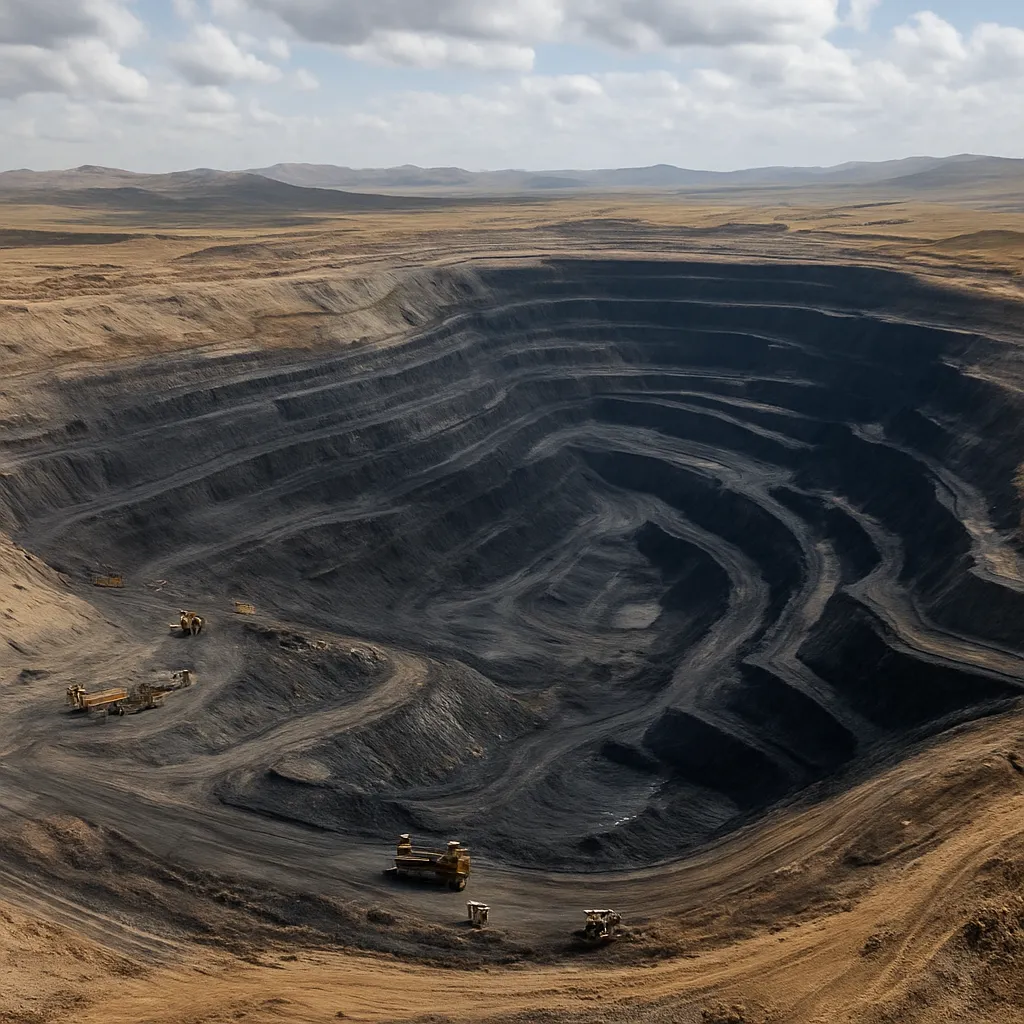
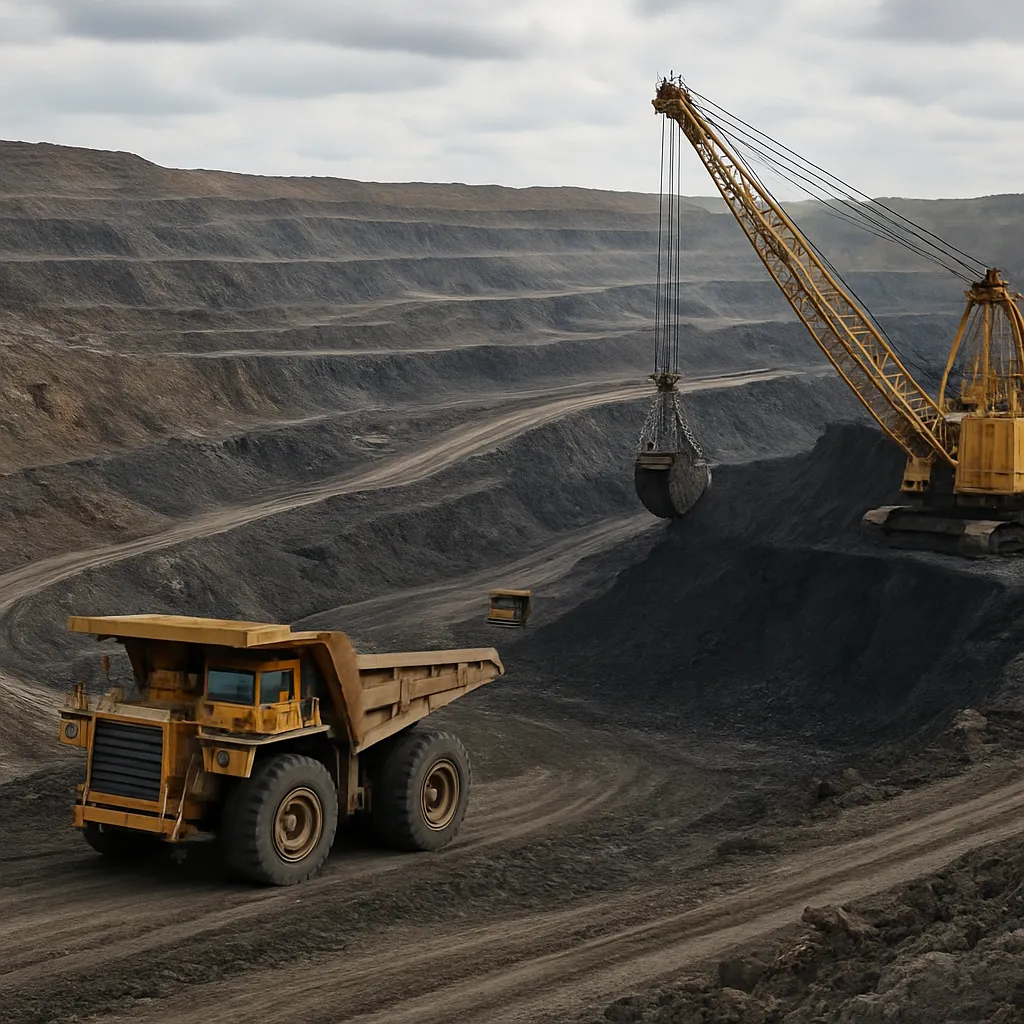
This article provides a comprehensive overview of the Kestrel Coal Mine in Australia, covering its location, geology, mining methods, production characteristics, economic and industrial significance, and environmental and community aspects. The aim is to present a clear picture of what the mine produces, how it operates, and why it matters to the regional and global coal and steel industries. Where specific statistical figures are cited, they are presented as approximate values based on publicly available reports and industry summaries.
Location, geology and coal quality
The Kestrel Coal Mine is located in Central Queensland within the Bowen Basin, a major Australian coal producing province known for high-quality seams formed in the Permian geology. The mine lies inland from the Queensland coast in a region that hosts many other large-scale coal operations, with logistics links to coastal export terminals. The deposits mined at Kestrel occur in a sequence of sedimentary formations that typically host bituminous rank coals suitable for metallurgical and thermal markets.
Geologically, Kestrel exploits relatively deep, laterally extensive coal seams. These seams are part of a stratigraphic package that commonly yields coals used for steelmaking products — in particular coking coal and blends used in pulverised coal injection (PCI). The coal quality from the Kestrel area is known for combining suitable volatile matter, fixed carbon and ash characteristics that allow it to be blended into metallurgical mixes. Coal from the Bowen Basin, including Kestrel, is typically characterised by:
- Good coke strength and plasticity parameters, meaning suitability for metallurgical use;
- Variable sulphur and ash content depending on seam and wash plant performance;
- Rank within the bituminous/hard coking coal band, making it valuable to steel mills in Asia and other export markets.
Because coal quality can vary across seams and mining panels, Kestrel uses on-site coal quality measurement and coal handling preparation to maintain product specifications for key customers.
Mining operations and methods
Kestrel is primarily an underground operation, employing mechanised methods typical for deep coal mines in the Bowen Basin. The mine design and operational approach focus on efficient extraction while managing ground support and ventilation in longwall faces. The longwall method is the dominant extraction technique in many Bowen Basin underground mines and generally involves the use of:
- Longwall panels where a shearer cuts coal from the face;
- Hydraulic roof supports that advance with the face and allow controlled collapse of the overlying strata behind the face;
- Conveyor systems and shuttle cars to move coal from the face to the surface;
- Ventilation systems to manage methane and airborne dust, and pumping systems to control water ingress where required.
The mine’s metallurgical focus requires tight quality control in the coal handling and preparation plant (CHPP) to meet the needs of steelmakers. Preparatory processing typically includes coarse and fine separation circuits, dense medium separation where applicable, and blending stockpiles to assemble consistent export products.
Production profile and logistics
Over its operational life, Kestrel has produced coal destined for both domestic and international markets. The primary product profile is oriented towards coking coal and higher-value metallurgical grades, with some flexibility to supply thermal markets if required. Historically, production volumes at Kestrel have been in the mid-range for underground Bowen Basin mines — that is, on the order of a few million tonnes per year. Reported annual production has tended to vary depending on mining plans, longwall sequencing, market demand and any interruptions due to maintenance, geological conditions or broader market cycles.
Logistics from Kestrel involve trucking and rail connections to major coastal export terminals. In Central Queensland, the principal export corridors lead to ports near Mackay and the wider Central Queensland coast, which serve as gateways to the Asian steel and energy markets. Effective rail scheduling, coal loading, and port capacity are critical to the mine’s ability to meet contractual volumes and maintain competitive freight costs.
Economic and industrial significance
The Kestrel Coal Mine contributes in several ways to the regional and national economy:
- Employment: The mine directly employs a workforce comprising miners, engineers, technicians, and support personnel. At peak operational intensity, employment levels for a mine of Kestrel’s profile are typically in the hundreds to low thousands directly, with broader indirect employment across contractors, suppliers and service industries.
- Exports: As a producer of metallurgical coal, Kestrel has played a role in Australia’s export earnings from coal. Metallurgical coal commands higher prices than many thermal coals because it is a critical input into steelmaking.
- Government revenue: Royalties and taxes on coal mining form an important revenue stream for state and federal governments. Queensland receives royalties based on coal sales, and profits from mining contribute to corporate taxes and payroll taxes that support regional infrastructure and public services.
- Downstream industry: Kestrel’s metallurgical coal supply supports steel mills and manufacturers globally, particularly in East Asia. This linkage underscores the mine’s role in the international supply chain for construction, automotive and heavy industry.
The broader economic footprint includes contractor spend, local procurement of goods and services, and community investment programs such as local infrastructure, education and health initiatives. The economic multiplier effect of mining in regional Queensland has historically been significant, supporting local retail, housing and transport sectors.
Statistical overview and notable figures
Accurate and up-to-date statistics for any individual mine can vary by year depending on production plans, reserve upgrades, and corporate reporting. The figures below should therefore be treated as indicative ranges rather than precise, current values. Publicly available summaries for mines like Kestrel typically report on production (annual tonnes), workforce size, reserves and resources (tonnes), and product specifications (e.g., ash, volatile matter, sulfur, and calorific value). Key points include:
- Annual production: Historically in the order of several million tonnes per annum (commonly observed ranges are in the low single-digit millions of tonnes each year for underground Bowen Basin operations of similar scale).
- Reserves and resources: Publicly reported mine reserves and resources for operations in the Bowen Basin often fall within tens to low hundreds of millions of tonnes. Exact numbers fluctuate with exploration, economic cut-off assumptions and mining depletion over time.
- Product quality: Kestrel’s metallurgical coal typically meets specifications required by steelmakers — including coking properties and acceptable ash/sulfur ranges after washing/blending.
- Workforce: Direct employment during full operations is typically several hundred to around a thousand people, with significant numbers of contractors and indirect workers in the supply chain and service sectors.
Because ownership structure, annual production and reserve reporting are updated periodically by operating companies, anyone requiring precise, time-stamped figures should check the latest annual reports, quarterly operational updates or regulatory filings issued by the mine’s operators or joint venture partners.
Role in the global steel supply chain
Metallurgical coal from Australian mines like Kestrel is a critical feedstock for blast furnace operations and direct injection processes in steelmaking. The mine’s coal helps meet:
- Demand for coking coal to produce coke, which is essential for traditional blast furnace routes;
- Supply for PCI systems where pulverised coal is used to lower coke consumption and enhance furnace performance;
- Stable, contract-driven flows into major steel-producing countries, supporting long-term commercial relationships between miners and steelmakers.
The strategic importance of Kestrel-type mines lies not only in their production capacity but also in their ability to provide consistent quality and reliable shipment schedules — factors that steelmakers value highly in volatile commodity markets.
Environmental management and safety
Underground coal mining presents specific environmental and safety challenges. Management at Kestrel addresses these through a combination of engineering controls, monitoring and community engagement. Key areas of focus include:
- Mine safety: Robust ventilation systems, gas monitoring, ground control practices and fatigue-management for workers are central safety measures.
- Water management: Control and treatment of mine water, the prevention of uncontrolled discharge, and management of water usage are standard regulatory responsibilities.
- Rehabilitation: Post-mining land rehabilitation plans are required under Queensland law. For underground mines, rehabilitation often focuses on surface disturbance areas such as portals, infrastructure sites and waste emplacement areas.
- Emissions and dust control: Fugitive dust suppression, controlled coal handling, and equipment emissions controls are implemented to limit local air quality impacts.
- Biodiversity and cultural heritage: Environmental impact assessments and cultural heritage surveys guide operations to avoid or mitigate impacts on native vegetation and culturally significant sites.
Continuous improvement in environmental performance and community reporting are common expectations from regulators and stakeholders, and operators invest in new technologies to reduce footprint and improve monitoring transparency.
Community relations and regional impacts
Kestrel’s operations are situated within communities that are directly affected by mine activity. The mine typically engages in a suite of community relations activities:
- Local employment and apprenticeship programs to build regional skills;
- Community investment such as local infrastructure upgrades, sponsorships of cultural and sporting groups, and educational initiatives;
- Ongoing dialogue with local governments, landholders and Traditional Owners to address concerns and opportunities;
- Contracting local suppliers and promoting business development in regional hubs.
Balancing operational demands with community expectations requires ongoing consultation and a commitment to shared value outcomes. The presence of a long-life mine can also present challenges, including housing pressure in boom periods and the need for economic diversification as resources are mined out over decades.
Operational challenges and future outlook
Like other mines operating in the Bowen Basin, Kestrel faces cyclical commodity price exposure, technical and geological risks, and evolving regulatory and social license requirements. Key factors that influence the mine’s future include:
- Global demand for steel and metallurgical coal prices — these determine the economic viability of production rates and expansion projects;
- Reserve replacement through exploration — sustaining production over decades requires ongoing exploration and investment;
- Technological improvements — mechanisation, automation and digital monitoring can drive efficiency and safety gains;
- Environmental policy and market shifts toward lower-emission steelmaking — these may change the profile and demand for certain coal products over the long term.
In the medium term, mines like Kestrel that supply metallurgical coal are expected to remain relevant due to limited immediate substitutes for coking coal in many steelmaking routes. However, the sector is likely to adapt to pressures to lower emissions through improved efficiency, abatement technologies, and by participating in emerging low-carbon steelmaking value chains where practical.
Additional interesting facts and historical notes
Several features make Kestrel and similar Bowen Basin operations noteworthy:
- Engineering complexity: Underground longwall mining at depth requires sophisticated ground control, roof support and ventilation engineering.
- Supply chain integration: Integration with national rail and port infrastructure is essential to competitive export performance.
- Adaptive management: Mines often undergo expansions, mine-life extensions and technology upgrades that reshape operational footprints over time.
- Competitive export markets: Customers in Japan, Korea, China, India and other Asian countries historically have been major purchasers of Australian metallurgical coal, driving strong international linkages.
Kestrel has, over time, been part of waves of investment and divestment that characterise the mining sector — where joint ventures, corporate restructures and capital cycles determine ownership and investment flows. These commercial dynamics influence decisions on capital expenditure, mine life planning and community commitments.
Concluding perspective
The Kestrel Coal Mine exemplifies a central Queensland underground coal operation producing valuable metallurgical-grade coal that supports steelmaking worldwide. Its significance spans economic contributions to regional communities, export earnings for Australia, and a strategic role within the global metallurgical coal supply chain. Operationally, the mine demonstrates the application of mechanised longwall mining technology, coal preparation and logistics coordination needed to deliver product to international markets. While statistical details such as exact annual production, reserve quantities and ownership can change with time, the broader importance of Kestrel-style mines to the mining landscape of the Bowen Basin and to Australia’s coal export industry remains clear.
Note: For the most recent, exact figures on production, reserves, ownership and workforce, consult the latest public filings, regulatory disclosures or company reports related to the Kestrel operation.