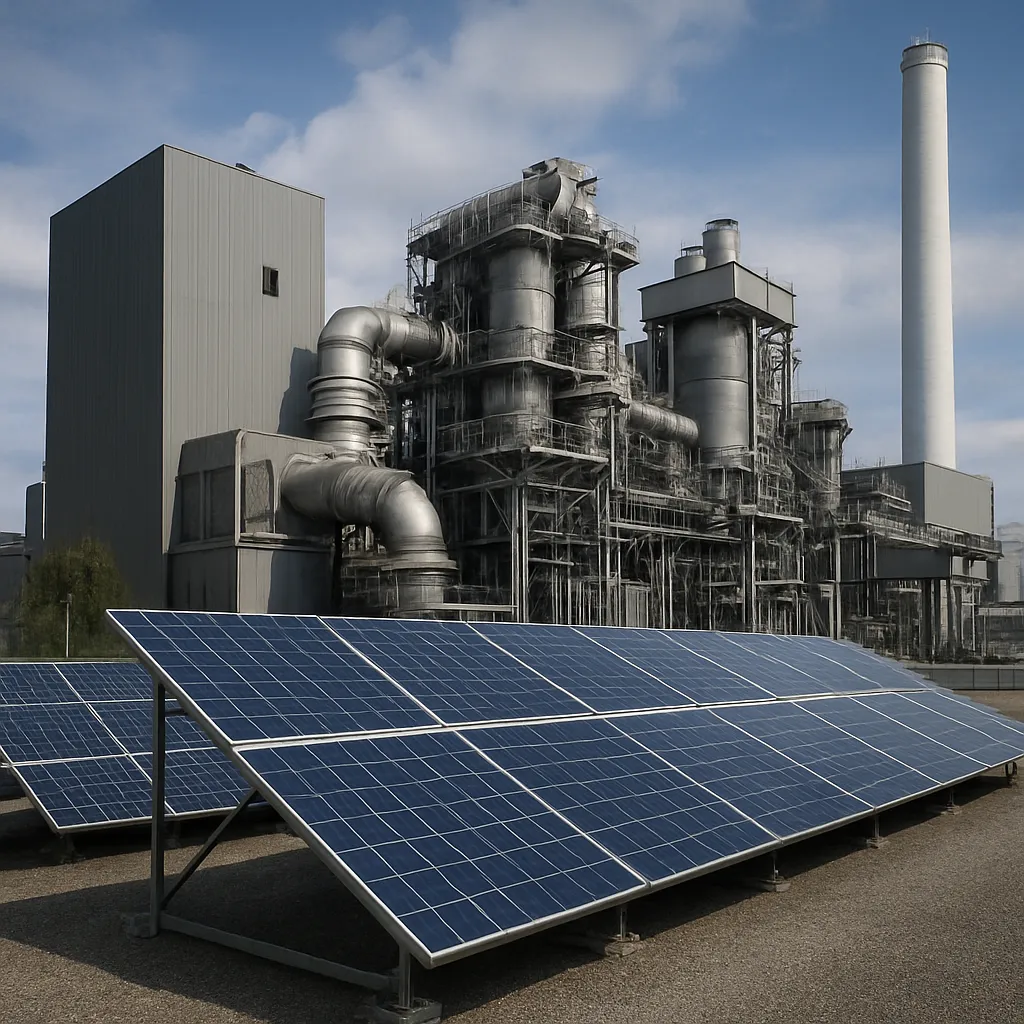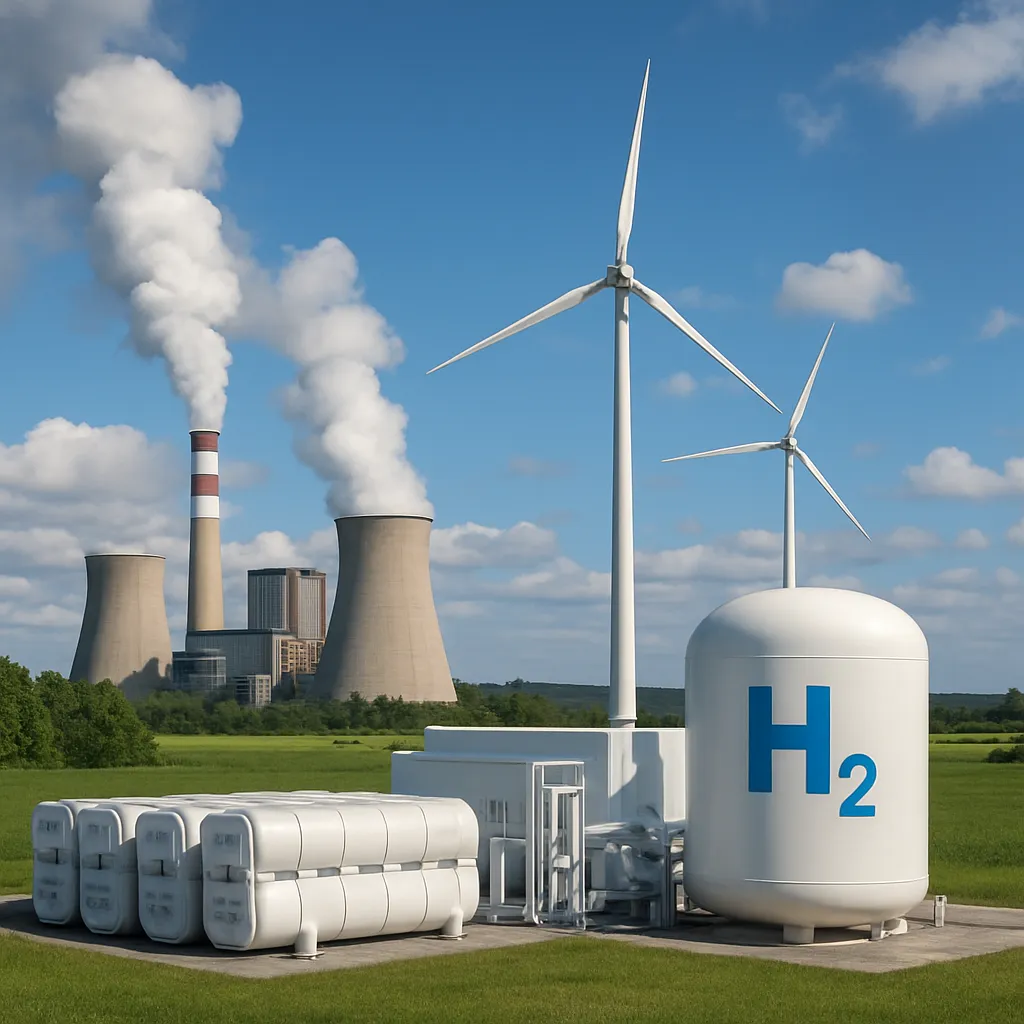
The energy sector is undergoing a profound transformation as global priorities shift toward cleaner and more sustainable solutions. Coal, once the cornerstone of industrial growth, now faces intense scrutiny for its environmental footprint. At the same time, investors and stakeholders remain keenly interested in the performance of coal stocks, even as the world seeks to balance economic demands with climate goals. This article explores the historical significance of coal, evaluates the dynamics of coal stock markets, and examines the emerging roles for workers and communities navigating the transition to a green economy.
Historical Roots and Industrial Impact
Coal’s story stretches back centuries, fueling the Industrial Revolution and powering factories, locomotives, and power plants. Its abundance and high energy density made it the fuel of choice for rapid industrialization. In many regions, entire towns and regions grew around coal mines, with generations of families relying on mining jobs as a primary source of income.
Rise of Coal in the 19th and 20th Centuries
During the 1800s, innovations in steam engines and metallurgical processes cemented coal’s role as an indispensable resource. By the mid-20th century, coal-fired power stations provided the backbone for national grids, giving governments and businesses a reliable, if carbon-intensive, source of electricity.
- Infrastructure development: Railways, ports, and industrial centers expanded around coal transport routes.
- Economic growth: Manufacturing hubs flourished, boosting employment and urbanization.
- Social fabric: Mining communities created distinct cultures and traditions tied to the mines.
Coal Stock Market Dynamics
Investors have long tracked coal stocks to gain exposure to an industry that blends stable demand with significant environmental risk. Publicly listed coal companies range from small regional miners to global energy giants. Their share prices and dividends often reflect a complex interplay of supply constraints, regulatory changes, and shifting consumer preferences.
Key Drivers of Coal Stock Performance
- Regulatory environment: Emissions standards and carbon pricing can dramatically affect profitability.
- Fuel competition: Natural gas, renewables, and nuclear power offer alternative energy sources that challenge coal’s market share.
- Global demand shifts: Emerging economies may continue to rely on coal for baseload power, while developed nations increasingly adopt cleaner technologies.
For many investors, coal stock volatility represents both risk and opportunity. Periods of tightening supply due to mine closures or logistical issues can drive prices higher. Conversely, new environmental regulations or surges in renewable capacity typically depress coal equities.
Transitioning to a Green Economy
The concept of a sustainable energy transition involves reducing greenhouse gas emissions, increasing energy efficiency, and developing renewable sources like solar, wind, and hydropower. Governments, corporations, and communities are now designing policies and projects that support this transition while mitigating economic disruption for coal-reliant regions.
Policies Promoting Clean Energy
- Carbon pricing mechanisms (carbon taxes, cap-and-trade systems).
- Subsidies and incentives for renewable energy development.
- Investment in energy storage and grid modernization.
Multilateral institutions and private investors are channeling billions into innovation and large-scale renewable deployments. Yet, the pace of transition varies widely across regions, depending on resource availability, economic structures, and political will.
Challenges and Opportunities for the Workforce
Millions of workers worldwide depend on coal mining and coal-fired power plants for their livelihoods. As demand for coal declines, communities face the difficult choice between preserving existing jobs and pursuing new opportunities in clean energy sectors.
Retraining and Skill Development
One of the most critical pathways forward involves comprehensive retraining programs. Former miners possess technical skills and rigorous work ethics that can be redirected toward emerging industries such as wind turbine maintenance, solar panel installation, and grid management. Public-private partnerships are emerging to fund training centers and apprenticeship programs in regions hardest hit by coal plant closures.
- Technical education: Courses in renewable energy systems, electrical engineering, and robotics.
- Soft skills: Project management, health and safety compliance, and digital literacy.
- Support services: Career counseling, relocation assistance, and small business grants.
Market Diversification and Investment Strategies
Coal companies themselves are exploring diversification to stay relevant. Some are investing in carbon capture and storage (CCS) technologies to reduce emissions from existing plants. Others are venturing into renewable projects, repurposing mine lands for solar farms or establishing supply chains for biomass fuels.
Case Studies in Corporate Transition
Several large coal producers have set ambitious targets for reducing their carbon footprints. By allocating capital toward renewable projects and low-emission technologies, they aim to hedge risks and attract environmentally conscious investors. While not all ventures succeed, successful pivots demonstrate that legacy energy firms can evolve without sacrificing financial performance.
Local Economies and Community Resilience
In coal-dependent regions, the decline of mining can lead to economic contraction and social challenges. Revitalization efforts often require coordinated action among local governments, businesses, and civil society. Strategies include:
- Economic diversification: Attracting industries such as advanced manufacturing, tourism, and agro-processing.
- Infrastructure upgrades: Improving transportation, broadband, and public services.
- Environmental remediation: Reclaiming mine sites for parks, wildlife habitats, or commercial use.
By embracing a multifaceted approach, communities can foster resilience and create new pathways for prosperity that are less dependent on finite fossil fuel resources.
Future Outlook and Strategic Insights
The trajectory of coal jobs and stocks will be shaped by the balance between climate imperatives and energy security concerns. As technology advances and policy frameworks tighten, coal’s prominence is likely to diminish, but not disappear overnight. In many markets, coal will remain part of the energy mix for decades, especially where alternatives face logistical or cost barriers.
For investors, the critical questions concern timing and risk management: when to divest from coal assets, when to pursue companies with robust transition plans, and which adjacent sectors offer the best growth potential. For workers and communities, the focus must be on proactive skill building, community engagement, and forging partnerships that align economic development with environmental stewardship.