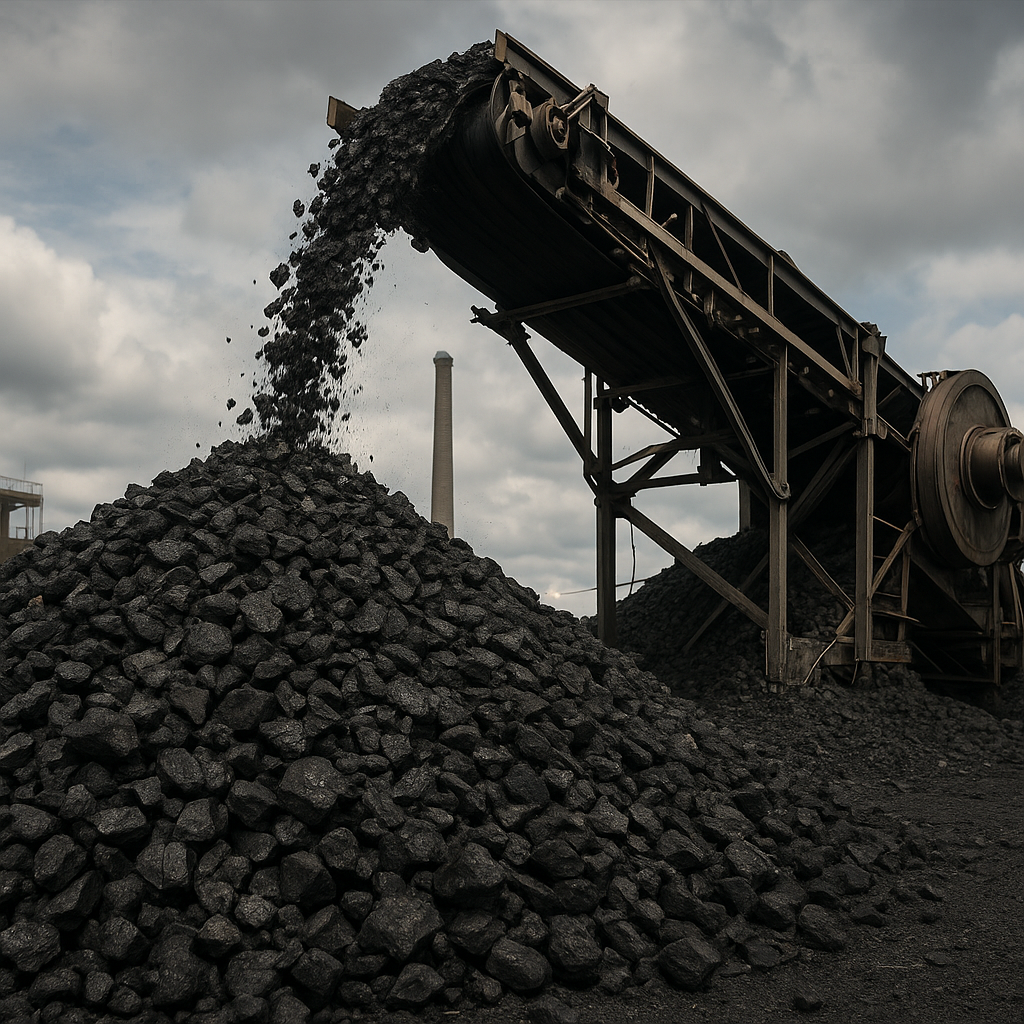
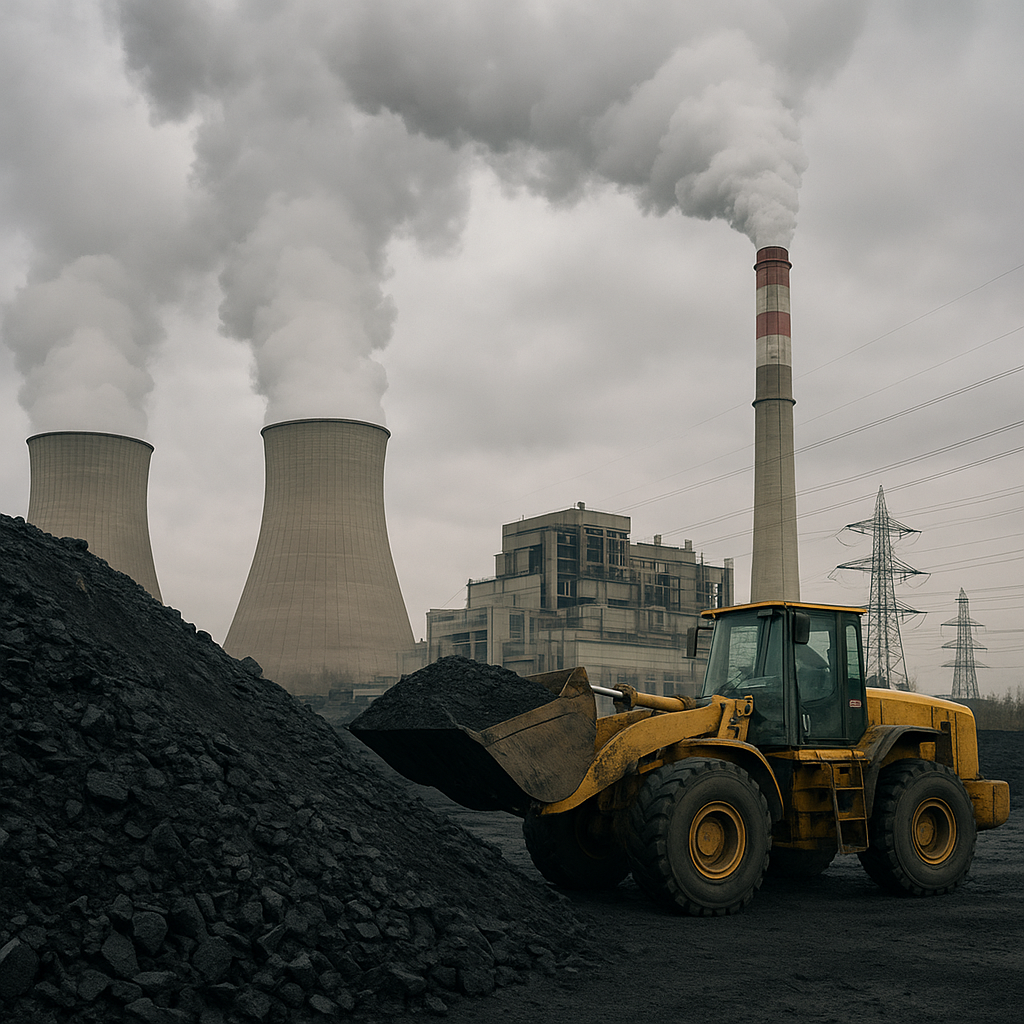
The global discourse on coal has intensified as nations grapple with balancing economic growth and environmental stewardship. While many countries aspire to phase out carbon-intensive fuels, coal remains entrenched in the energy portfolios of diverse economies. This article explores why coal endures in the modern energy landscape, examines the dynamics of coal stock markets, and assesses the obstacles and potential pathways toward a low-carbon transition.
The Enduring Role of Coal in the Global Energy Mix
Coal’s appeal stems from its abundance, reliability, and affordability. Despite the surge in renewables, an estimated 35 percent of world electricity still comes from coal-fired power plants. In regions with vast reserves and limited alternatives, such as parts of Asia and Eastern Europe, coal plays a pivotal role in maintaining energy security and industrial output.
Resource Abundance and Cost Competitiveness
- Many developing nations possess extensive coal deposits, reducing dependence on fuel imports.
- Advancements in mining technology have driven down production costs, reinforcing coal’s position as a low-cost energy source.
- Power plants built decades ago often amortize capital costs over long horizons, making existing coal infrastructure economically attractive.
Socioeconomic Factors
In coal-dependent regions, entire communities rely on mining for jobs and local revenue. Governments face political and social pressures to preserve these industries, which can inhibit swift policy shifts. Any abrupt move away from coal risks significant unemployment and potential unrest unless accompanied by comprehensive retraining and social support programs.
Financial Dynamics of Coal Stocks and Markets
The investment landscape for coal-related equities has become increasingly volatile. Institutional investors, including pension funds and sovereign wealth vehicles, reassess their exposure due to rising environmental, social, and governance (ESG) concerns. Meanwhile, market fundamentals—demand forecasts, price volatility, and regulatory risk—continue shaping coal stock performance.
ESG Pressures and Divestment Trends
Leading financial institutions have begun divesting from high-emission sectors, spurred by shareholder activism and regulatory frameworks such as the EU’s taxonomy for sustainable investment. Coal companies face pressure to disclose carbon footprints and outline strategies for cleaner operations. Failure to meet these expectations can lead to credit downgrades and rising borrowing costs.
Pricing Volatility and Demand Cycles
- Global demand for thermal coal fluctuates with economic cycles, particularly in manufacturing-heavy economies.
- Supply disruptions—strikes, weather-related events, or export restrictions—can cause sharp price spikes.
- Conversely, oversupply periods in major producing countries exert downward pressure on coal prices, squeezing profit margins.
Investor Strategies and Risk Management
Portfolio managers employ hedging instruments, such as futures and options, to mitigate price risks. Some also engage in selective exposure, favoring companies that invest in carbon capture technologies or co-fire biomass with coal. This approach aims to capture potential upside while limiting exposure to stranded asset risks if stricter regulations emerge.
Barriers and Pathways to a Sustainable Energy Transition
Transitioning away from coal presents a complex matrix of technical, economic, and social challenges. While the global imperative to curb emissions is clear, practical solutions must account for infrastructure realities and local contexts.
Infrastructure Legacy
- Decades of investment in coal-fired generation have created extensive transmission networks and specialized supply chains.
- Repurposing or decommissioning these assets incurs significant costs, which can deter utilities and governments from rapid coal phase-out.
- Grid flexibility is required to integrate variable renewable sources, demanding upgrades to transmission lines and energy storage capacity.
Financial and Policy Instruments
Effective transition strategies rely on a mix of market-based mechanisms and targeted support:
- Carbon pricing—through taxes or emissions trading systems—can internalize the environmental costs of coal.
- Subsidies and incentives for clean technologies, including solar, wind, and advanced nuclear designs.
- Just Transition Funds to assist communities and workers displaced by coal plant retirements, providing retraining and economic diversification grants.
Technological Innovations
Emerging technologies could help decarbonize existing coal assets or limit the environmental impact of continued use:
- Carbon Capture, Utilization, and Storage (CCUS) systems can capture up to 90 percent of CO₂ emissions from power plants, though high costs and energy penalties remain hurdles.
- Co-firing biomass with coal reduces net emissions but requires stable biomass supplies and modifications to boilers.
- Digitalization and plant optimization—using advanced sensors and AI—enhance efficiency and reduce operational emissions.
Regional Case Studies
Different regions illustrate the spectrum of challenges and successes:
- Europe: Aggressive carbon pricing and renewable mandates have driven a sharp decline in coal generation, though grid stability issues persist in some areas.
- China: Despite massive investments in solar and wind, China added new coal plants to ensure reliability amid soaring electricity demand.
- India: Coal remains the backbone of power generation. Government policies now aim to balance coal capacity additions with ambitious renewables targets.
- United States: Market competition from cheap natural gas and renewables has accelerated coal plant retirements, but some regions still rely on coal for baseload capacity.
Conclusion
No single solution will rapidly eliminate coal from the global energy system. A multifaceted strategy—combining policy reforms, financial innovation, technological deployment, and social safeguards—is essential to navigate the associated risks and opportunities. Acknowledging coal’s current role while proactively investing in cleaner alternatives can chart a path toward a stable, resilient, and sustainable energy future.