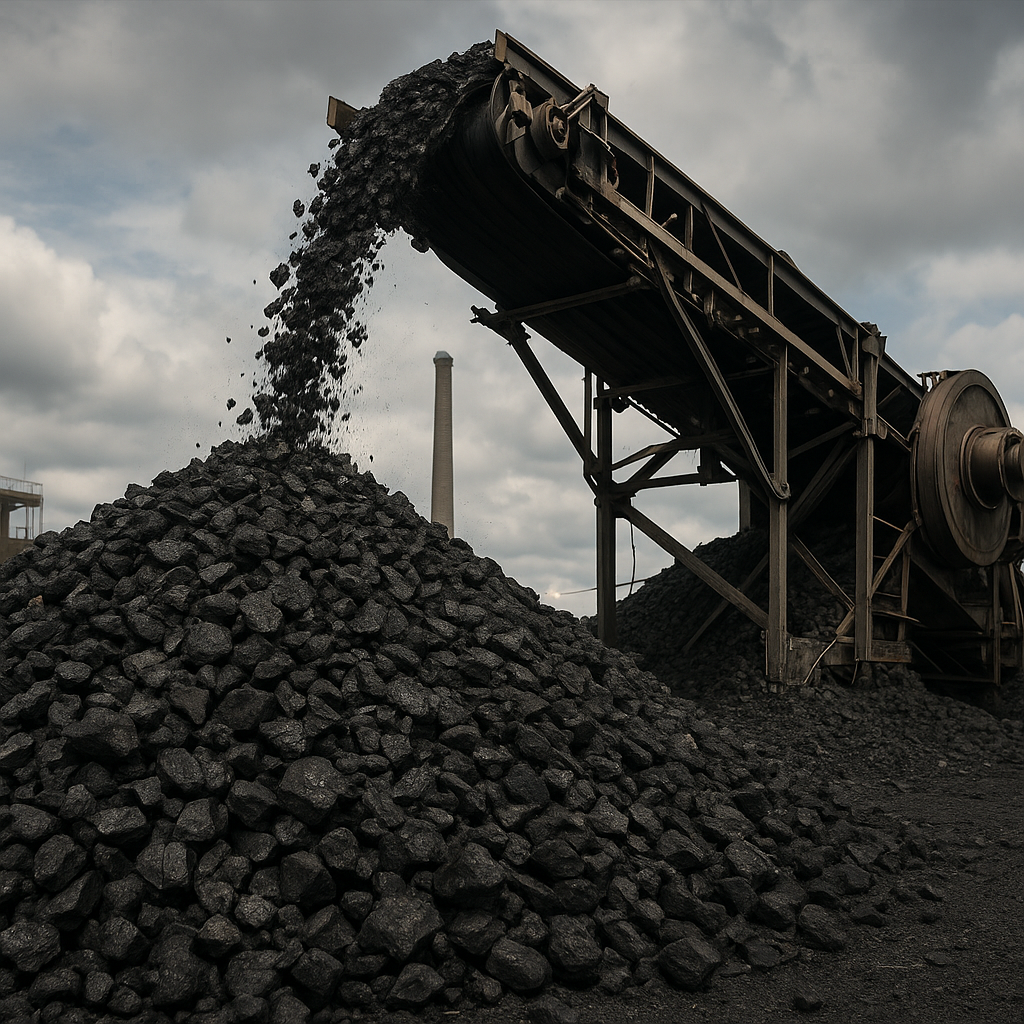
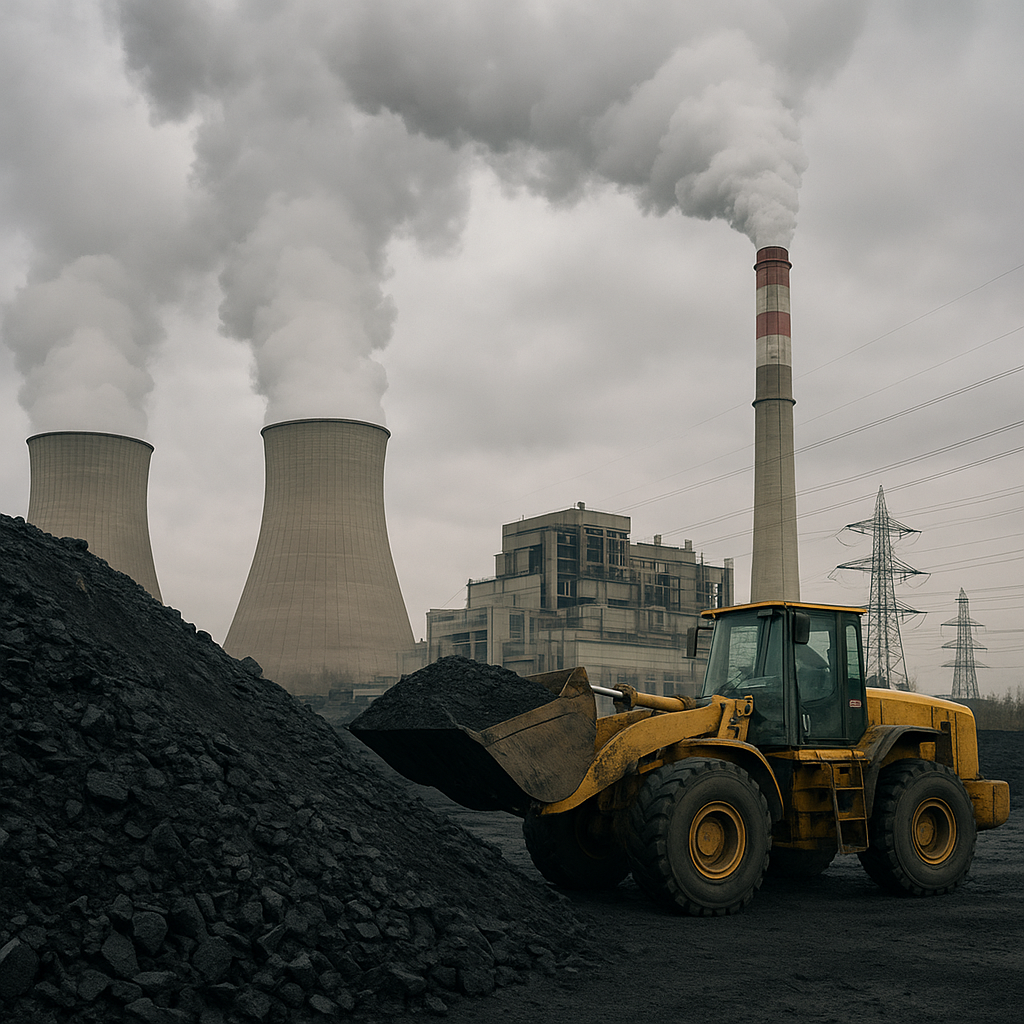
The role of coal in the global energy landscape remains both pivotal and controversial. Despite accelerating investments in clean power, numerous nations continue relying on coal-fired plants for a sizable portion of electricity generation. This dependence arises from factors such as abundant domestic reserves, economic considerations, and the inertia of existing infrastructure. Exploring the complex interplay between market forces, environmental concerns, and technological progress reveals why coal still holds sway, how coal stockpiles influence market dynamics, and what the future may hold for one of the world’s most enduring fuels.
Global Coal Trends and Consumption
Historical Context
From the dawn of the Industrial Revolution, coal fueled dramatic advances in manufacturing, transportation, and urbanization. In the 19th and early 20th centuries, European and North American economies thrived on cheap, abundant coal supplies, leading to the rise of steel mills, steam engines, and railroads. As nations modernized, their energy systems became entrenched in coal-based generation. Legacy power stations built decades ago continue to run today, providing reliable baseload electricity even if they emit substantial emissions.
Current Demand
Despite rapid growth in wind, solar, and natural gas, global coal consumption has plateaued rather than fallen precipitously. In countries such as China, India, and Indonesia, coal remains the cheapest way to meet soaring electricity demand from burgeoning industries and expanding urban populations. According to recent data:
- China accounts for over half of global coal-fired capacity.
- India plans to add new coal units to keep pace with economic growth.
- Southeast Asian nations explore coal to secure energy supply amid import concerns.
These trends underscore the tension between economic development and environmental responsibility. Governments often juggle short-term priorities—job creation, reliable power, and lower costs—against long-term climate targets.
Economic and Environmental Impact
Market Fluctuations and Stockpiles
Coal markets are highly susceptible to geopolitical shifts, currency swings, and seasonal weather patterns. Stockpiles at major coal ports can swell when demand dips or transport bottlenecks arise, depressing prices and straining mining companies’ finances. Conversely, supply shortages—caused by extreme weather or export restrictions—can drive spot prices sharply upward. Key factors influencing coal stock dynamics include:
- Rail and port capacity constraints.
- Import tariffs and export bans.
- Domestic production cuts or strikes.
- Shifting power station utilization rates.
A well-managed stockpile offers resilience against disruptions, but excessive inventories tie up capital and can lead to mine closures or layoffs.
Emissions and Regulations
Burning coal releases high levels of carbon dioxide, sulfur dioxide, particulate matter, and mercury, posing serious challenges for air quality and public health. Nations face mounting pressure to impose carbon pricing, emissions trading systems, and stricter plant performance standards. Regulatory measures include:
- Emission limits on SO₂, NOₓ, and particulate matter.
- Carbon taxes and cap-and-trade schemes.
- Incentives for carbon capture and storage (CCS) retrofits.
- Mandates for renewable portfolio standards (RPS).
These policies aim to internalize the environmental costs of coal but often encounter resistance from energy-intensive industries and regions where mining underpins local economies.
Future Outlook and Alternatives
Technological Innovations
Advances in power generation and emissions control offer pathways to cleaner coal utilization. Ultra-supercritical and advanced ultra-supercritical boilers operate at higher temperatures and pressures, boosting plant efficiency and reducing CO₂ per megawatt-hour. Meanwhile, innovation in carbon capture technologies—post-combustion solvents, oxy-fuel combustion, and pre-combustion gasification—holds promise for near-zero-emission coal plants. Pilot projects around the world test these concepts at scale, but high capital costs and energy penalties remain hurdles.
Investment and Transition
Financial institutions are increasingly wary of coal-related lending, driven by environmental, social, and governance (ESG) criteria. Major banks and insurers may refuse to underwrite new coal projects, pushing developers to seek alternative funding or abandon plans. This divestment trend accelerates the shift toward low-carbon renewable sources, especially when paired with:
- Grid-scale energy storage.
- Demand-side management technologies.
- Decentralized and microgrid solutions.
Yet, the pace of transition varies widely. Resource-rich developing countries with limited access to capital may prolong coal usage, emphasizing the need for technology transfer, climate finance, and capacity-building initiatives from wealthier nations.
Challenges and Strategic Considerations
Meeting global climate targets while ensuring energy sustainability demands a multifaceted strategy. Policymakers must balance short-term demand for affordable electricity with long-term commitments to decarbonization. Key considerations include:
- Just transition frameworks for coal-dependent communities.
- Investment in grid modernization to integrate variable renewables.
- Research funding for next-generation CCS and clean-coal pathways.
- International cooperation on supply chain security and technology sharing.
Although coal’s prominence may diminish over coming decades, its current role in global energy security, economic growth, and industrial development cannot be ignored. Understanding the interplay of market forces, policy levers, and technological breakthroughs is essential for crafting pragmatic pathways that reconcile development goals with environmental imperatives.