The inner workings of a modern coal mine reveal a complex fusion of human ingenuity and cutting-edge machinery. From the moment geological surveys pinpoint a new seam to the delivery of processed fuel to power stations, every step demands precision, rigorous safety protocols, and continuous innovation. With energy markets in constant flux and environmental concerns at the forefront, understanding the full spectrum of coal operations and the dynamics of coal stock trading has never been more critical.
Exploring Underground Operations
Deep beneath layers of rock, miners and machines collaborate in the extraction of coal reserves that fuel countless industries. Geological teams deploy advanced sensors and 3D seismic imaging to map out seam boundaries and assess potential hazards. Once drilling and blasting create initial entry points, a network of transport galleries is established to facilitate the flow of material and personnel.
- Continuous miners equipped with rotating drum cutters carve into the seam, generating roof-bolting machines that immediately stabilize overhead strata.
- Longwall mining employs a shearer that traverses back and forth along the face, systematically slicing away coal while hydraulic shields protect workers from roof collapse.
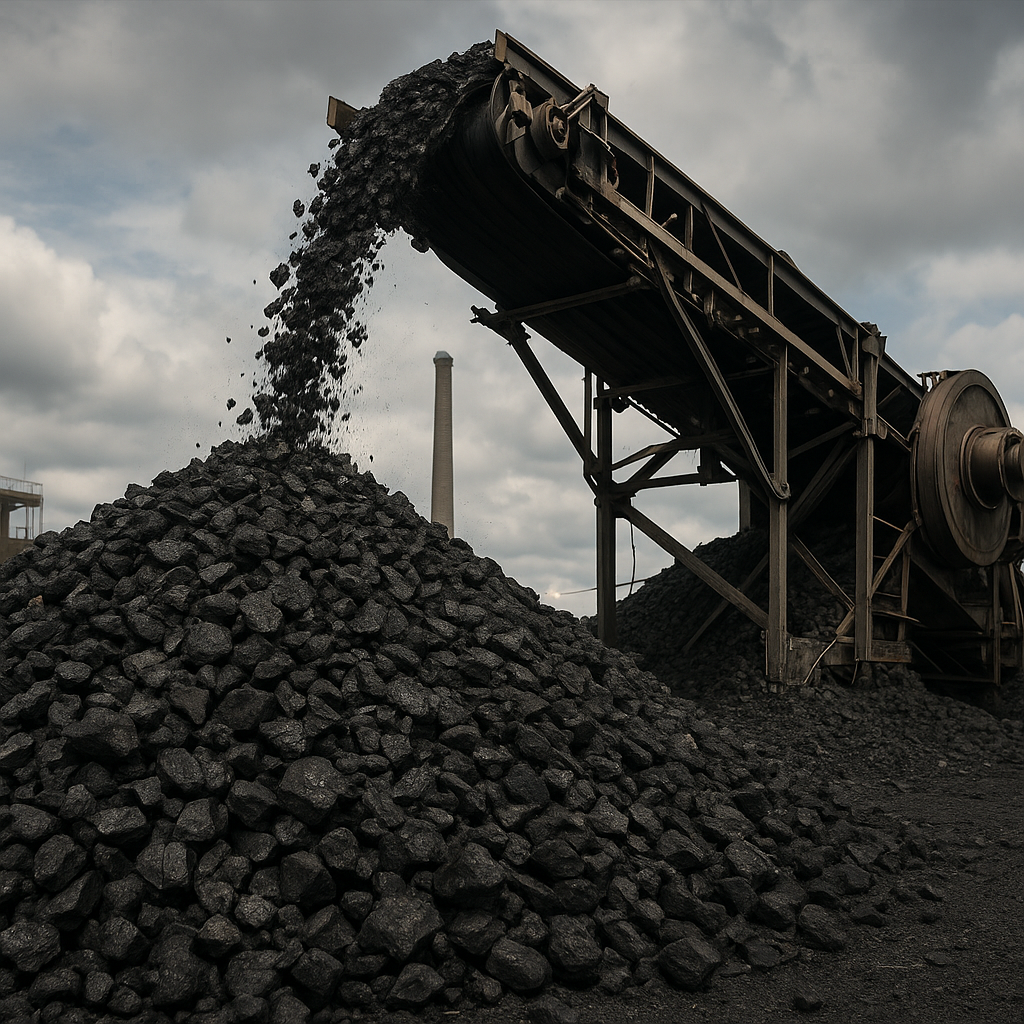
- Conveyor belts rated for high throughput carry the broken coal to primary crushers, where it’s reduced to manageable sizes before entering surface processing.
Even at this depth, safety is paramount. Real-time gas monitoring systems detect methane concentrations, while ventilation networks channel fresh air into working faces and exhaust harmful fumes. Automated cap lamps, wearable sensors, and digital twin models track the location of every worker and piece of equipment, drastically reducing risk and boosting operational efficiency.
Coal Stock and Market Dynamics
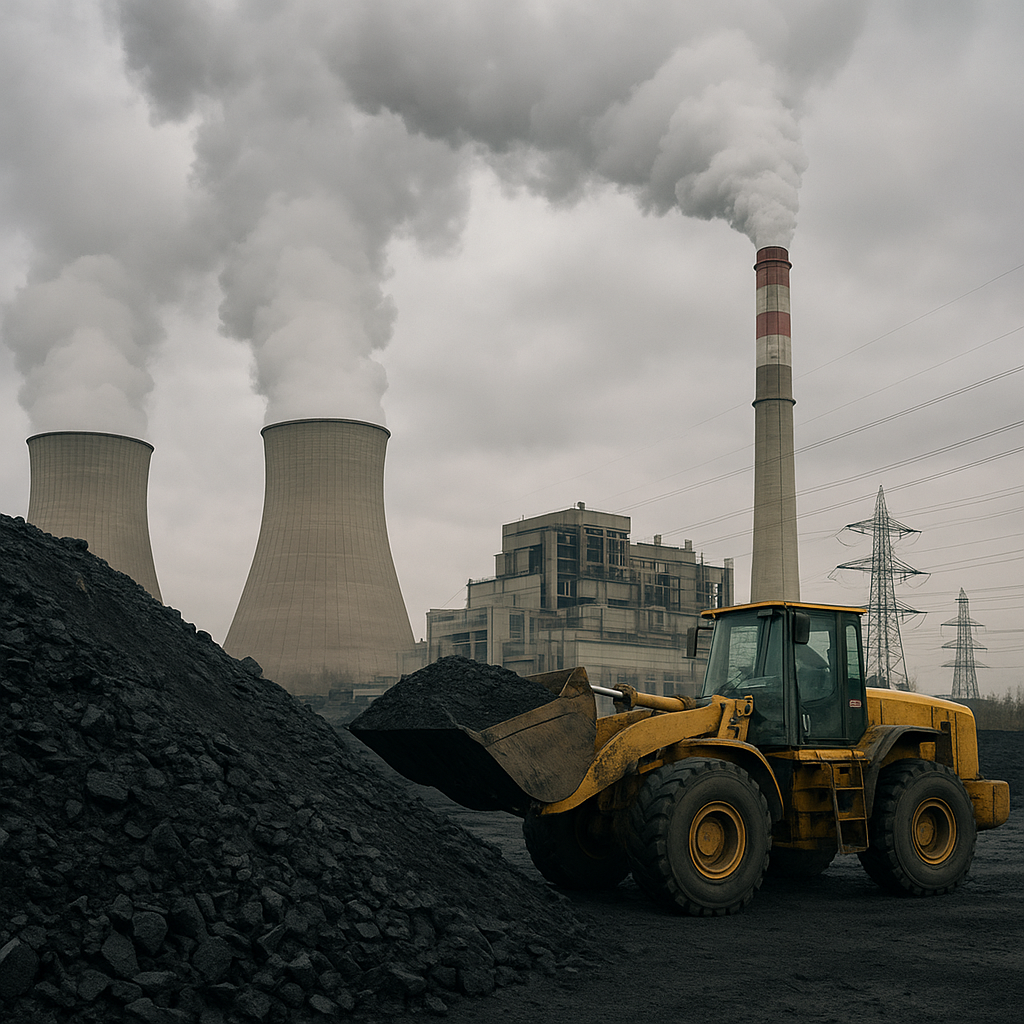
The term stock carries dual significance in the coal industry: the volume of coal held at various stages of production and the financial instruments representing shares in coal enterprises. Managing physical inventories requires a fine balance—too much coal stored in open yards can lead to spontaneous combustion risks and quality degradation, while understocking might disrupt supply agreements with power producers and steel mills.
On the financial side, coal companies list shares on exchanges where fluctuations reflect global demand, regulatory changes, and spot pricing of benchmark fuels like thermal and metallurgical coal. Investors follow key indicators:
- The Newcastle Index, which tracks spot prices in Australia, often sets the tone for Asian markets.
- API 2 and API 4 indexes, representing European and South American trading hubs, gauge freight-adjusted coal costs.
- Forward curves and futures contracts allow traders to hedge against price volatility, locking in rates for upcoming quarters.
Macro factors such as economic growth in emerging markets, shifts toward renewable energy, and carbon pricing frameworks can send shockwaves through investment portfolios. Institutional investors and hedge funds monitor copper, iron ore, and natural gas prices as leading indicators, given the intertwined nature of resource sectors. Meanwhile, corporate strategies hinge on cost control: optimizing rail and barge logistics, securing bulk shipping charters, and leveraging inventory financing to free up working capital.
Environmental Impact and Technological Innovations
As societies grapple with climate change, the coal sector faces mounting pressure to reduce its emissions footprint. Traditional surface and underground operations generate dust, methane, and wastewater that must be mitigated through reclamation plans and treatment facilities. Regulatory bodies demand strict adherence to land restoration, ensuring that post-mining landscapes can support native vegetation or recreational uses.
- Advanced carbon capture and storage (CCS) technologies are being piloted at power plants adjacent to major coalfields, aiming to sequester CO2 before it enters the atmosphere.
- Bioremediation techniques deploy specialized microbes to neutralize heavy metals and residual hydrocarbons in mine drainage.
- Electric and battery-powered haul trucks and shuttle cars reduce diesel particulate emissions, while overhead trolley-assist systems cut fuel consumption by up to 30%.
Beyond compliance, innovation drives competitiveness. Artificial intelligence algorithms analyze geological datasets to predict high-yield zones, cutting exploration costs. Drones and autonomous vehicles perform hazardous inspections, mapping unstable roof sections and monitoring equipment integrity in real time. Remote-controlled drilling rigs can operate in methane-prone areas, minimizing human exposure to explosive gases.
The transition toward cleaner energy has spurred coal companies to diversify portfolios. Some invest in sustainability-focused ventures like pumped hydro storage, biomass co-firing facilities, and hydrogen production from coal gasification. Others partner with technology firms to retrofit existing plants with next-generation scrubbers and low-NOx burners, ensuring regulatory compliance and enhancing social license to operate.
Future Outlook and Strategic Considerations
Global energy demand continues to rise, particularly in Asia and Africa, where industrialization and urbanization are accelerating. While natural gas and renewables gain share, coal remains a vital baseload fuel in many regions. Stakeholders must navigate a volatile environment defined by geopolitical tensions, supply chain disruptions, and evolving climate policies.
- Investment in digital transformation—embracing automation, predictive maintenance, and blockchain-based supply chain tracking—can yield substantial cost savings and transparency benefits.
- Strategic alliances between mining firms, equipment manufacturers, and energy utilities facilitate the scaling of carbon mitigation solutions.
- Community engagement and workforce development programs help build trust, ensuring that mining operations deliver tangible socioeconomic benefits in host regions.
Ultimately, the path forward hinges on balancing economic realities with environmental stewardship. The modern coal mine is not merely an excavation site; it’s a high-tech ecosystem where materials science, data analytics, and rigorous safety culture intersect. Understanding the nuances of coal extraction, stock management, and market forces equips industry professionals, investors, and policymakers to make informed decisions amid an ever-evolving energy landscape.