Coal remains one of the most influential and contentious resources in the global energy landscape. Its vast reserves have powered industrial revolutions, supported economic growth, and shaped geopolitical relations. Yet, the rising concern over climate change and the push for cleaner energy sources have placed coal at the center of debates about environmental responsibility, market volatility, and strategic reserves. This article explores the multifaceted dimensions of coal, the concept of coal stock, and the strategies that stakeholders are adopting to navigate a future where traditional fossil fuels must coexist with the accelerating shift toward decarbonization.
Historical Role and Economic Significance of Coal
Early Industrialization and the Rise of Coal
Since the late 18th century, coal has fueled the engines of the Industrial Revolution. Its abundant availability in regions like the United Kingdom, the United States, China, and Poland allowed factories, steam engines, and railways to operate continuously. The transition from wood and charcoal to coal boosted energy density and efficiency, laying the foundation for modern manufacturing and urbanization.
Coal as an Economic Driver
At the peak of its influence, coal mining provided millions of jobs and generated substantial tax revenues. Mining regions often built entire communities around coal pits, fostering economic ecosystems that included transport networks, ports, and ancillary industries such as steel production. This integration created a powerful multiplier effect: increased industrial output led to higher demand for coal, which in turn stimulated further investment in extraction technologies and infrastructure.
Strategic Importance of Coal Stock
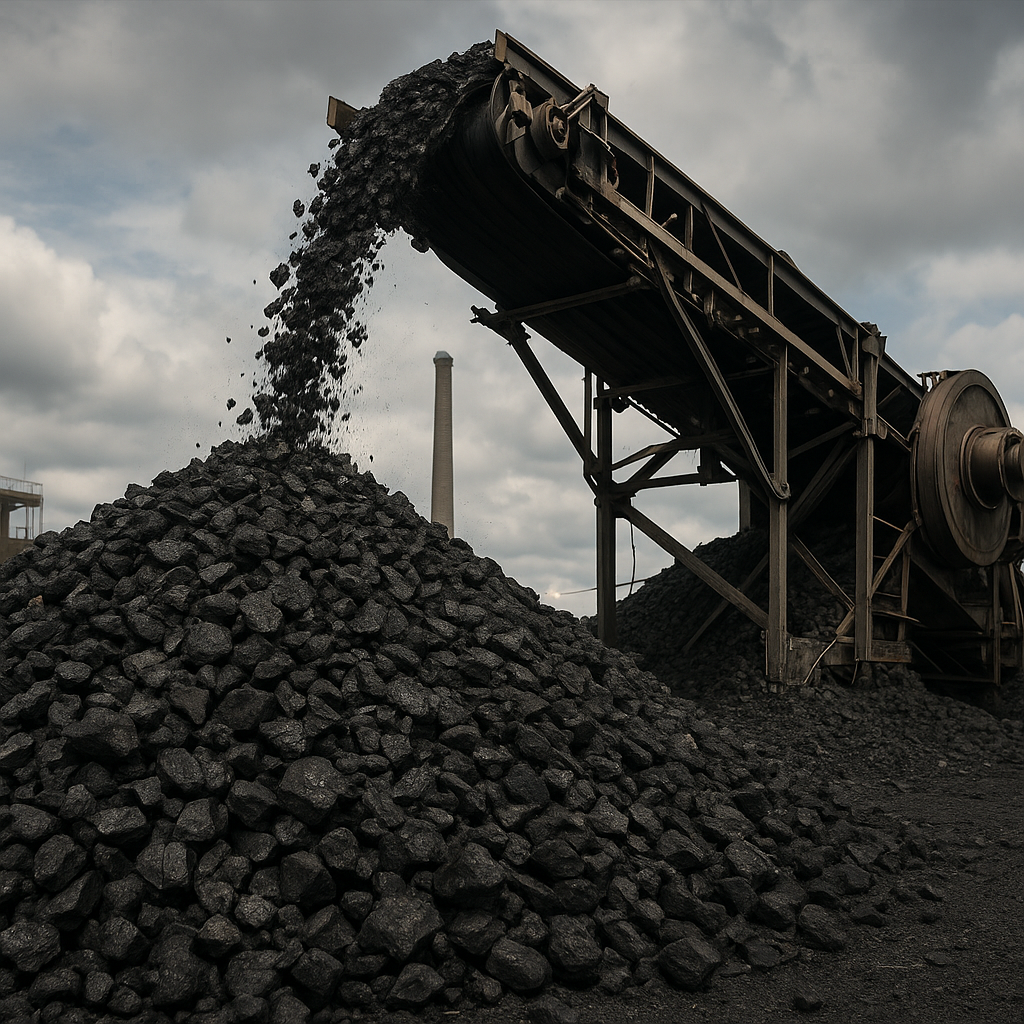
A critical component of national energy policy is the maintenance of coal stockpiles. Governments and utilities establish reserves to safeguard against supply disruptions caused by labor strikes, geopolitical conflicts, or natural disasters. The strategic coal stock serves as a buffer, ensuring energy security when import routes are compromised or international market prices spike unexpectedly.
- Buffer against supply shocks: Stocks of coal can avert blackouts during extreme weather or logistical breakdowns.
- Market stabilization: Releasing coal from reserves can moderate price spikes and protect consumers.
- Geopolitical leverage: Countries with abundant coal resources gain bargaining power in energy diplomacy.
Contemporary Challenges in Coal Markets
Environmental and Regulatory Pressures
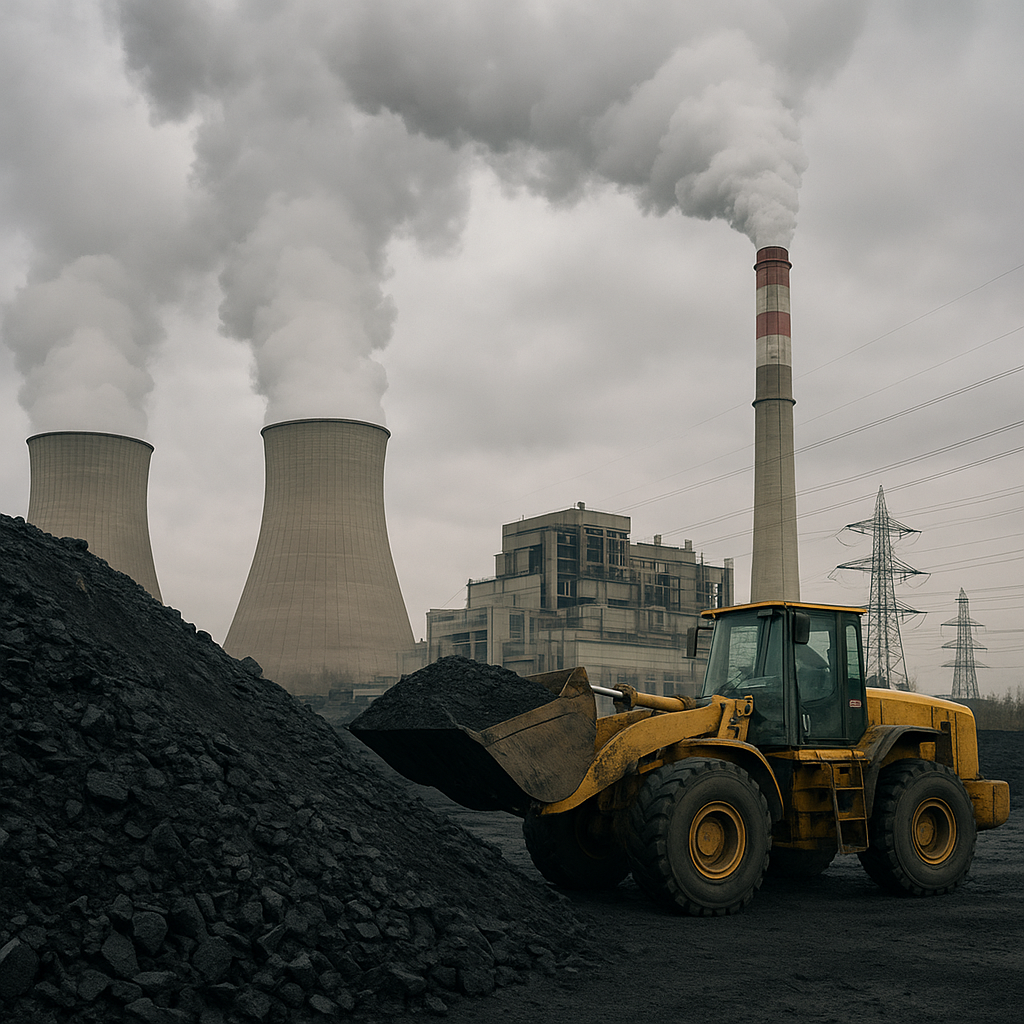
The 21st century has ushered in stringent environmental regulations aimed at reducing carbon dioxide and pollutant emissions. Coal-fired power plants face pressure to install expensive scrubbers, carbon capture systems, and efficiency upgrades. In many regions, emissions trading schemes impose additional costs on carbon-intensive operations, forcing power producers to weigh the economic viability of continuing coal-based generation.
Market Dynamics and Price Volatility
Global coal markets exhibit significant price volatility due to factors such as:
- Fluctuating demand from coal-dependent economies.
- Transport bottlenecks in rail and port infrastructure.
- Competition from alternative fuels, especially natural gas and renewables.
- Policy shifts toward decarbonization, influencing investment decisions and investor confidence.
During periods of strong economic growth in Asia, coal prices can surge as utilities scramble to secure fuel for electricity generation. Conversely, economic slowdowns or rapid renewable deployment can depress prices, jeopardizing the profitability of mining operations and their ability to maintain adequate stock levels.
Social and Regional Impacts
The decline of coal has profound social implications. Mining communities often face high unemployment rates when pits close or scale back operations. Local economies suffer, and generational knowledge of mining becomes lost. Managing this transition responsibly requires targeted investment in education, retraining programs, and alternative industries to avoid creating “ghost towns” and social unrest.
Strategies for Sustainable Transition
Diversifying the Energy Mix
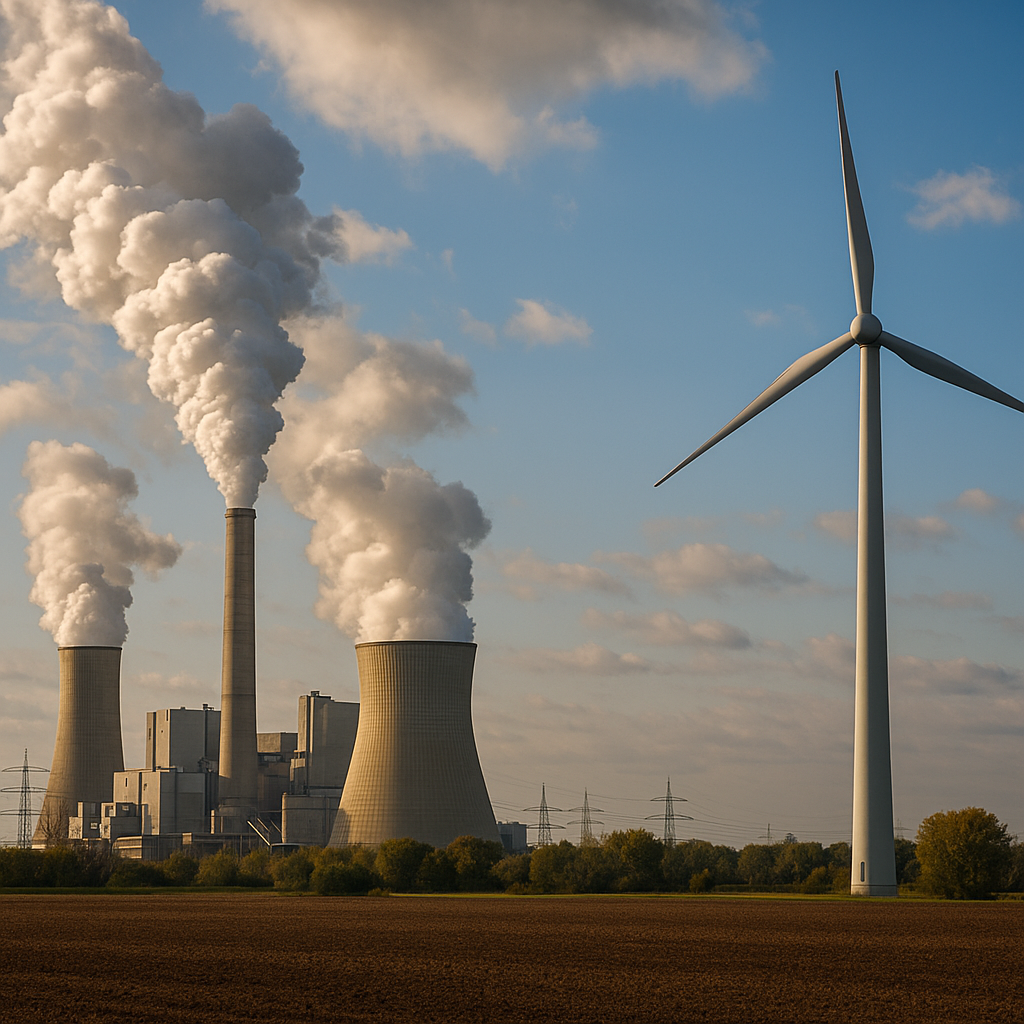
A balanced energy portfolio reduces reliance on coal and mitigates risks associated with price swings and environmental compliance. Integrating renewable sources such as solar, wind, hydro, and biomass can lower emissions while providing long-term cost stability. However, renewable intermittency demands complementary solutions:
- Energy storage systems (batteries, pumped hydro) to smooth supply.
- Grid modernization and smart distribution networks to handle variable inputs.
- Demand-response programs to shift consumption to periods of surplus generation.
Investing in Clean Coal Technologies
While the ultimate goal is to phase out coal, in the near to medium term, enhancing coal’s environmental performance is crucial. High-efficiency low-emissions (HELE) plants can reduce greenhouse gas intensity, and carbon capture, utilization, and storage (CCUS) can trap up to 90% of CO2 emissions. These technologies, though capital-intensive, may serve as transitional bridges.
Strengthening Coal Stock Management
Optimizing strategic reserves involves:
- Regular audits of stock levels to prevent spoilage and material degradation.
- Advanced inventory tracking using digital tools (IoT sensors, blockchain) for transparency and automated reordering.
- Aligning stock releases with market signals to avoid exacerbating price volatility.
- Collaborating internationally to create shared emergency reserves, enhancing regional resilience.
Innovative Approaches to Coal Community Revitalization
Economic Diversification Initiatives
To address the ripple effects of mine closures, governments can implement economic diversification plans including:
- Renewable energy parks on former mine sites, capitalizing on existing transmission assets.
- Manufacturing and logistics hubs that leverage transportation infrastructure.
- Tourism and cultural projects that celebrate mining heritage while generating new revenue streams.
Workforce Retraining and Education
Targeted training programs can equip former miners with skills in renewable installation, equipment maintenance, or software development. Partnerships with technical schools and universities foster knowledge exchange and innovation hubs in regions once dependent on coal.
Community Participation and Stakeholder Engagement
Successful transitions rely on inclusive planning processes. Engaging local leaders, labor unions, and environmental groups ensures that redevelopment strategies address real needs. Participatory budgeting and community-driven projects foster ownership and long-term sustainability.
Future Outlook and Key Takeaways
Balancing Legacy and Innovation
Coal’s enduring presence is undeniable. It will continue to play a role in many national energy plans for at least another decade. However, the trajectory is clear: a gradual decline in coal’s market share as clean energy costs fall and policy frameworks tighten emissions targets. By focusing on strategic coal stock management, investing in transitional technologies, and revitalizing communities, stakeholders can navigate a responsible path forward.
Building a Resilient Energy System
The road ahead demands collaboration across governments, industry, and civil society. A resilient energy system balances affordability, reliability, and environmental stewardship. Coal’s chapter may be closing, but its influence on policy, infrastructure, and economies will inform decisions for years to come. By applying lessons learned from past transitions, societies can craft an energy future that addresses climate imperatives while honoring the communities built on coal’s legacy.