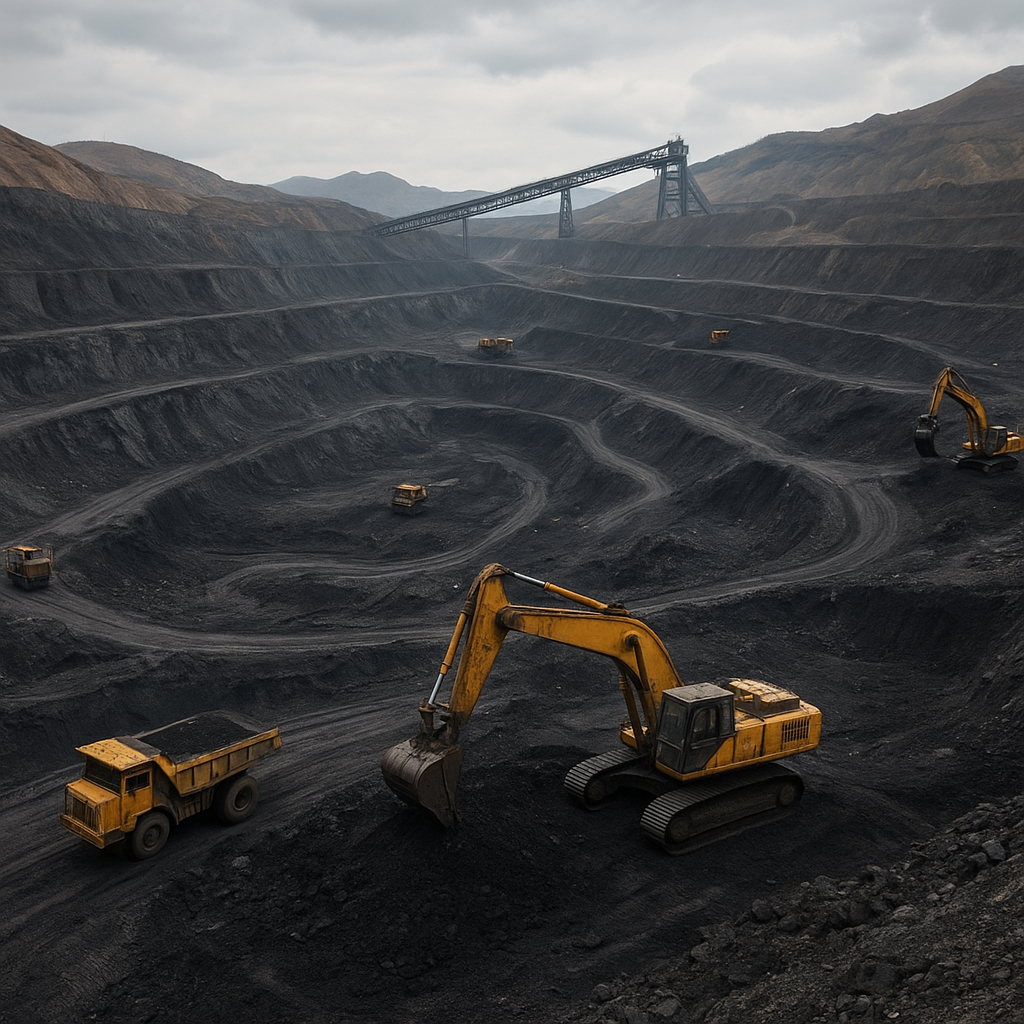
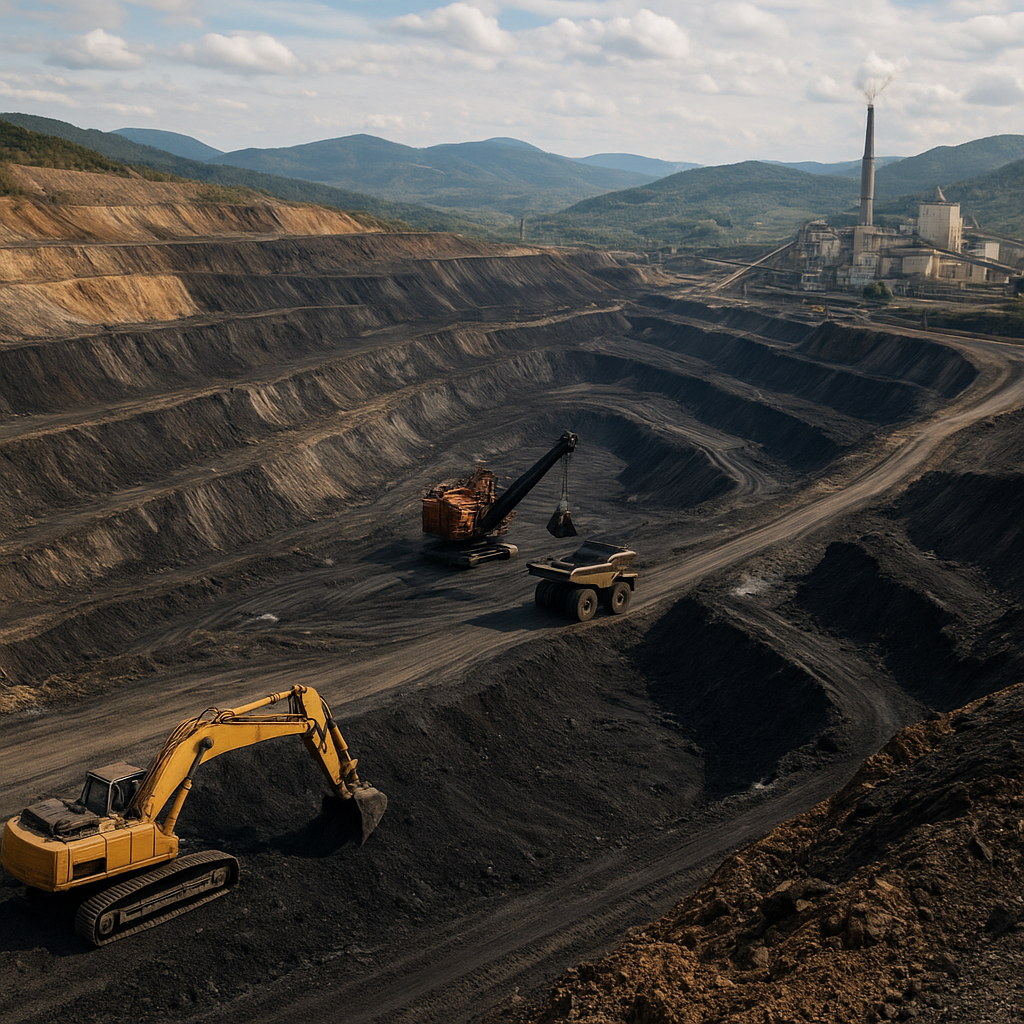
The Wambo Coal Mine is one of the established coal operations in the eastern Australian coalfields, with a long history of contributing to regional industry, supply chains and local employment. Located within a major coal-producing region of the country, Wambo has been a recognizable name among miners, traders and communities in the Hunter Valley area. This article presents a comprehensive overview of the mine: its location, geology and coal type, mining methods, production and economic role, environmental and social dimensions, and key statistics and trends, drawing on public domain information and commonly reported figures.
Location, ownership and historical background
The Wambo Coal Mine is situated in the Hunter coal basin of New South Wales, in a region broadly known as the Hunter Valley, which is one of Australia’s most productive coal districts. The mine lies inland from the coastal export facilities and is connected to export logistics by a network of rail and road links that feed into the Port of Newcastle, the world’s largest coal export port by volume.
Wambo has operated in various forms over the decades, exploiting Permian-age coal seams that characterize the Hunter Basin. Historically the mine has included both underground and surface workings at different stages of its life. Over time, ownership and operational arrangements have changed; large resources companies have been involved in the mine’s operation and investment at different points. The mine has served both domestic power generation markets and international buyers through export channels.
Geology, coal type and quality
Wambo’s coal deposits are part of the broader Permian coal measures that dominate the Hunter Basin. The coal extracted at Wambo is primarily bituminous in rank and is used predominantly as thermal coal for electricity generation, with some material suitable for blending into metallurgical coal processes or for specific applications such as pulverized coal injection in steel mills when quality permits.
Key coal quality characteristics commonly associated with Hunter Valley operations and relevant to Wambo include:
- Calorific value: typically in the range of about 5,800–7,000 kcal/kg (approx. 24–29 MJ/kg) for many thermal grades mined in the basin; exact figures vary by seam and wash plant processing.
- Ash content: Hunter coal can present moderate to low ash values depending on beneficiation; values often reported in public material range from single digits up to mid-teens percentage for product coal.
- Sulphur: generally low to moderate, which is attractive for many export markets concerned about emissions and combustion characteristics.
- Moisture and volatile matter: properties that influence handling, storage and performance in power stations and industrial applications.
The local geology influences mining methods; seams in the Wambo area are at depths amenable to underground longwall extraction and, in some locations or periods, to open-cut methods where seams are shallower.
Mining methods and operational practices
Wambo’s operations historically have included underground mining, largely driven by the economic thickness and depth of targeted seams. The dominant underground method in many Hunter Valley collieries is the longwall system: mechanized extraction with high productivity per face, followed by controlled roof collapse behind the face. Longwall mining enables efficient recovery of large, continuous seams but also requires careful management of subsidence, ventilation and ground control.
Ancillary activities at the mine site typically include:
- Coal processing and wash plant operations to upgrade product quality by removing unwanted ash and rock.
- Embankments, conveyors and rail-loading infrastructure to transfer product to rail lines serving export facilities.
- Mine water management systems, including settling ponds and treatment where required to meet regulatory standards.
- Rehabilitation and progressive landform restoration for areas no longer in production.
Mechanization, automation and continuous improvement programs have been a part of modern mine management to increase safety, productivity and environmental performance. Ventilation, methane drainage and monitoring systems are standard on underground operations to manage gas and ensure worker safety.
Production, reserves and statistics
Reported production from Wambo has varied over time depending on market demand, operational factors and capital investment. Annual production figures cited in public reporting for mines of this scale in the Hunter Valley frequently fall in the range of a few million tonnes per annum. Wambo’s historic production has commonly been cited in the order of approximately 2–4 million tonnes per year in various years, though production can fluctuate significantly.
Reserve estimates for coal mines are typically reported as “recoverable” or “proven and probable” resources, and these figures change with ongoing exploration, mining depletion and economic assumptions. Publicly available commentary on similar operations suggests recoverable reserves can be in the tens of millions of tonnes for long-lived Hunter Valley mines; reported ranges for Wambo in public summaries have sometimes spanned multiple decades of production at prevailing rates, implying total recoverable resources in the multiple tens of millions of tonnes. Exact current reserve numbers should be consulted from operator disclosures and formal reserve statements.
Key statistical aspects to consider when assessing Wambo and comparable mines:
- Annual production volume (Mtpa): historically around 2–4 Mtpa in many operational years.
- Workforce size: mid-sized mines in the region typically employ several hundred people on site (including contractors), with broader supply-chain employment adding to the local economic footprint.
- Export volumes: much of the product from Hunter Valley mines is destined for international markets via Port of Newcastle; export tonnages vary with market conditions.
- Economic life: dependent on remaining recoverable reserves and market price cycles, but many Hunter Valley mines have multi-decade potential when reserves and approvals align.
Economic significance and market role
Wambo has played a role in both the local and national coal industry by providing fuel for domestic power stations and generating export earnings through shipments to Asia and other markets. The coal sector in the Hunter Valley underpins significant regional employment, royalties to state government, corporate tax and dividends, and local business activity ranging from equipment suppliers to logistics providers.
Key economic contributions:
- Employment and regional income: mine operations support direct jobs on site and indirect jobs in services, maintenance, transport and supply chains.
- Export earnings: thermal coal exports contribute to Australia’s trade balance; mines in the Hunter Valley form a substantial component of national coal export volumes.
- Royalties and taxes: state and federal governments collect royalties and taxes on coal production and company profits, which fund public services.
- Local procurement: mines often contract local businesses for construction, catering, rehabilitation and other services, supporting regional economies.
Market dynamics strongly influence operational decisions: global demand for thermal coal, price cycles, competition from alternative energy sources, freight costs and regulatory frameworks determine the commercial viability of continued production. Over recent decades, export markets for Australian thermal coal have included large buyers in India, China, Japan and South Korea, though buyer mix changes with geopolitics and market conditions.
Logistics and export pathways
Coal from Wambo is typically transported by rail to port terminals, with the Port of Newcastle being the most significant export gateway for Hunter Valley coal. Efficient rail-loading infrastructure, stockpiling and shiploading facilities are critical to maintaining competitive export operations. Timing of shipments, stockpile management and weather-related constraints are normal operational considerations.
Freight costs, rail capacity and port throughput can materially affect mine-level profitability. Investment in rail and port infrastructure, often coordinated through industry stakeholders and public-private partnerships, has helped sustain export capacity for Hunter Valley mines over long periods.
Environmental management and community engagement
Modern coal operations in New South Wales operate under stringent regulatory frameworks designed to manage environmental impacts, protect water resources, and ensure progressive rehabilitation. For Wambo and similar mines, common environmental and social topics include:
- Subsidence and land stability: associated with underground longwall mining and requiring monitoring and mitigation where infrastructure or high-value land uses exist.
- Water use and quality: managing water extraction, runoff and treatment to protect local catchments and meet licence conditions.
- Biodiversity and rehabilitation: progressive rehabilitation of disturbed land to return areas to productive or conservation uses, and biodiversity offsetting where required.
- Air quality and dust control: implementing measures to limit particulate emissions from mining, processing and transport.
- Community consultation and benefits: maintaining engagement with local stakeholders, addressing concerns, and supporting community projects or infrastructure.
Regulators, NGOs and local communities frequently engage with mine operators on environmental performance and legacy impacts. Continuous monitoring, reporting and independent audits are typical elements of the compliance framework.
Workforce, safety and innovation
Workplace safety is a central priority in underground coal mining. Wambo operations have been subject to national and state occupational health and safety standards, and modern operations emphasize training, hazard identification, emergency preparedness and safety culture. Automation, remote-operated equipment and advanced monitoring systems have been increasingly adopted across the sector to improve safety and productivity.
Typical workforce topics include:
- Skills development: programs to train miners, technicians and engineers, often in partnership with vocational institutions.
- Contractor management: large projects often involve a mix of direct employees and contractors; consistent safety standards across all parties are essential.
- Technological innovation: use of information systems, remote monitoring, and mechanized mining equipment to optimize extraction and reduce exposure to hazardous tasks.
Recent trends, market pressures and future outlook
The global energy transition has exerted significant pressure on thermal coal demand in some markets while other regions continue to rely on coal for baseload generation. For mines like Wambo, market volatility (price and demand), regulatory changes and investor sentiment shape strategic decisions. Important trends that affect Wambo’s outlook include:
- Shifts in global thermal coal demand driven by renewables uptake, gas competition and policy changes in major importing countries.
- Price cycles: coal prices can swing widely, impacting revenues and investment decisions at the mine level.
- Operational optimization and cost control: mines aim to maintain profitability through efficiency gains, improved recovery and reduced unit costs.
- Environmental, social and governance (ESG) considerations: financiers, insurers and customers increasingly evaluate coal projects through ESG lenses, which can affect capital access and offtake arrangements.
Given these drivers, Wambo’s future production profile and lifespan will depend on a combination of resource availability, market conditions, regulatory approvals and capital investment decisions.
Interesting facts and broader context
- The Hunter Valley, where Wambo is located, is one of Australia’s oldest and most intensively developed coal regions, with a complex history of mine development, rail expansion and port growth.
- Coal from the Hunter Valley has played a major role in powering Australian industry and supplying export markets for many decades.
- Mines in the region, including Wambo, are integrated into extensive rail networks and frequently participate in joint infrastructure arrangements to maintain competitive export logistics.
- Technological improvements over the years — from roof support systems to automated monitoring — have transformed underground operations, improving recovery rates and safety outcomes.
Summary of key points and statistics
In summary, the Wambo Coal Mine is a medium-scale coal operation in the Hunter Valley of New South Wales, Australia, historically producing primarily thermal coal for domestic and export markets. The mine has used mechanized longwall and associated mining methods, with production commonly cited in public reporting around 2–4 million tonnes per year in operational years. Recoverable reserves have been described in the tens of millions of tonnes on various public summaries, providing multi-year potential at historical production rates. The mine has contributed to regional employment and local economic activity, and has linked into export supply chains via the Port of Newcastle, supporting Australia’s coal export industry. Major energy companies, including names like Peabody in the broader Hunter region, have been prominent players in the basin across different operations, reflecting the international investment profile of the industry.
Wambo’s role in the coal sector illustrates common themes for Australian coal operations: significant regional economic contribution, technical complexity in extracting and processing coal, continuing environmental and social responsibilities, and sensitivity to global market dynamics. For the most current, specific figures on production, reserves and ownership, refer to the latest operator disclosures, regulatory filings and governmental resource reports.